 EN
 VI
 ZH
Import-export businesses may need to store goods while waiting for contracts, selecting markets, or coordinating distribution schedules. Understanding what a bonded warehouse is helps cargo owners control receiving conditions, storage periods, and total logistics costs.
1. What Is a Bonded Warehouse? How It Operates and Storage Requirements
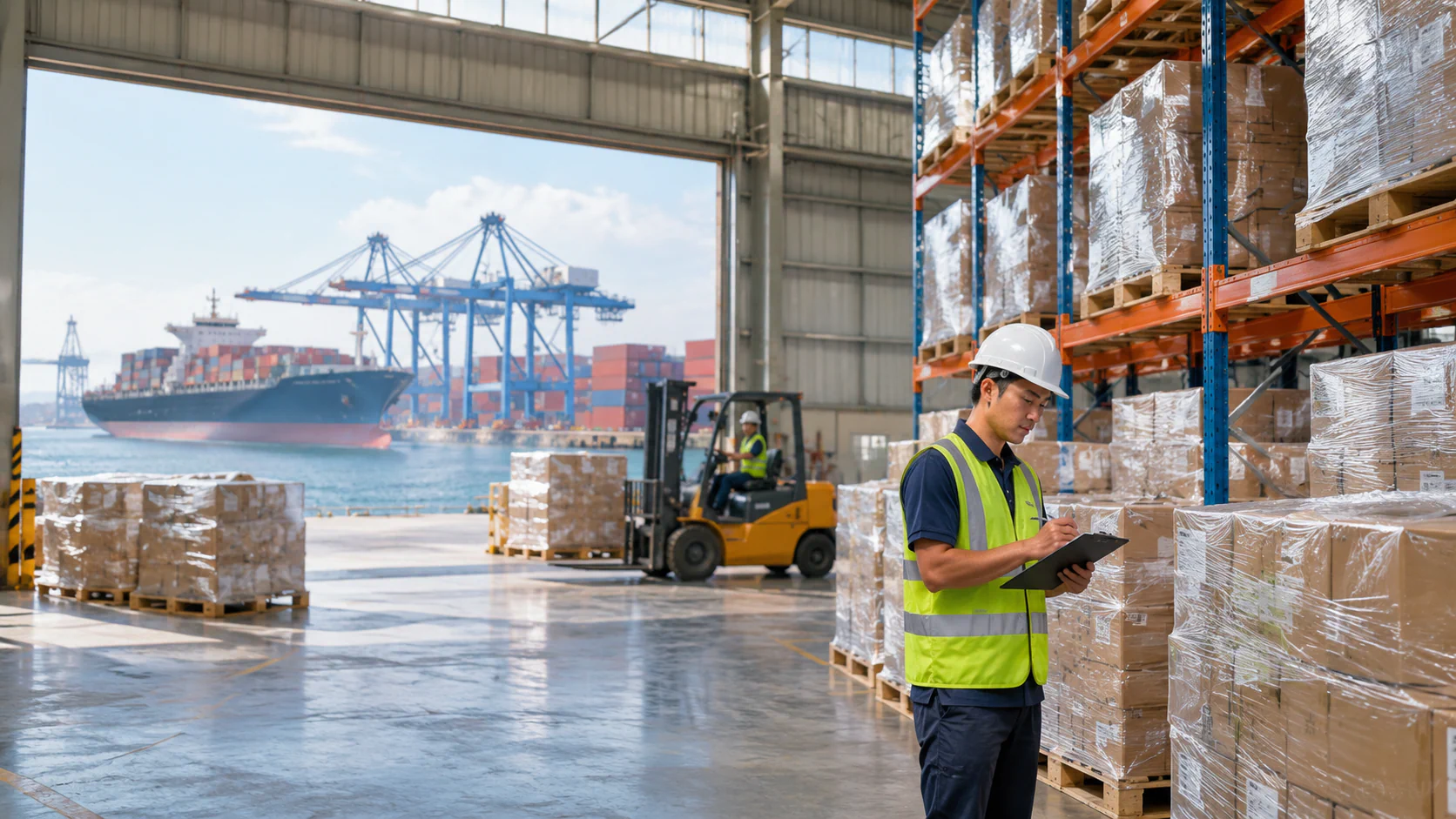
1.1. Definition, Functions, and Differences from Other Types of Warehouses
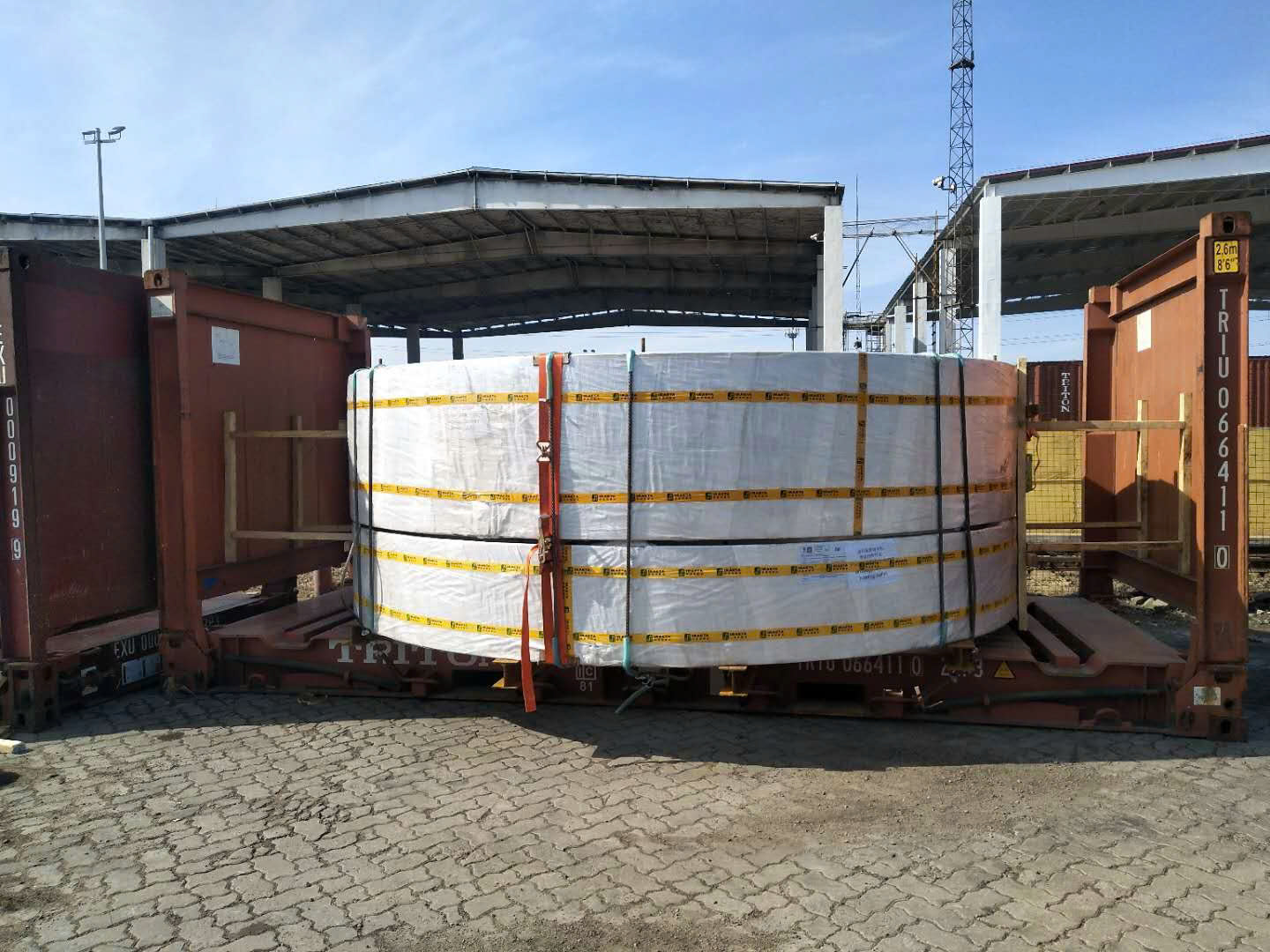
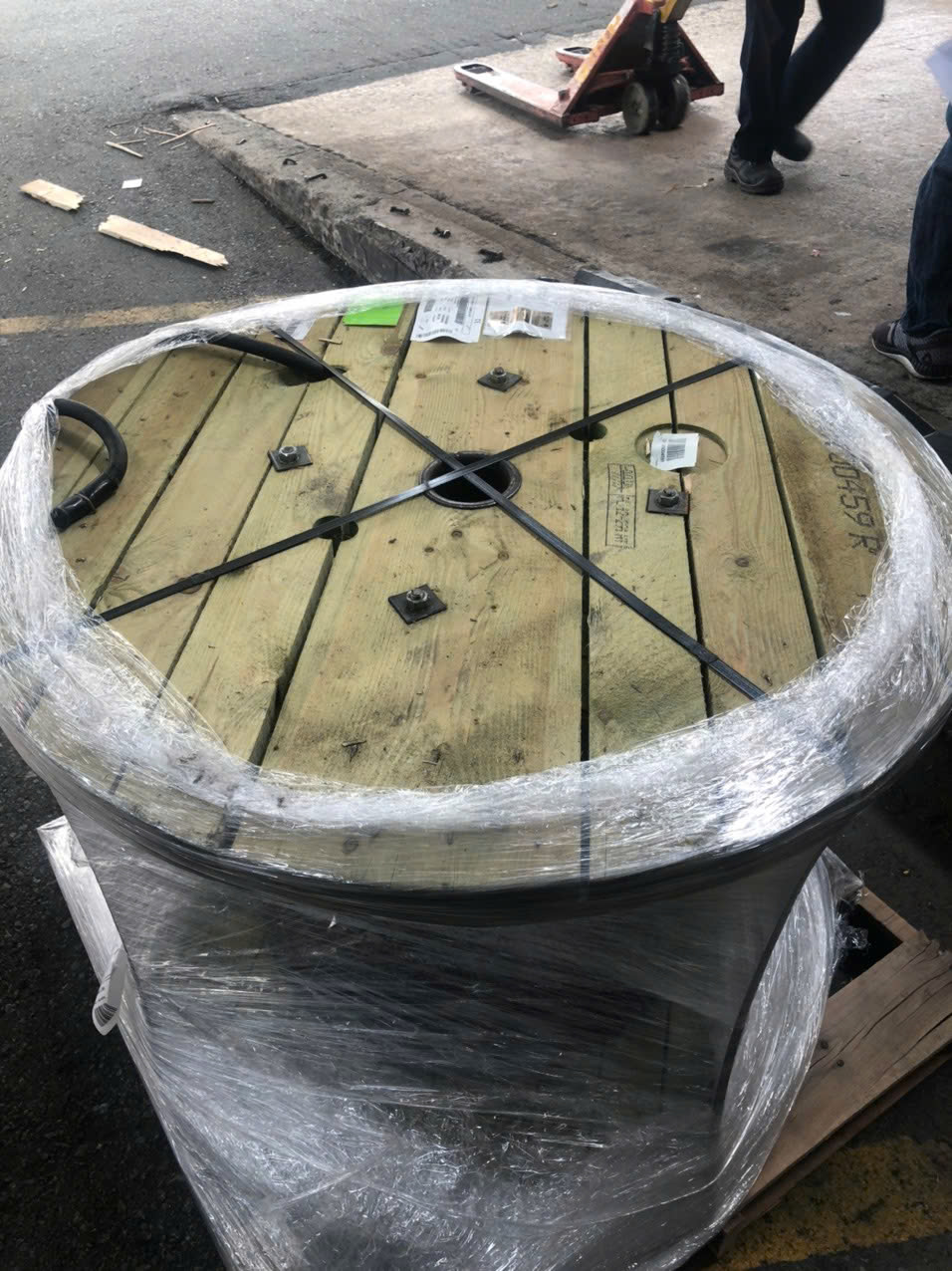
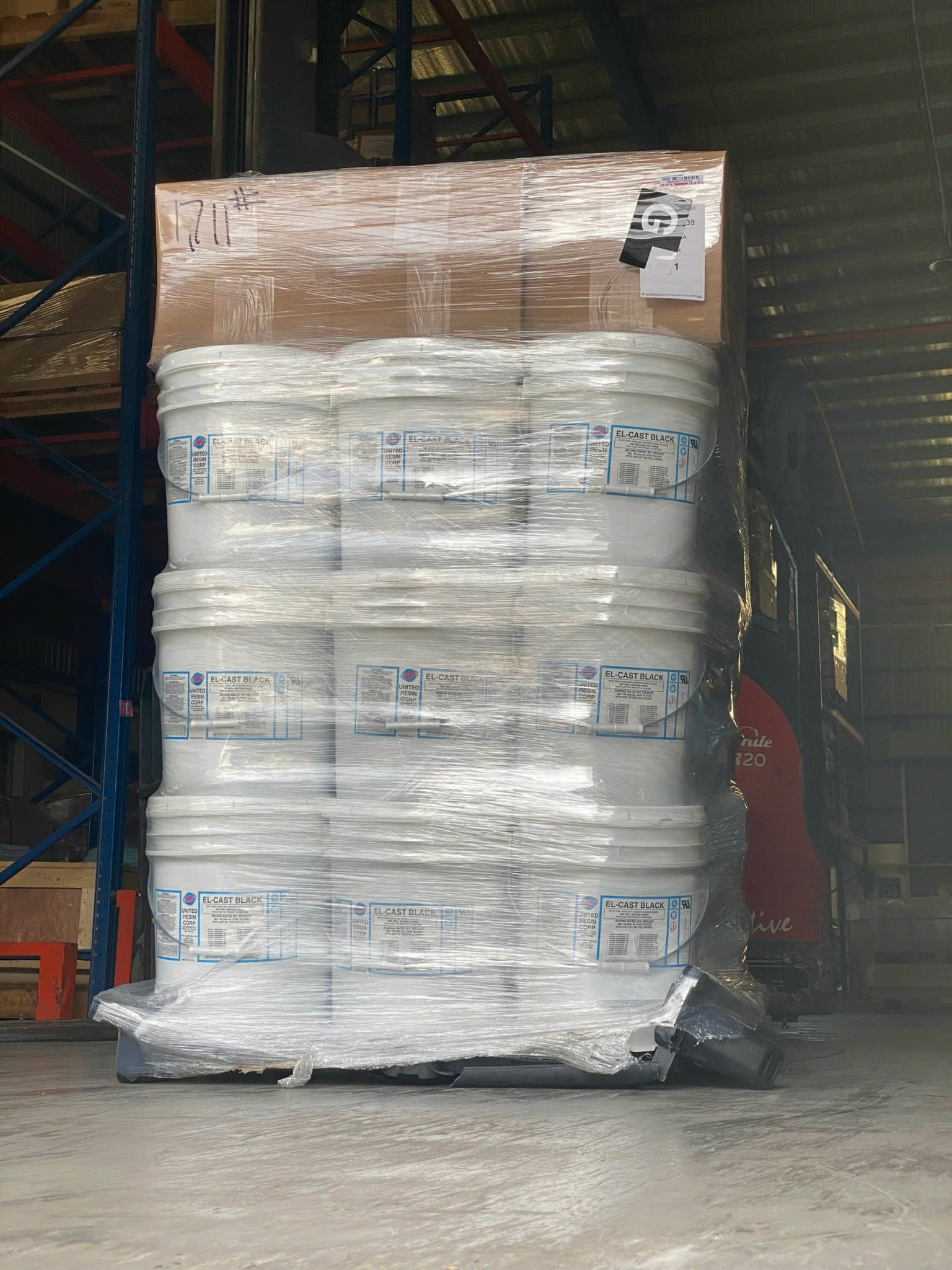
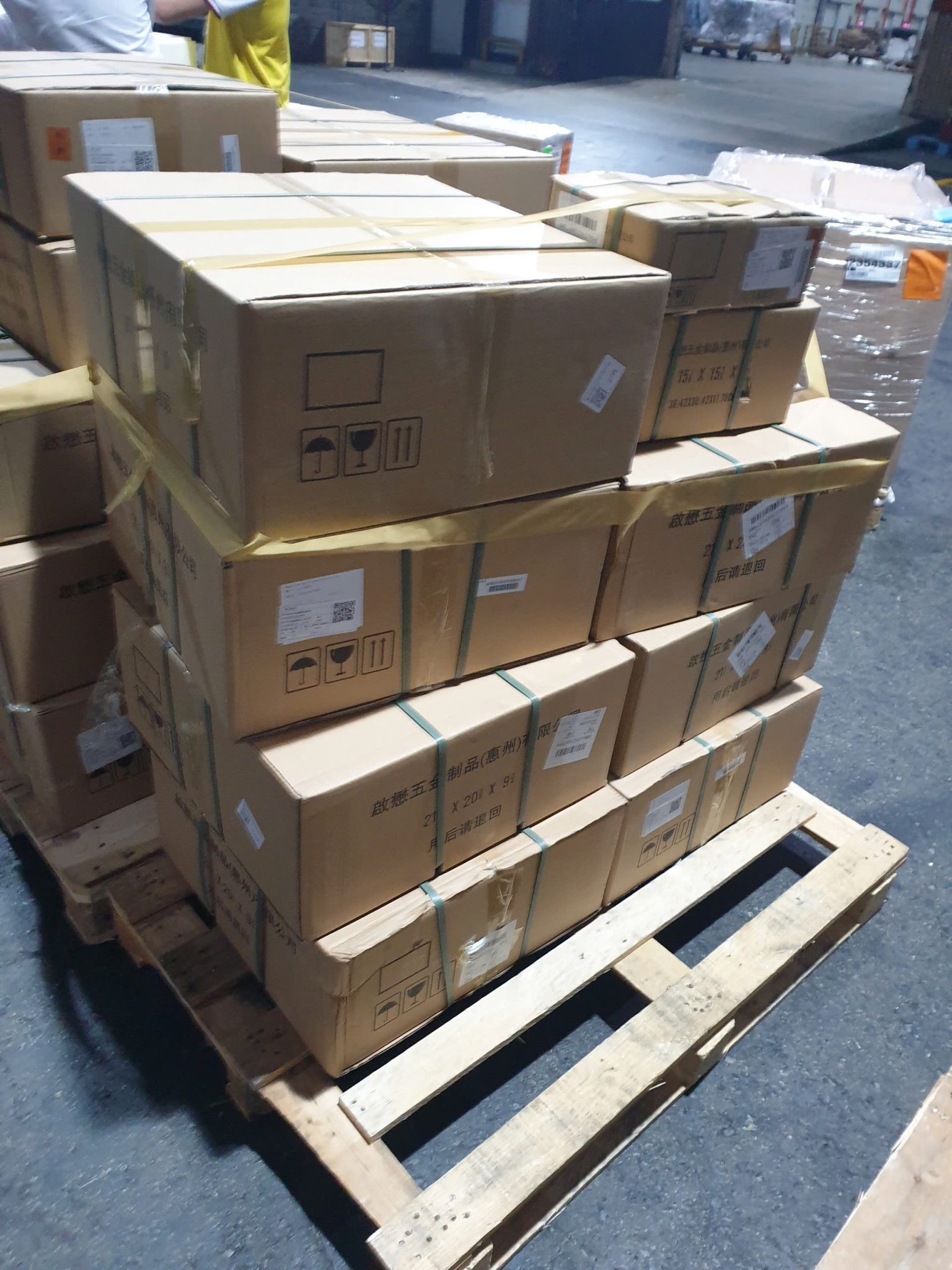
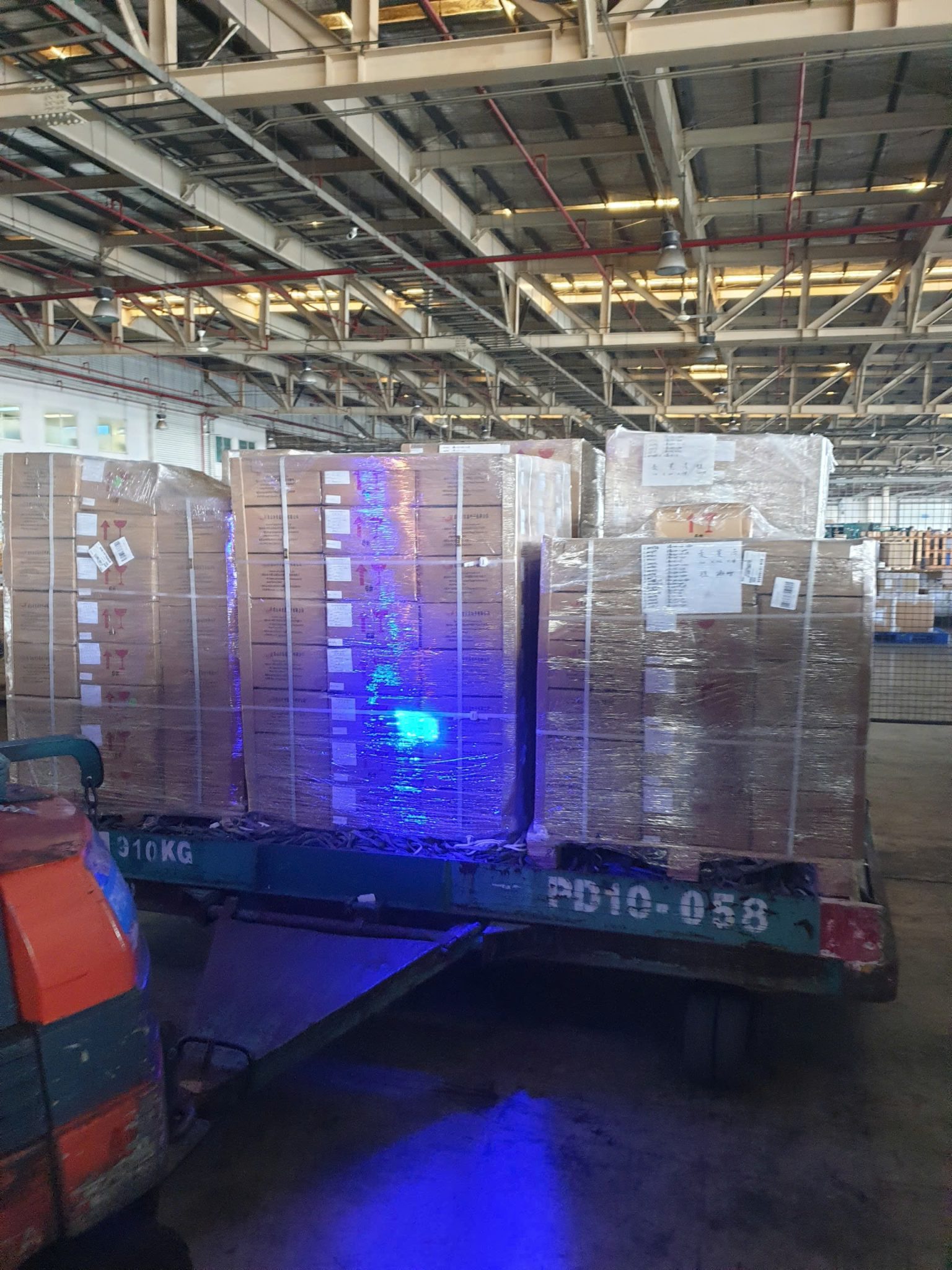
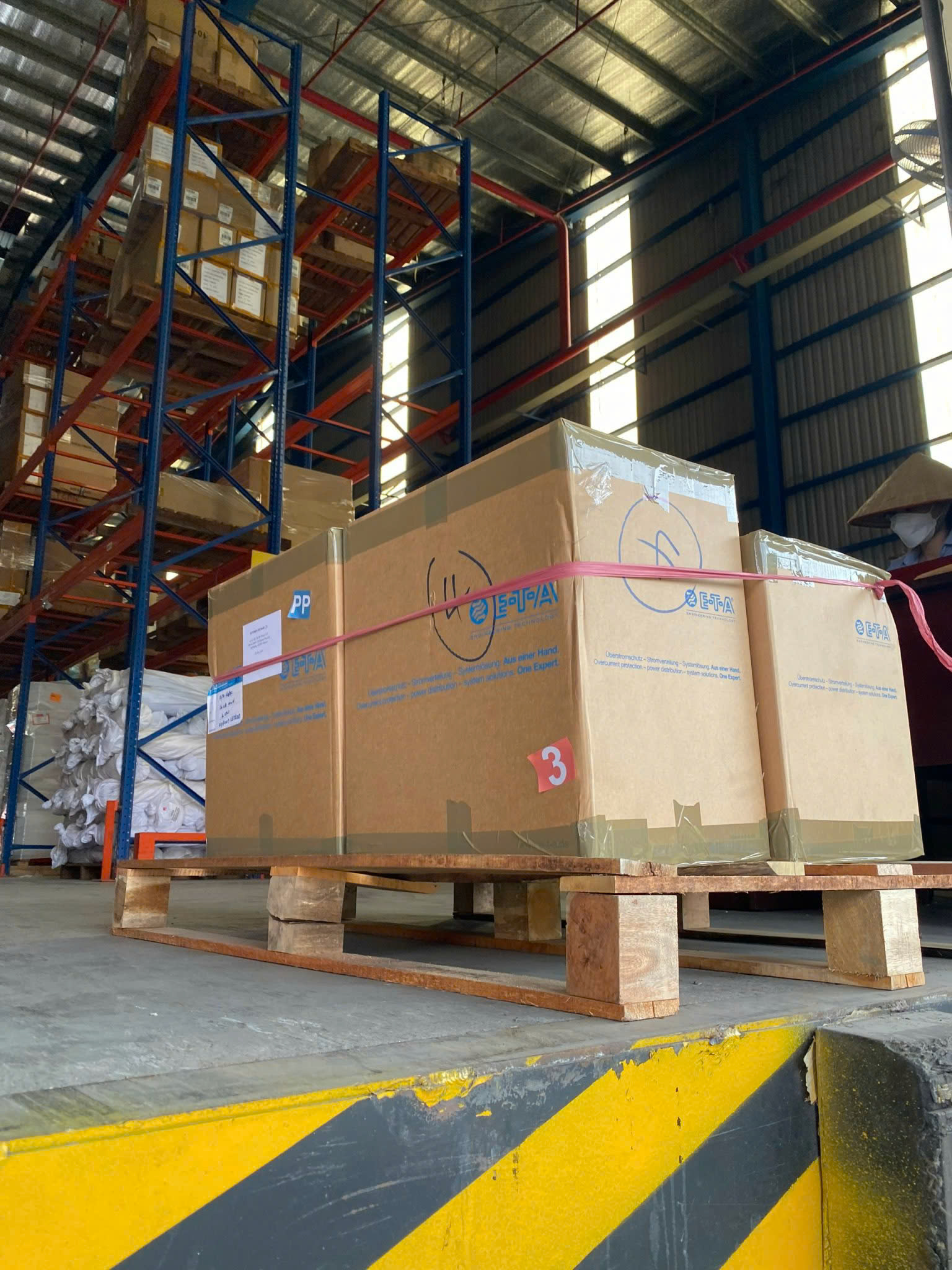
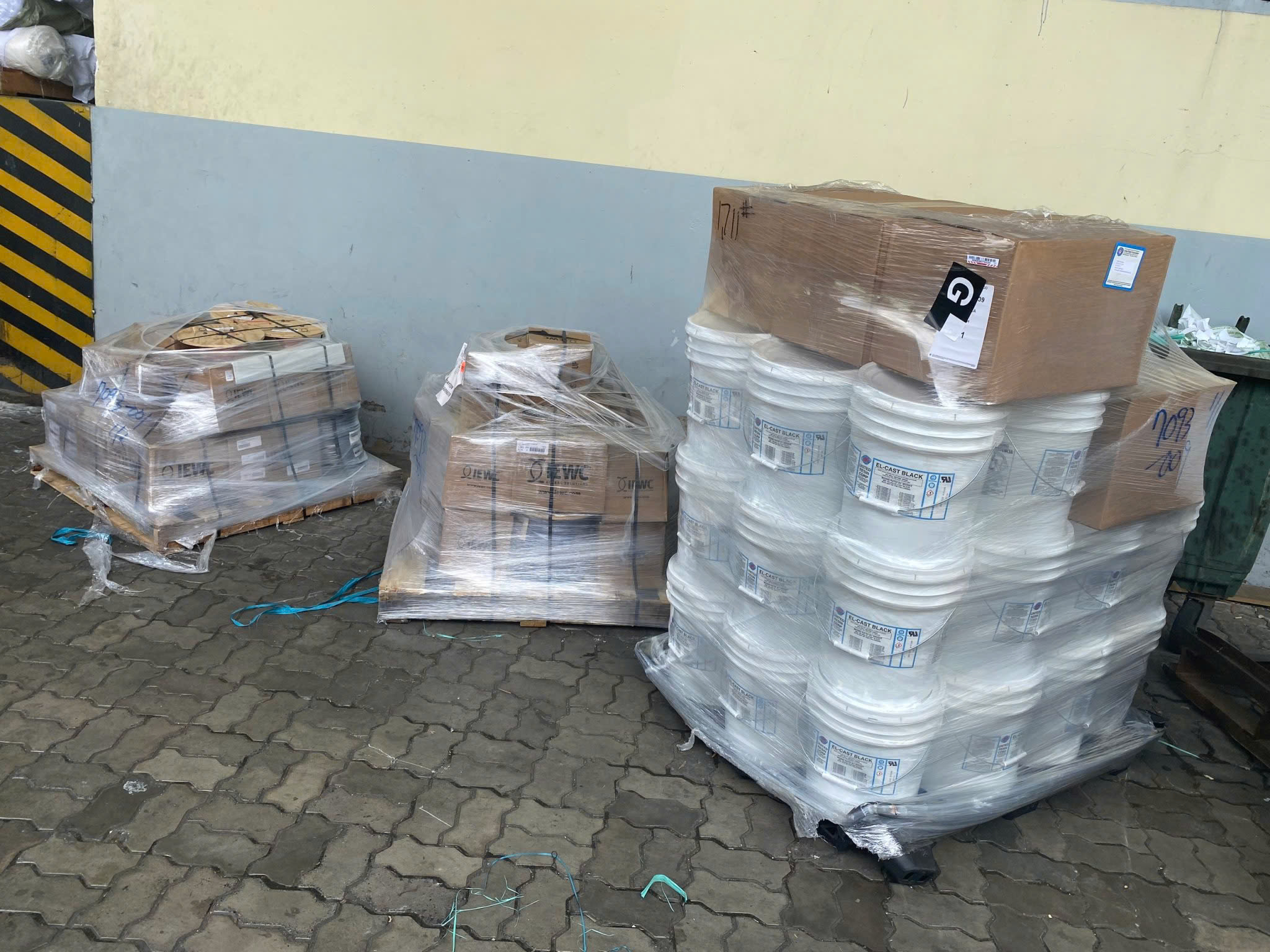
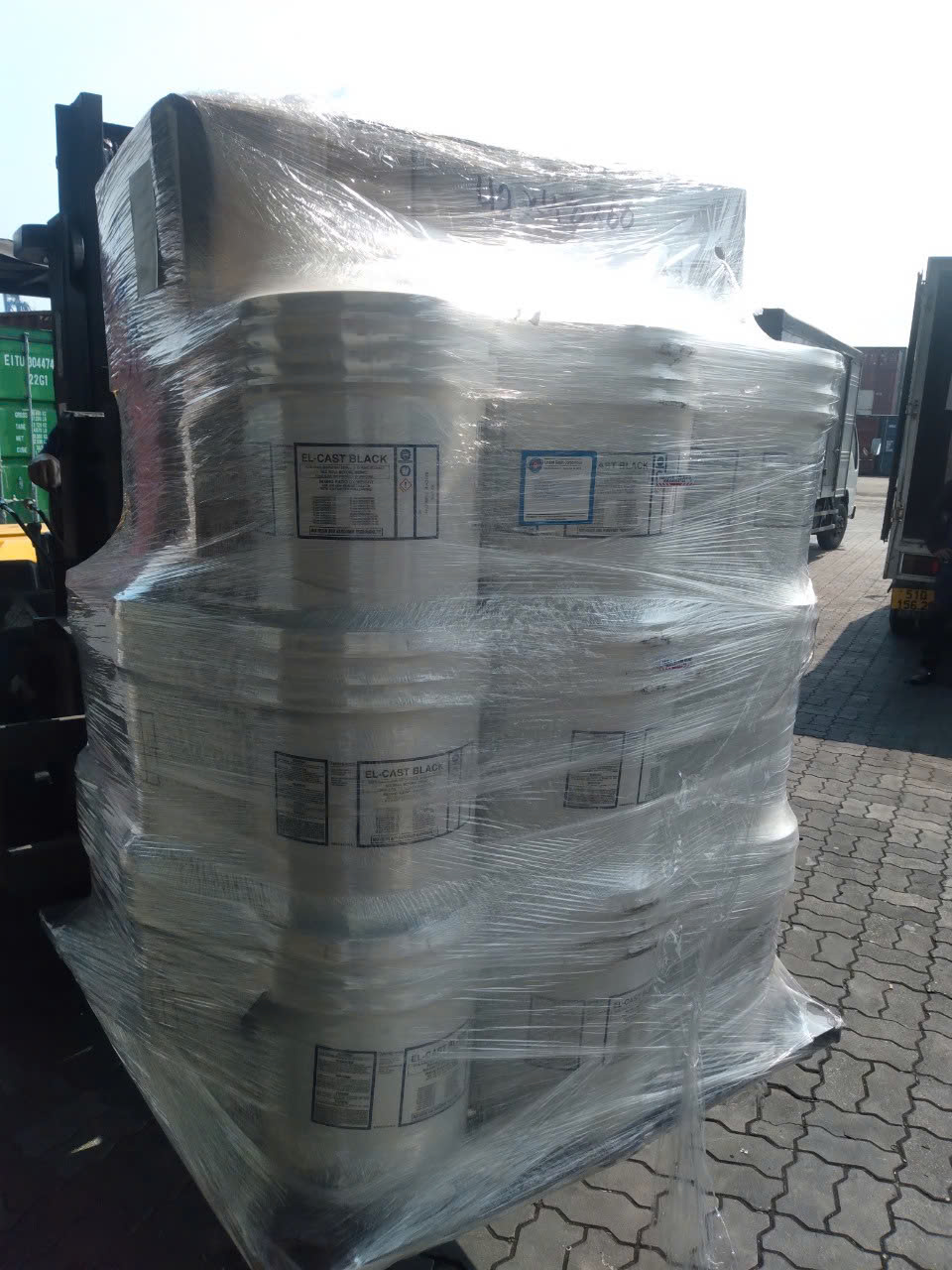
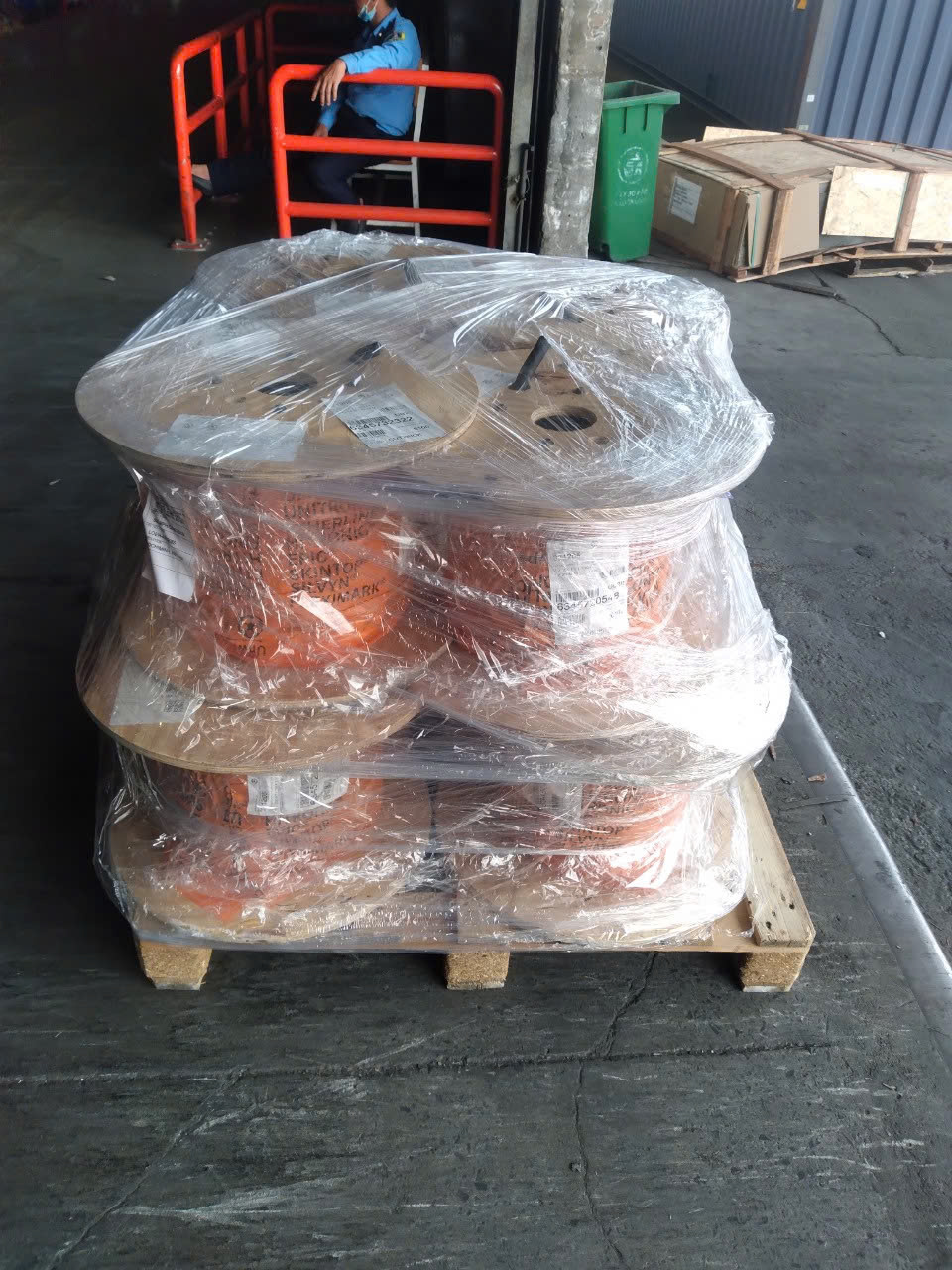
A bonded warehouse is a warehouse or storage area officially recognized under applicable regulations. It is used to store goods that have completed export customs procedures or goods arriving from overseas and awaiting importation into Vietnam or re-export to a third country. Goods and activities involving the movement of goods into and out of the warehouse are subject to customs supervision.
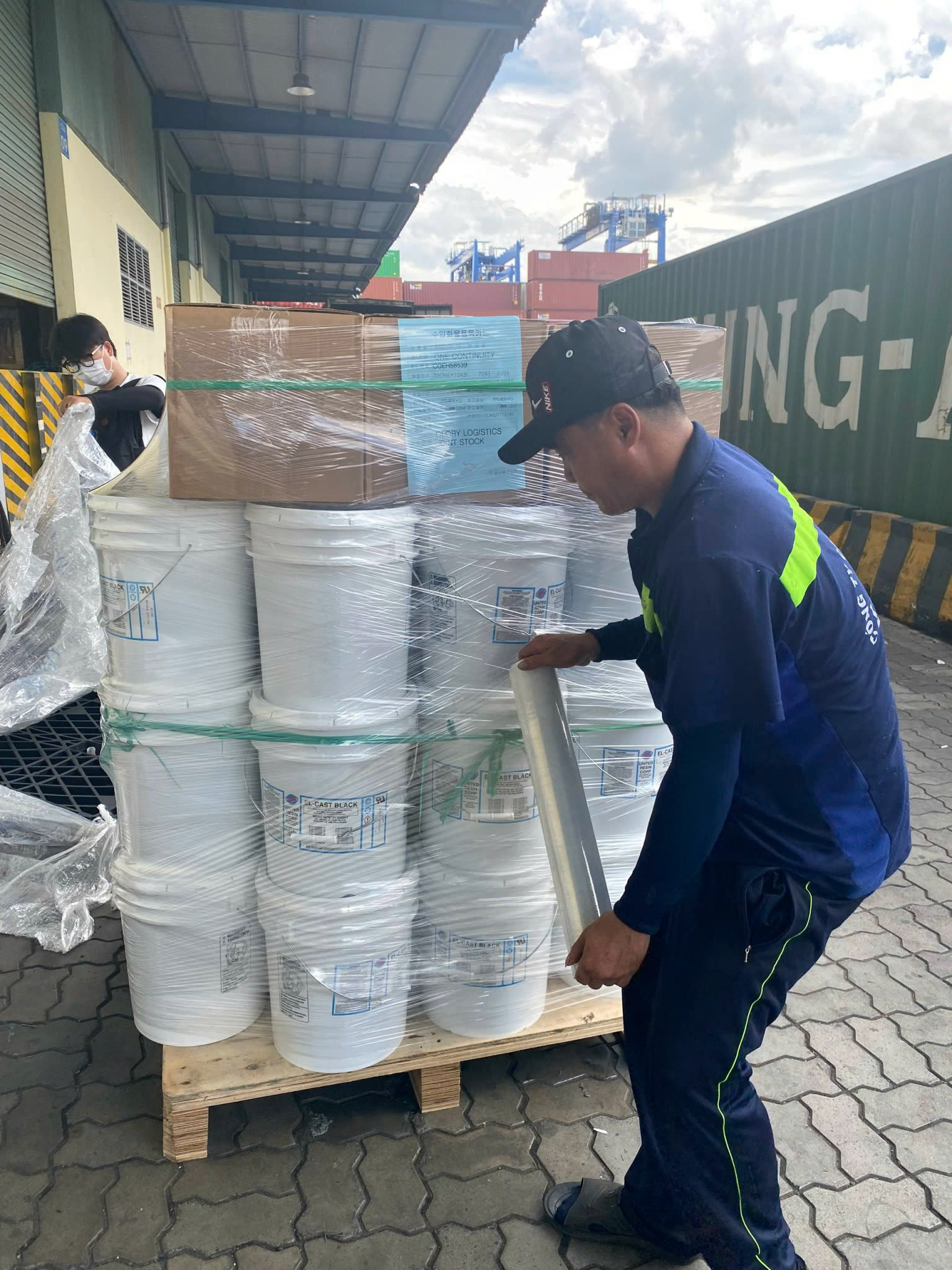
Permitted operations include reinforcing, repackaging, packing, consolidating, sorting, maintaining, and sampling goods. Cargo owners or their authorized representatives must notify the customs authority responsible for the warehouse in advance. A bonded warehouse is not a facility for unrestricted manufacturing or processing. citeturn479025search4turn611254search0
- CFS Warehouse: Consolidating, deconsolidating, and handling LCL cargo.
- ICD: Inland container depots, freight forwarding hubs, and domestic logistics.
- Duty-suspension warehouse: Storing imported raw materials used to manufacture export goods.
- Commercial warehouse: Storing goods under ordinary commercial contracts without automatically being subject to customs supervision.
Cargo owners are responsible for their goods, while warehouse operators manage storage and inventory. Customs brokers handle declarations under authorization, and transport providers carry out cargo delivery and receipt.
1.2. Eligible Goods and Storage Duration
Commonly accepted goods include foreign goods awaiting importation, goods awaiting re-export or transfer to a third country, and domestically sourced goods that have completed export customs procedures. Counterfeit goods bearing Vietnamese trademarks or Vietnamese-origin labels, goods hazardous to people or the environment, and goods prohibited or temporarily suspended from import or export are not permitted, except in specially authorized cases.
Goods subject to quarantine, licensing, or specialized inspections must meet the corresponding requirements. Dangerous and perishable goods require warehouses with adequate preservation capabilities.
As of November 2026, goods may be stored for a maximum of 12 months from the date they enter the warehouse. In cases involving legitimate reasons, the customs authority managing the warehouse may grant one extension of no more than 12 additional months. Storage deadlines must be monitored carefully. Amended regulations taking effect on March 1, 2027, should be reviewed for transactions conducted after that date. citeturn437748search0turn437748search3
Select a warehouse based on location, capacity, storage conditions, lifting equipment, inventory management, and transport connectivity.
2. Warehouse Rental Procedures and the Process of Receiving, Storing, and Releasing Goods

2.1. Warehouse Rental Documents and Required Paperwork
The contract should specify the goods description, quantity, CBM, packaging, storage period, preservation conditions, fee schedule, and responsibilities in cases of shortages or damage. It should also clearly establish inbound and outbound handling fees and procedures for overdue goods.
Imported goods generally require an Invoice, Packing List, Bill of Lading/Air Waybill, foreign trade contract, and specialized permits where applicable. Domestic export goods require an export customs declaration, transport document, and delivery and receipt records.
Before dispatching vehicles, verify the goods description, expected HS code, origin, quantity, number of packages, Gross Weight, container, and seal. A warehouse rental contract does not replace customs declarations or customs documentation. Goods may only be received after the relevant procedures have been completed. citeturn611254search0turn479025search3
2.2. Warehousing Process from Goods Receipt to Release
- Step 1: Determine the goods category, HS code, origin, CBM, storage conditions, and warehouse release plan.
- Step 2: Finalize the storage location, duration, fee schedule, services, and contractual responsibilities.
- Step 3: Prepare documentation, submit warehouse entry declarations, and coordinate with the warehouse, transport providers, and customs authorities.
- Step 4: Count, weigh, measure, and inspect packaging and seals; prepare inspection records and warehouse receipt documents.
- Step 5: Track batch codes, storage locations, and inventory quantities. Only handle goods within the permitted scope of operations.
- Step 6: Determine whether the goods will be re-exported or imported domestically, submit warehouse release declarations, and complete the required procedures.
- Step 7: Arrange transportation to the seaport, airport, or consignee; reconcile the actual released goods and retain all records.
Standardize units of measurement and conversions between packages, pallets, and CBM. Record all changes to ensure warehouse data matches the documentation.
3. Storage Costs, Tax Obligations, and Logistics Solutions

3.1. Types of Fees and How to Prepare a Cost Estimate
There is no universal rate applicable to every shipment. Costs depend on warehouse type, charging method, storage duration, cargo characteristics, preservation requirements, and the number of handling operations. Request an itemized quotation.
| Charge Item | Charging Method | Items to Confirm |
|---|---|---|
| Cargo Storage | m², pallets, CBM, tons/day | Measurement Unit and Charging Period |
| Yard/Container Storage | Containers/day, storage area | Container type and free storage period |
| Inbound – Outbound Handling | Per operation, package, pallet, or ton | Lifting, loading, and unloading fees |
| Additional Services | As requested | Packaging, labeling, and refrigerated storage |
Estimate costs based on quantity, Gross Weight, CBM, storage days, and inbound and outbound handling operations. Include warehouse fees, handling charges, transportation, customs declarations, and taxes. Only use official quotations when preparing a budget.
Distinguish warehouse fees from CFS, Storage, DEM, and DET charges. Storage refers to cargo storage fees at the port. DEM applies when a container remains inside the port beyond the free time, while DET applies when a container is retained outside the port beyond the free time. Confirm the charging entity and applicable calculation periods.
3.2. Taxes, HS Codes, and Choosing a Transportation Solution
When goods enter the Vietnamese domestic market, cargo owners must complete import procedures under the applicable customs regime. The actual import time is when customs confirms that the goods have been released from the warehouse. Bonded storage does not automatically mean tax exemption. Re-exported goods must undergo warehouse release procedures and appropriate transportation arrangements. citeturn611254search1
Taxes are determined based on the HS code, customs value, country of origin, and applicable policies at the time the customs declaration is registered. HS classification is based on composition, structure, function, and technical documentation. A Certificate of Origin (C/O) qualifies for preferential treatment only when the applicable rules of origin and documentary requirements are satisfied.
Compare domestic importation and re-export options based on total costs, time, and contractual requirements. Incoterms 2026 (FOB, CFR, CIF, DAP) allocate costs and risks between sellers and buyers but do not replace customs regulations.
Choose FCL, LCL, or air freight based on weight, CBM, container quantity, and delivery schedules. Coordinate international ocean freight with domestic transportation providers to reduce waiting times.
4. Bonded Warehousing and Storage Solutions with G-LOGS JSC
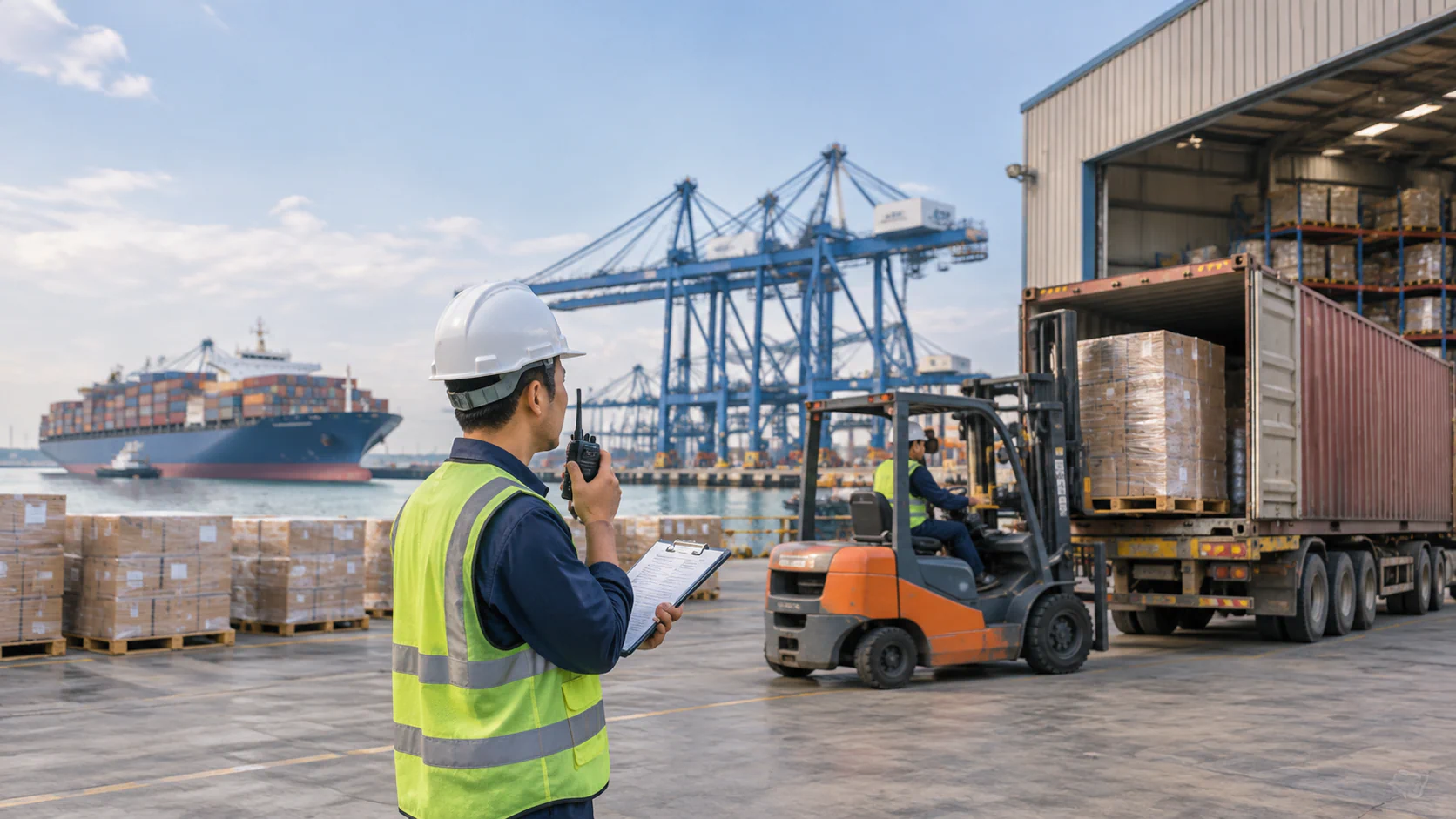
G-LOGS JSC has more than 10 years of experience in FCL/LCL ocean freight, air freight, customs declarations, and domestic container transportation. The company provides warehouse rental solutions and coordinates with warehouse operators.
G-LOGS supports document reviews and cross-checks goods descriptions, HS codes, origins, quantities, weights, and CBM. The company coordinates warehouse receiving, cargo inspection, inventory tracking, warehouse release, and comprehensive customs clearance procedures as agreed.
To develop a logistics plan and cost estimate, cargo owners should provide:
- Goods description, intended use, expected HS code, origin, and cargo condition.
- Quantity, number of packages, Gross Weight, dimensions, CBM, and packaging.
- Storage conditions, port of entry, and expected storage duration.
- Destination market and the intended domestic import or re-export arrangement.
G-LOGS consolidates FCL/LCL or air freight rates, warehouse fees, loading and unloading charges, customs declaration fees, taxes, and end-to-end transportation costs. Policy updates are available at Customs Department, with industry information from Vietnam Logistics Business Association (VLA).
Choosing the right warehouse model and controlling storage periods and costs help reduce risks. Contact G-LOGS for further clarification what a bonded warehouse is or consultation on warehouse rental, FCL/LCL, air freight, and customs declarations.
G-LOGISTICS TRADING AND SERVICES JOINT STOCK COMPANY (G-LOGS JSC)
Address: 4th Floor, Coalimex Building, 29–31 Dinh Bo Linh Street, Binh Thanh Ward, Ho Chi Minh City, Vietnam.
Phone: (84) 28 3511 5354/5455
Email: info@g-logs.com
Website: www.g-logs.com