 EN
 VI
 ZH
For importers, transporting containers from the port to the factory involves a series of tasks related to documentation, customs clearance, truck dispatch, and empty container returns. At Hai Phong Port, identifying the correct terminal and monitoring free-time deadlines directly affect cargo delivery schedules and logistics costs. The process must be prepared before the vessel arrives.
1. Hai Phong Port: Port Terminal System and Cargo Handling Conditions
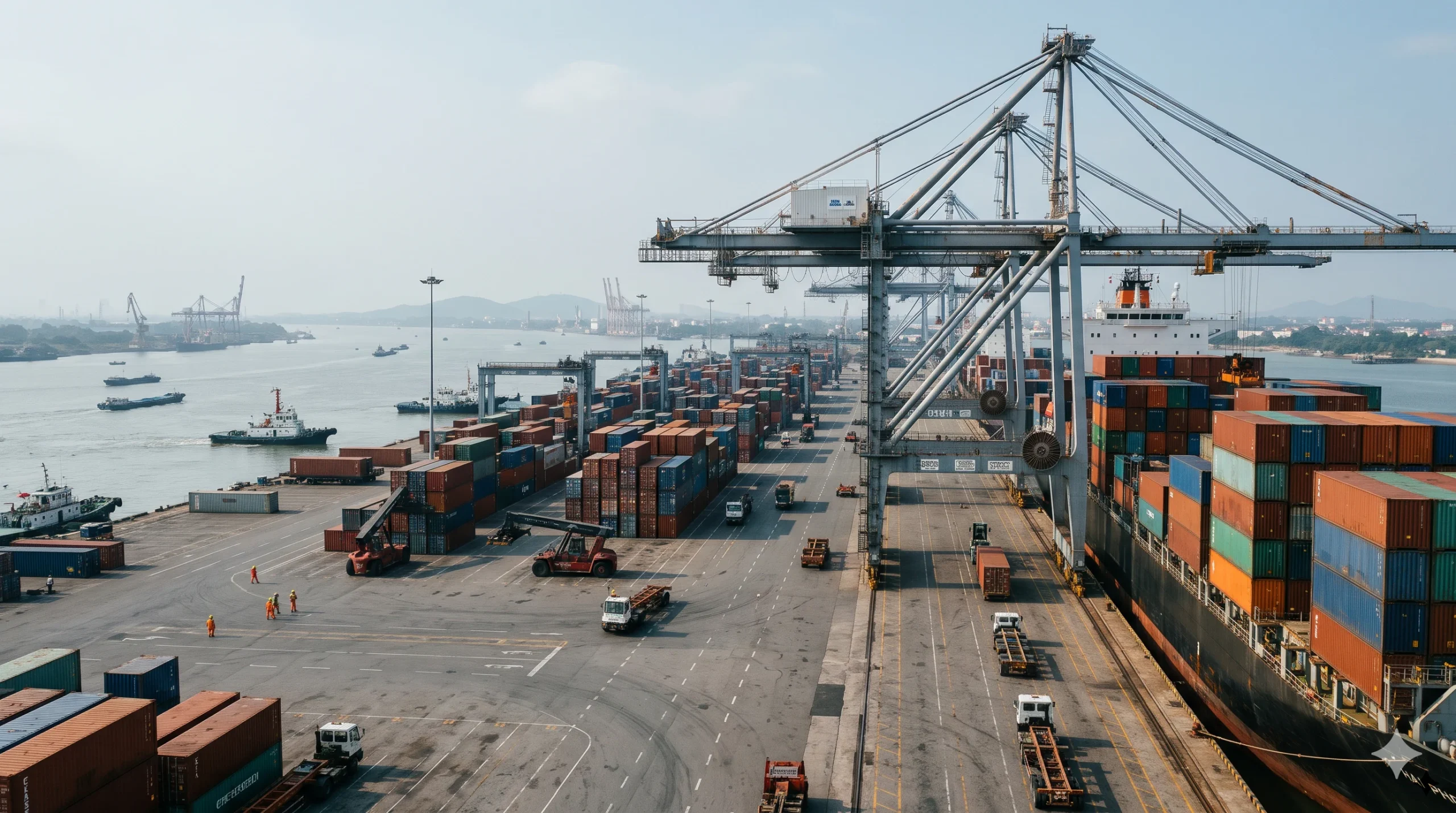
1.1. Distinguishing Terminals and Identifying the Correct Cargo Pickup Location
Container handling areas include Hoang Dieu, Chua Ve, Dinh Vu, Tan Vu, Nam Dinh Vu, and Lach Huyen. Each location has its own operational functions. A seaport refers to the maritime infrastructure area; a port terminal receives vessels and cargo; a container terminal handles containers; an ICD is an inland container depot; and a depot typically handles or stores empty containers.
The actual cargo pickup location must be determined based on the Arrival Notice, Bill of Lading, Delivery Order (D/O), and shipping line notification. Before arranging trucks, cross-check the Booking Confirmation, shipping route, container type, and factory address. FCL shipments are generally delivered as full containers, while LCL shipments are usually collected from a CFS warehouse after cargo consolidation or deconsolidation and do not follow the full-container transportation procedure.
1.2. Checking Containers and Factory Receiving Capacity
Check whether the container is 20 feet, 40 feet, or 40 feet High Cube, along with its container number, seal, Gross Weight, and cargo weight. Dry containers are used for general cargo; Reefer containers require temperature and power supply control; Open Top and Flat Rack containers are used for specialized cargo. The tractor unit, chassis, and lifting equipment must be suitable.
Inspect the access road to the factory, road and bridge weight limits, vehicle clearance height, turning radius, and container unloading area. Confirm warehouse receiving hours, personnel responsible for breaking the seal, cargo unloading arrangements, and free-time deadlines. DEM is generally charged when a container remains at the port beyond the allowed period; DET applies when a container is used outside the port beyond the allowed period; Storage is a yard storage fee collected by the port.
2. Import Container Handling Procedures and Transportation to the Factory
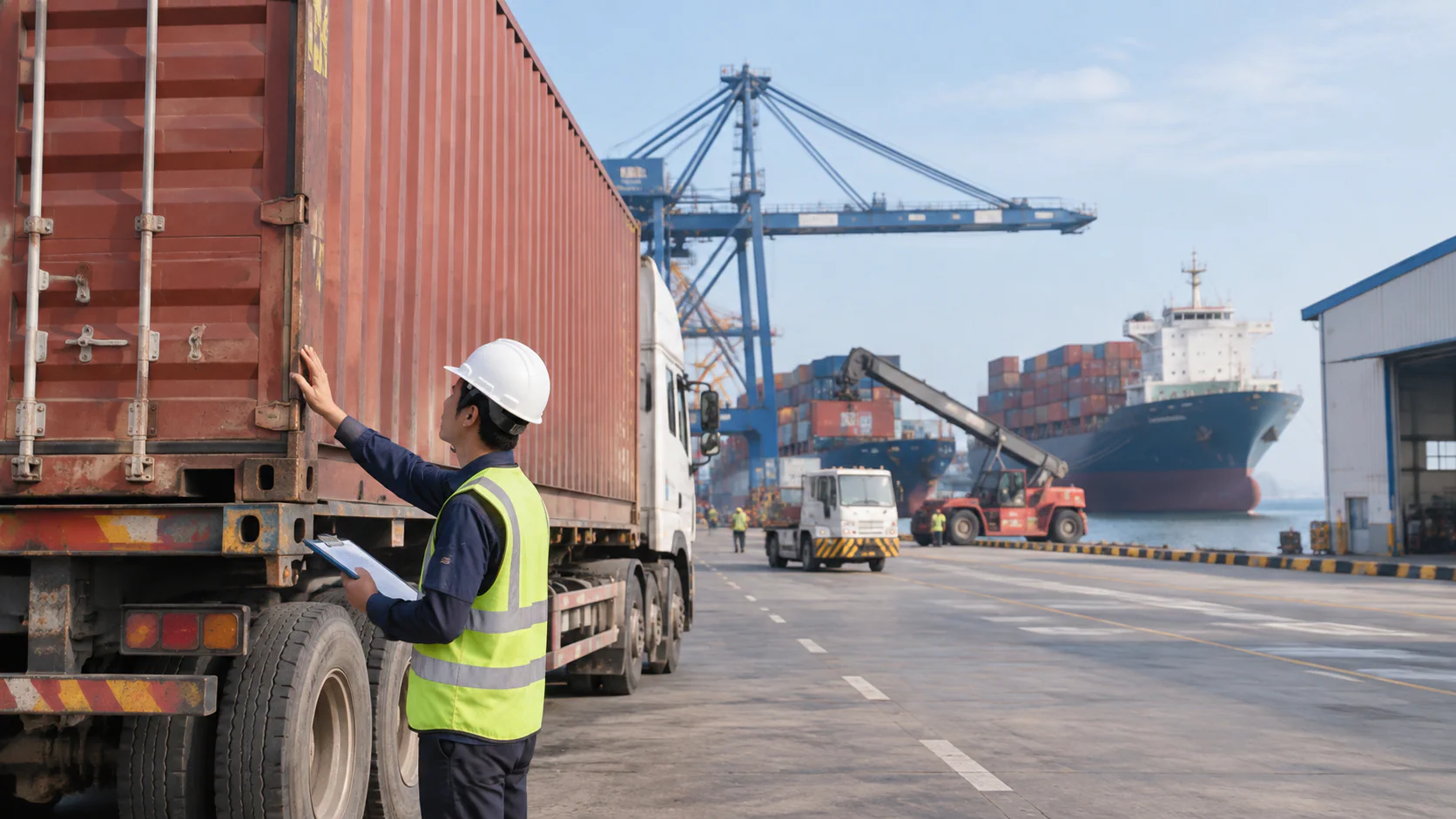
2.1. Preparing Documents, Customs Clearance, and Obtaining the Delivery Order
Cross-check the Arrival Notice, Bill of Lading, D/O, Commercial Invoice, Packing List, and C/O, if applicable. Verify the consignee, bill of lading number, vessel/voyage, container number, seal, cargo description, and quantity. If discrepancies are found, request corrections from the issuing party before making the customs declaration or collecting the cargo.
Before submitting the customs declaration, determine the HS code, product import policies, required licenses, and specialized inspection requirements. Import duties on machinery and equipment and VAT depend on the HS code, country of origin, customs value, applicable tariff schedule, and valid C/O. Catalogues, intended uses, and technical specifications support cargo classification.
For customs procedures involving imported machinery and equipment, determine their intended use, technical specifications, new or used condition, and import purpose. The import procedures for 100% brand-new machinery and equipment are not automatically exempt from taxes or licensing requirements; these must be checked according to the HS code. For customs procedures involving goods manufactured for export, manage declaration types, raw materials, consumption norms, and inventory records for final settlement.
Electronic customs declarations are classified into green, yellow, or red channels. Businesses must pay taxes, provide additional documents, or undergo physical inspections. Goods may only be removed from the customs supervision area once all requirements have been satisfied. Afterward, obtain the D/O and check its validity and the designated empty container return depot. Refer to the regulations Ministry of Industry and Trade and guidelines of the Vietnam Logistics Business Association (VLA).
2.2. Truck Dispatch, Factory Delivery, and Empty Container Returns
Step 1 – Confirming Cargo Pickup: Check customs clearance status, D/O, port charges, container number, seal, location, and pickup schedule with the terminal. Dispatch trucks only after all conditions have been confirmed to avoid delays caused by documentation issues, unpaid charges, or cargo release status.
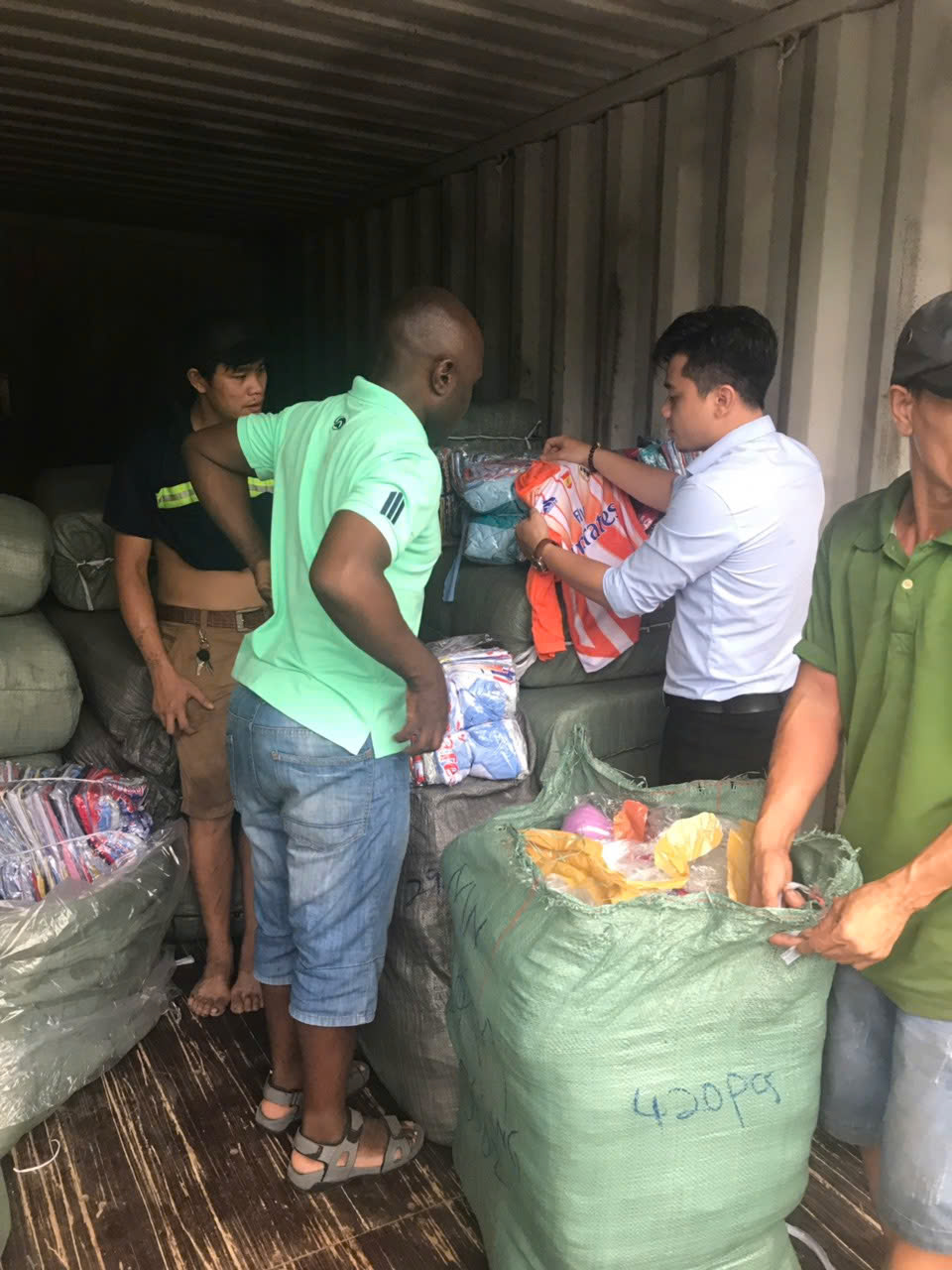
Steps 2 and 3 – Truck Dispatch and Container Collection: Select a suitable tractor unit, chassis, and driver, and register according to port procedures. Upon collection, inspect the container number, seal, and container condition. Record the details on the Equipment Interchange Receipt (EIR), take photographs, and prepare a damage report before leaving the port.
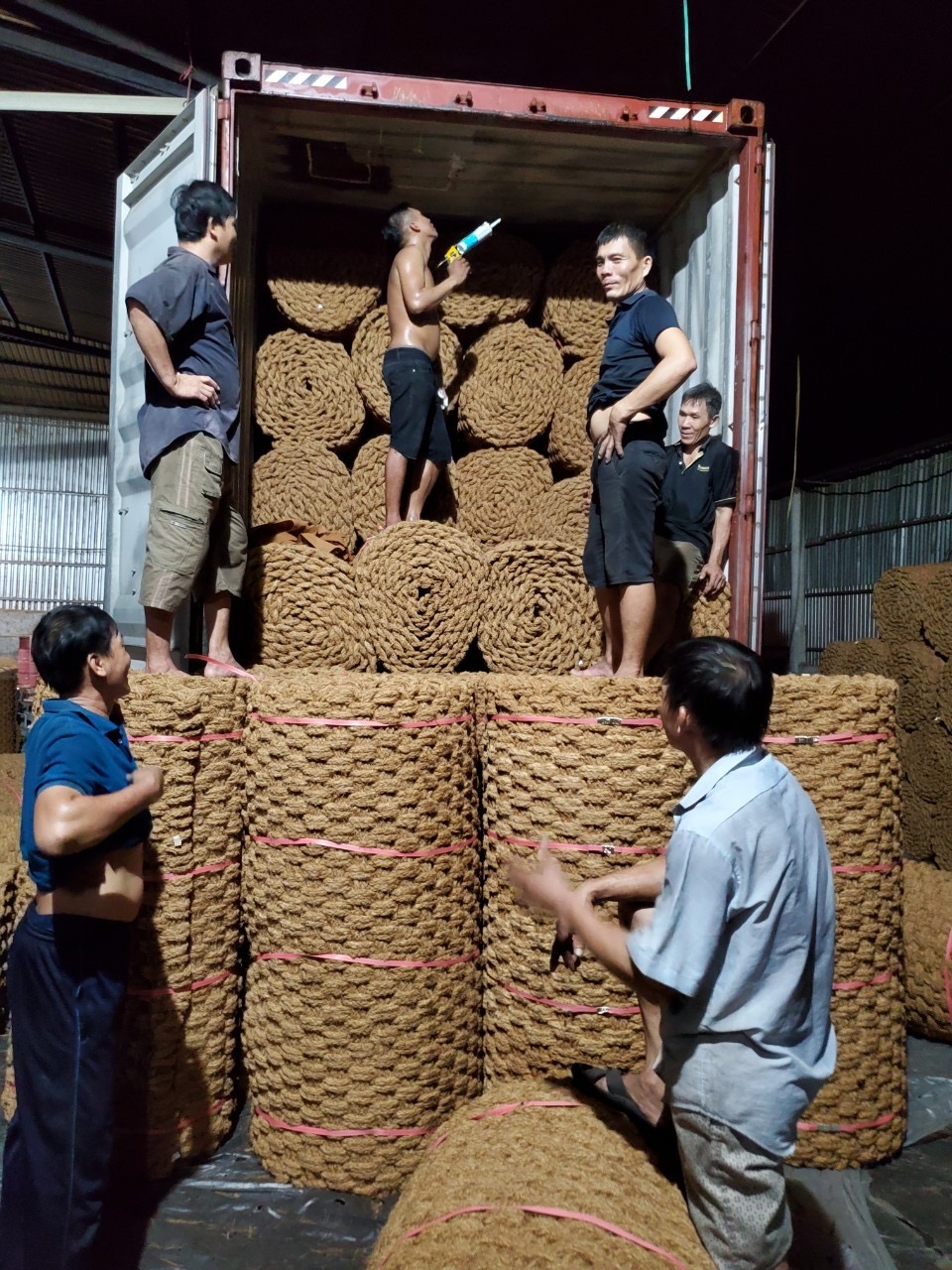
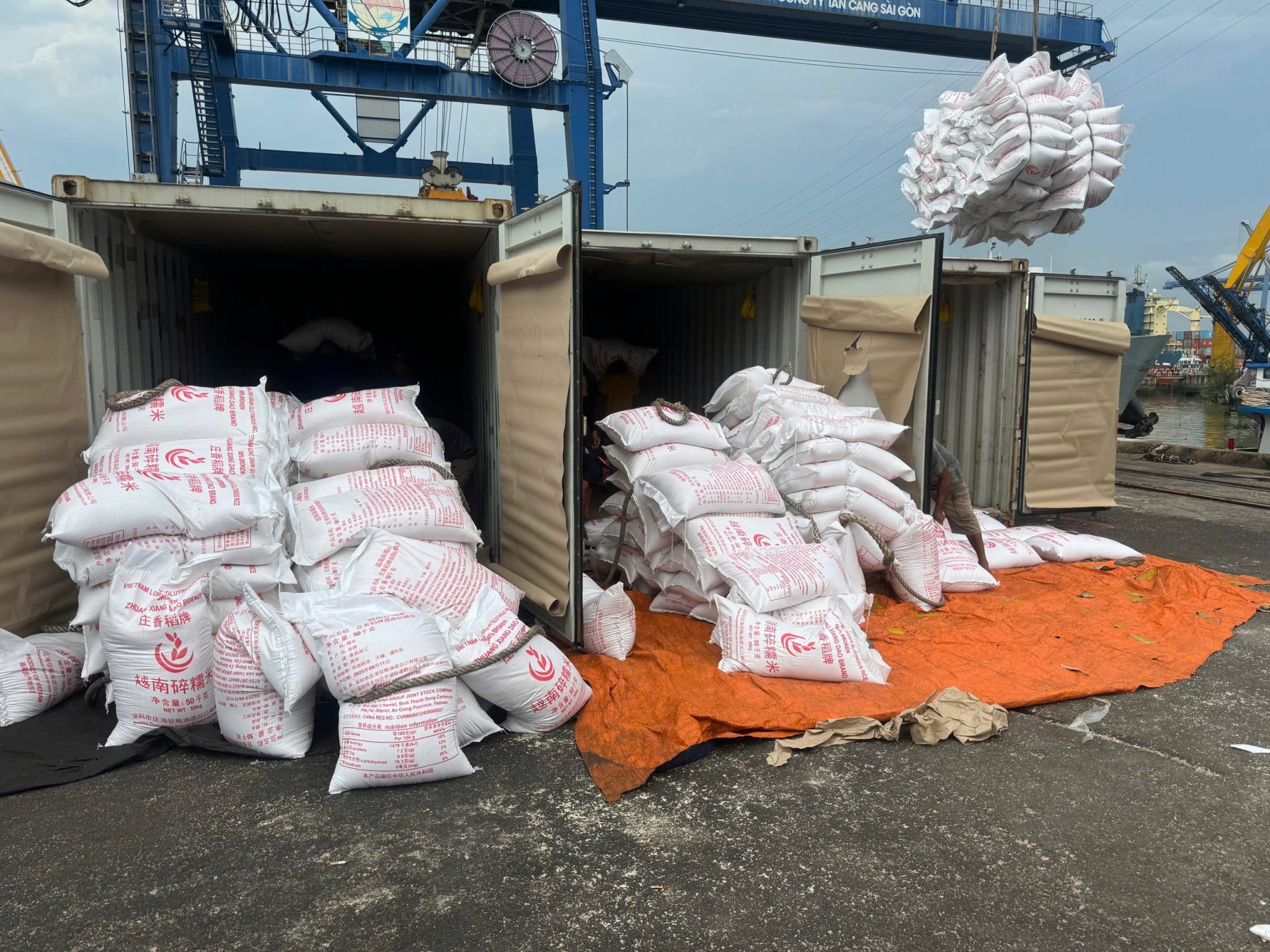
Steps 4 and 5 – Cargo Delivery and Empty Container Return: At the factory, verify the seal, lifting and unloading arrangements, and the person in charge. Prepare a handover report documenting the cargo quantity and condition. After unloading, clean the container, return it to the designated depot, and obtain the empty return EIR. Keep the D/O, pickup and return EIRs, and handover records.
3. Container Transportation Costs and Additional Risk Management
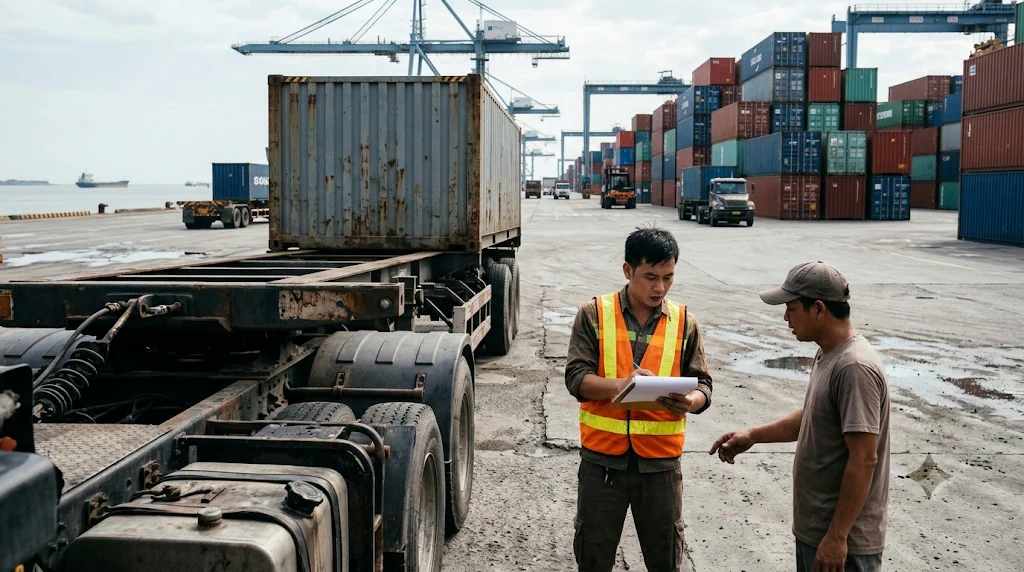
3.1. Cost Structure and Budget Estimation Methods
Port and shipping line charges may include THC, D/O fees, documentation fees, container cleaning, handling, storage, and local charges. Rates depend on the shipping line, terminal, container type, and applicable tariff schedule at the time of shipment. Quotations should clearly separate included charges, disbursements, and potential additional costs.
The transportation cost for 20-foot or 40-foot containers depends on the route, tractor unit, cargo weight, pickup time, road access, waiting time, loading and unloading operations, and empty container return depot. If the depot is in a different direction from the delivery location, clarify the empty running surcharge. The total budget includes international FCL/LCL freight or air freight, taxes, customs clearance, local charges, domestic trucking, handling, and contingency costs for container storage.
DEM is the container storage charge at the port after the free-time period expires; DET is the charge for using a container outside the port beyond the permitted period; Storage is the yard storage fee collected by the port. Confirm the calculation start time, number of free days, and collecting party according to the booking, shipping line, and terminal. Incoterms 2026, such as EXW, FOB, CFR, CIF, and DAP, allocate responsibilities according to the designated locations specified in the contract.
3.2. Common Risks and Measures to Control Delivery Schedules
Cargo pickup delays are commonly caused by incorrect documents, incomplete customs clearance, missing permits, unpaid local charges, expired D/O, or the terminal not having confirmed cargo release. Dispatching trucks before confirming the cargo status may result in waiting time or canceled trips. DEM/DET charges may also arise when the factory is not ready, trucks are unavailable, unloading takes too long, or containers are returned to the wrong depot.
Monitor the shipping line's and port's free-time deadlines. Cross-check container numbers, seals, weights, and container conditions during pickup and return. If damage or shortages are discovered, immediately prepare a report with supporting photographs. Track the delivery schedule through ETA, customs declaration submission, customs clearance, container pickup, factory delivery, cargo unloading, and empty container return, allowing sufficient contingency time.
4. Container Handling and Transportation Services to Factories with G-LOGS JSC
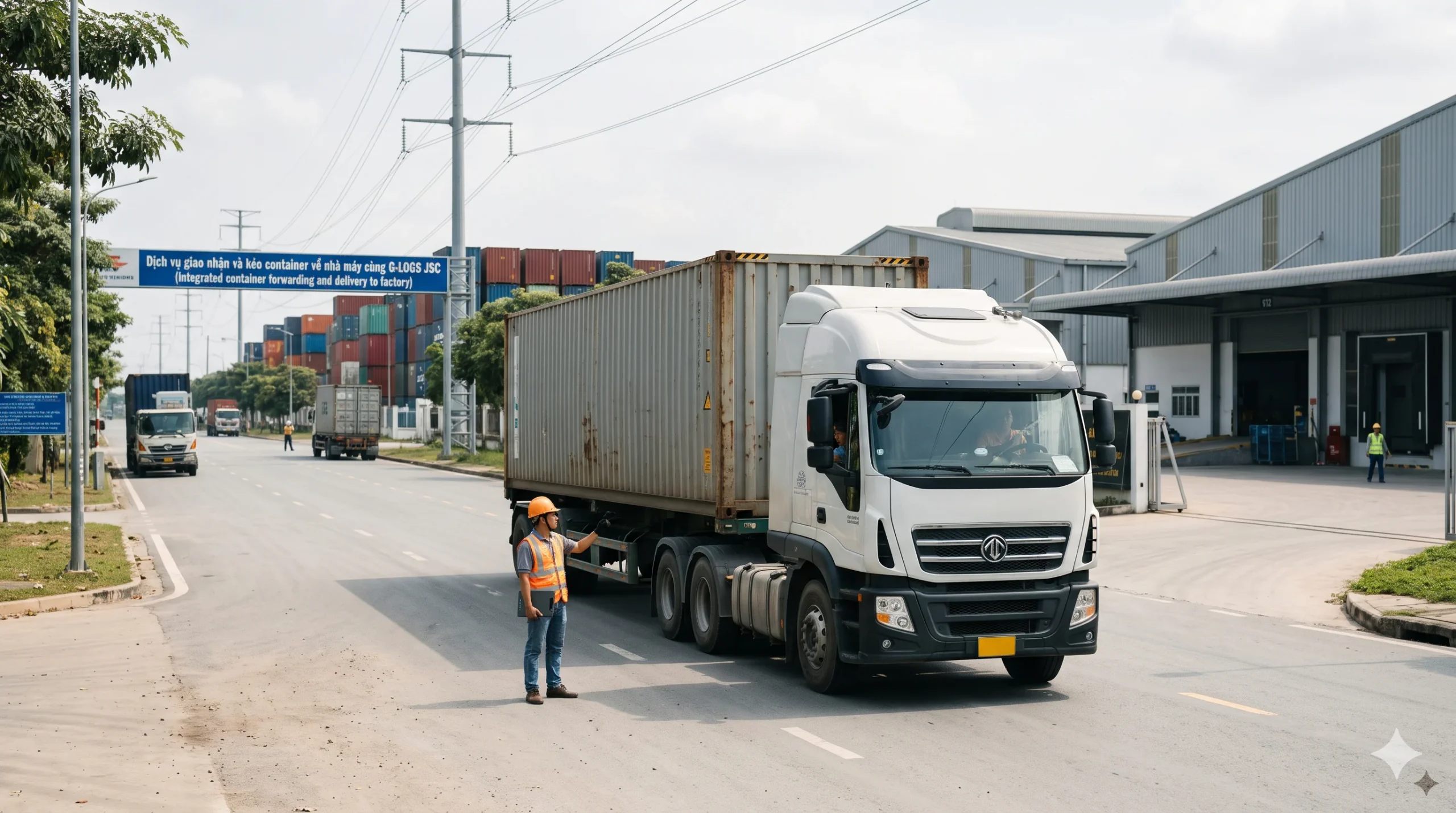
G-LOGS JSC has over 10 years of experience in FCL/LCL sea freight, air freight, customs declarations, and domestic container transportation. The company can coordinate document reviews, customs clearance consulting, cargo pickup at terminals, and container delivery to factories under a single operational plan.
Before cargo arrives at the port, G-LOGS assists with reviewing documents, HS codes, product policies, taxes, and customs clearance requirements. The company also coordinates the processing of documentation for machinery or production materials. Customers can combine these services comprehensive customs clearance procedures with international and domestic transportation to reduce the number of service providers, monitor progress, and control costs.
Quotations are based on the terminal, container type, weight, factory address, receiving hours, and empty container return depot. Provide the cargo description, HS code, import type, bill of lading number, and expected pickup time to determine freight rates, port charges, and surcharges. For shipments through Hai Phong Port, contact G-LOGS for FCL/LCL, air freight, and customs declaration consulting services.
G-LOGISTICS TRADING AND SERVICES JOINT STOCK COMPANY (G-LOGS JSC)
Address: 4th Floor, Coalimex Building, 29–31 Dinh Bo Linh Street, Binh Thanh Ward, Ho Chi Minh City, Vietnam.
Phone: (84) 28 3511 5354/5455
Email: info@g-logs.com
Website: www.g-logs.com