 EN
 VI
 ZH
In international sea freight, the total cost of a shipment includes not only ocean freight but also various surcharges at both the port of origin and the destination port. Understanding what the THC fee is helps businesses interpret quotations correctly, identify the scope of services, and minimize unexpected expenses beyond their budgets when importing and exporting goods.
1. What Is the THC Fee? How to Calculate Container Handling Charges at Seaports
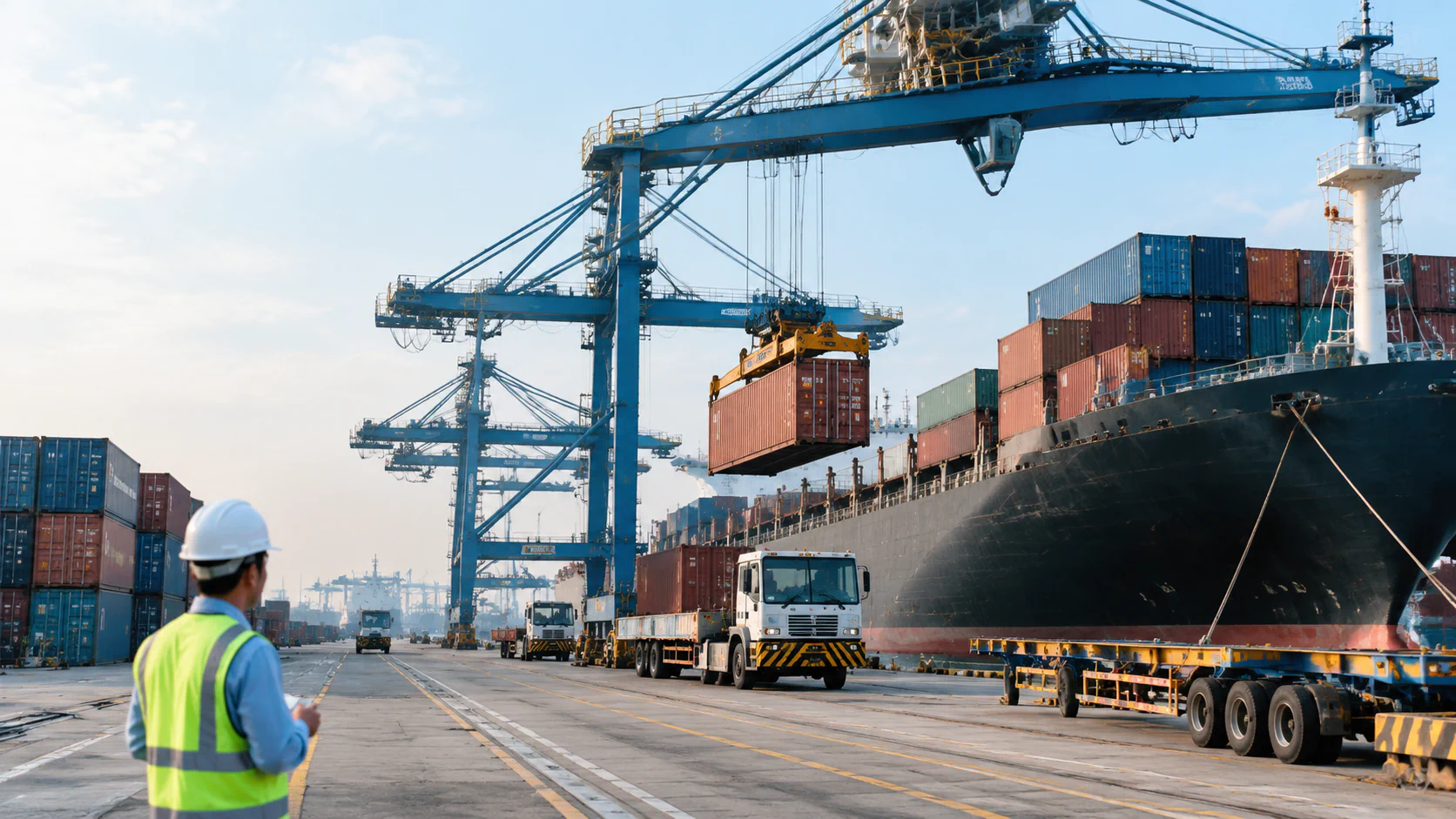
1.1. Definition of THC and Cost Scope in FCL/LCL Shipping
THC (Terminal Handling Charge) is a port or container terminal handling surcharge associated with container loading, unloading, and handling activities within the applicable service scope. This charge is usually listed separately in quotations by shipping lines or transportation providers, but its collection method and amount depend on the shipping route, port, shipping line, and contractual terms.
Origin THC (THC at Origin) applies at the port of departure, while Destination THC (THC at Destination) applies at the arrival port. For FCL shipments, the fee is generally quoted per 20-foot or 40-foot container. For LCL shipments, handling charges may be allocated based on weight, volume, or the pricing rules of the freight consolidator. Businesses should verify the actual billing unit rather than assuming that both service types follow the same charging method.
THC is not the same as Ocean Freight, storage charges, or container detention charges. Ocean freight covers transportation between ports; storage charges relate to the time cargo or containers remain in the terminal yard under the applicable tariff; container detention charges may arise when equipment is used beyond the free time allowance. These charges must be distinguished when preparing a logistics budget.
1.2. How to Verify THC Charges in Quotations and Allocate Payment Responsibilities
When receiving a quotation, check three separate categories: Origin Charges, Ocean Freight, and Destination Charges. Verify whether THC is already included in the all-in price, which container types the fee applies to, the payment currency, validity period, and exclusion conditions. Two quotations with different ocean freight rates may not necessarily have different total costs if one includes surcharges while the other lists them separately.
Payment responsibilities must be determined according to the agreed Incoterms 2026 rules, the sales contract, and the actual transportation contract. For FOB, CFR, CIF, or FCA shipments, businesses should not rely solely on the Incoterms designation to conclude that a specific THC charge must be paid by a particular party. Instead, they should review the actual cost coverage and agreements at each point of delivery and receipt.
For example, Quotation A offers an ocean freight rate of USD 800 per container, including Origin THC, while Quotation B offers a rate of USD 750 but charges an additional USD 80 for Origin THC. If all other conditions are equivalent, the respective total costs under consideration are USD 800 and USD 830. Therefore, standardize the service scope before selecting a shipping provider.
2. Distinguishing Four Types of Shipping Line Surcharges: CIC, LSS, D/O, and DEM/DET
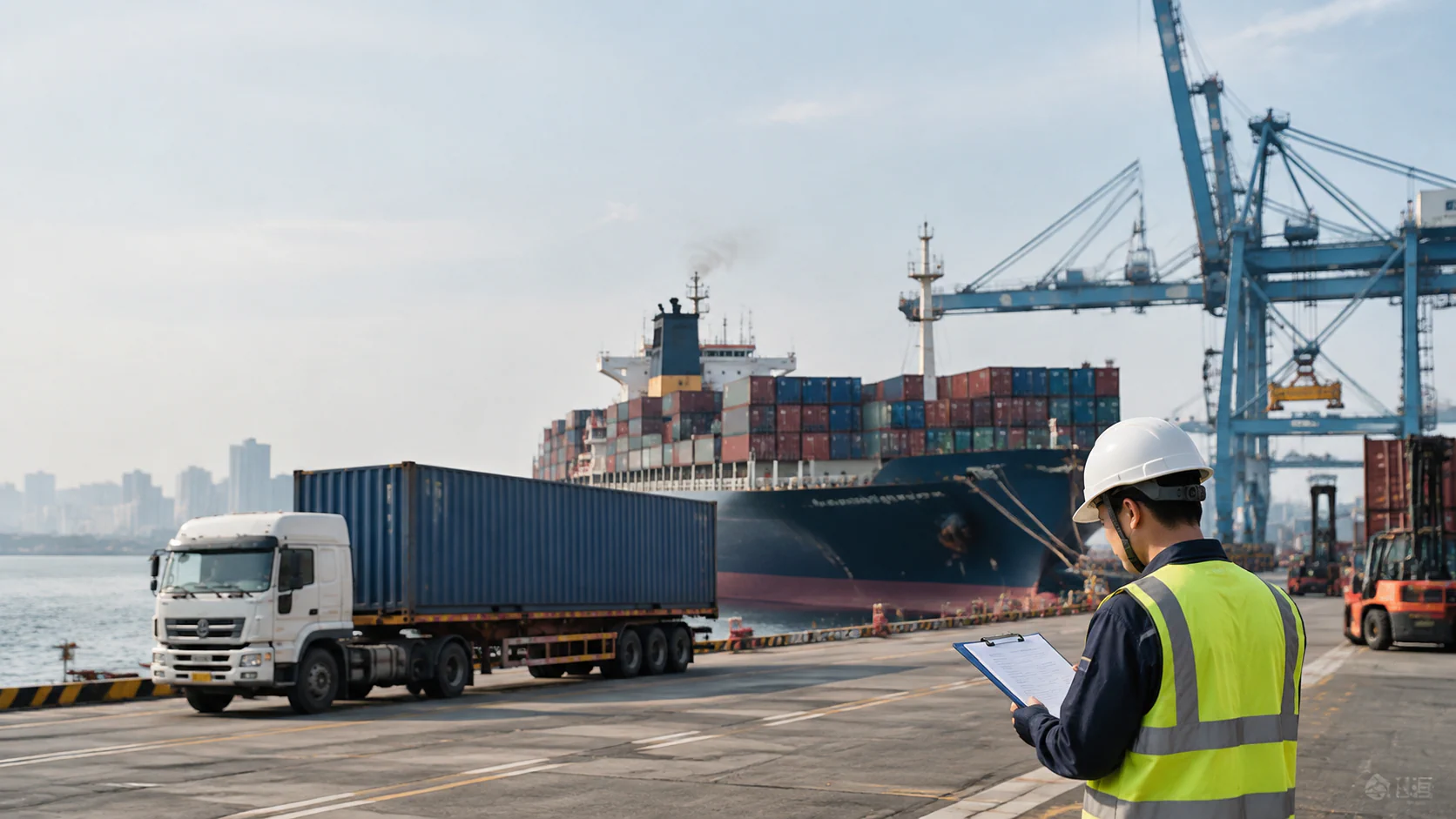
2.1. CIC and LSS Fees: Container Imbalance and Low-Sulfur Fuel Surcharges
CIC (Container Imbalance Charge) is a surcharge associated with container imbalances between regions and may be intended to offset the costs of repositioning empty containers. Its application depends on the shipping route, equipment availability, shipping line, and operating period. Not every shipment is subject to the same CIC rate.
LSS (Low Sulphur Surcharge) is a surcharge related to the cost of fuel that meets sulfur emission limits applicable to certain shipping routes or transportation regions. Charging methods may vary between shipping lines and routes. Therefore, businesses should check the surcharge notices effective at the time of booking rather than relying on a fixed reference rate.
These two charges have different causes: CIC is associated with container equipment balancing, while LSS relates to fuel costs. When reviewing a quotation, identify which charges apply, whether they are calculated per container or another unit, whether they apply at origin or destination, and whether they are already included in the freight rate. Do not automatically add estimated charges to every shipment without confirmation from the transportation provider.
2.2. D/O and DEM/DET Fees: Cargo Release and Overdue Container Usage Charges
D/O (Delivery Order Fee) is a fee for issuing or processing a delivery order at the destination according to the procedures of the shipping line or issuing party. Before making payment, businesses should verify the collecting party, required documents, delivery order collection method, and any outstanding charges that must be settled before cargo release.
DEM (Demurrage) generally refers to charges for using containers beyond the free time allowance within the port or terminal. DET (Detention) generally relates to keeping containers outside the port beyond the permitted period before returning them empty. However, the specific definitions, calculation start dates, and applicable scope must be based on the shipping line's tariff and conditions. Storage charges collected by the port are separate fees and should not automatically be considered equivalent to DEM or DET.
Free Time is the period during which container usage is provided free of charge under the confirmed shipment conditions. Businesses should verify the number of free days, start and end times, day-counting rules, holidays if relevant provisions apply, and progressive charging rates. This information should be confirmed in the booking or Arrival Notice to ensure proper planning for cargo collection and empty container returns.
Common causes of DEM/DET charges include customs clearance delays, missing documents, unavailable trucking arrangements, unprepared receiving warehouses, or late empty container returns. Therefore, controlling timelines and delivery schedules is just as important as negotiating the initial ocean freight rate.
3. Surcharge Control Process from Receiving a Quotation to Cargo Collection

3.1. Checklist for Verifying Surcharges and Documents Before Confirming a Booking
Before requesting a quotation, businesses should prepare complete information about the port of origin, destination port, shipping route, FCL/LCL type, container size, cargo characteristics, estimated schedule, and applicable Incoterms. Accurate data helps freight forwarders determine the correct service scope and minimizes the risk of missing necessary charges in the quotation.
Request a quotation that clearly specifies THC, CIC, LSS, D/O, DEM/DET, and other applicable surcharges. Each charge should include its billing unit, currency, collecting party, validity period, conditions triggering the charge, and whether it is included or excluded. After confirmation, retain the quotation, booking confirmation, service contract, and relevant surcharge notices as supporting documents for reconciliation.
At the destination, check the Arrival Notice, bill of lading, payment requirements, and documentation required for delivery order collection. At the same time, prepare the Commercial Invoice, Packing List, customs declaration, and any specialized permits or documents if the goods are subject to regulatory control. Businesses can refer to the publicly available guidelines of General Department of Vietnam Customs to check procedural requirements for each specific case.
3.2. Methods for Reducing Additional Costs and Reconciling Shipping Line Invoices
Create a tracking sheet for key milestones, including ETA, Arrival Notice receipt date, customs clearance completion time, cargo collection, and empty container return. Assign clear responsibilities for each task and coordinate in advance with domestic transportation providers and receiving warehouses to reduce the risk of exceeding Free Time.
Before the cargo arrives, businesses should review the expected HS code, product import policies, permits, and tax obligations. Where appropriate, they can prepare documentation and coordinate customs clearance in advance to shorten processing times. Guidelines from the Vietnam Logistics Business Association (VLA) can also help businesses stay updated on industry knowledge, but specific legal requirements must still be verified with the competent authorities.
Upon receiving an invoice, reconcile each charge against the confirmed quotation, container quantity, actual timelines, chargeable days, and applicable tariff. If there are discrepancies in billing units, time calculations, or charges that have not been clearly explained, request supporting documentation from the issuing party before completing reconciliation. Retain all emails, bookings, and payment documents to support complaint handling when necessary.
4. Sea Freight Surcharge Budgeting and Control Solutions with G-LOGS JSC

To control budgets, businesses should prepare a total cost breakdown for each shipment, separating ocean freight, THC, CIC, LSS, D/O, DEM/DET, and any other applicable origin and destination charges. The budget should clearly specify the currency, billing unit, quotation validity period, and assumptions used to avoid comparing options with different service scopes.
G-LOGS JSC supports businesses in evaluating international ocean freight based on FCL/LCL shipping arrangements, air freight requirements, and comprehensive customs declaration services, while also coordinating domestic container transportation when needed. The appropriate solution should be based on the shipping route, cargo characteristics, delivery schedule, and estimated total costs rather than simply selecting the lowest ocean freight rate.
When considering what the THC fee is, the most important factors are identifying the correct charging scope, checking applicable conditions, and comparing the total costs of the entire transportation journey. Not every surcharge can be eliminated, but advance confirmation, timely document preparation, and Free Time monitoring will help businesses manage their budgets more effectively. Contact G-LOGS JSC for consultation on FCL/LCL transportation, air freight, and customs declaration solutions tailored to your shipment.
G-LOGISTICS TRADING AND SERVICES JOINT STOCK COMPANY (G-LOGS JSC)
Address: 4th Floor, Coalimex Building, 29–31 Dinh Bo Linh Street, Binh Thanh Ward, Ho Chi Minh City, Vietnam.
Phone: (84) 28 3511 5354/5455
Email: info@g-logs.com
Website: www.g-logs.com