 EN
 VI
 ZH
In distribution and manufacturing operations, long-distance freight transportation depends not only on shipping rates but also on delivery and receipt times, load capacity, and connectivity between transshipment points. Understanding what multimodal transportation is helps businesses choose the right combination of road, rail, and waterway transport, thereby controlling costs and maintaining supply chain continuity.
1. Definition and Principles of Combining Domestic Transportation Modes
1.1. Definition, Characteristics, and Scope of Application
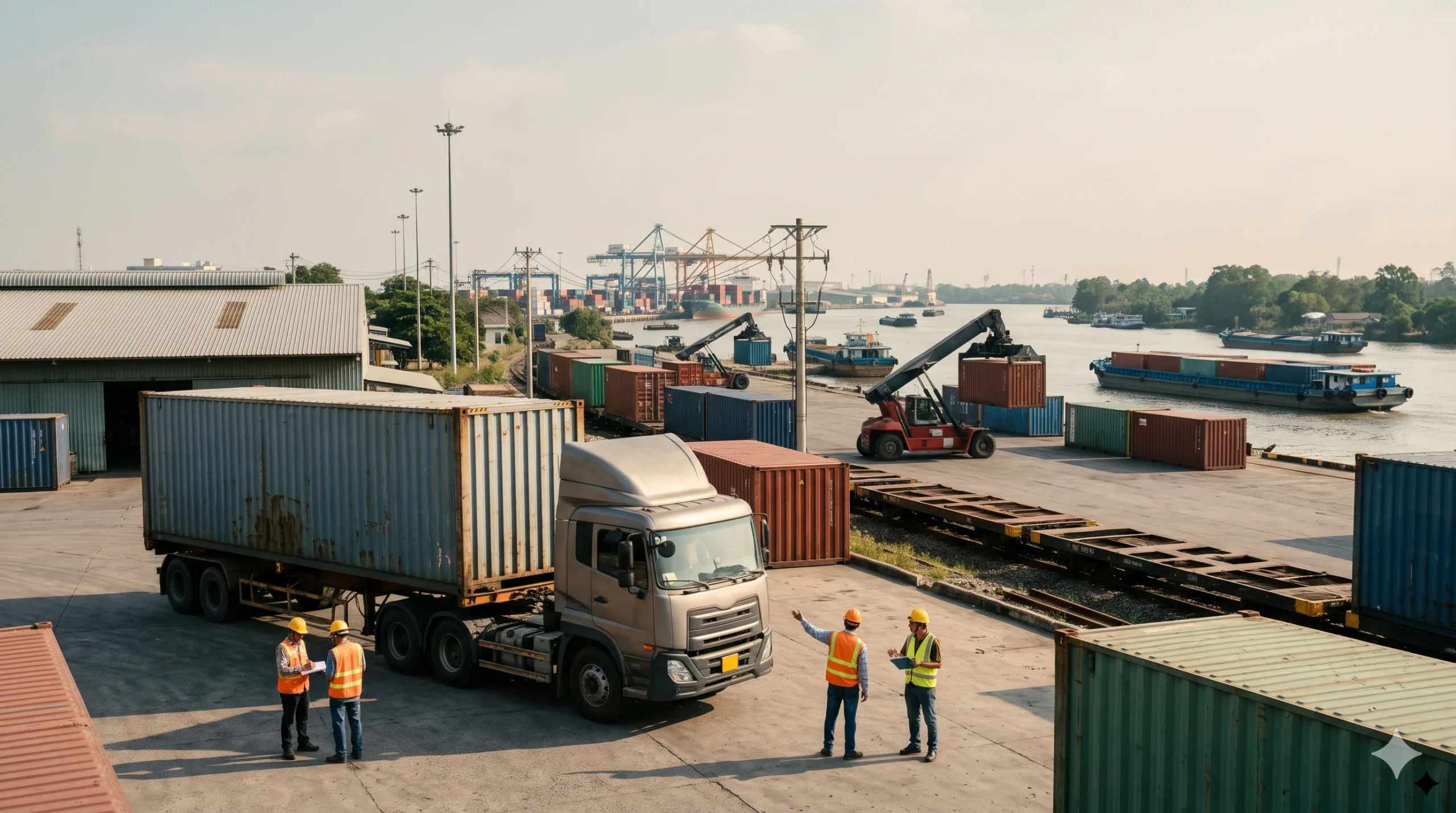
This is a form of freight transportation that uses two or more transportation modes within the same journey, organized according to a unified delivery and receipt plan. Goods can be transported by truck from a warehouse to a freight terminal, continue by rail, and then be delivered by truck to the final destination.
The key point is that transportation legs must be seamlessly connected in terms of schedules, handover points, and responsibility for cargo management. Compared with unimodal transportation, which uses only one type of vehicle, the combined solution allows businesses to leverage the advantages of each mode according to route characteristics and delivery requirements.
In practice, businesses need to distinguish multimodal transportation from intermodal transportation. Intermodal transportation is commonly used to describe transportation activities connecting different routes or transportation systems, such as international rail transport, whereas multimodal transportation emphasizes the use of multiple transportation modes within a single, consistently organized journey.
For the domestic Vietnamese market, the transportation modes that can be combined include:
- Road Transport: Flexible pickup and delivery locations, suitable for door-to-door transportation and connecting first-mile and last-mile legs.
- Rail Transport: Suitable for large-volume cargo, long-distance routes, and transportation needs requiring stable schedules.
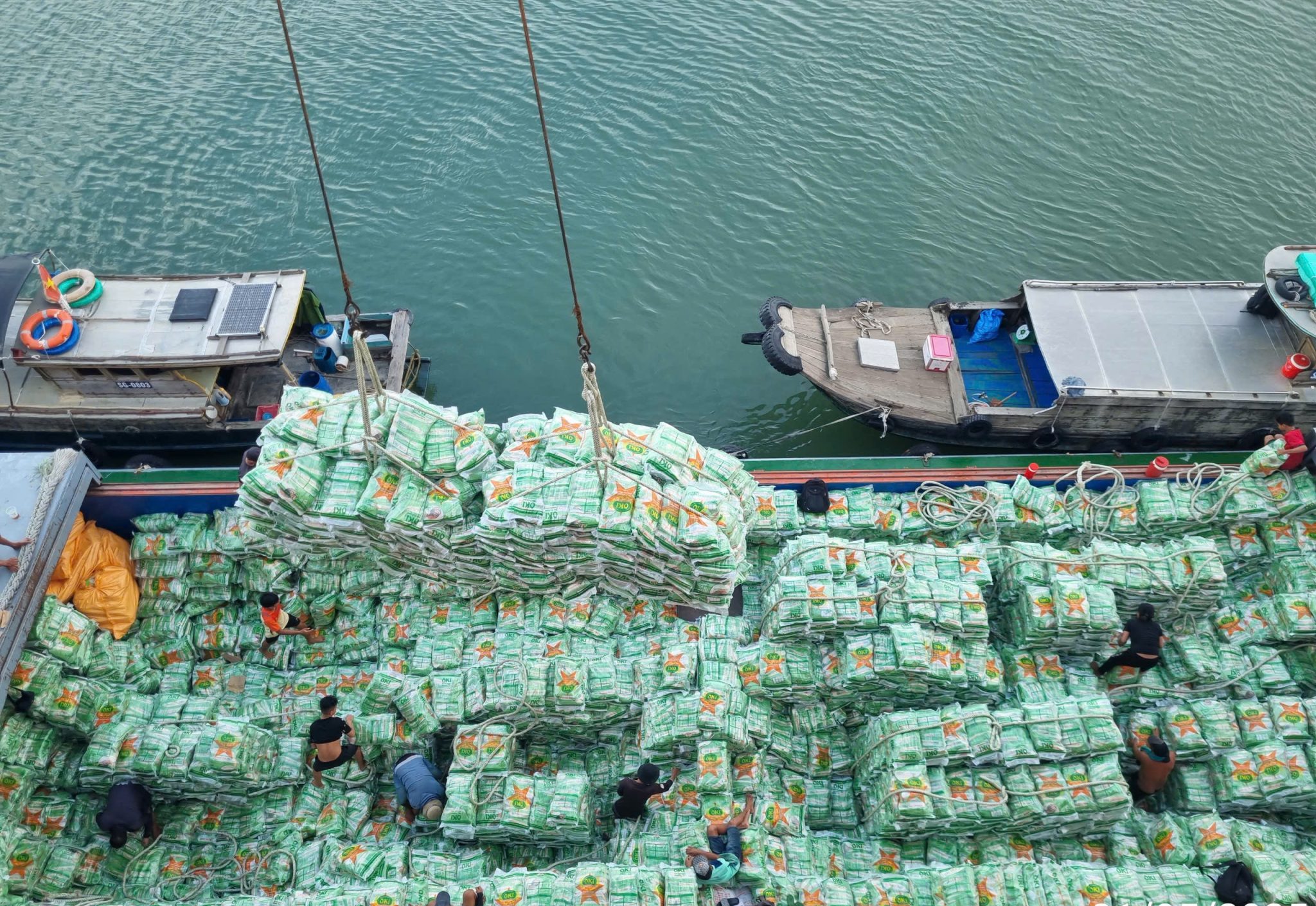
- Inland Waterway Transport: Offers advantages for heavy and bulky cargo, as well as routes connecting ports and riverside warehouses.
- Coastal Shipping: Suitable for cargo transported between domestic seaports, especially when delivery times do not need to be particularly short.
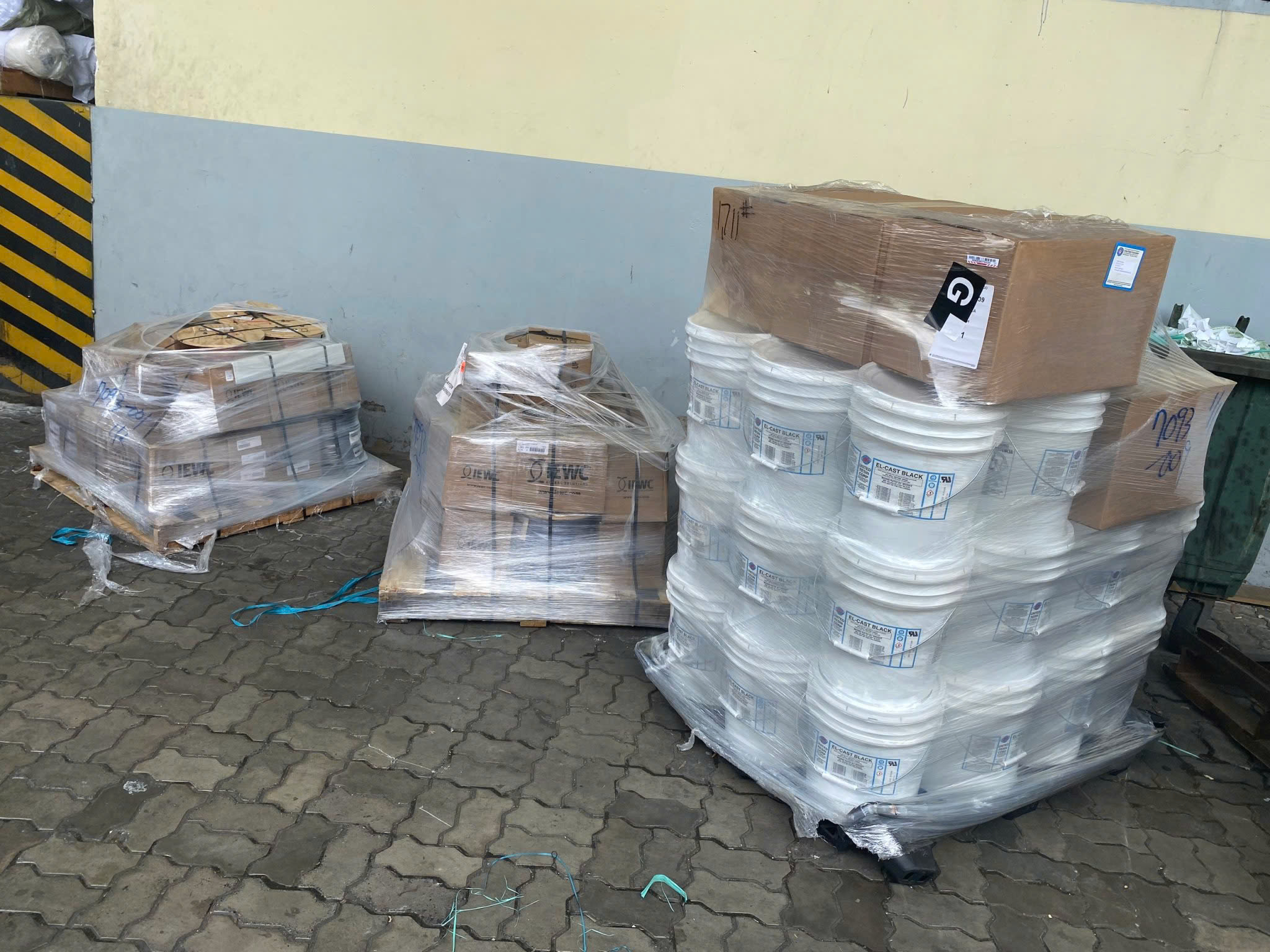
Common applications include North-South routes connecting factories, industrial parks, seaports, distribution warehouses, and logistics centers. This solution is suitable for full-load cargo, consolidated cargo, palletized goods, machinery, industrial equipment, and shipments with sufficient volume to optimize long-distance transportation costs.
1.2. Selecting Transportation Modes Based on Cargo Characteristics and North-South Routes
No single transportation mode is suitable for every type of cargo. Businesses need to simultaneously consider Gross Weight, CBM volume, individual package dimensions, pallet quantity, loading and unloading capabilities, and delivery time requirements to select the appropriate solution.
Road transportation is suitable when pickup and delivery locations are scattered, warehouse delivery is required, or urgent deadlines must be met. Rail transport is suitable for large shipments on long-distance routes with convenient access to freight terminals, while waterway transport offers advantages for heavy and bulky cargo that is not subject to strict time constraints.
Common combined transportation options include road–rail, road–waterway, and road–sea transport. For example, goods from a factory in Binh Duong can be transported by truck to a transshipment point, continue by rail to northern Vietnam, and then be delivered by truck to the receiving warehouse.
When comparing options, businesses should evaluate the total cost from the pickup point to the final delivery destination rather than comparing only the main-leg freight rate. The criteria to consider include:
- Total transportation charges and transshipment fees.
- Cargo consolidation waiting time, departure schedules, and delivery and receipt times.
- Accessibility of warehouses, freight terminals, and transshipment ports.
- Number of lifting and handling operations, transshipment frequency, and cargo safety.
- Ability to maintain schedules and handle unexpected incidents.
2. North-South Truck Transportation Solutions and Vehicle Configurations
2.1. Vehicle Classification and Cargo Loading Specifications
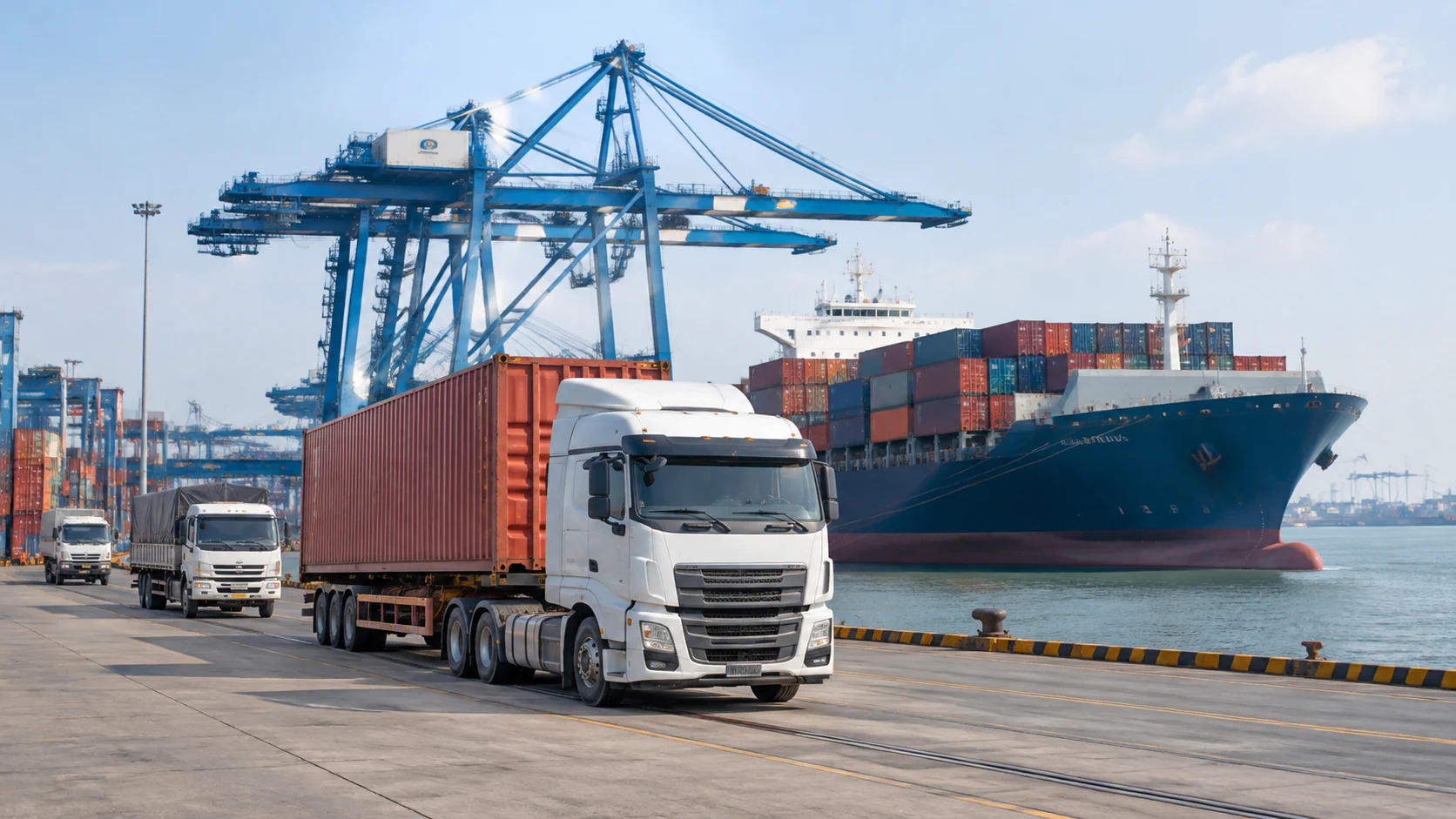
In domestic road transportation, vehicles are selected based on load capacity, cargo dimensions, and warehouse accessibility. Light trucks are suitable for small shipments and urban deliveries; medium-duty and heavy-duty trucks serve larger shipments; tractor-trailers with containers and specialized vehicles are used for containerized cargo, machinery, or equipment with specific requirements.
In addition to load capacity, truck body design directly affects cargo protection. Enclosed trucks are suitable for goods that need protection from weather conditions and dust; tarpaulin-covered trucks facilitate the loading and unloading of oversized cargo; flatbed trucks are suitable for certain types of machinery and equipment requiring specialized lifting equipment.
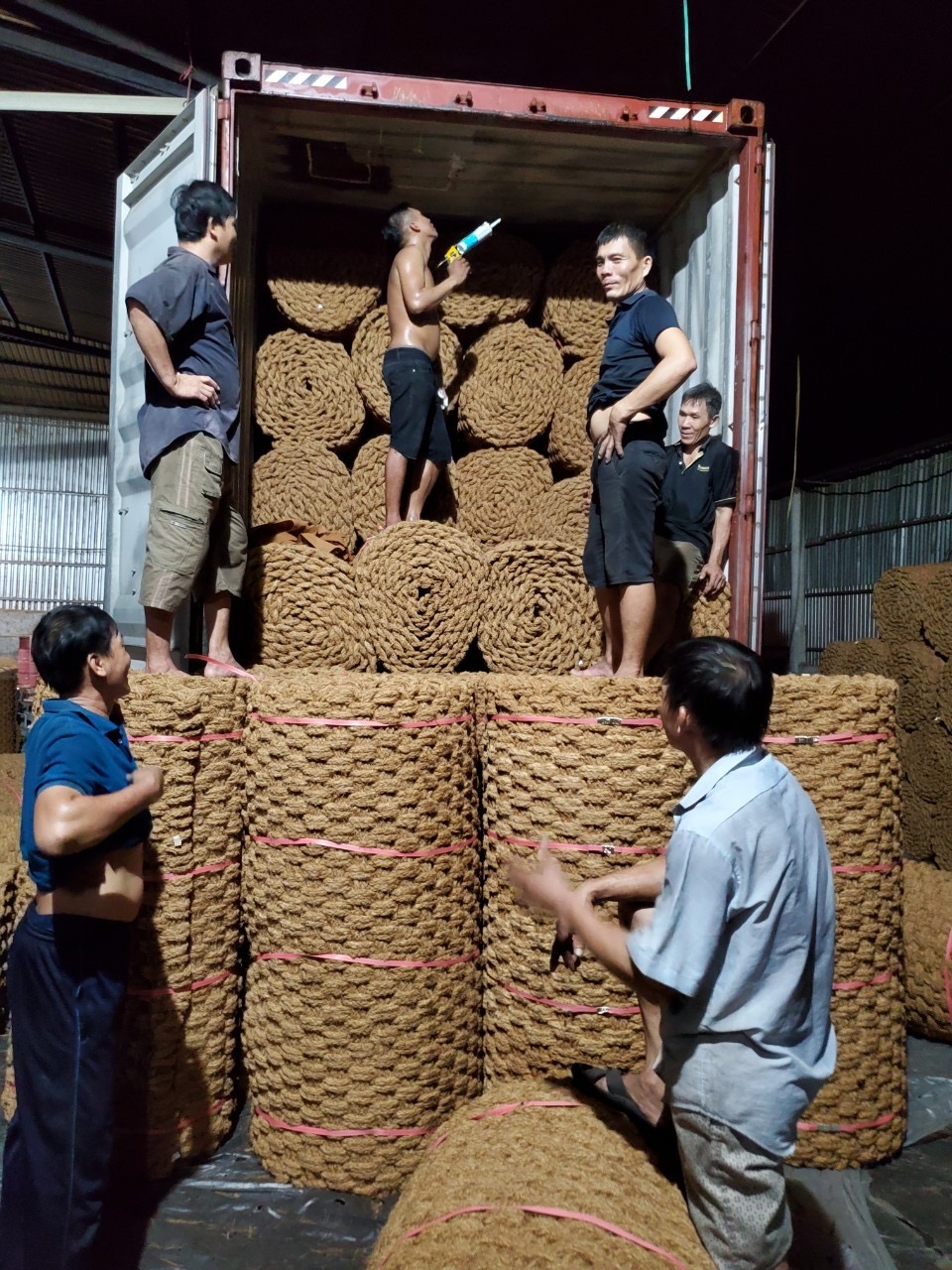
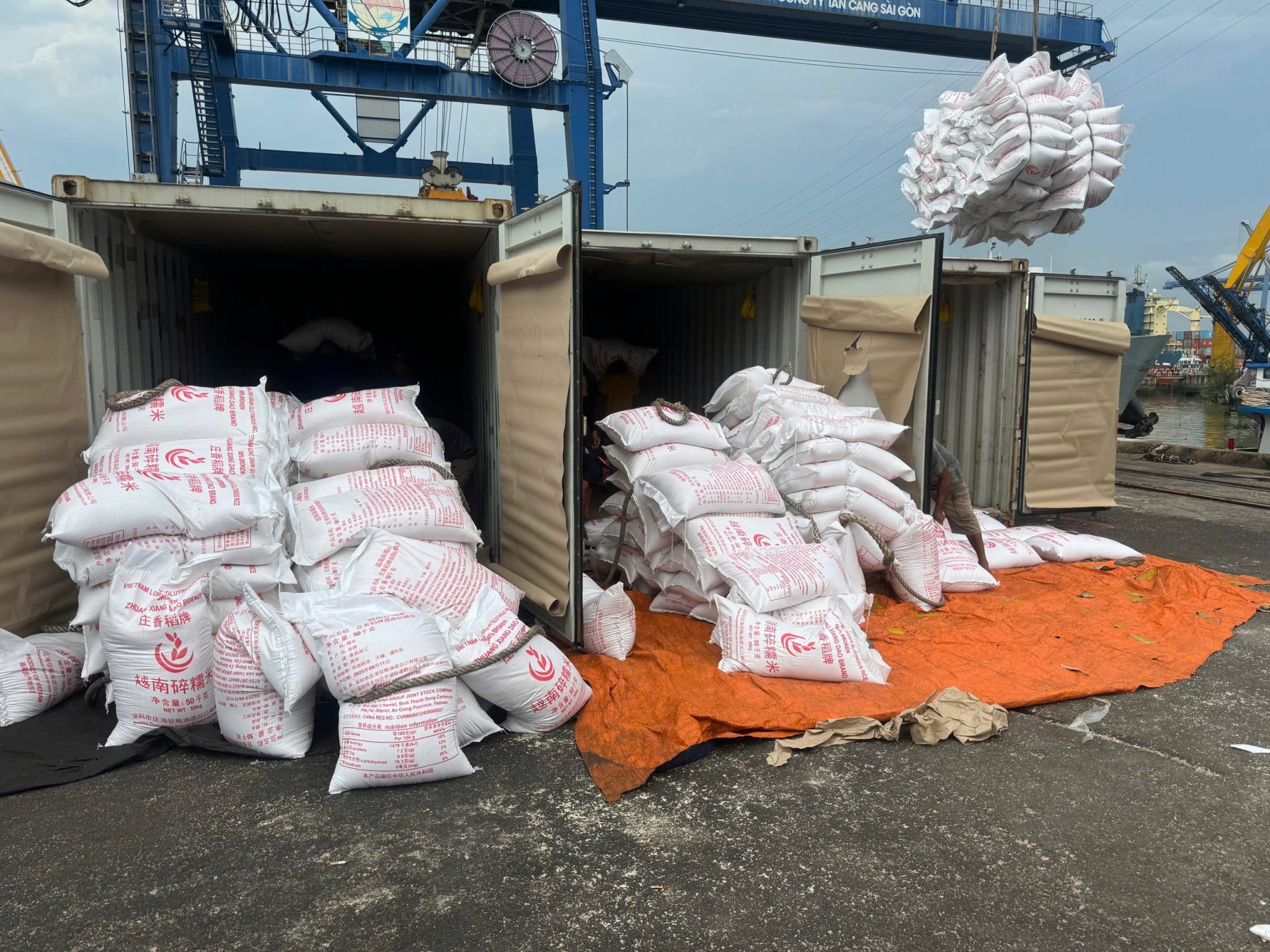
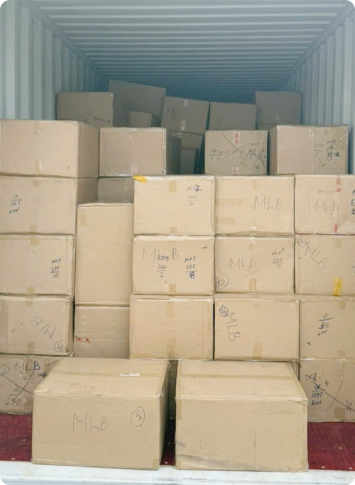
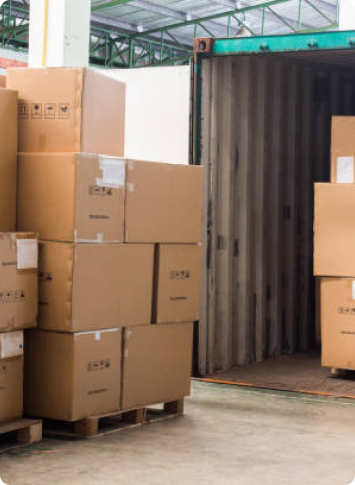
For containerized cargo, 20-foot and 40-foot containers are two common configurations. Selection should be based on internal dimensions, door height, permitted load capacity, and the ability to distribute cargo inside. Businesses should not rely solely on nominal volume because load limits and actual dimensions may vary between container types.
To determine cargo volume, businesses use the CBM formula:
CBM = Length (m) × Width (m) × Height (m) × Number of Packages.
For example, a package measuring 1.2 m × 0.8 m × 1 m has a volume of 0.96 CBM. For multiple packages with different dimensions, each group should be calculated separately, and the volumes should then be added together to determine the appropriate loading plan and vehicle.
Some transportation providers may apply volumetric weight conversion to calculate consolidated cargo rates. However, conversion factors are not necessarily the same across providers and transportation modes. Shippers should clearly confirm the calculation method in the quotation, especially when cargo is lightweight but occupies a large amount of truck space.
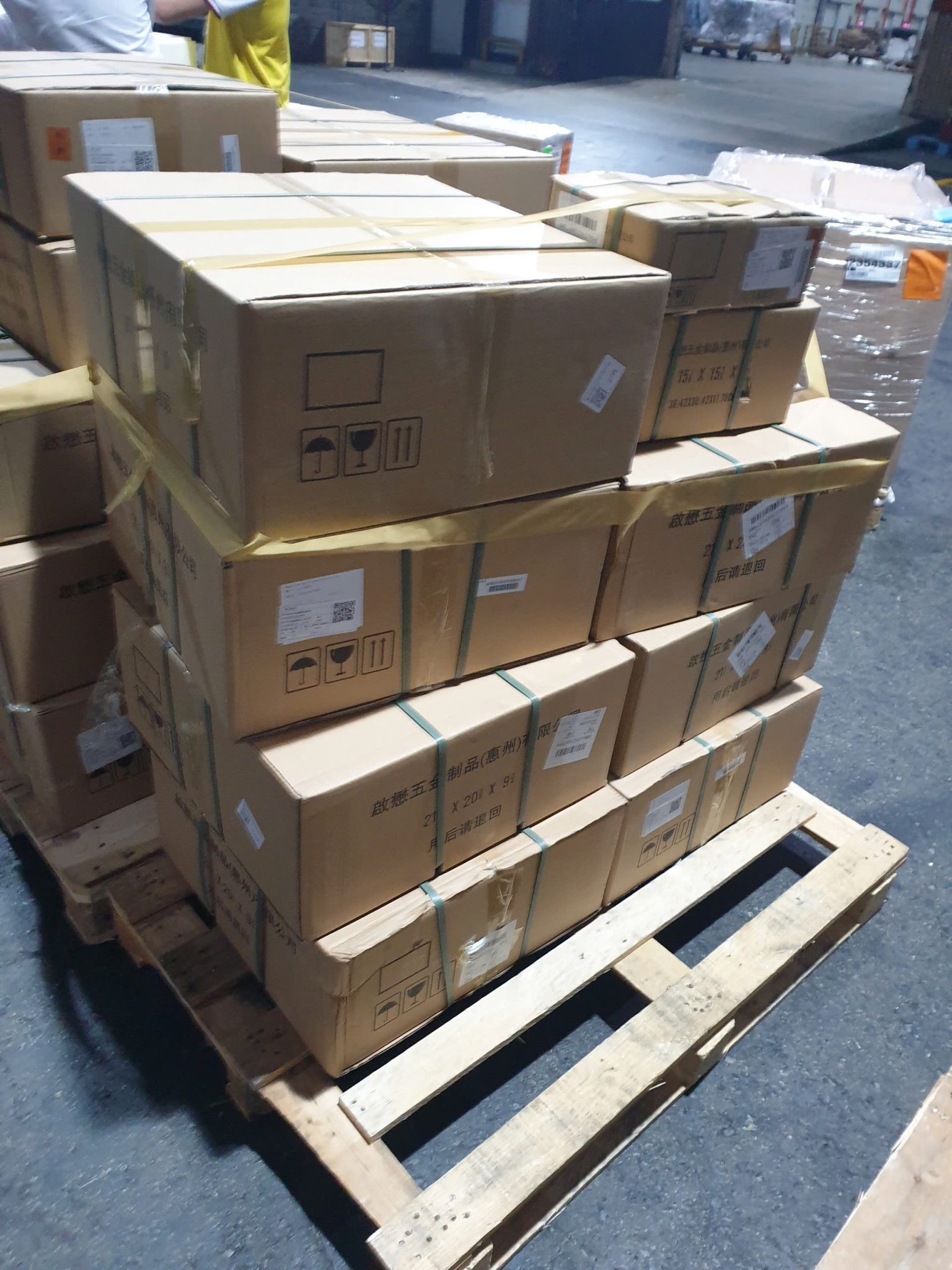
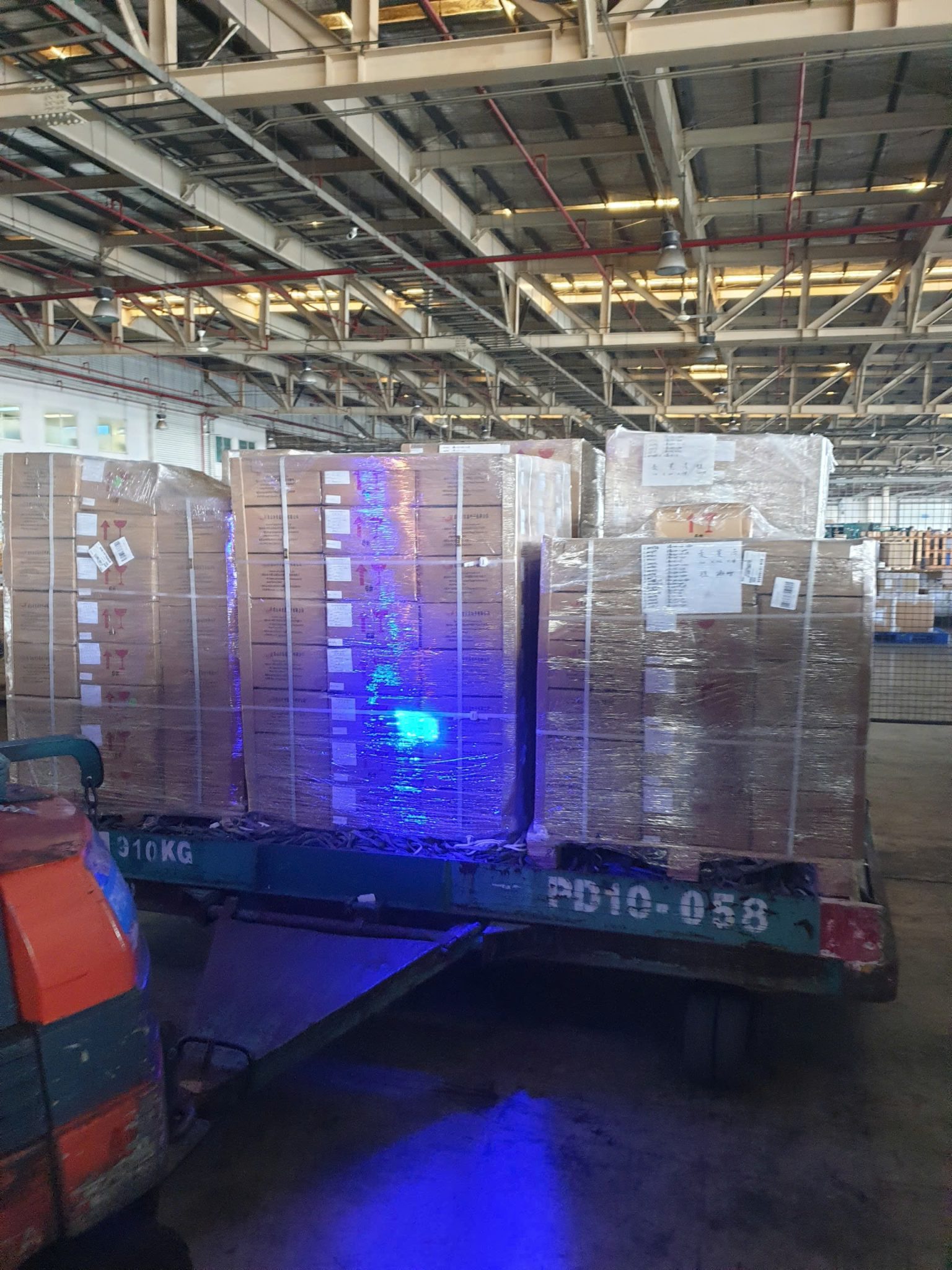
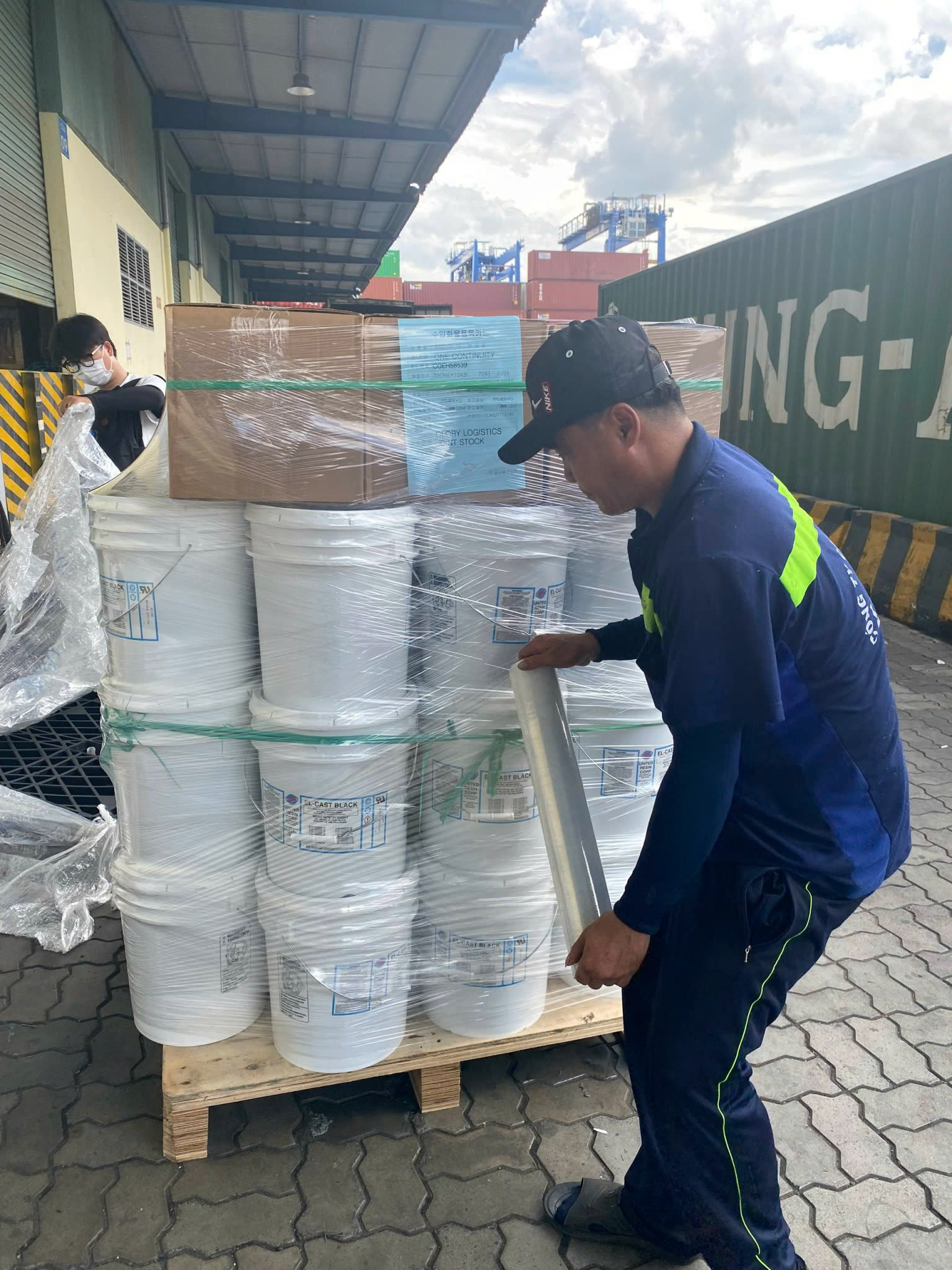
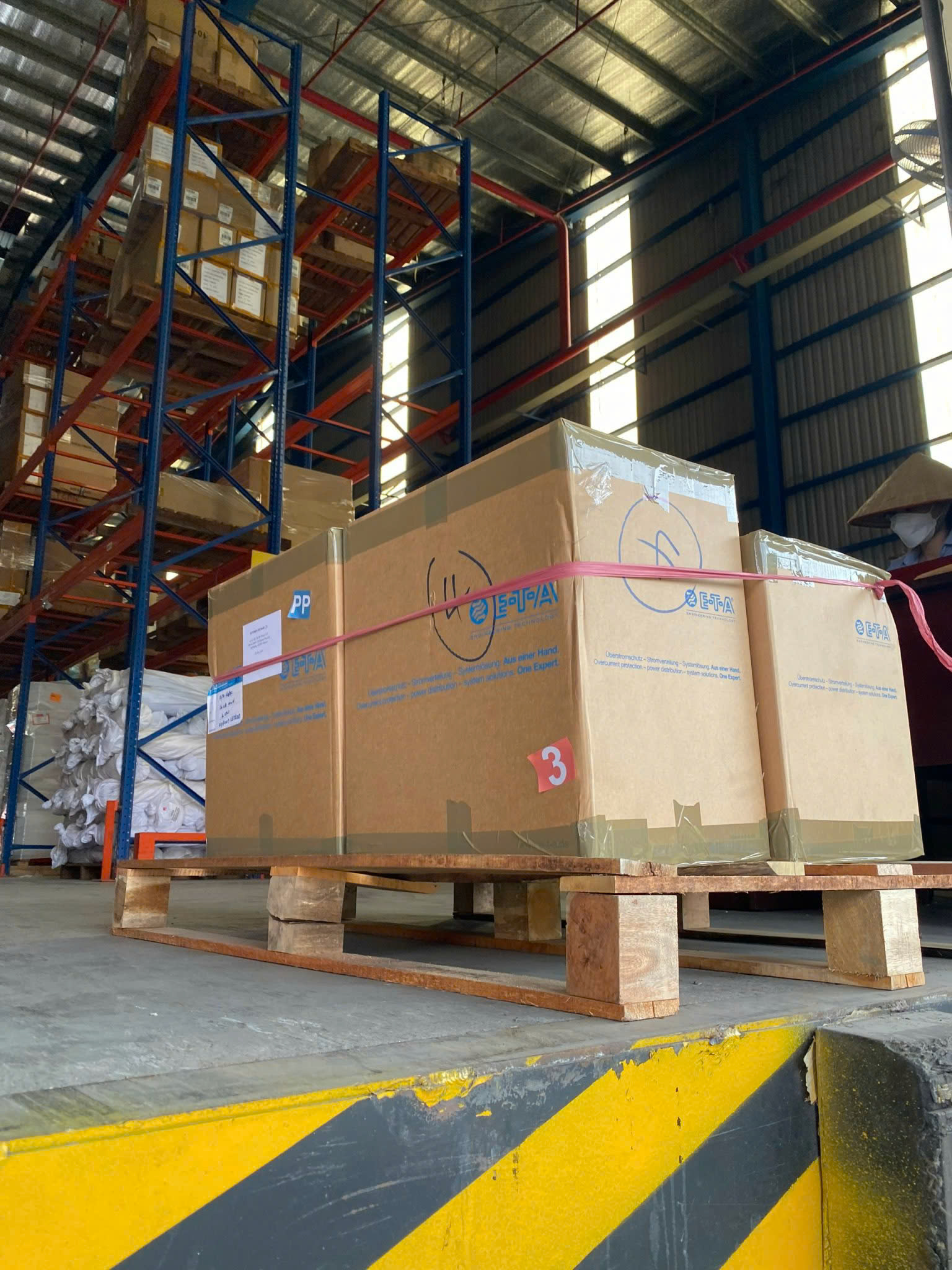
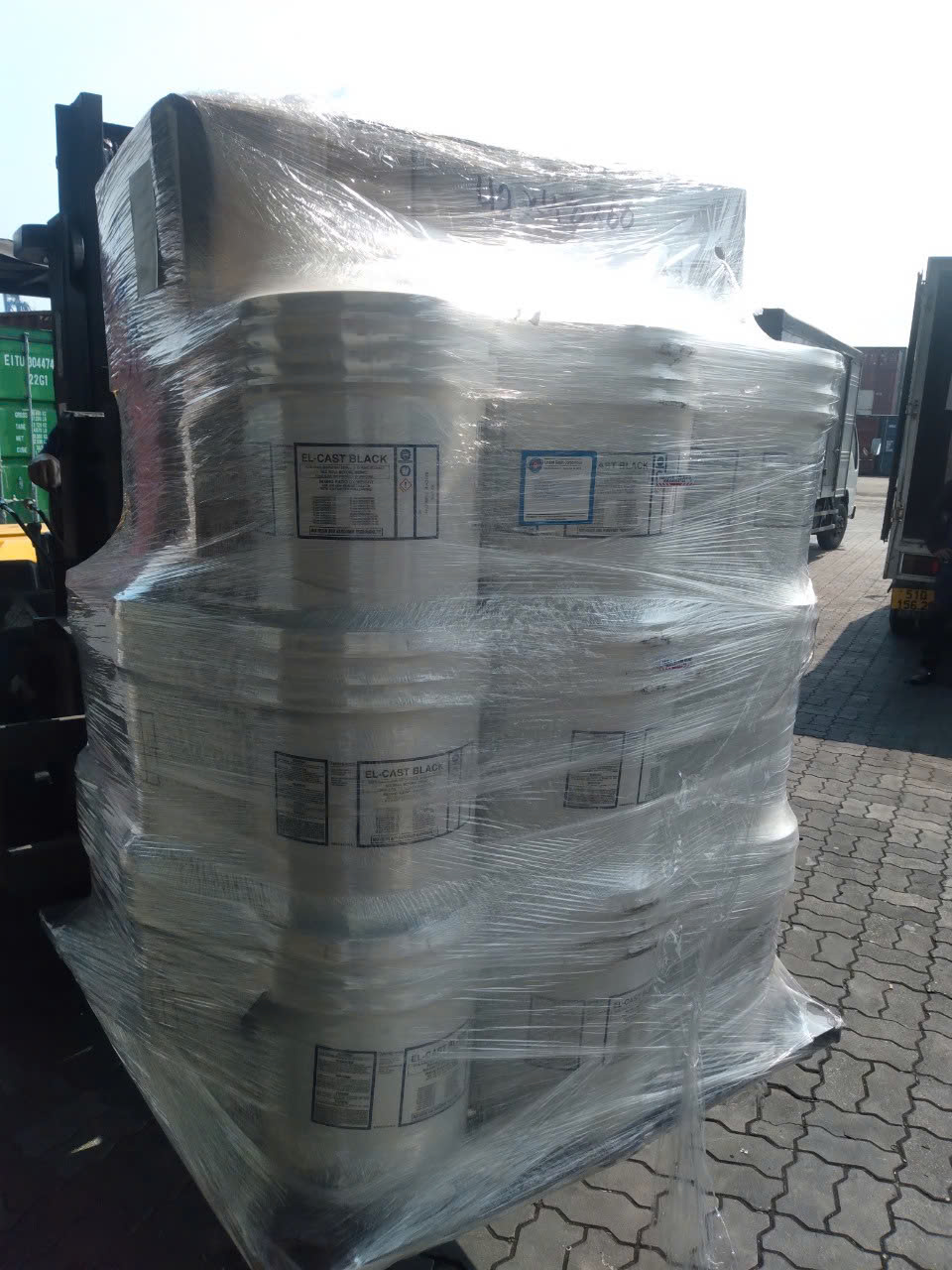
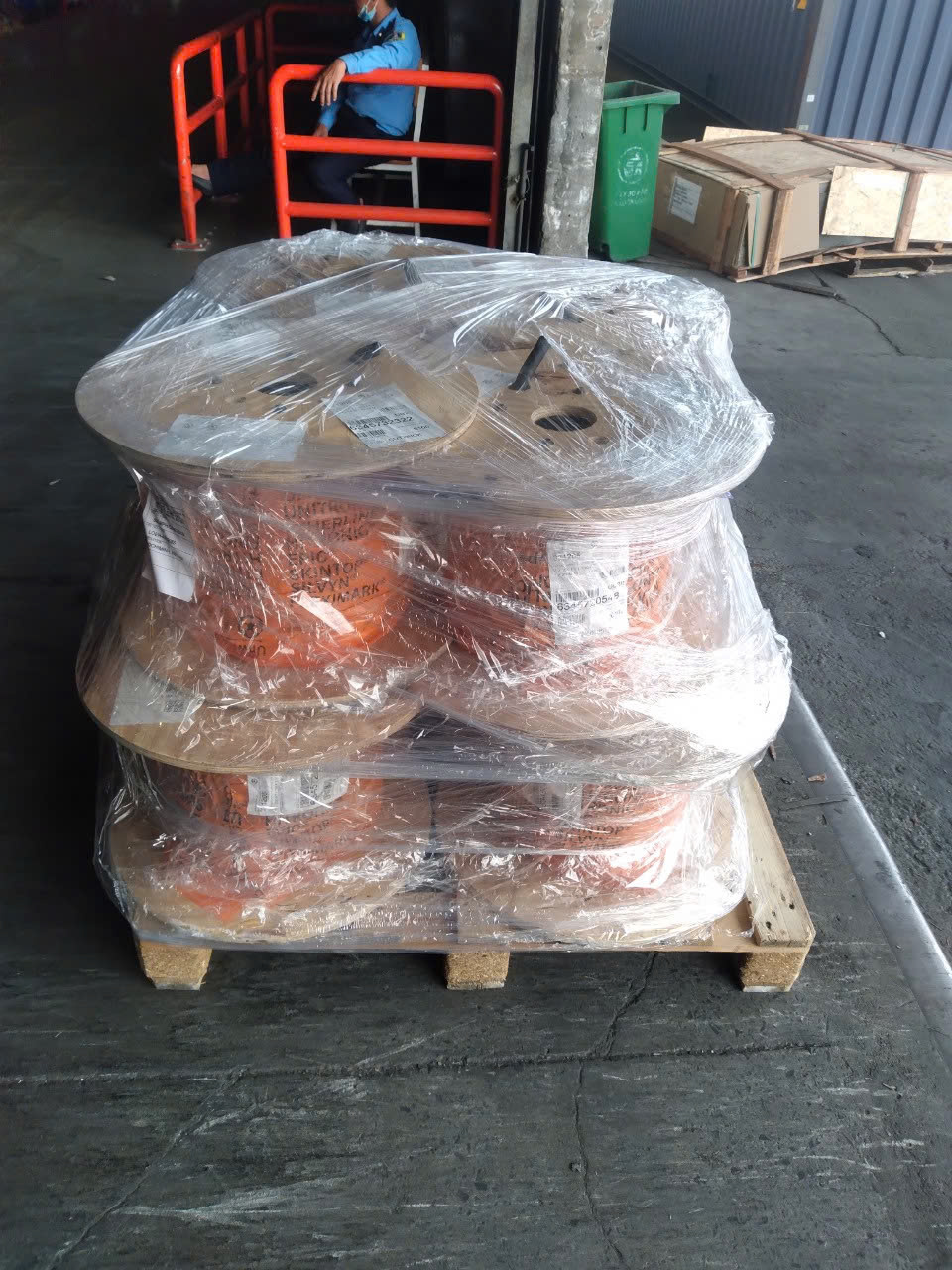
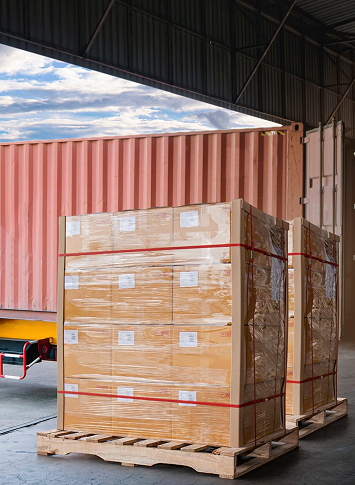
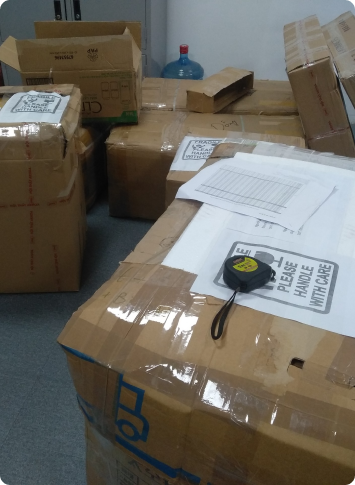
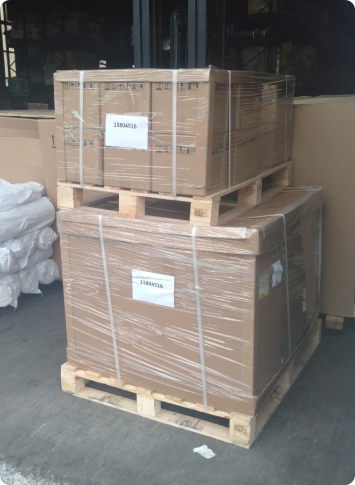
During cargo packing, attention should be paid to palletization, securing, and proper weight distribution. Heavy goods should be positioned stably, avoiding concentrated loads in one area; fragile goods should have cushioning materials and identification labels. Total vehicle weight, axle loads, and cargo dimensions must also be checked in accordance with road traffic regulations.
2.2. Designing Transportation Routes and Transshipment Solutions
The North-South transportation network typically connects Ho Chi Minh City with Binh Duong, Dong Nai, the central provinces, Hanoi, and northern industrial centers. Within this system, transshipment warehouses, ICDs, freight terminals, inland waterway ports, and seaports serve as connection points between transportation modes.
To design a door-to-door delivery journey, businesses can organize operations according to the following model: a truck collects goods from the shipping warehouse and transports them to a transshipment point, where they are transferred to rail or waterway transport, before another truck delivers them to the receiving warehouse. Each transshipment point needs a specific plan for cargo counting, condition verification, and handover timing.
For North-South truck transportation, businesses need to choose between Full Truckload (FTL) and Less Than Truckload (LTL) services. FTL is suitable for shipments large enough to occupy an entire vehicle, requiring schedule control or fewer transshipment operations; LTL is suitable for smaller shipments that can be consolidated with cargo from other shippers.
The choice between FTL and LTL should be based on total CBM, weight, pallet quantity, package dimensions, delivery time, and the flexibility of the pickup schedule. Shipments requiring urgent delivery or involving perishable goods should generally prioritize solutions that minimize waiting time and the number of loading and unloading operations, even if transportation costs are higher.
Actual transportation time does not depend solely on geographical distance. Departure schedules, cargo consolidation waiting times, lifting and handling times, connectivity between transportation legs, traffic conditions, and warehouse receiving hours can all affect the expected delivery time.
3. Domestic Freight Delivery Processes and Cost Control
3.1. Transportation Organization and Document Reconciliation Processes
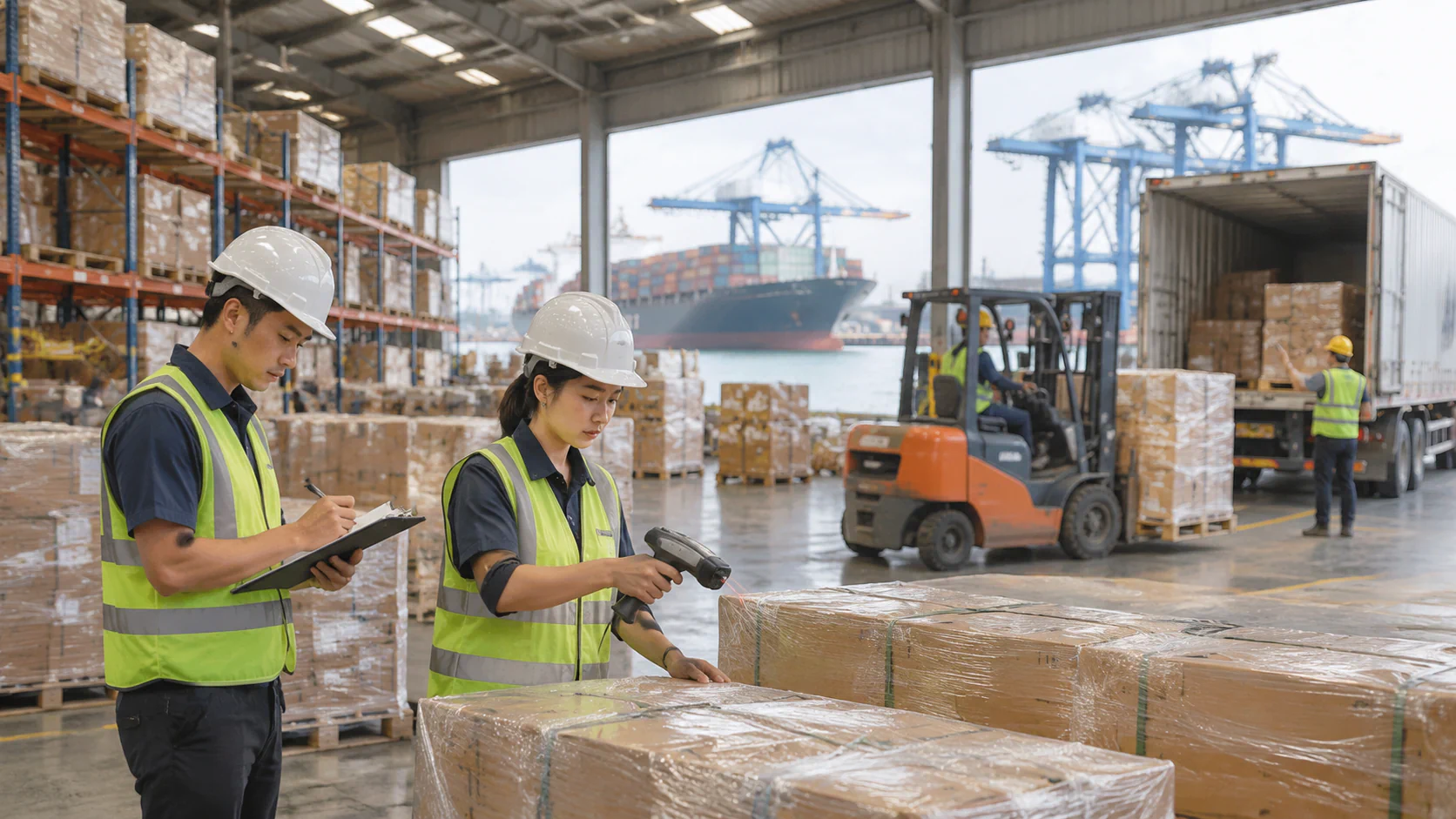
An effective domestic freight delivery process requires complete input information, a confirmed transportation plan, and consistent handover documentation throughout the journey. Standardizing each step helps businesses control quantities, cargo conditions, delivery and receipt times, and the responsibilities of all parties.
Step 1 – Receiving the Request: The shipper provides the cargo name, quantity, Gross Weight, individual package dimensions, total CBM, pallet quantity, pickup address, delivery address, and requested schedule.
Step 2 – Assessment and Solution Planning: The transportation provider checks cargo characteristics, packaging conditions, warehouse accessibility, loading and unloading conditions, and vehicle requirements. Based on this assessment, the provider determines whether to use direct transportation or combine multiple transportation modes.
Step 3 – Quotation Confirmation: Both parties agree on freight charges, schedules, transshipment points, service scope, delivery and receipt responsibilities, payment terms, and any potential additional charges.
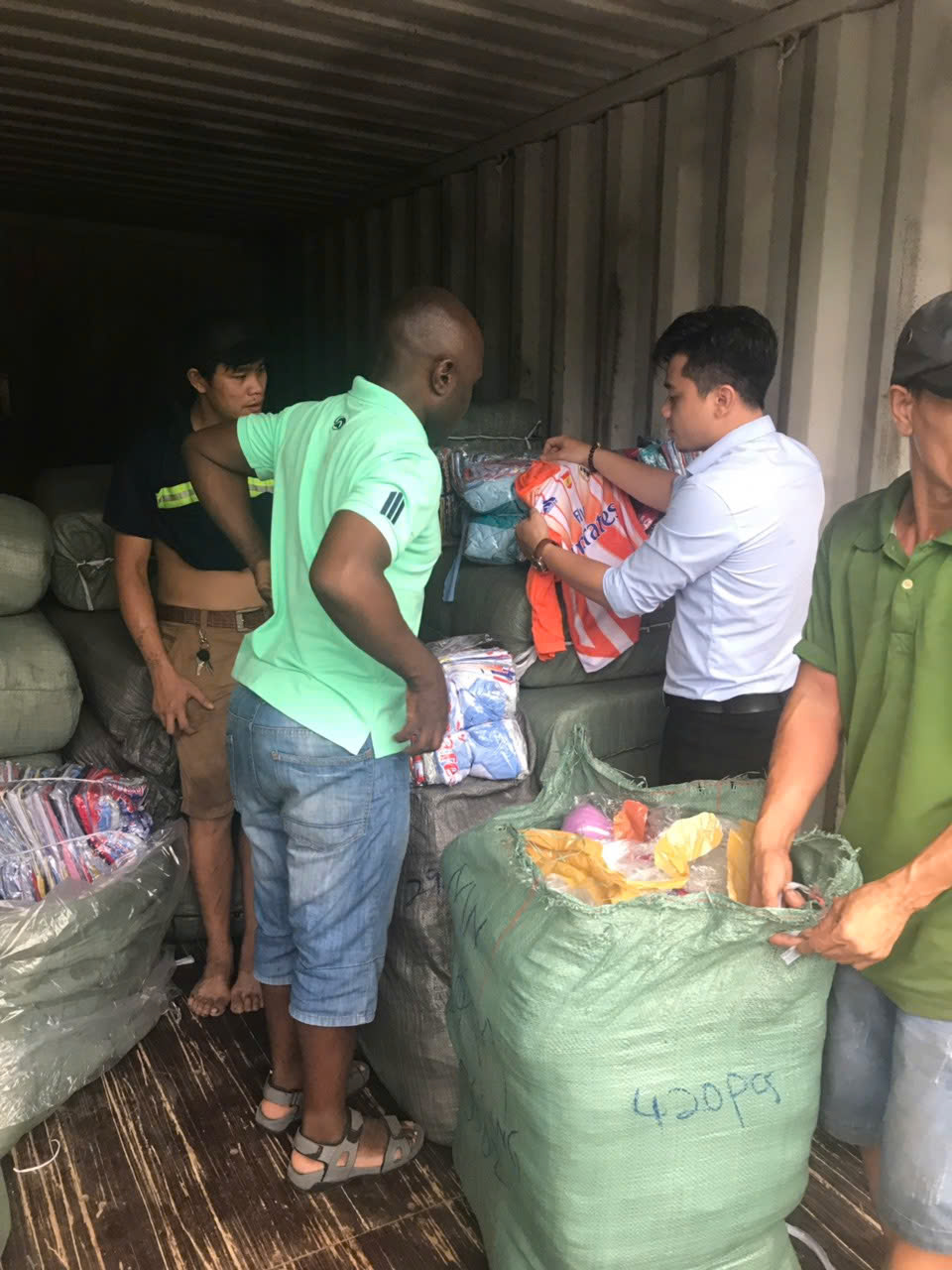
Step 4 – Cargo Collection and Documentation: The driver or delivery personnel count the packages, weigh the cargo when necessary, photograph its condition, and prepare a Delivery Note or corresponding handover record.
Step 5 – Shipment Tracking: The coordinating team updates cargo status at each transportation leg, confirms transshipment times, and monitors any discrepancies in quantity, packaging, or schedules.
Step 6 – Delivery and Reconciliation: The recipient checks the package quantity and packaging condition, then confirms delivery with a signature or appropriate documentation. Both parties subsequently complete the records for reconciling cargo volume and transportation charges.
Each type of document serves a specific purpose and should not be arbitrarily substituted for another. Vehicle dispatch orders are used to coordinate vehicles; warehouse release slips record goods leaving the warehouse; delivery notes and handover records confirm cargo transfers; weight tickets record weight; and rail waybills or waterway transportation documents provide information about the corresponding transportation leg.
For high-value goods or shipments requiring multiple transshipments, photographs should be retained before loading, after unloading, and at each handover point. These records support verification in cases involving quantity discrepancies, packaging damage, or disputes over transportation responsibilities.
3.2. Transportation Pricing Structure and Ways to Minimize Additional Costs
Domestic transportation costs typically consist of multiple charges rather than just the main freight rate. Depending on the route, transportation mode, and delivery conditions, quotations may include origin pickup fees, main-leg freight charges, transshipment fees, lifting and handling charges, loading and unloading fees, warehousing fees, and destination delivery charges.
Freight calculation methods also vary by service type. FTL transportation is generally charged per trip or vehicle; LTL may be charged by weight, CBM, or pallet quantity; container transportation is based on container type and route. Shippers need to clearly identify the billing unit and the scope of costs included in the quotation.
To compare direct truck transportation with solutions combining rail or waterway transport, businesses should prepare a cost estimate for each leg:
- First Mile: Truck transportation costs for collecting goods from the shipping warehouse and delivering them to a terminal, port, or transshipment point.
- Main Leg: Road, rail, or waterway freight charges.
- Transshipment: Lifting, loading and unloading, warehousing, and other transshipment operation fees.
- Last Mile: Truck delivery costs from the transshipment point to the receiving warehouse.
Total costs should be evaluated alongside delivery time and the safety level of each option. A route with a low main-leg freight rate but long warehousing periods, multiple lifting operations, or expensive first-mile and last-mile vehicles does not necessarily offer better economic efficiency.
Common reasons for exceeding the budget include incorrectly declared weights or dimensions, cargo waiting for collection beyond the free period, changes to delivery locations, requests for after-hours delivery, and additional warehousing charges. Damage during transshipment can also result in handling costs, claims, and disruptions to production activities.
Businesses should request prior confirmation of free loading and unloading periods, additional fee conditions, warehousing durations, compensation responsibilities, and cargo insurance coverage. These terms should be stated in the quotation or transportation contract rather than agreed upon verbally.
For businesses that regularly organize interprovincial transportation, referring to specialized industry guidelines from Ministry of Industry and Trade and information from Vietnam Logistics Business Association (VLA) also helps them stay updated on logistics operations, transportation organization, and supply chain management trends.
4. North-South Domestic Freight Transportation Services with G-LOGS JSC
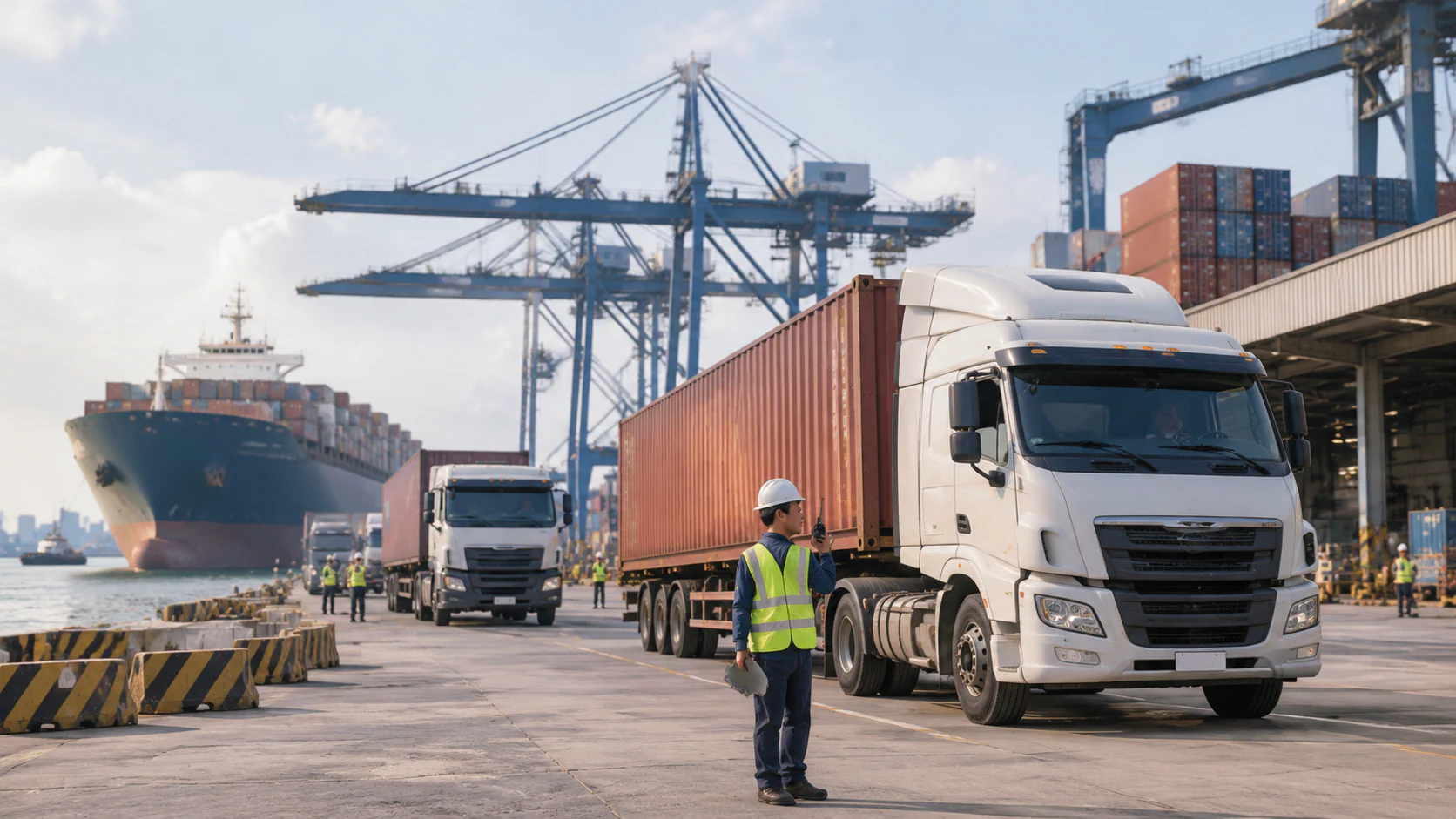
G-LOGS JSC provides integrated logistics solutions with more than 10 years of experience in international freight forwarding, FCL/LCL sea freight, air freight, and customs clearance. The company aims to connect domestic transportation activities with import-export supply chains, supporting shippers in organizing delivery and receipt operations according to their actual needs.
For goods transported within Vietnam, G-LOGS advises on selecting domestic road transportation, North-South truck transportation solutions, and combinations with rail or waterway transport based on cargo characteristics. Solutions are evaluated according to weight, CBM volume, pallet quantity, route, delivery and receipt times, and estimated budget.
Coordination activities can be organized from factories, production warehouses, and industrial parks to distribution warehouses or receiving locations. Cargo collection, vehicle allocation, transshipment, and delivery operations are connected through a unified schedule to minimize discrepancies during handovers.
For businesses requiring container transportation, G-LOGS supports the integration of domestic container trucking operations with international ocean freight, FCL/LCL services, and air freight when import-export needs arise. This integrated approach makes it more convenient for shippers to organize transportation legs related to international trade activities.
During operations, controlling quantities, packaging conditions, delivery and receipt documents, transshipment schedules, and costs for each leg provides the basis for service reconciliation. Businesses should establish a single point of contact for receiving information and tracking shipments from the pickup point to the final delivery address.
To receive a quotation that closely matches actual requirements, shippers should prepare the following information:
- Cargo name, characteristics, and storage requirements.
- Gross Weight and dimensions of each package.
- Total CBM volume, package quantity, and pallet quantity.
- Pickup address, delivery address, and warehouse accessibility conditions.
- Preferred transportation mode or a request for solution consultation.
- Pickup time, delivery deadline, and estimated budget.
Transportation solutions should be selected based on total costs, time, connectivity, and cargo safety rather than simply prioritizing the lowest freight rate. If your business is exploring what multimodal transportation is or needs to organize North-South domestic freight transportation, contact G-LOGS JSC for advice on a suitable solution combining domestic transportation, FCL/LCL, air freight, and customs clearance to optimize budgets and supply chain schedules.
G-LOGISTICS TRADING AND SERVICES JOINT STOCK COMPANY (G-LOGS JSC)
Address: 4th Floor, Coalimex Building, 29–31 Dinh Bo Linh Street, Binh Thanh Ward, Ho Chi Minh City, Vietnam.
Phone: (84) 28 3511 5354/5455
Email: info@g-logs.com
Website: www.g-logs.com