 EN
 VI
 ZH
In international transportation, accurately determining cargo volume helps businesses estimate freight costs, choose suitable shipping methods, and minimize unexpected expenses. Understanding what CBM is, how to calculate cubic meters, and the differences between FCL and LCL enables shippers to develop sea freight plans that match shipment size, delivery schedules, and logistics budgets.
1. What Is CBM in Logistics? How to Calculate Cargo Volume for Sea Freight Charges

CBM (Cubic Meter) is a unit of volume equivalent to one cubic meter, commonly used in sea freight, air freight, and international freight forwarding. This measurement indicates the space occupied by packaged goods and serves as important data for calculating freight charges and arranging transportation.
1.1. CBM Calculation Formula and How to Convert Package Dimensions
The formula for calculating cargo volume is as follows:
CBM = Length (m) × Width (m) × Height (m) × Number of Packages
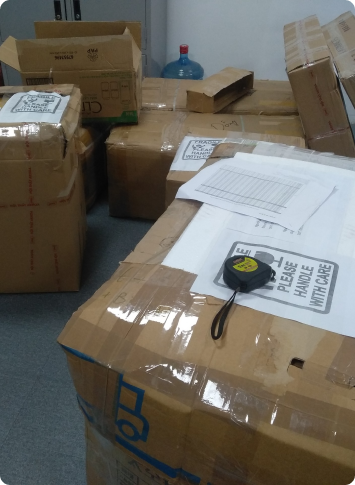
If dimensions are provided in centimeters, each measurement must be divided by 100 before calculating. For shipments containing different types of packages with varying dimensions, calculate the volume of each group separately and then add them together to determine the total CBM.
For example, a business needs to ship 20 cartons, each measuring 60 × 40 × 50 cm. The volume of one carton is 0.6 × 0.4 × 0.5 = 0.12 m³; the total volume of the shipment is 0.12 × 20 = 2.4 CBM.
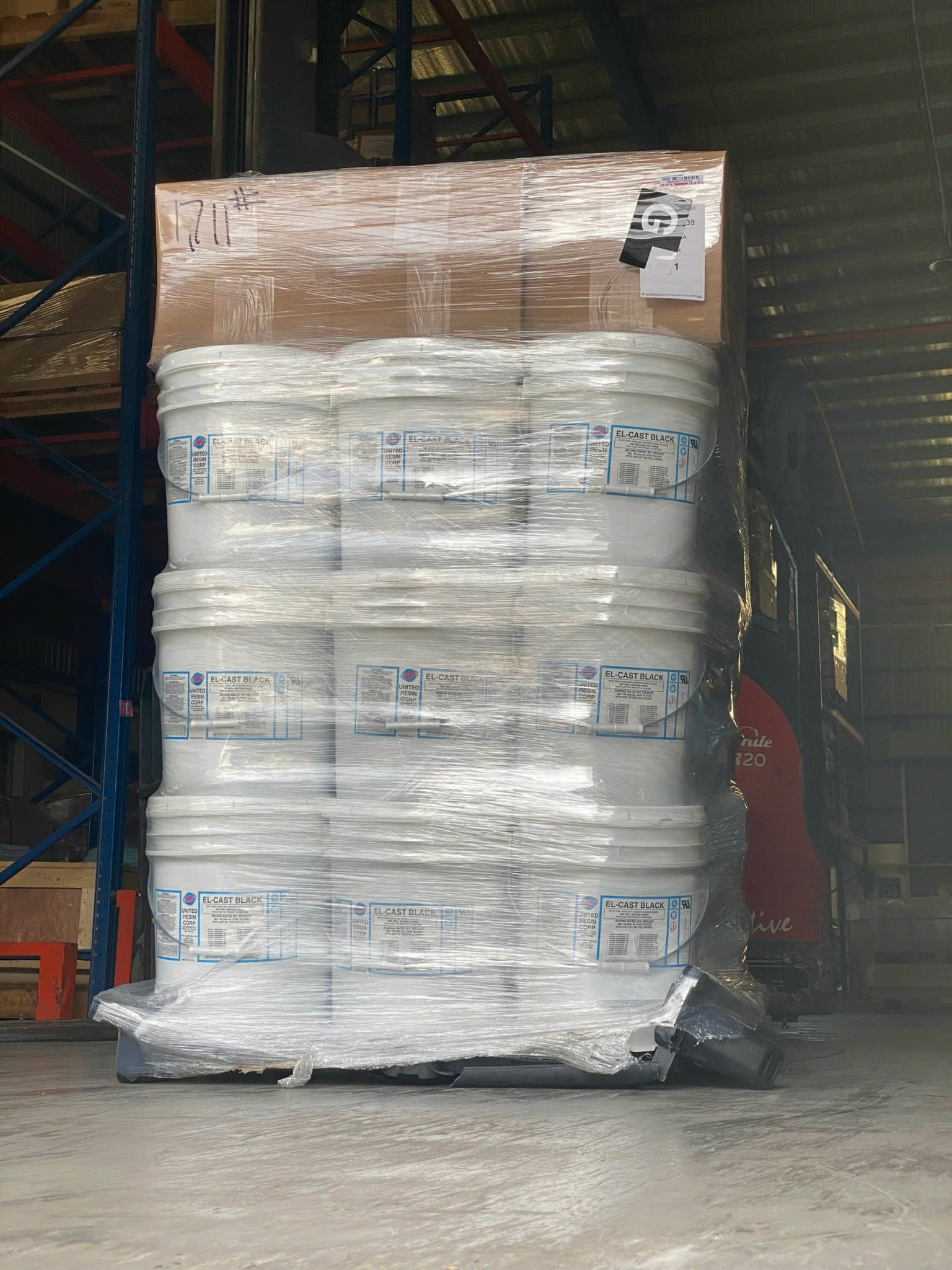
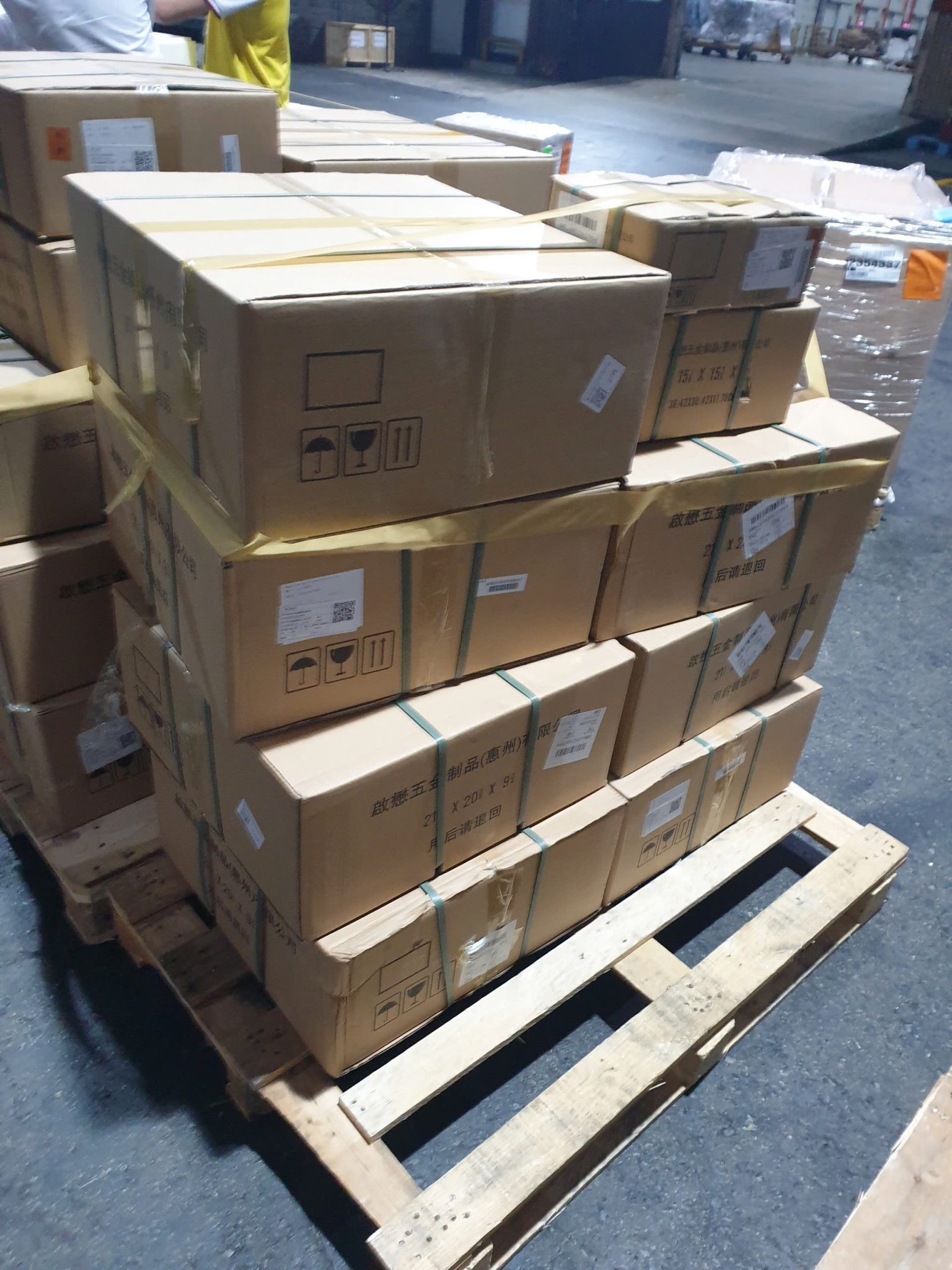
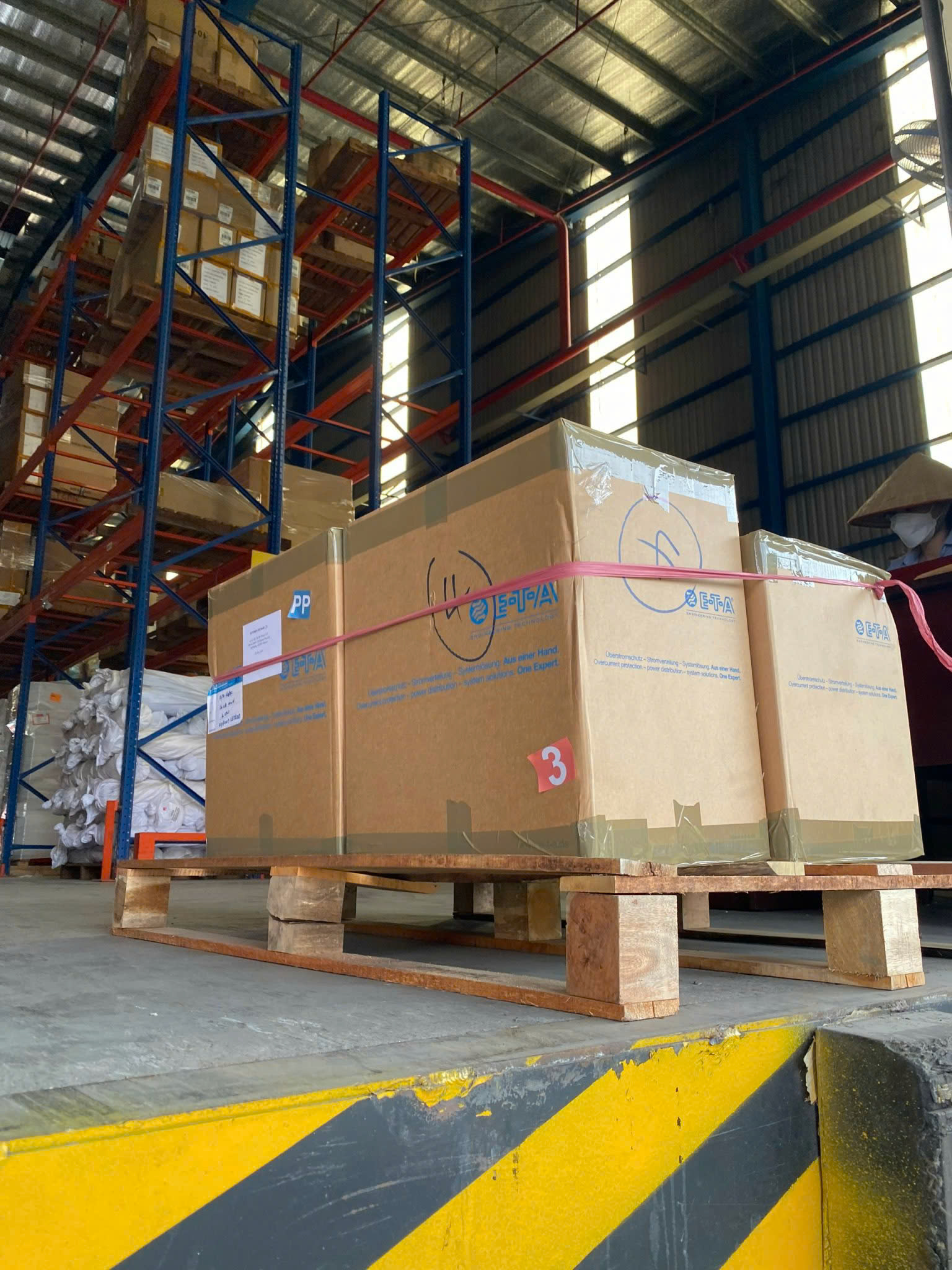
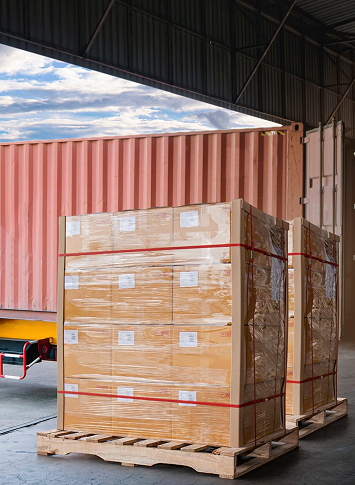
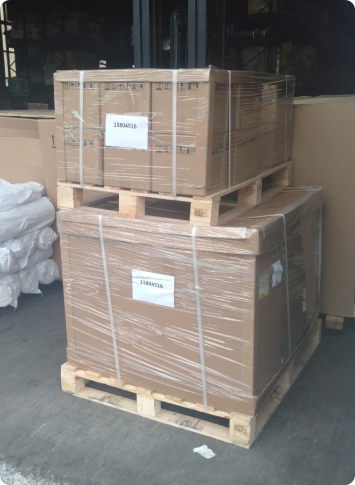
For palletized goods, wooden crates, or cargo with irregular dimensions, the actual outer dimensions should be measured after packaging is completed. Protruding parts, cushioning materials, and packaging structures may increase the billable volume. If cargo exceeds standard dimensions or cannot be stacked, businesses should notify the freight forwarder in advance so that the loading arrangement can be assessed.
1.2. The Role of CBM in Freight Cost Calculation and LCL Shipping Planning
CBM represents volume, not the actual weight of goods. Actual weight is measured in kilograms or metric tons, while volumetric weight is a value used for freight calculation according to the rules of each transportation method. These three measurements cannot be used interchangeably.
For LCL sea freight, charges are generally calculated using the W/M (Weight or Measurement) principle, which compares weight measured in metric tons with volume measured in cubic meters according to the carrier's regulations. Conversion methods, minimum chargeable quantities, and applicable conditions may vary by route, shipping line, or freight forwarder. Therefore, businesses should clearly confirm the freight calculation basis in the quotation rather than assuming that every shipment follows the same rate structure.
To obtain an accurate quotation, businesses should prepare the number of packages, dimensions of each package type, total CBM, total weight, cargo description, port of loading, port of discharge, and pickup or delivery addresses if domestic transportation is required. Complete information helps logistics providers determine the appropriate handling arrangement and minimize freight adjustments after the cargo is physically measured.
2. What Is LCL Shipping? How Cargo Consolidation Works and Which Costs to Control

2.1. How LCL Shipping Operates from the Consolidation Warehouse to the Destination Port
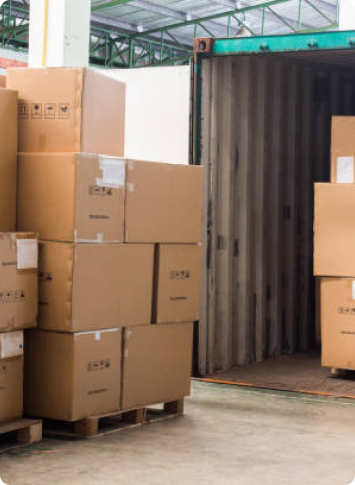
LCL (Less than Container Load) cargo refers to shipments transported in the same container as goods belonging to multiple other shippers. This method is suitable when the cargo volume does not require an entire container, allowing businesses to access sea freight services without renting a full container for a small shipment.
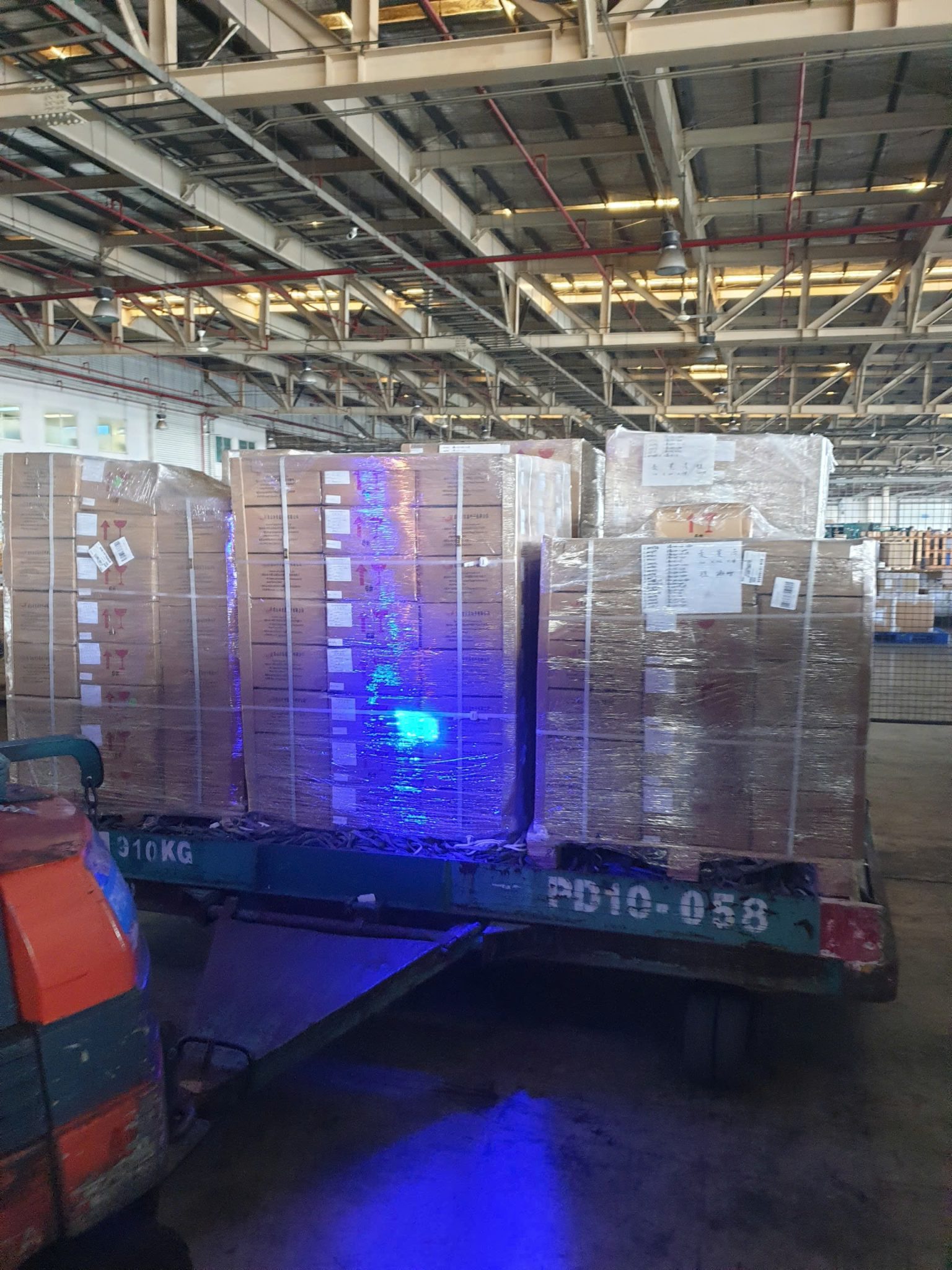
The LCL process typically begins with providing shipment details, confirming the booking and cargo receiving schedule, and then delivering the goods to a CFS (Container Freight Station) warehouse. There, the cargo is inspected, sorted, and consolidated with other shipments before international transportation. Upon arrival at the destination, the goods are deconsolidated at the CFS warehouse, undergo the necessary procedures, and are then handed over to the consignee according to the agreed service terms.
A CFS is a facility where LCL cargo is received, handled, consolidated, or deconsolidated. A CY (Container Yard), on the other hand, is a container yard where containers are received, stored, or handed over according to operational procedures. Businesses should confirm the exact cargo delivery location, warehouse cut-off time, consolidation schedule, and estimated transit time. The overall transit time may be longer than the vessel's sailing schedule because of the additional consolidation, loading, and deconsolidation processes.
The basic documentation typically includes a Commercial Invoice, Packing List, information required for customs declarations, and a bill of lading appropriate to the freight forwarding arrangement. The package count, weight, CBM, and cargo description must be consistent across all documents. Data discrepancies may require shipment verification, document amendments, or additional handling charges.
2.2. LCL Freight Cost Structure and Additional Costs Beyond Ocean Freight
LCL shipping costs include more than just basic ocean freight. Charges to review may include CFS handling fees, documentation fees, origin and destination handling charges, domestic transportation fees, and surcharges applicable to the specific shipping route.
To compare quotations accurately, businesses should request a clear breakdown of each charge, its calculation unit, applicable location, and included service scope. Freight from the port of loading to the port of discharge does not mean an all-inclusive transportation cost from the seller's warehouse to the buyer's warehouse. Items such as customs clearance, last-mile delivery, warehousing, and destination charges should be confirmed separately if they are not included in the quotation.
Common risks include incorrect dimension declarations, insufficiently sturdy packaging, missing the warehouse cut-off time, or changes to the consolidation schedule. These situations may result in freight adjustments, storage fees, or additional costs caused by delays. Effective control measures include remeasuring packages after packing, photographing cargo conditions, reinforcing packaging appropriately, and confirming cargo collection schedules and delivery terms in writing.
3. What Is FCL Shipping? Comparing FCL and LCL to Choose the Optimal Option3.1. Understanding FCL and a Comparison Table Based on Practical Operational Criteria
FCL (Full Container Load) is a shipping method involving an entire container booked and handled for a single shipment. This term does not mean that the container must be completely full; businesses can rent a dedicated container even when their cargo does not occupy its entire capacity, depending on their needs and cost efficiency.
To compare FCL and LCL, businesses should simultaneously consider freight calculation methods, origin and destination charges, handling time, packaging requirements, and the ability to control cargo throughout transportation.
| Criteria | LCL | FCL |
|---|---|---|
| Usage | Consolidating cargo from multiple shippers in one container | A dedicated container for one shipment under a booking |
| Cost Structure | Usually calculated based on W/M and related handling fees | Usually quoted per container, including associated service charges |
| Cargo Handling | Requires consolidation and deconsolidation at the CFS | Usually involves fewer LCL consolidation and deconsolidation procedures |
| Duration | Depends on the consolidation schedule and CFS handling | Depends on the vessel schedule, container loading time, and handover |
| Matching | Small shipments that do not require a dedicated container | Large shipments or cargo requiring greater control over container loading and handling |
LCL is generally suitable for small-volume cargo that does not require a dedicated container. FCL is worth considering when shipment volumes are large, intermediate handling needs to be minimized, or specific requirements apply to cargo loading, sealing, and delivery schedules. However, suitability also depends on cargo characteristics, stackability, shipping routes, and actual total costs.
3.2. How to Compare Total Costs and Choose the Right Option for Each Situation
A fixed CBM threshold should not be applied to determine when to switch from LCL to FCL across all routes. A more appropriate approach is to request quotations for both options on the same route, at the same time, and with the same service scope, then compare the total costs to the same delivery point.
For example, the 2.4 CBM shipment mentioned above may receive an LCL quotation based on W/M, plus CFS fees and related handling charges. If considering FCL, the business must also calculate the cost of a 20-foot container or another suitable option, container pickup and return fees, domestic transportation, port handling, and related charges. FCL cannot be considered cheaper simply because its ocean freight rate per unit of volume appears lower.
In addition to price, businesses should assess weight, stackability, fragility, the risk of contamination from consolidated cargo, urgent delivery requirements, and destination storage time. Sensitive goods or cargo that needs limited contact during handling may be better suited to a dedicated container, but packaging procedures and actual operating conditions must still be considered.
Incoterms 2026 helps define delivery responsibilities, costs, and the point at which risks transfer between the seller and buyer under the agreed trade term. However, Incoterms conditions do not automatically determine all logistics charges payable to service providers. The sales contract, booking, and quotation should be reviewed together to clearly establish which party is responsible for each cost.
4. LCL Shipment Preparation Process and Shipping Solutions with G-LOGS JSC
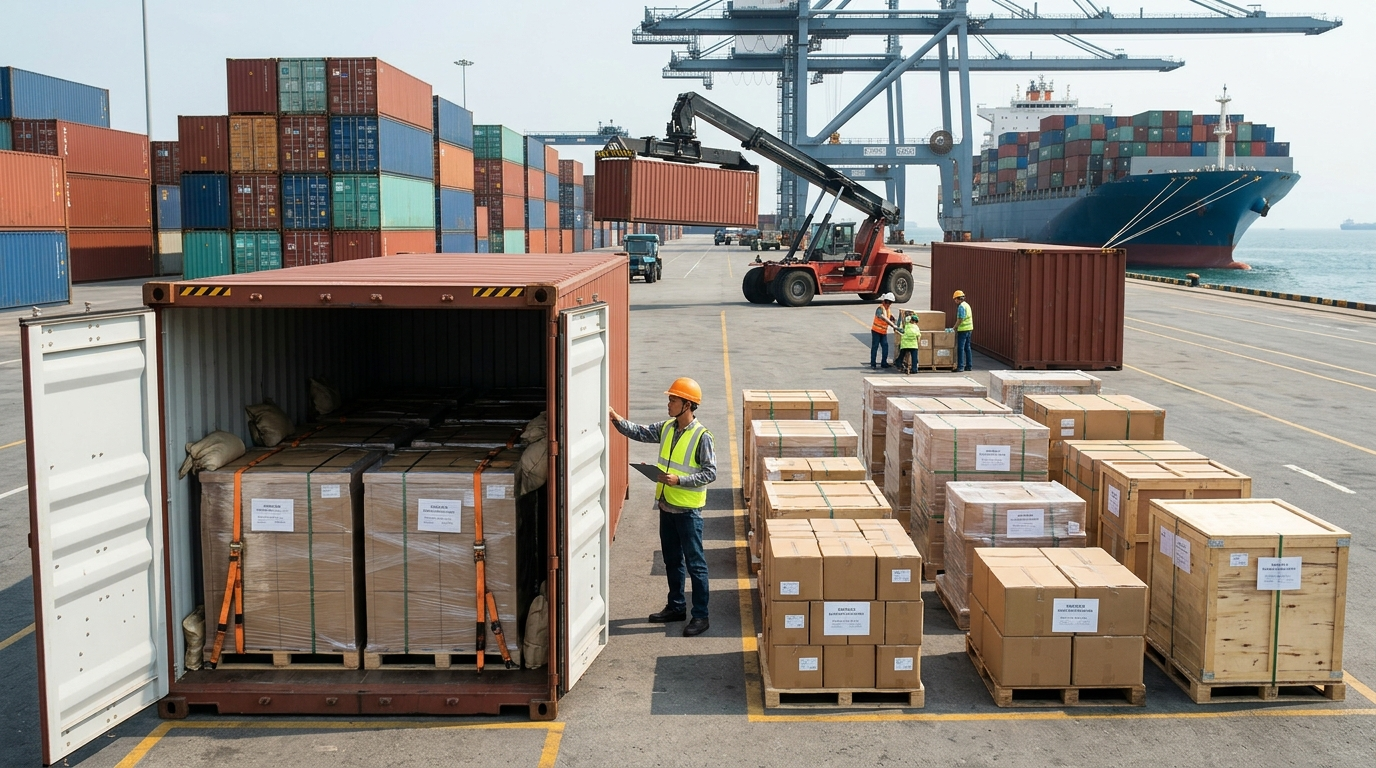
Before requesting a quotation, businesses should standardize the cargo description, number of packages, outer dimensions, total CBM, weight, pickup and delivery addresses, port of loading, port of discharge, and expected schedule. If there are special requirements regarding storage, stacking, or delivery, these should be communicated from the outset so that the transportation provider can select an appropriate solution.
Next, businesses should check the HS code, import and export policies, taxes, and any specialized permits or documents required for regulated goods. HS codes and tax rates should not be determined solely based on commercial product names; they must be based on the goods' nature, composition, intended use, and technical documentation. Businesses can refer to guidance from General Department of Vietnam Customs and relevant regulations from Ministry of Industry and Trade to determine the regulatory requirements applicable to each product.
Before delivering the cargo, cross-check the Commercial Invoice, Packing List, customs declaration data, and bill of lading information. Also confirm the CFS delivery location, consolidation schedule, cut-off time, and responsibilities for document processing. Aligning information from the beginning helps minimize document amendments, customs clearance delays, and freight adjustments caused by discrepancies between declared data and the actual cargo.
Packaging must also be controlled according to the characteristics of the goods. Packaging should provide sufficient load-bearing capacity, appropriate cushioning, moisture protection when necessary, and clear labeling. For fragile or non-stackable goods, businesses should notify the freight forwarder in advance to arrange appropriate handling and minimize risks during consolidation.
G-LOGS JSC provides logistics solutions tailored to actual business needs, from consulting on international ocean freight FCL/LCL, air freight, and comprehensive customs clearance to domestic container transportation. Coordinating these services within a single plan helps businesses manage schedules, service scopes, and transportation budgets more conveniently.
In summary, understanding what CBM is helps businesses calculate cargo volume accurately, but choosing FCL or LCL should be based on total costs, cargo characteristics, and the delivery requirements of each shipment. Contact G-LOGS JSC for consultation, shipping option comparisons, and a suitable quotation before confirming your booking.