 EN
 VI
 ZH
In international sea freight, less-than-container-load (LCL) cargo must be consolidated and processed before being loaded into a shared container. So, what is a CFS warehouse, how does it operate, and what charges do businesses need to pay? Understanding the process helps cargo owners manage documentation, minimize storage time, and choose the most suitable shipping option.
1. What Is a CFS Warehouse? Its Functions and Role in LCL Shipping

1.1. Definition of a CFS Warehouse and Differences Between CY, ICD, and Bonded Warehouses
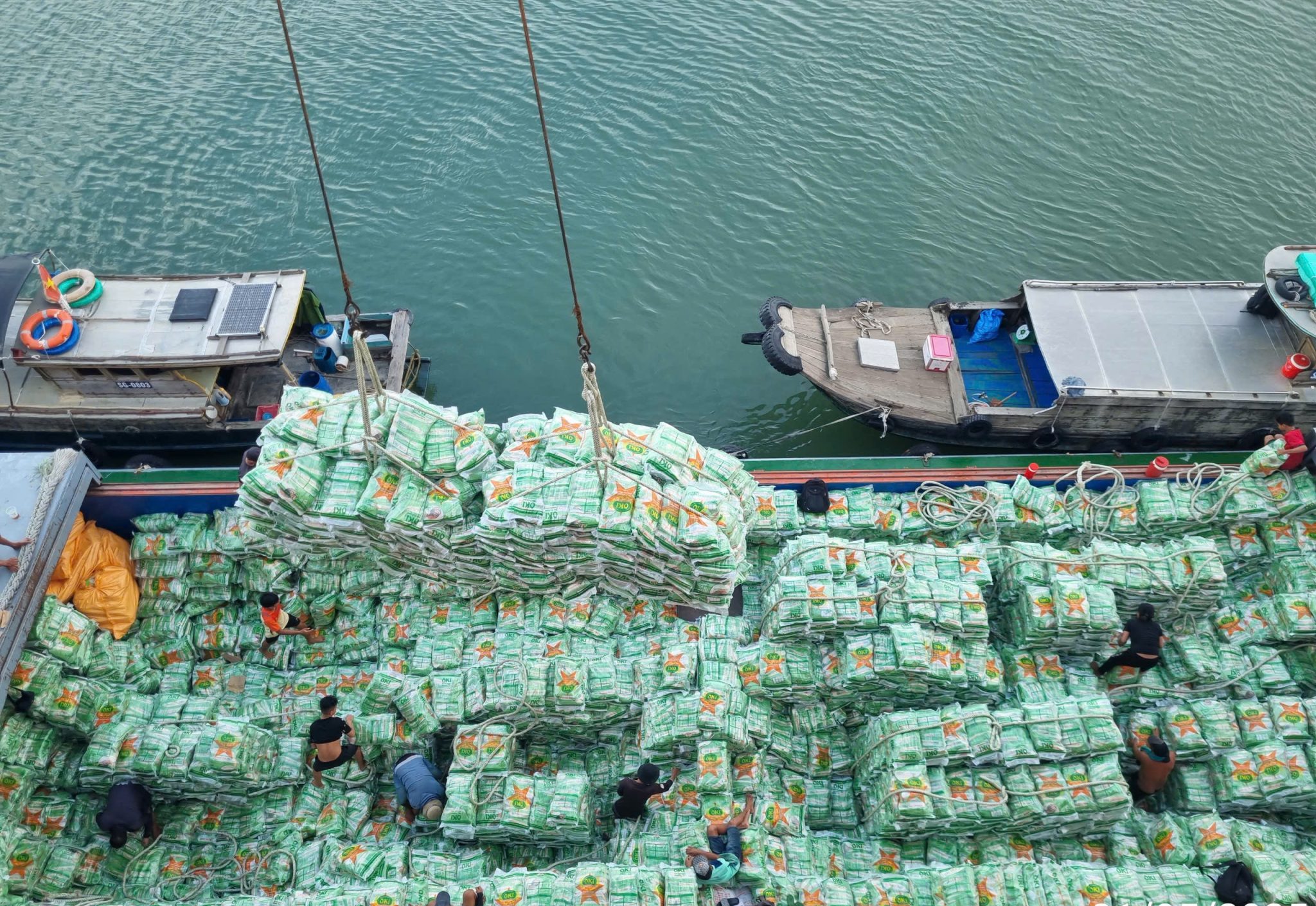
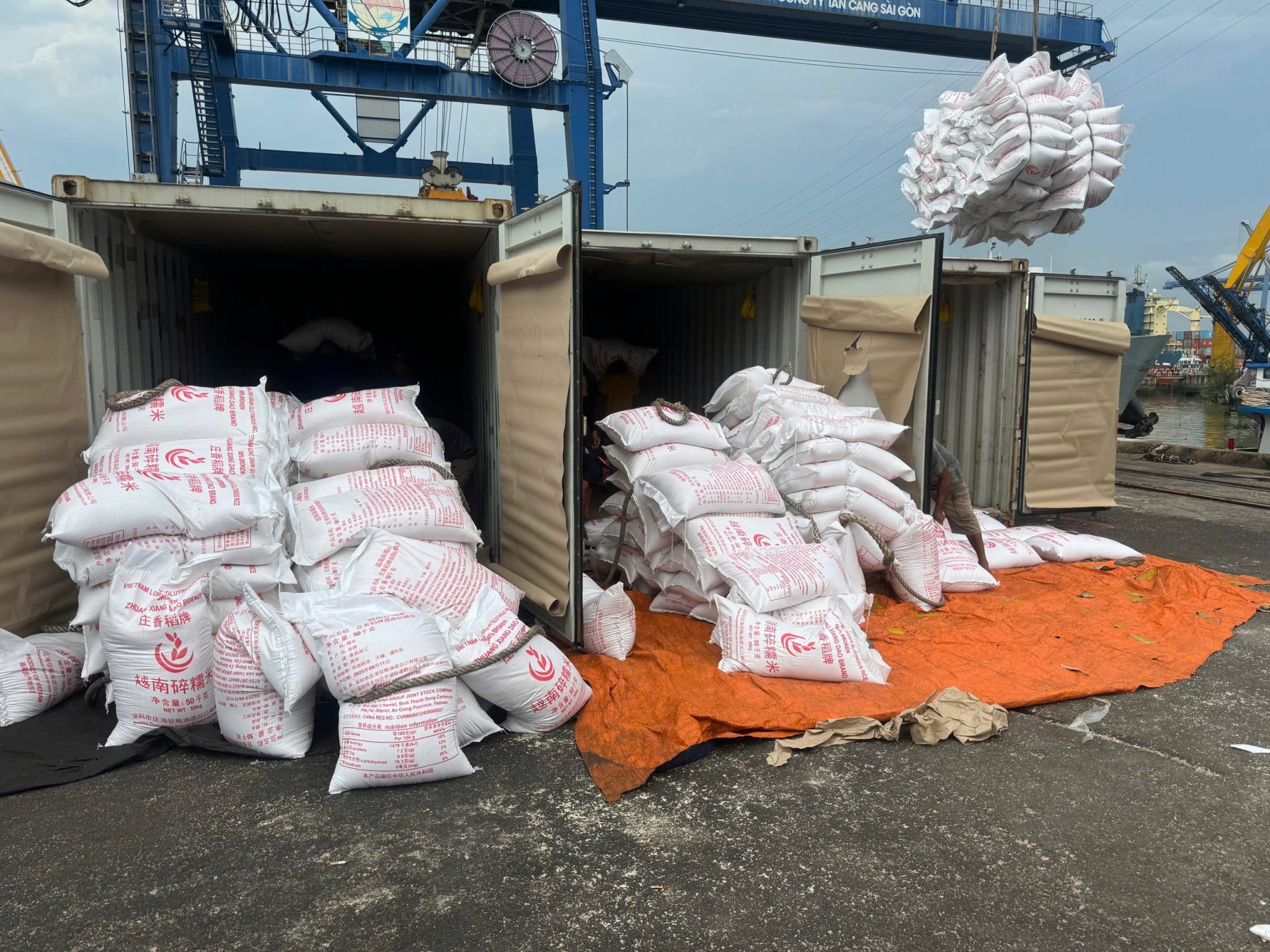
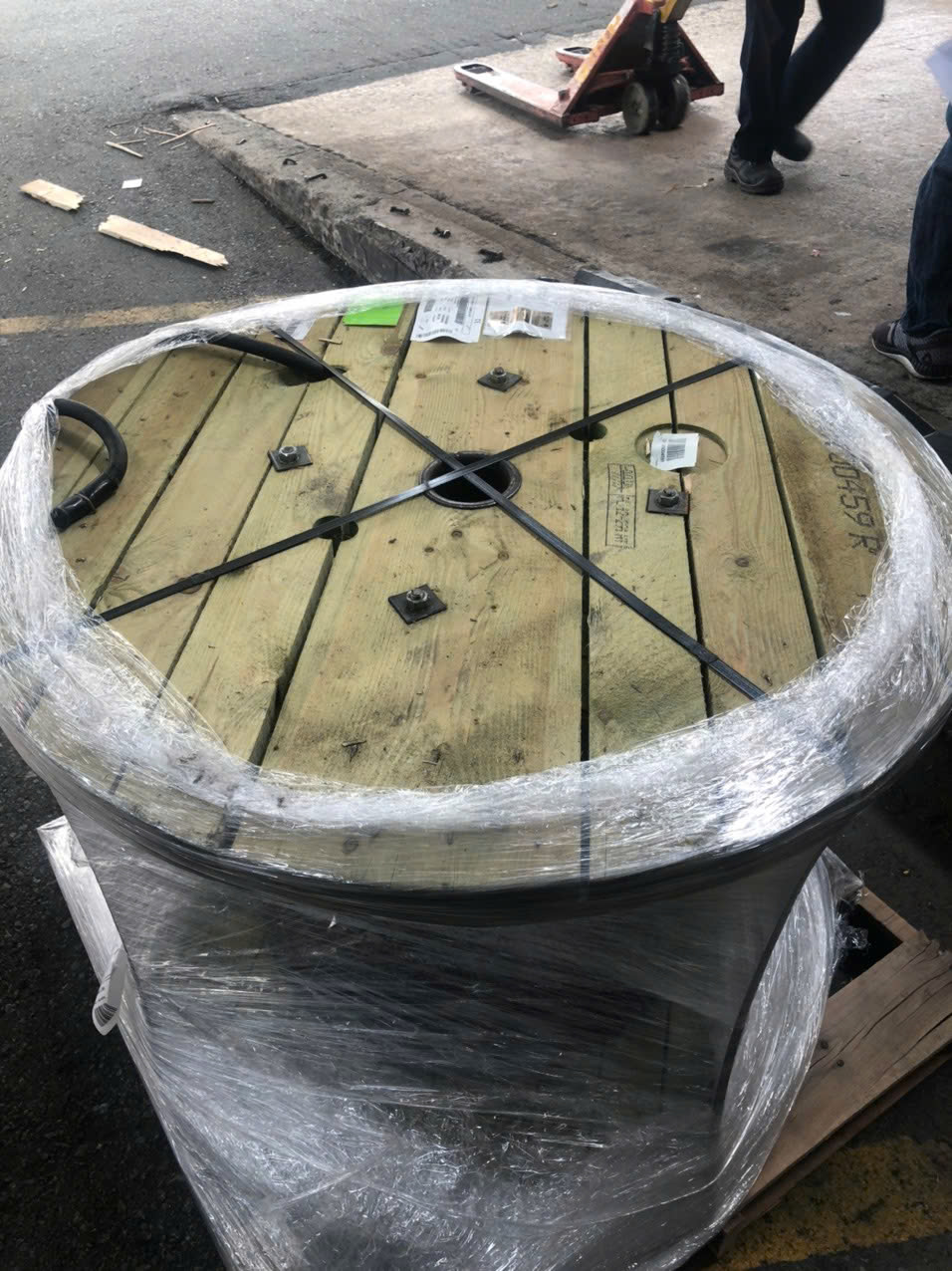
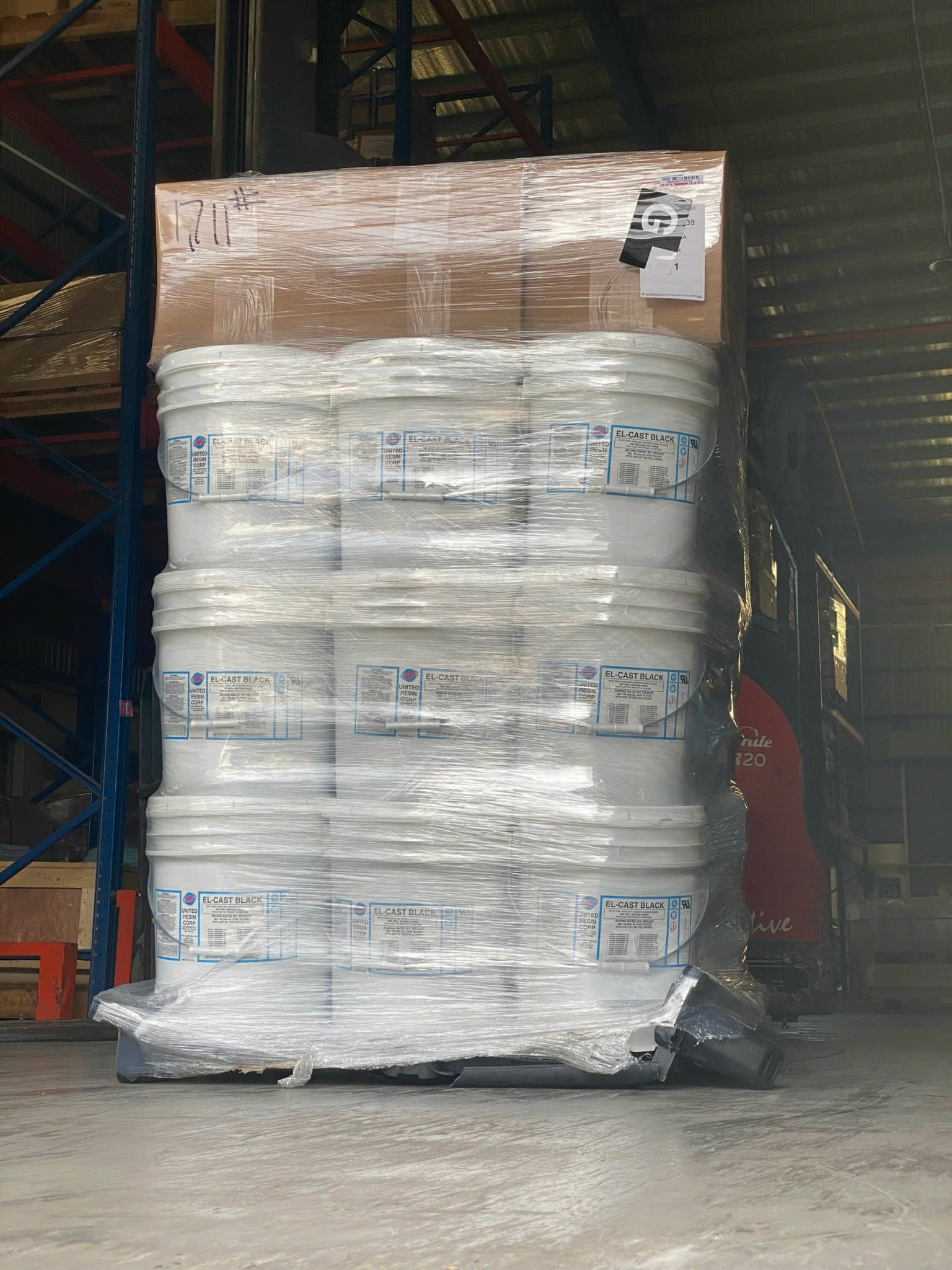
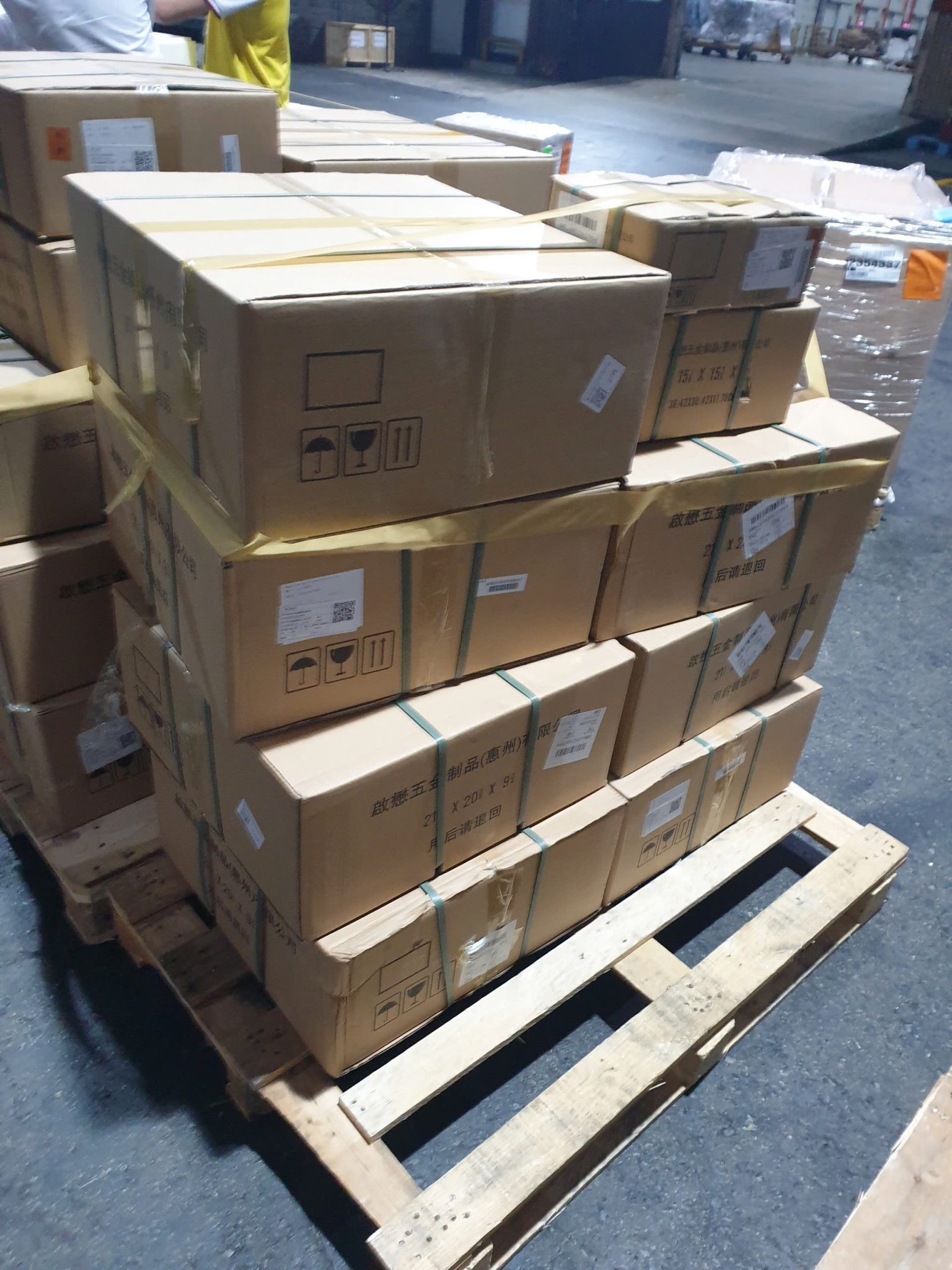
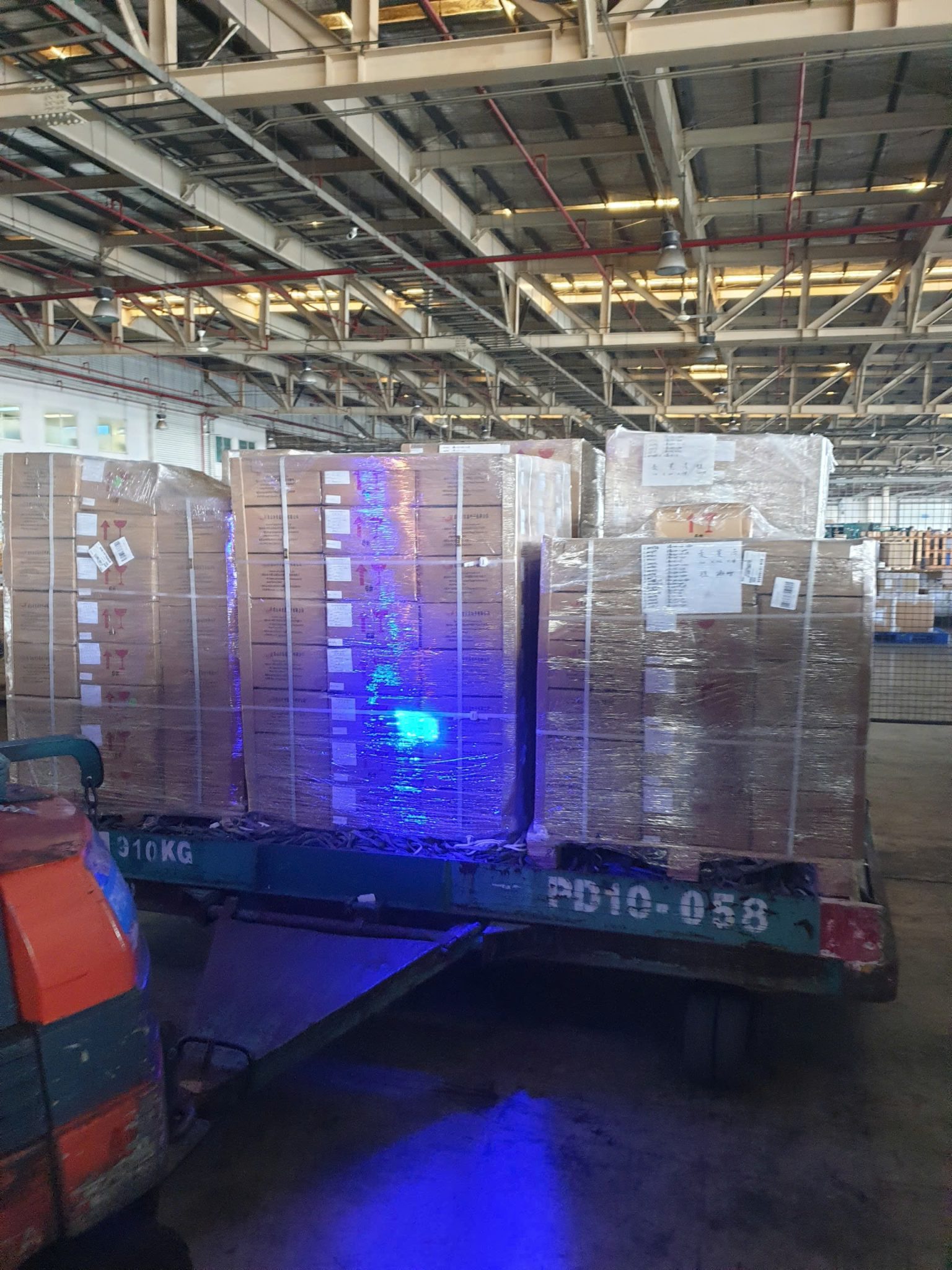
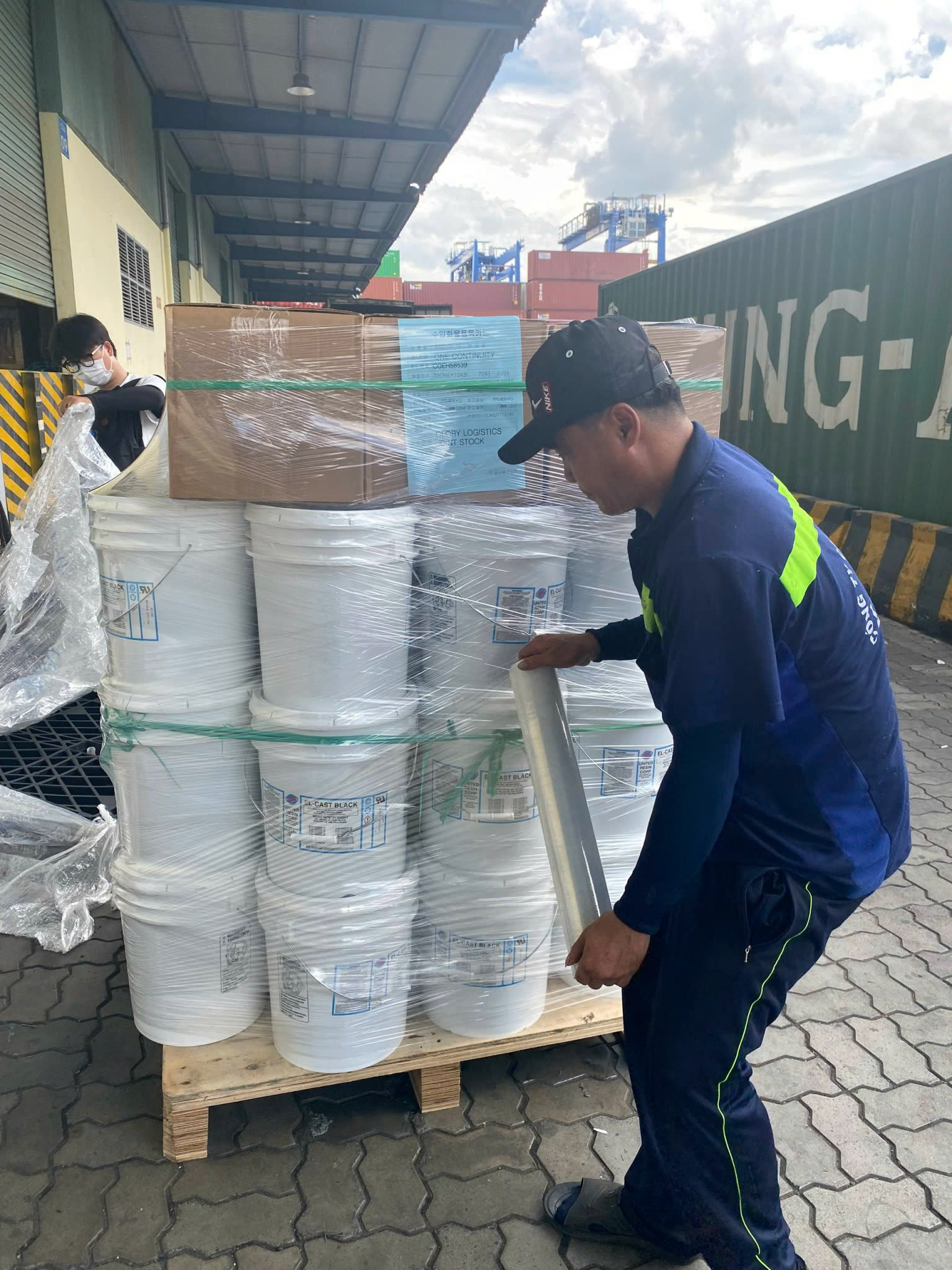
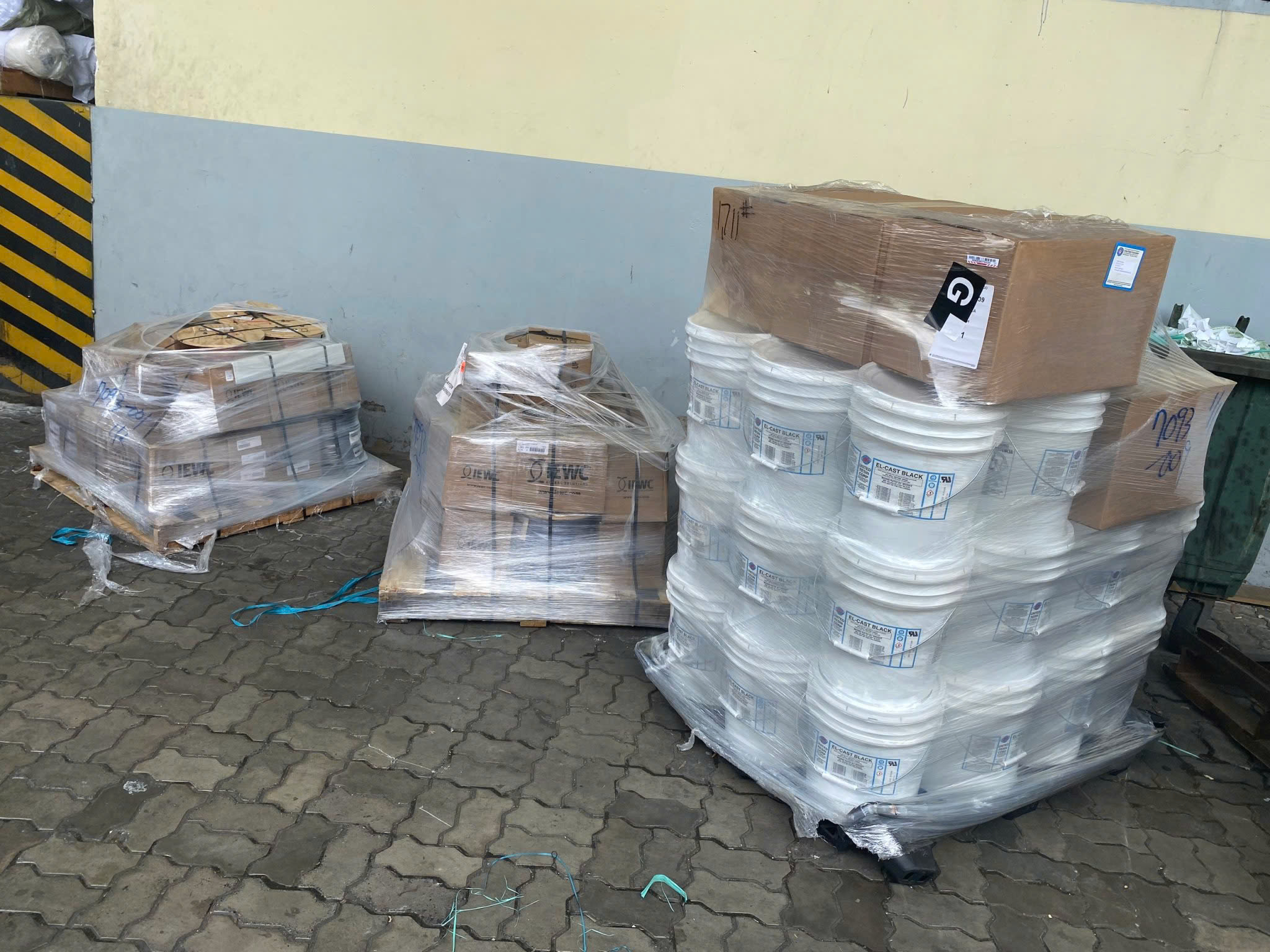
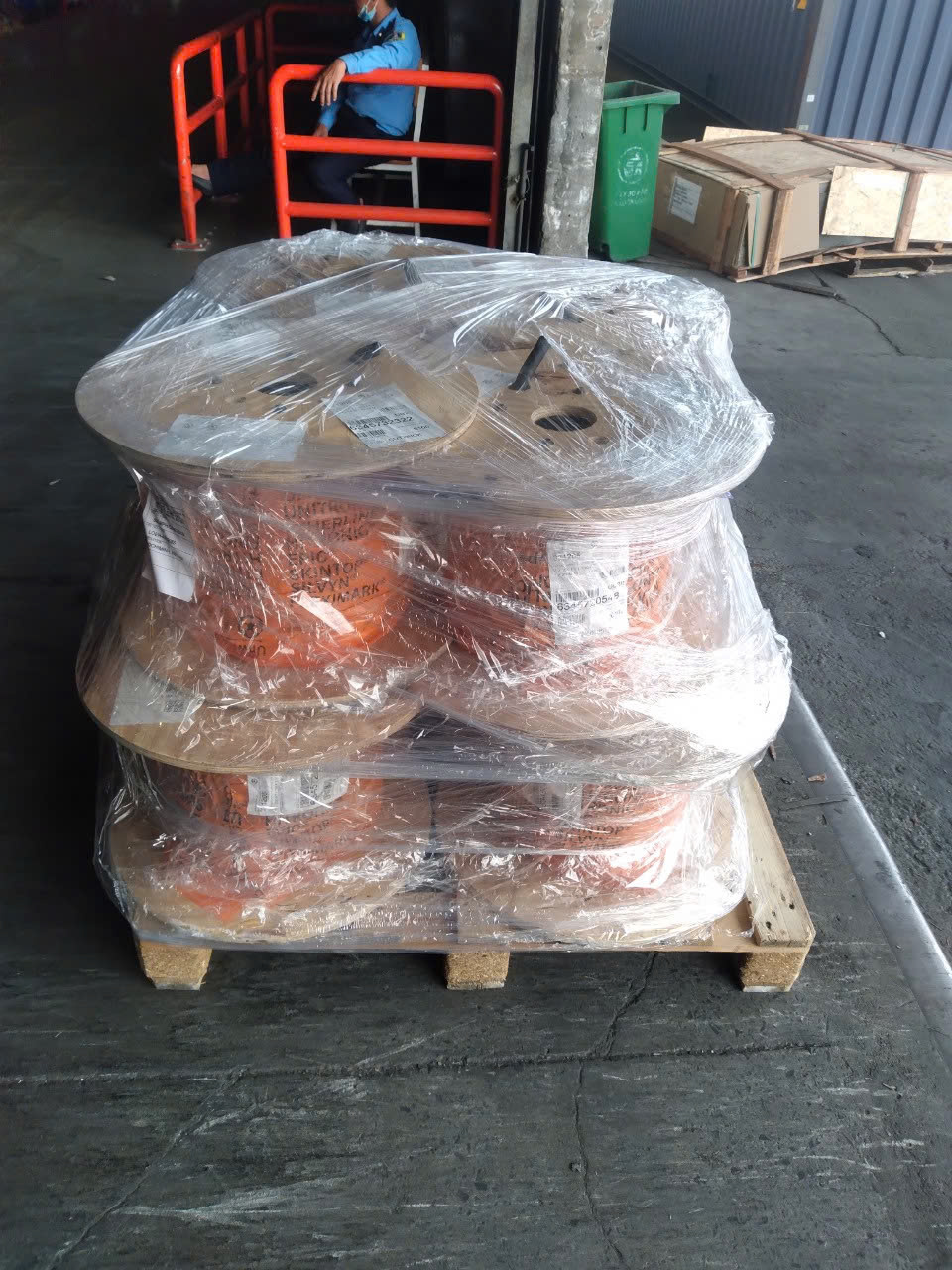
A CFS (Container Freight Station) warehouse is a facility where import and export cargo transported under the LCL (Less than Container Load) method is collected, sorted, counted, consolidated, or deconsolidated. Multiple shipments belonging to different cargo owners can be loaded into the same container and then distributed separately at the destination port.
An export CFS warehouse receives LCL cargo and consolidates it into containers before handing them over to the shipping line. Conversely, an import CFS warehouse receives containers, unloads the cargo, sorts it according to the bills of lading, and releases each shipment to its respective consignee once all delivery requirements have been met.
- CFS: Handles LCL cargo, counting, consolidation, and container deconsolidation.
- CY (Container Yard): A designated yard for container collection, storage, and handling.
- ICD: An inland container depot that performs logistics operations and related procedures within its licensed scope.
- Bonded warehouse: Stores goods under a separate customs management and supervision regime.
The operational chain involves Shippers, Consignees, Forwarders, Consolidators, warehouse operators, shipping lines, and customs authorities. Responsibilities for cargo handling, document provision, preservation, and payment are determined by contracts and applicable regulations.
1.2. When to Choose LCL Shipping and How to Calculate CBM for Less-than-Container Loads
LCL is suitable for shipments that do not have sufficient volume or weight to justify using an entire container. Businesses share shipping space with other shippers but must account for additional handling costs and cargo consolidation time at the CFS warehouse.
CBM calculation formula: Length × Width × Height (meters) × number of packages. If dimensions are measured in centimeters, use Length × Width × Height × number of packages / 1,000,000. For example, 10 packages measuring 60 × 50 × 40 cm have a total volume of 1.2 CBM.
CBM represents cargo volume, Gross Weight refers to the total weight including packaging, while Net Weight refers to the weight of the goods alone. Under the W/M principle, LCL freight charges are generally calculated using the higher value between CBM and weight measured in metric tons, depending on the shipping route's conventions. The minimum freight charge should also be checked.
The decision to choose LCL or FCL should be based on total door-to-door costs, cargo characteristics, the number of delivery and collection points, and the risk of damage during consolidation. As shipment volume increases, FCL may become more economical even if the container is not used to its full capacity.
2. LCL Cargo Consolidation Process at a CFS Warehouse

2.1. LCL Export Process from the Shipper's Warehouse
Step 1 – Booking: The Forwarder receives information about the port of loading, port of destination, vessel schedule, number of packages, weight, CBM, and CFS cut-off deadline. Dangerous goods, fragile cargo, or special cargo must have their acceptance conditions confirmed before booking.
Step 2 – Document Preparation: The shipper provides the Commercial Invoice, Packing List, Shipping Instruction, commercial contract when required, and relevant specialized documents. Information regarding product descriptions, origin, quantity, and weight must be consistent.
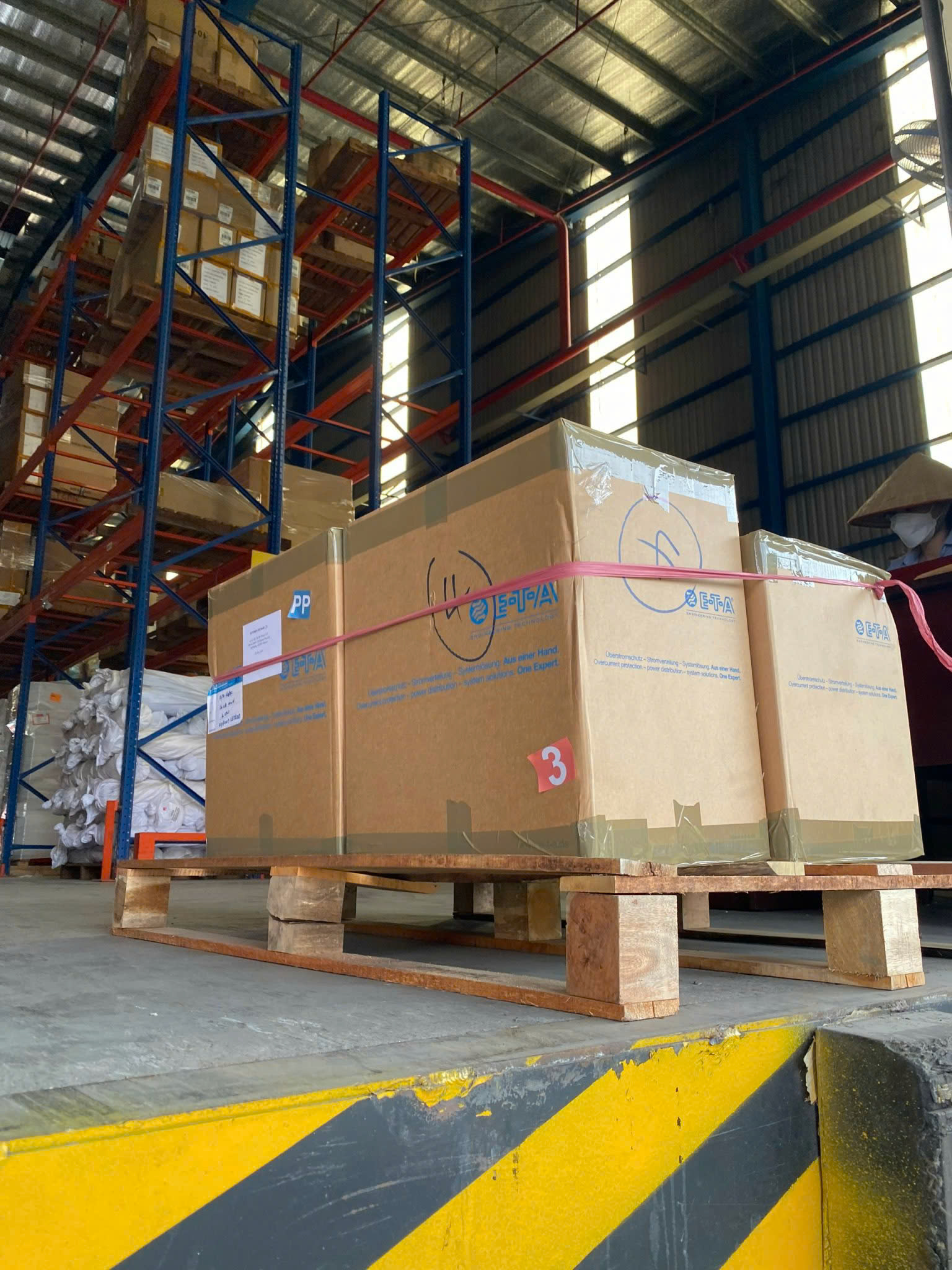
Step 3 – CFS Warehouse Receiving: The cargo is transported to the designated facility, where its packaging is inspected, weighed, measured, and counted. The warehouse issues a warehouse receipt or cargo handover record and notifies relevant parties of any discrepancies against the booking for resolution.
Step 4 – Customs Procedures: The business declares the correct HS code, export type, and applicable commodity policies; fulfills tax obligations and undergoes physical inspections or specialized inspections when required by regulations.
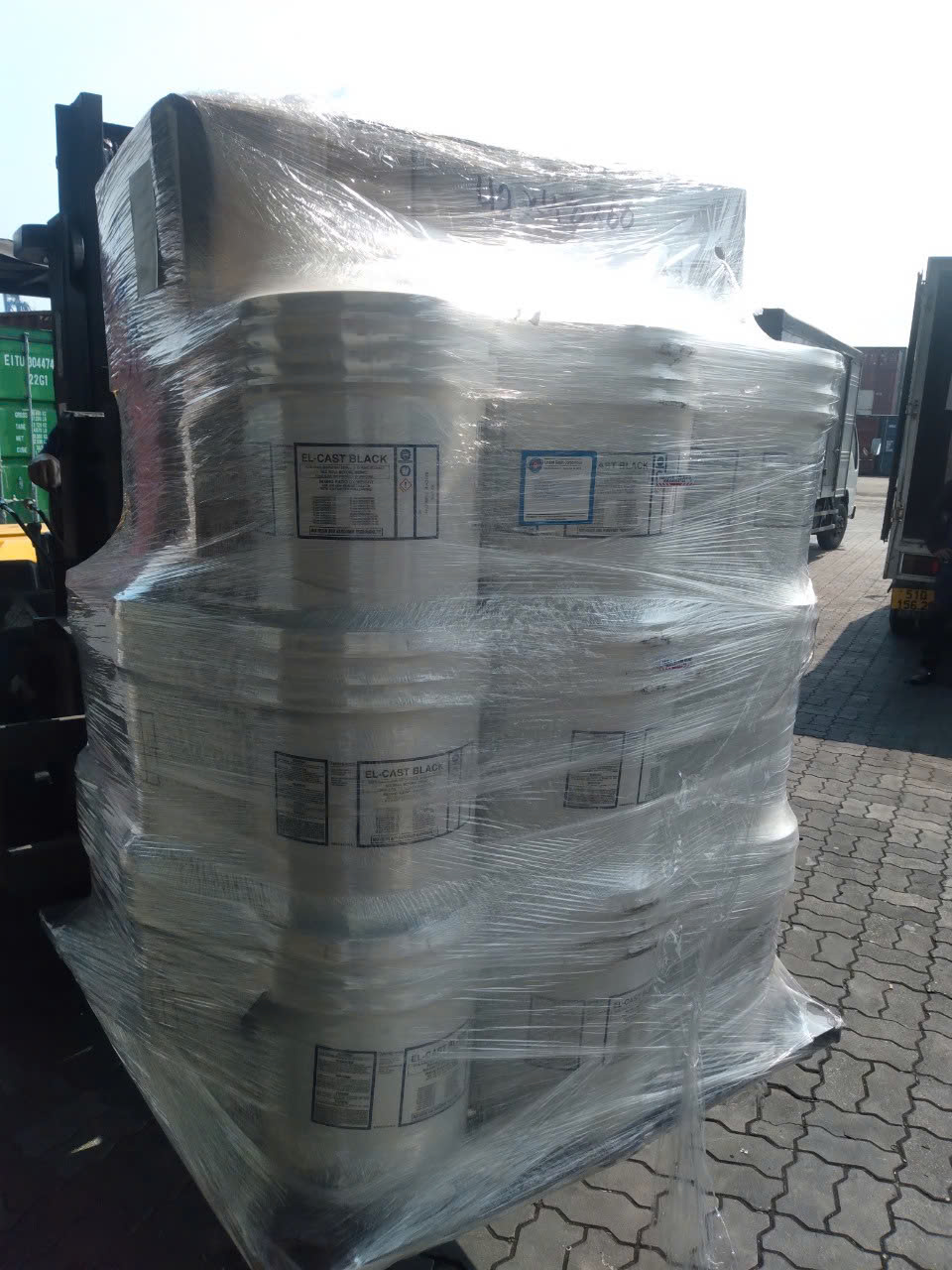
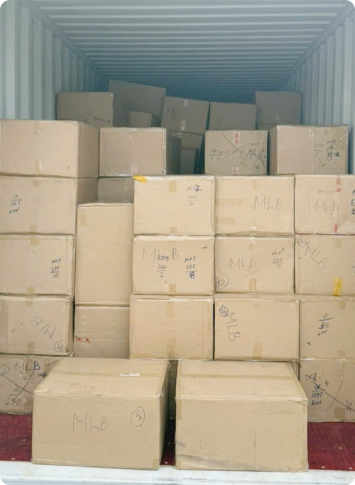
Step 5 – Cargo Consolidation: The Consolidator sorts cargo by route and destination port, arranges loading positions, and checks the compatibility of individual packages. Heavy, fragile, or specially handled cargo requires an appropriate loading plan.
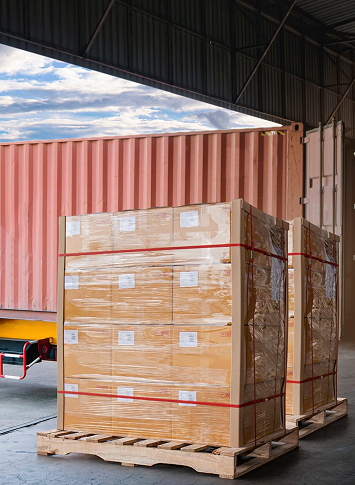
Step 6 – Container Handover: After loading and sealing, the responsible party completes container data, provides VGM as required, and hands the container over to the shipping line. The House Bill of Lading (HBL) is issued according to the agreement, with its data reconciled against the Master Bill of Lading (MBL).
The warehouse's confirmation of cargo receipt does not mean that the container has been loaded onto the vessel. Shippers should separately monitor the CFS cut-off, SI cut-off, VGM cut-off, and ETD to avoid missing the vessel or incurring additional charges.
2.2. LCL Import Process and Cargo Delivery to the Consignee
Step 1 – Receiving the Arrival Notice: The Consignee checks the Arrival Notice, HBL/MBL, Invoice, Packing List, designated CFS warehouse, and expected cargo availability time. The number of packages, CBM, and weight must be cross-checked.
Step 2 – Container Transfer: The shipping line or consolidator arranges the transportation of the container to the CFS warehouse according to the operational plan while fulfilling applicable transfer and customs supervision requirements.
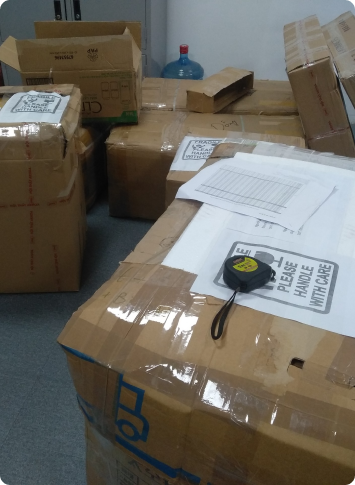
Step 3 – Cargo Deconsolidation: The warehouse opens the container according to its procedures, sorts each shipment by HBL, counts the cargo, and prepares warehouse receiving documents. The seal condition, packaging, missing packages, and signs of damage must be recorded.
Step 4 – Customs Clearance: The importer declares the HS code, customs value, applicable commodity policies, import duties, and value-added tax. Licenses or specialized inspection results must be submitted when the goods are subject to regulatory control.
Step 5 – Completing Cargo Delivery: After satisfying customs requirements, the consignee presents the delivery order or documents required by the warehouse and pays any charges that are due.
Step 6 – Cargo Collection: The business physically inspects the goods, signs the handover confirmation, and transports the cargo to its own warehouse. Warehouse release notes, photographs of the cargo condition, and discrepancy reports serve as the basis for reconciliation or claims.
3. What Are CFS Charges? How to Calculate Costs and Control Additional Expenses

3.1. CFS Charge Structure and LCL Shipping Cost Estimates
CFS charges (CFS Charge) are fees collected for LCL cargo handling activities at a warehouse, covering the operations included in the agreed service scope. Rates vary depending on the operator's tariff, export or import direction, cargo type, and billing unit.
These charges should be distinguished from ocean freight, THC, handling fees, documentation fees, customs declaration fees, storage charges, and domestic transportation costs. Some quotations already include certain operations, so the charge scope must be confirmed to avoid duplicate payments.
| Charge Item | Direction | Unit | Unit Rate | Quantity | Minimum | Amount |
| Export CFS | Export | CBM/RT | As quoted | According to warehouse tariff | If applicable | As incurred |
| Import CFS | Import | CBM/RT | As quoted | According to warehouse tariff | If applicable | As incurred |
| Handling | Export/import | Shipment | As quoted | Number of shipments | If applicable | As incurred |
| Weighing, measuring, and lifting | Export/import | Package/ton | As quoted | Actual | If applicable | As incurred |
| Warehousing | Export/import | CBM/day | According to tariff | Duration | If applicable | As incurred |
| Documentation | Export/import | Set | As quoted | Number of sets | If applicable | As incurred |
| Special order | Export/import | Kg/shipment | According to conditions | Actual | If applicable | As incurred |
Total LCL Cost = International freight + CFS charges payable by the responsible party + documentation and handling fees + customs costs + import/export duties + domestic transportation + actual surcharges. When preparing an estimate, exclude charges already included in bundled rates.
Incoterms 2026, such as EXW, FCA, FOB, CFR, CIF, and DAP, affect the allocation of transportation responsibilities and costs between buyers and sellers. However, trade terms do not independently determine warehouse tariffs or all local charges for each shipment.
3.2. Controlling Storage Time, Discrepancies, and Customs Documentation
Storage charges commonly arise from delayed customs clearance, missing documents, late cargo collection, incomplete specialized inspections, or a failure to arrange transportation. Businesses should confirm the number of free storage days, when charges begin accruing, and the conditions for cargo release.
Common risks include missing packages, incorrect CBM, incorrect Gross Weight, damaged packaging, or misclassification. HBL, MBL, Invoice, Packing List, warehouse receipts, and customs declarations should be cross-checked. Photographs and cargo counting reports should be retained to establish responsibility for cargo preservation.
For customs procedures involving processing or manufacturing goods, businesses must separately manage the customs regime, contracts, raw material consumption norms, finished products, and settlement reporting obligations in accordance with regulations. The documentation procedures for ordinary commercial LCL cargo should not be applied unchanged.
For used machinery, businesses cannot rely solely on Circular 23 regarding the import of used machinery. Current regulations must be checked, including Circular 56/2026/TT-BKHCN, together with the applicable scope, equipment age, technological criteria, and inspection documentation for each specific case.
Businesses can refer to regulatory management information from Ministry of Industry and Trade and professional guidance provided by customs authorities. Vietnam Logistics Business Association (VLA) is also a reference source for industry activities and practical logistics services.
4. LCL Cargo Consolidation and Customs Declaration Services at G-LOGS JSC

According to company information, with more than 10 years of experience, G-LOGS JSC provides solutions for international ocean freight FCL/LCL, air freight, customs declarations, and domestic container transportation. Solutions are developed based on shipping routes, cargo characteristics, and actual delivery and collection requirements.
G-LOGS supports booking reception, review of Invoices, Packing Lists, HBL/MBL, provisional HS codes, and specialized documents. The company also coordinates vessel schedule monitoring, cut-off deadlines, ETA, cargo deconsolidation progress, and discrepancy handling within the confirmed service scope.
To receive a quotation, customers need to provide the cargo description, number of packages, dimensions, CBM, Gross Weight, provisional HS code, port of loading, port of destination, Incoterms, and pickup and delivery addresses. Complete information enables more accurate comparisons between LCL and FCL options and more precise cost estimates.
Understanding what a CFS warehouse is helps businesses effectively manage cargo consolidation, handling costs, and international delivery schedules. Contact G-LOGS JSC for consultation on FCL/LCL shipping, air freight, and customs declarations to find a solution that optimizes total logistics costs.
G-LOGISTICS TRADING AND SERVICES JOINT STOCK COMPANY (G-LOGS JSC)
Address: 4th Floor, Coalimex Building, 29–31 Dinh Bo Linh Street, Binh Thanh Ward, Ho Chi Minh City, Vietnam.
Phone: (84) 28 3511 5354/5455
Email: info@g-logs.com
Website: www.g-logs.com