 EN
EN  VI
VI  ZH
ZH In international trade, Carriage of goods by sea always plays an important role thanks to its ability to haul large and competitive cost. For import export business, choosing the right modes of transport not only help optimize the budget, but also ensure the supply chain, stable operation, durable.
The article below will comprehensive analysis of the benefits, processes, costs and the latest trend of shipping the year 2026.
Carriage of goods by sea is what?
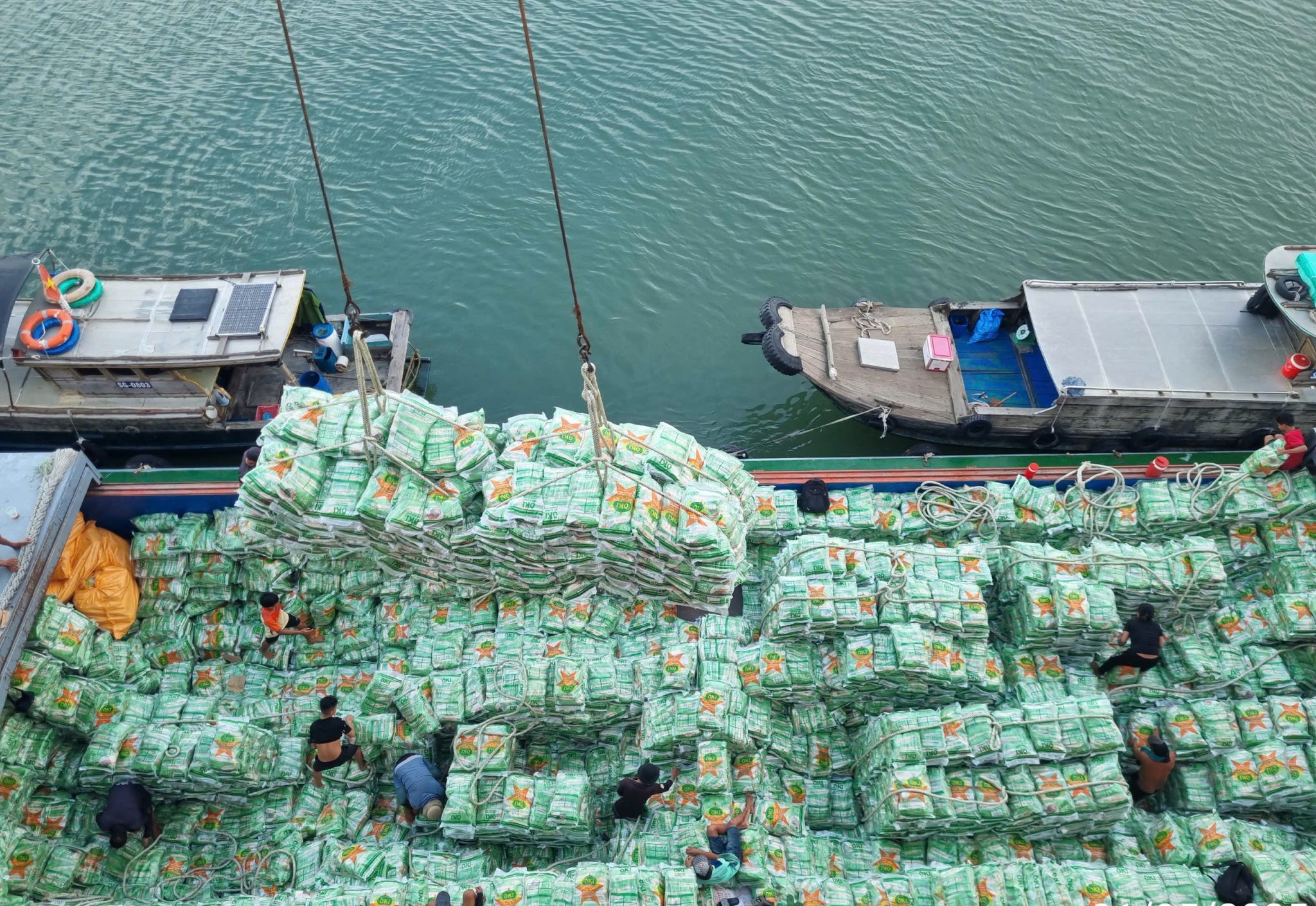
Carriage of goods by sea is the form to use ships to transport goods between ports in the country and international. This is the most common form in global trade, in particular in accordance with:
-
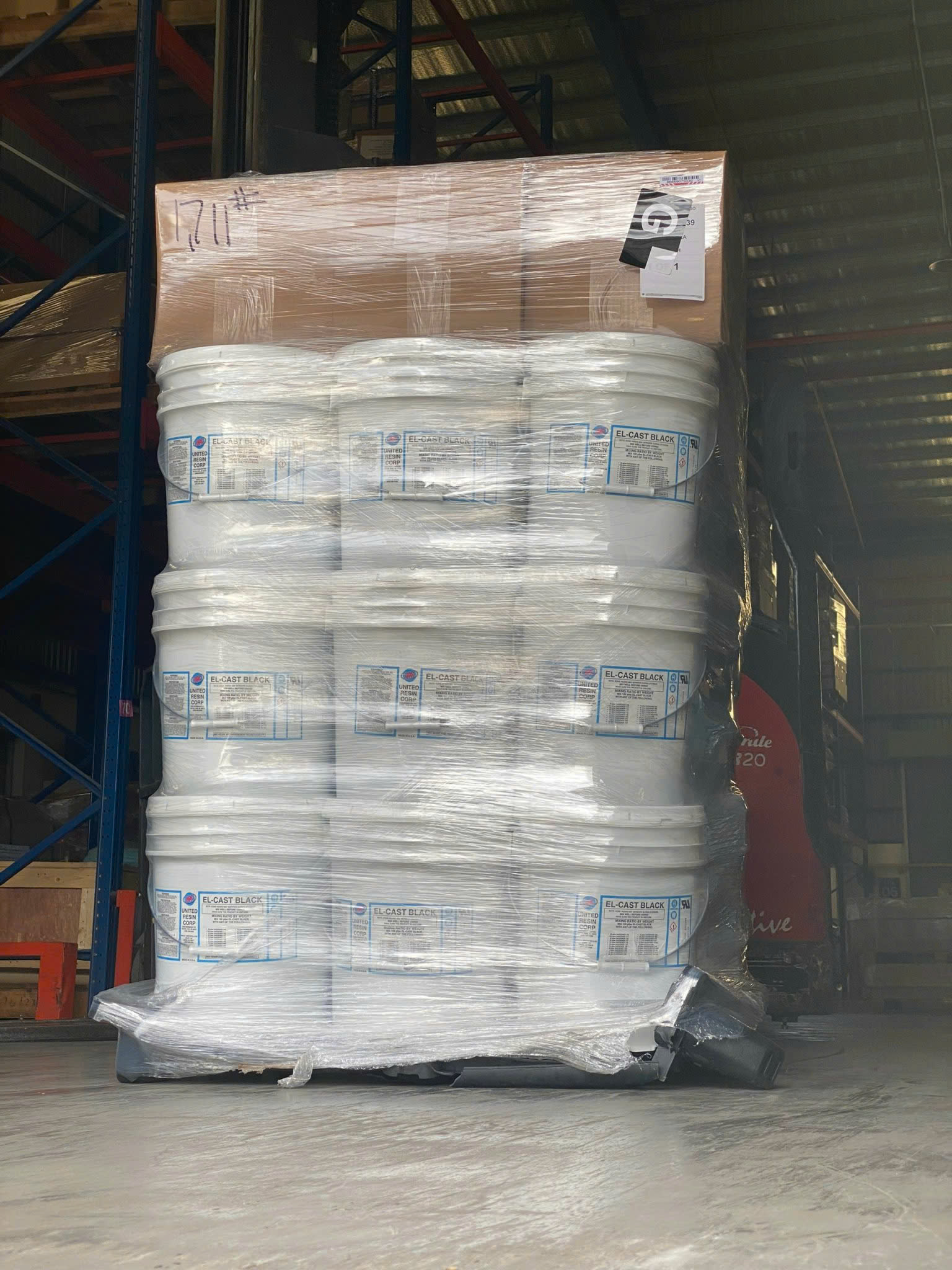
Bulk
-
Bulky, heavy weight
-
Restaurant does not require delivery folding
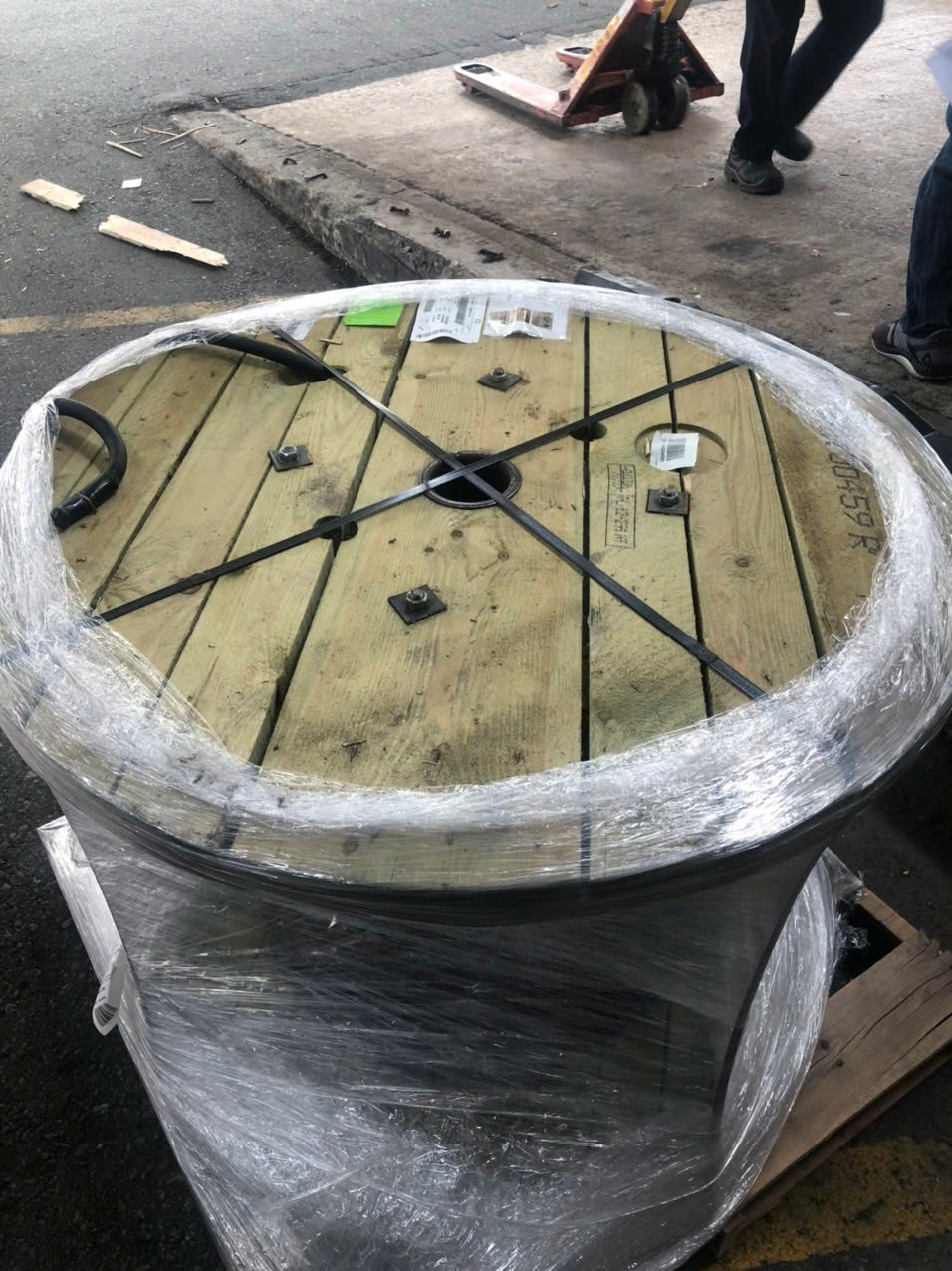
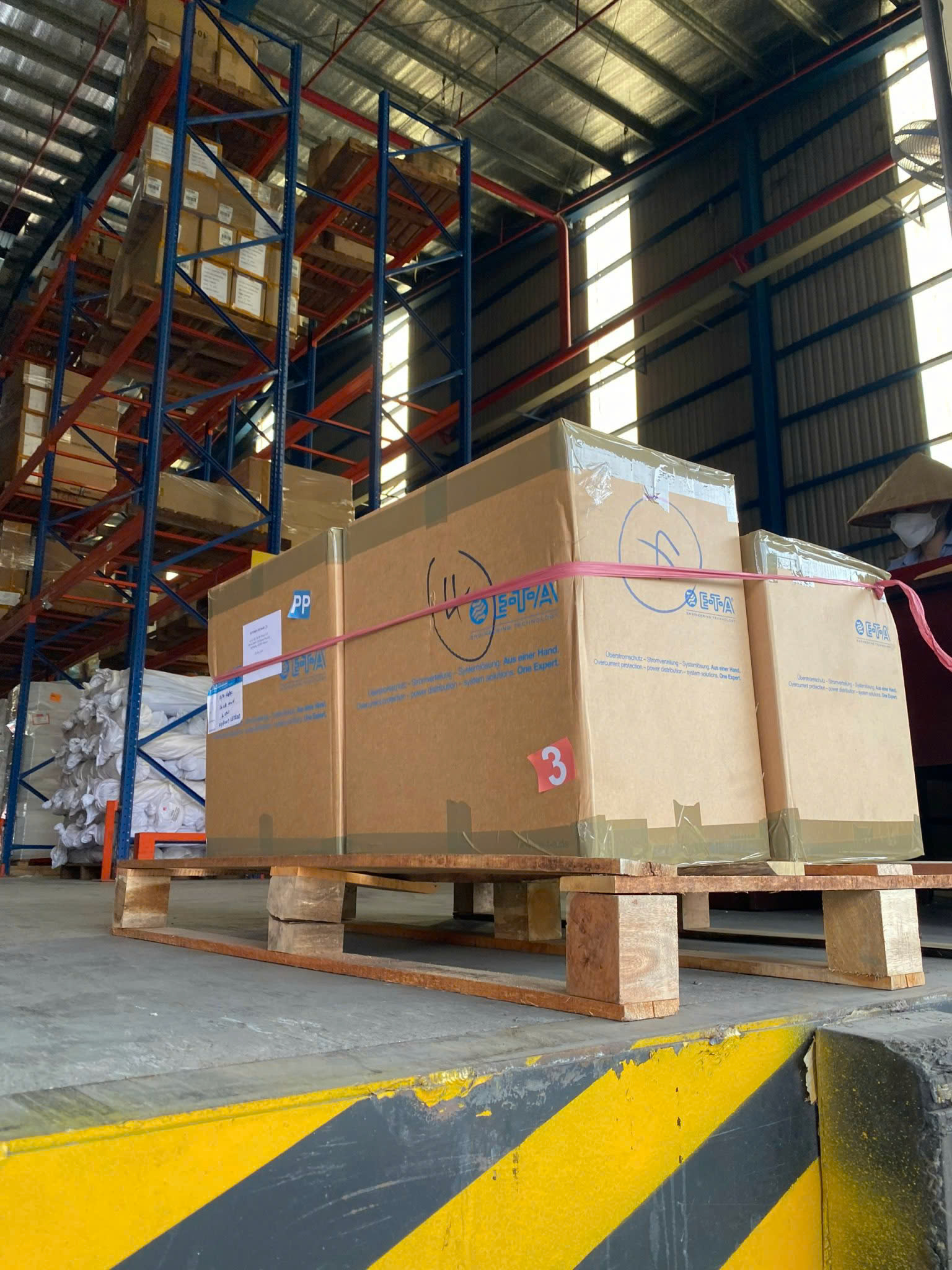
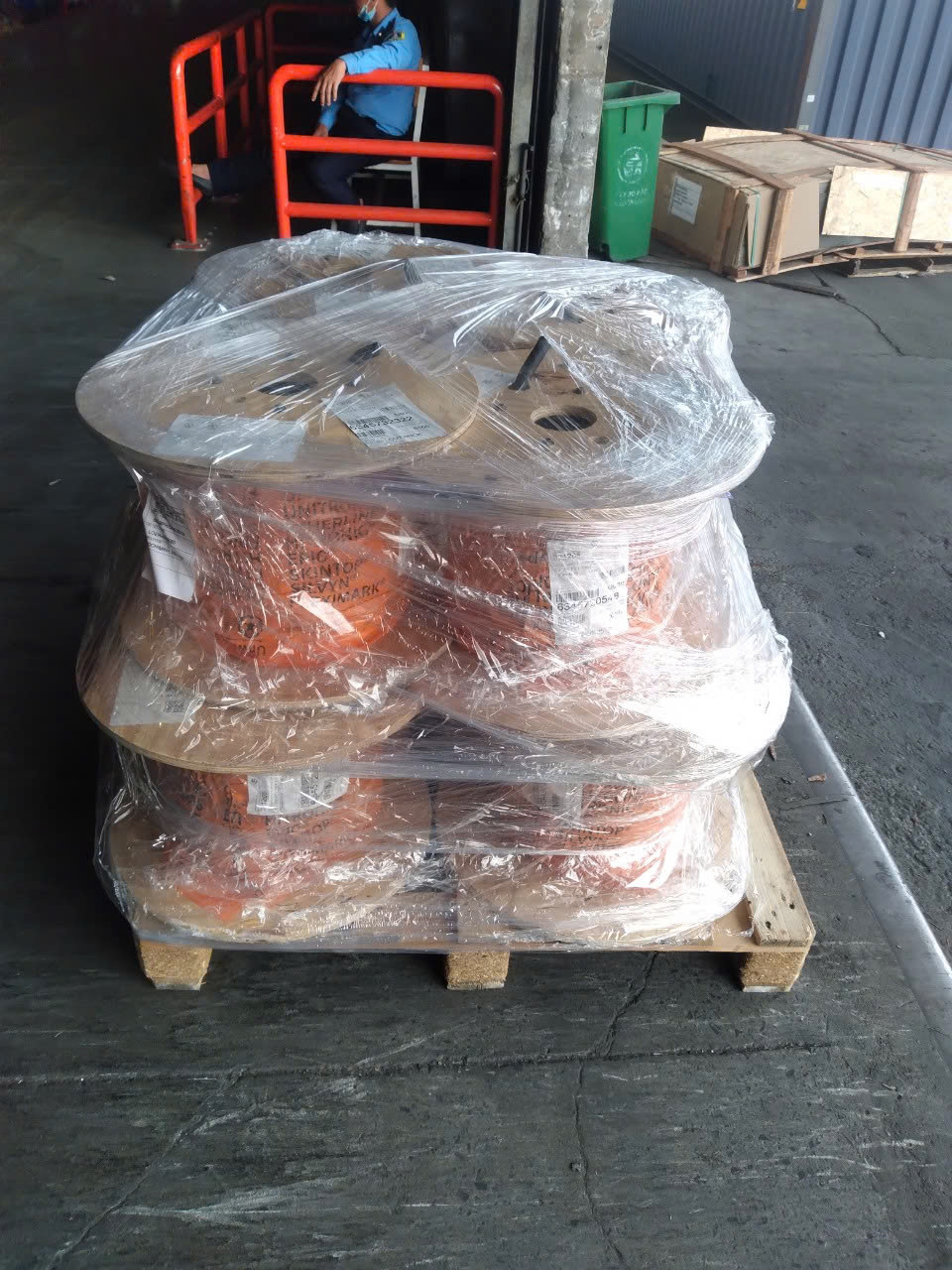
Sea transport can apply for many types such as container, bulk cargo, project cargo or market.
The advantage of shipping goods by sea
1. Lower cost than air
Compared with air transport, the cost of shipping significantly lower, especially when shipping containers raw.
This helps businesses:
-
Discount product
-
Increase profit margin
-
Maintain the ability to compete in international
2. The ability to haul large volumes of
Container ships can carry thousands of TEU in a field trip, helps:
-
Optimal cost by scale
-
Reduce the number of trip shipping
-
Ensure a stable supply of
3. Suitable diverse industry
-
Agricultural products
-
Garments
-
Industrial machinery
-
Construction equipment
-
Consumer directory
The form of sea transport common
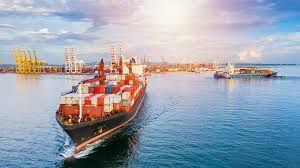
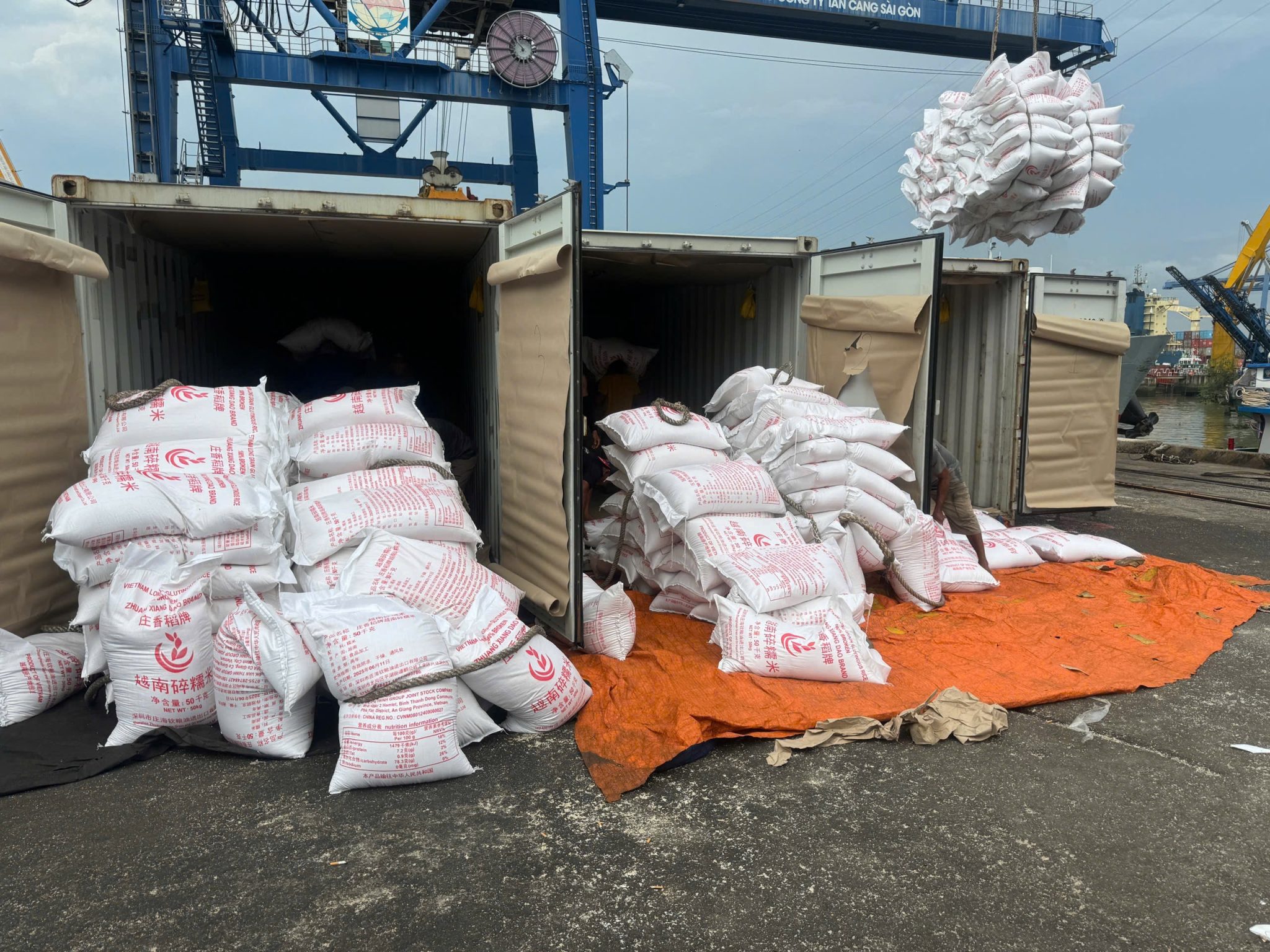
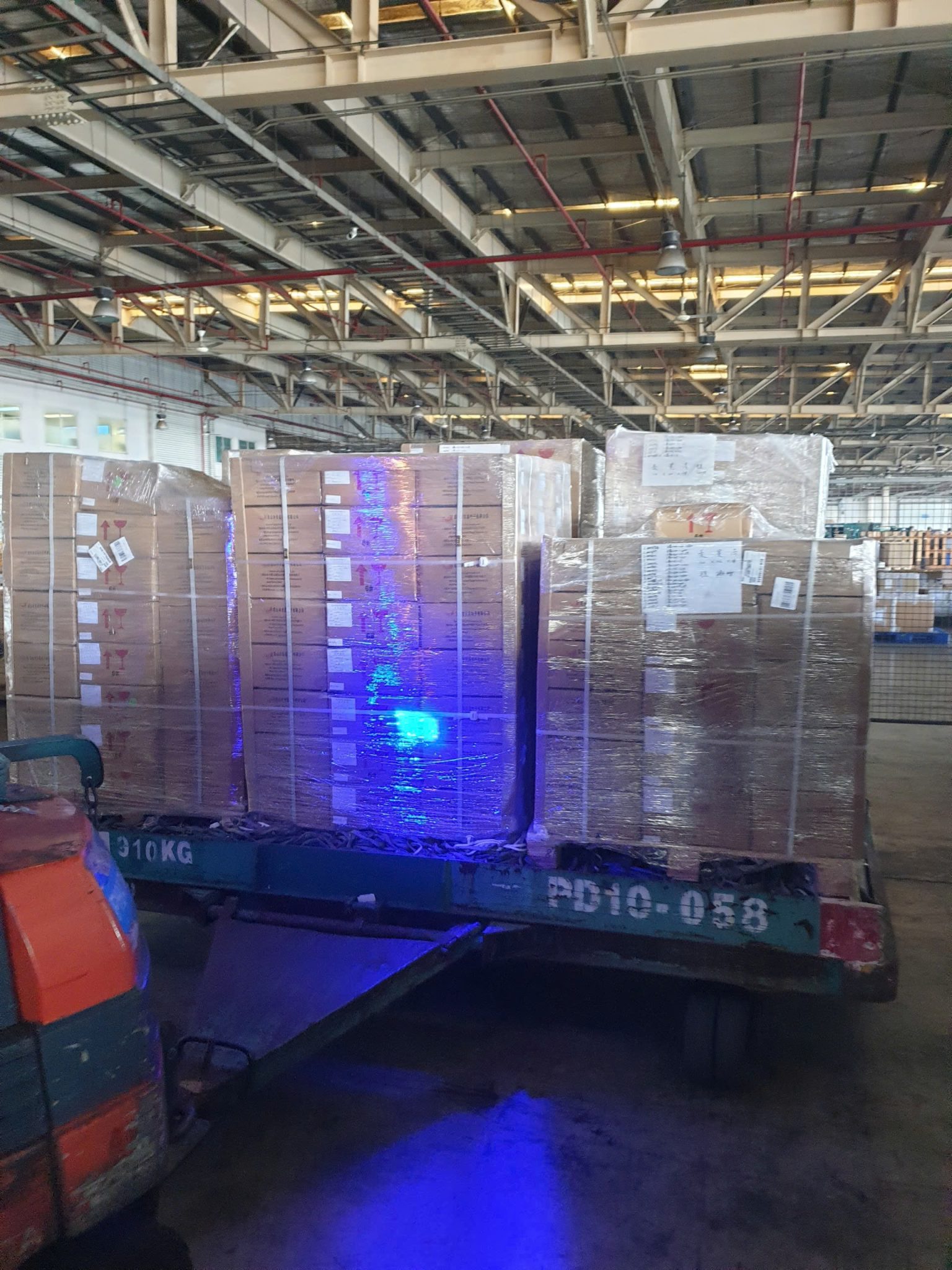
Shipping FCL (Full Container Load)
-
Suitable when enough fcl
-
Freight calculated according to the container
-
Reduce the risk of collision due to non-grafted row
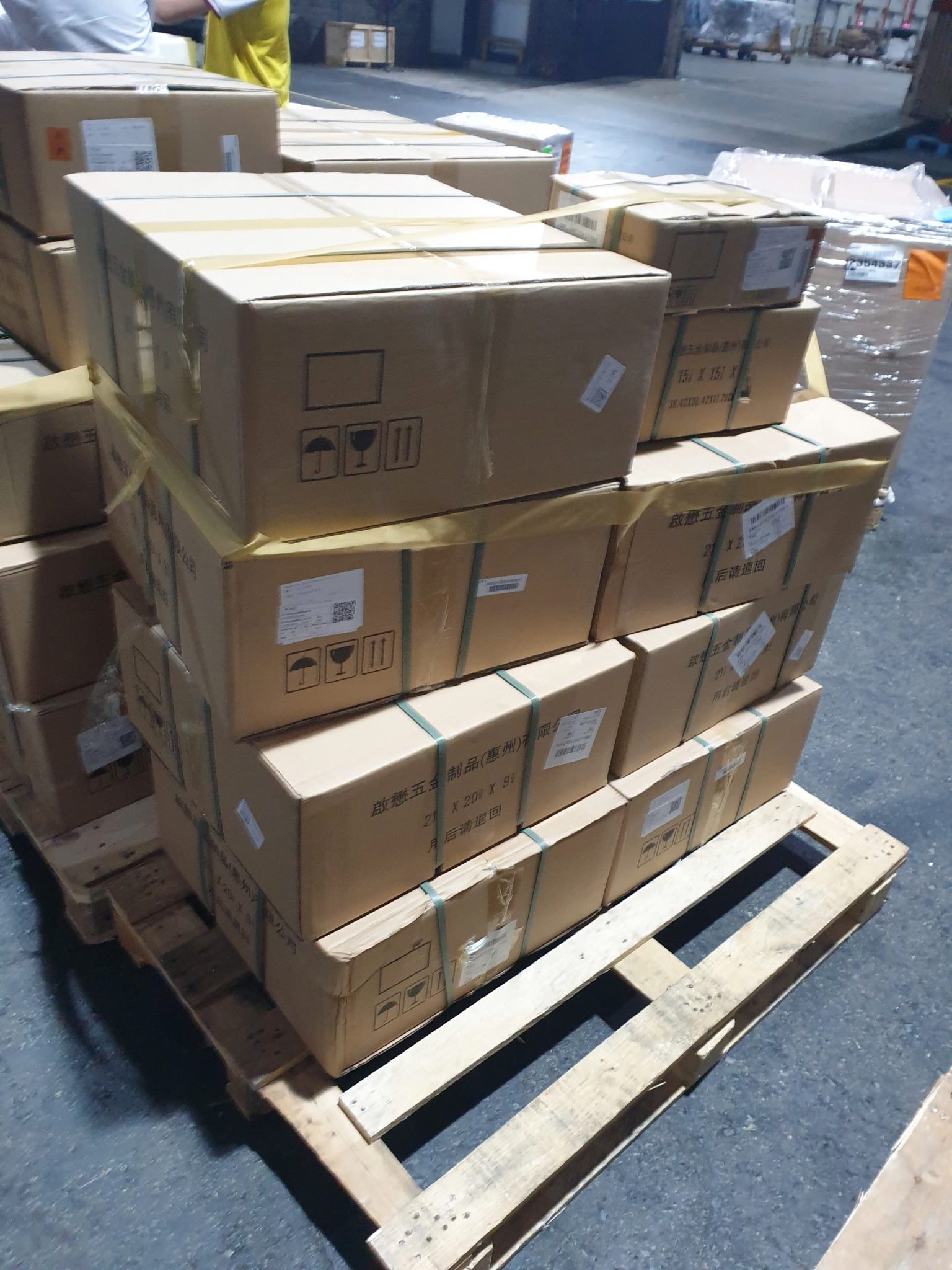
Shipping LCL (Less than Container Load)
-
For small shipments
-
Melding container
-
Charged according to CBM or weight
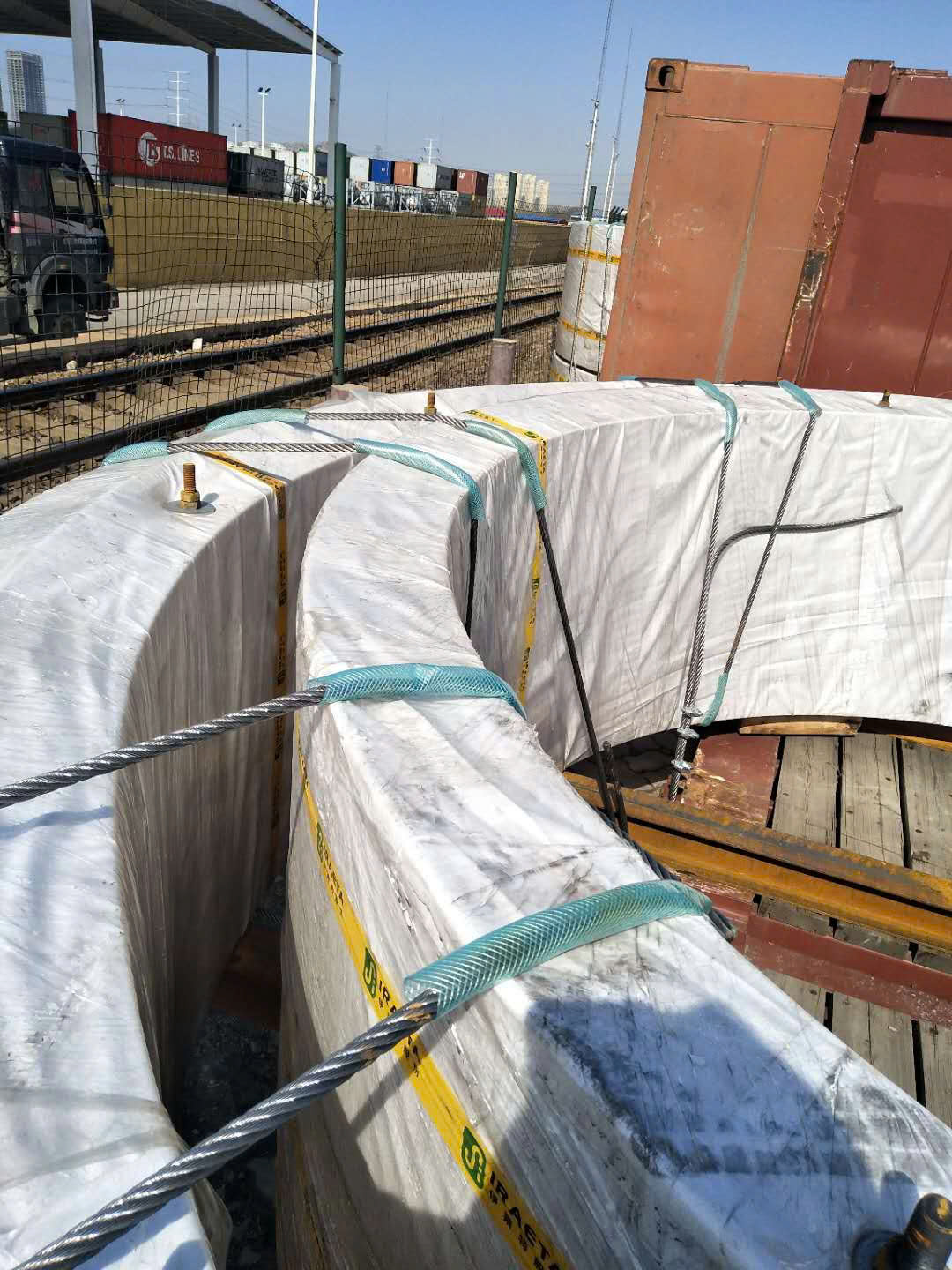
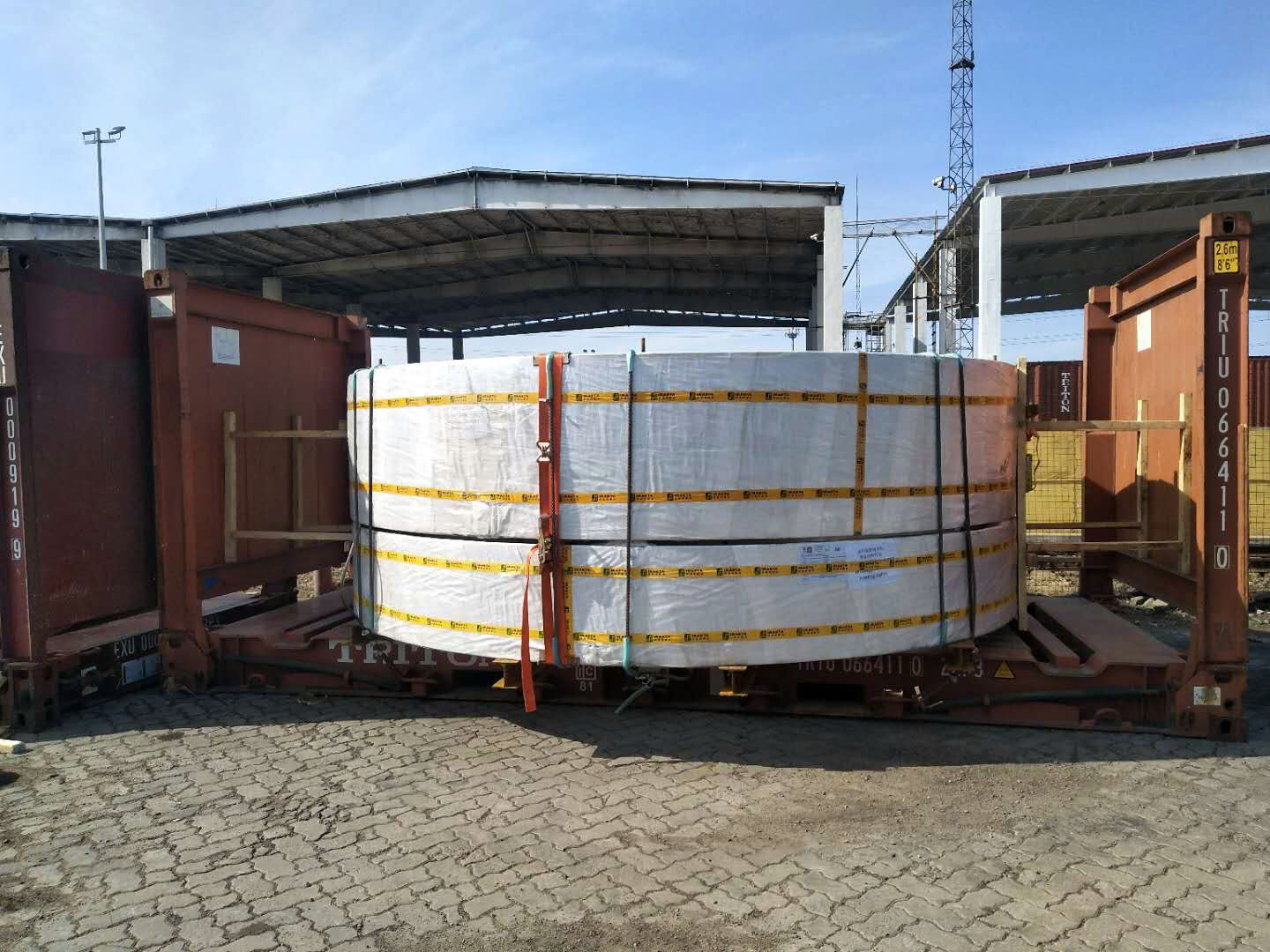
Transport bulk cargo and project cargo
Apply for can't close the container as:
-
Large steel structures
-
Machinery works
-
Power equipment
Process for shipping goods by sea
Standard process often includes:
-
Receiving the request and advice online shipping
-
Quotes and bookings with carriers
-
Packing and shipping out port
-
Customs procedure for export
-
Track cruise ship
-
Customs clearance and delivery at the port of destination
The process is managed closely will help to reduce risks and ensure progress.
The factors that affect the cost of sea transport
Cost Shipping sea cargo depends on:
-
Online, the port of departure – the port to
-
Type of container (20ft, 40ft, 40HC...)
-
Fuel surcharge
-
High season directory
-
Status, demand – supply container
Businesses should monitor the market regularly to proactively plan restaurant.
Risks to note when shipping by sea
Although there are many advantages, sea transport still exists a number of risks such as:
-
Shipping time long
-
Influence of weather
-
The risk of delayed trains or switch port
So, the selection unit logistics credibility is the key element.
Trends in shipping goods by sea 2026
The shipping industry is drastically changed with:
-
Technology application container tracking realtime
-
Optimal schedule, train smart
-
Development of the fleet fuel savings
-
Directions to green transportation, reducing carbon emission
These improvements help Carriage of goods by sea increasingly efficient and more transparent.
When to choose sea shipping?
Business should select this method when:
-
Goods not need folding
-
Need to transport a large number of
-
Want to optimize the cost of long-term
-
Export as often as stabilization plan
Conclusion
Carriage of goods by sea is strategic solutions to help businesses optimize the cost and expand the international market. With the ability to haul large, competitive cost and the network of global connections, this is still the mode of transportation in the year 2026 and subsequent years.
 Contact information G-LOGS
 Website: https://g-logs.com
 E-mail: info@g-logs.com
 Phone: (84) 28 3511 5354 / 5455
 Address: Floor 4, Building Coalimex Building, 29 – 31 Dinh bo Linh Street, Binh Thanh district, ho chi minh CITY. Ho Chi Minh