 EN
EN  VI
VI  ZH
ZH In export-import operations, customs clearance of export and import goods is mandatory steps to ensure the goods are allowed to legitimate traffic across the border. The properly understand and implement the right procedures not only help customers through fast, but also limit the risk of tax, penalty, administrative and slow the progress of the delivery.
1. Customs clearance of goods for import and export is what?
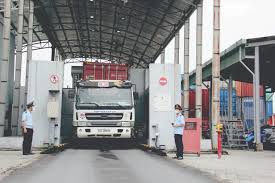
Customs clearance of export and import goods is the entire process of declaration, inspection and confirmation of the customs for the goods when exported or imported, including:
-
Customs declaration in electronic
-
Submit and check the records and documents
-
Reality check goods (if any)
-
The implementation of tax obligations
-
Clearance of goods
This is the legal basis for goods be exported or imported legally.
2. Record the customs procedure of export and import goods
Depending on the type of records can vary, but typically include:
-
Foreign trade contracts
-
Commercial invoice (Invoice)
-
Packing (Packing List)
-
Bill of lading (Bill of Lading / Airway Bill)
-
The customs declaration in electronic
-
Certificate of origin (C/O) (if available)
-
License or certification from specialized examination (if available)
Prepare full profile to help the customs clearance process goes smoothly.
3. Implementation process of customs clearance of goods EXPORT import
Step 1: Declare the customs electronic
Real business is to declare shipment information on customs system in accordance with the regulations.
Step 2: threading customs
-
Flow blue: customs fast
-
Stream gold: Check profile
-
Stream red: reality Check goods
Step 3: fulfill The obligations tax
Pay the tax, import tax, VAT and related items.
Step 4: customs clearance of goods
After completing check and financial obligations, the goods are allowed through.
4. The type of customs procedure of goods import and EXPORT popular
-
Goods import and export business
-
Goods for foreign traders
-
Manufactured goods exports
-
Goods temporarily imported for re-export
-
Goods transit export
Each type of process and individual requirements need to declare accurate.
5. The most common mistakes when customs clearance of goods EXPORT import
-
Wrong HS code
-
The wrong product name, type, use
-
Missing or incorrect vouchers
-
Do not update the main list management items
-
Wrong taxable value
These errors may cause the goods detained or fined.
6. How to shorten the time of customs clearance
-
Prepare complete profile right from the start
-
Check out the list items before importing
-
Declare accurate information
-
Active track-threading
-
Cooperation with professional unit
7. When to use support services, customs clearance?
Businesses should use services when:
-
No parts import-EXPORT-depth
-
Cargo complex, specialized examination
-
Need customs folding
-
Want to limit legal risks
Support services help optimize costs and ensure progress.
Conclusion
Customs clearance of export and import goods is the key factor to decide the speed and the legality of the shipment. Understand the process and prepare the full profile and to comply with regulations will help your import export business, operating efficiency, sustainability and safety.
 Contact information G-LOGS:
 Website: https://g-logs.com
 E-mail: info@g-logs.com
 Phone: (84) 28 3511 5354/5455
 Address: Floor 4, Building Coalimex Building, 29 – 31 Dinh bo Linh Street, Binh Thanh district, ho chi minh CITY. Ho Chi Minh
 With a team of professional and knowledgeable law, G-Logs is the trusted choice for businesses in the handle customs clearance import exportensure goods through customs quickly, safely and save.