 EN
EN  VI
VI  ZH
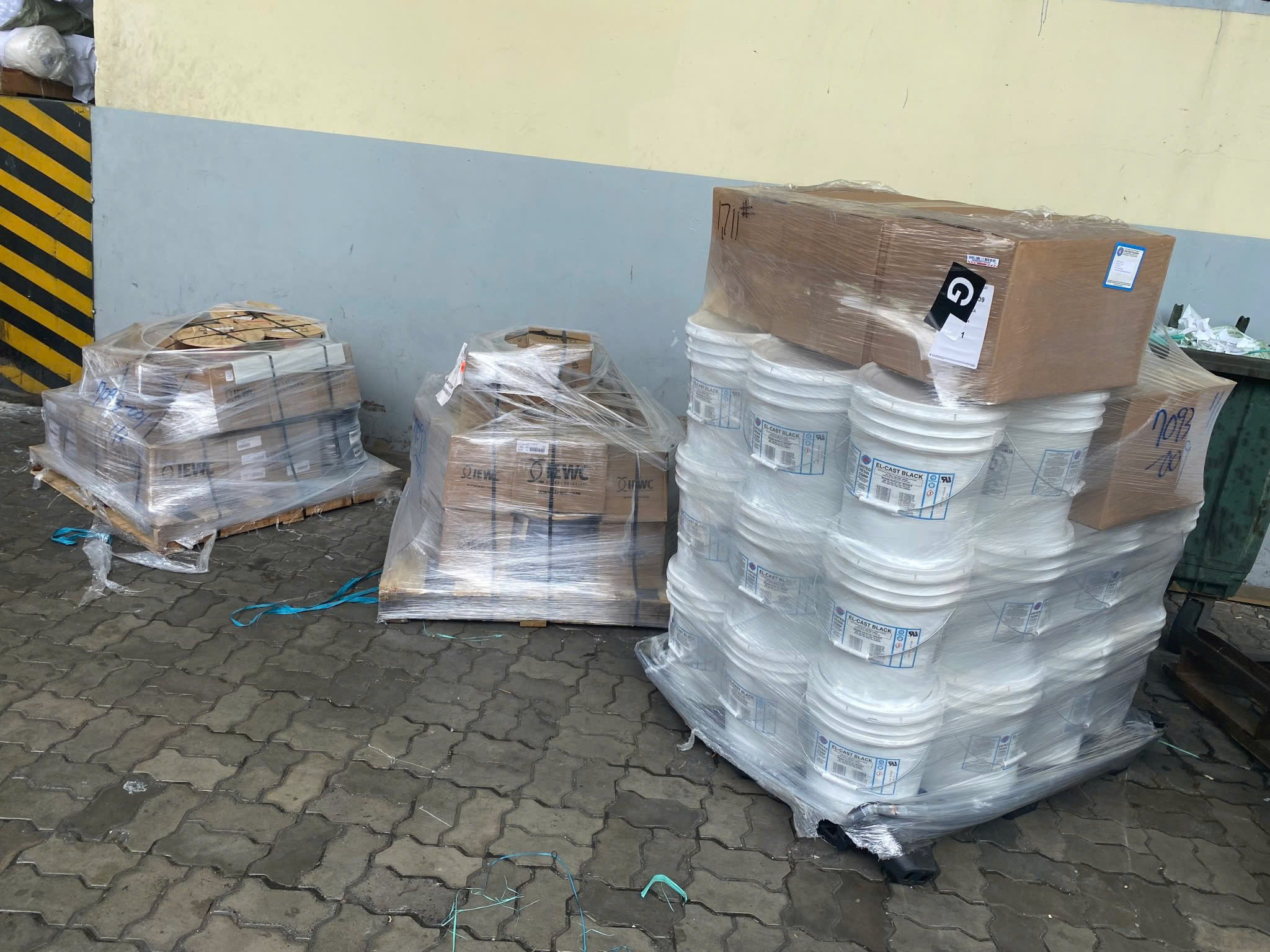
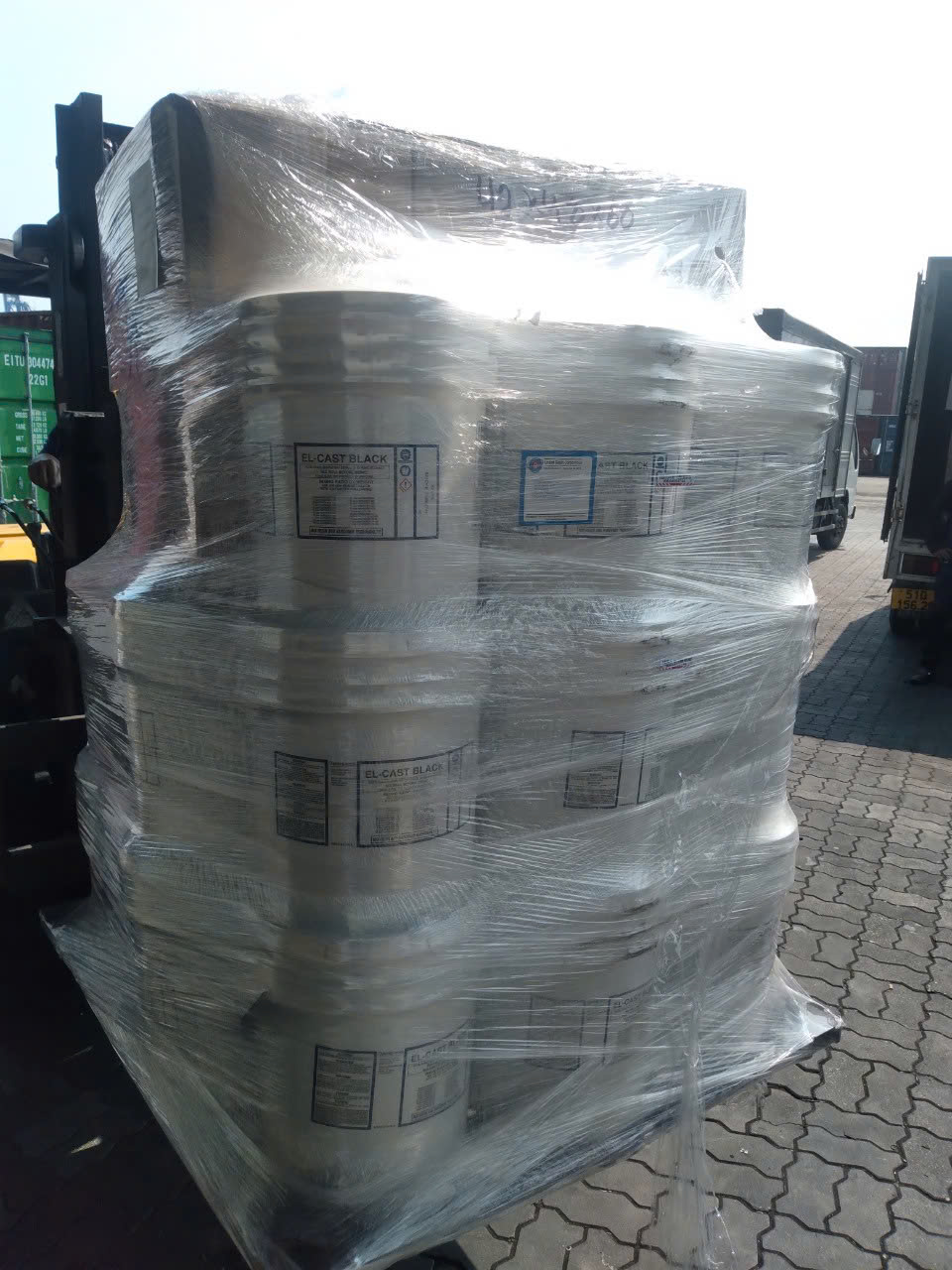
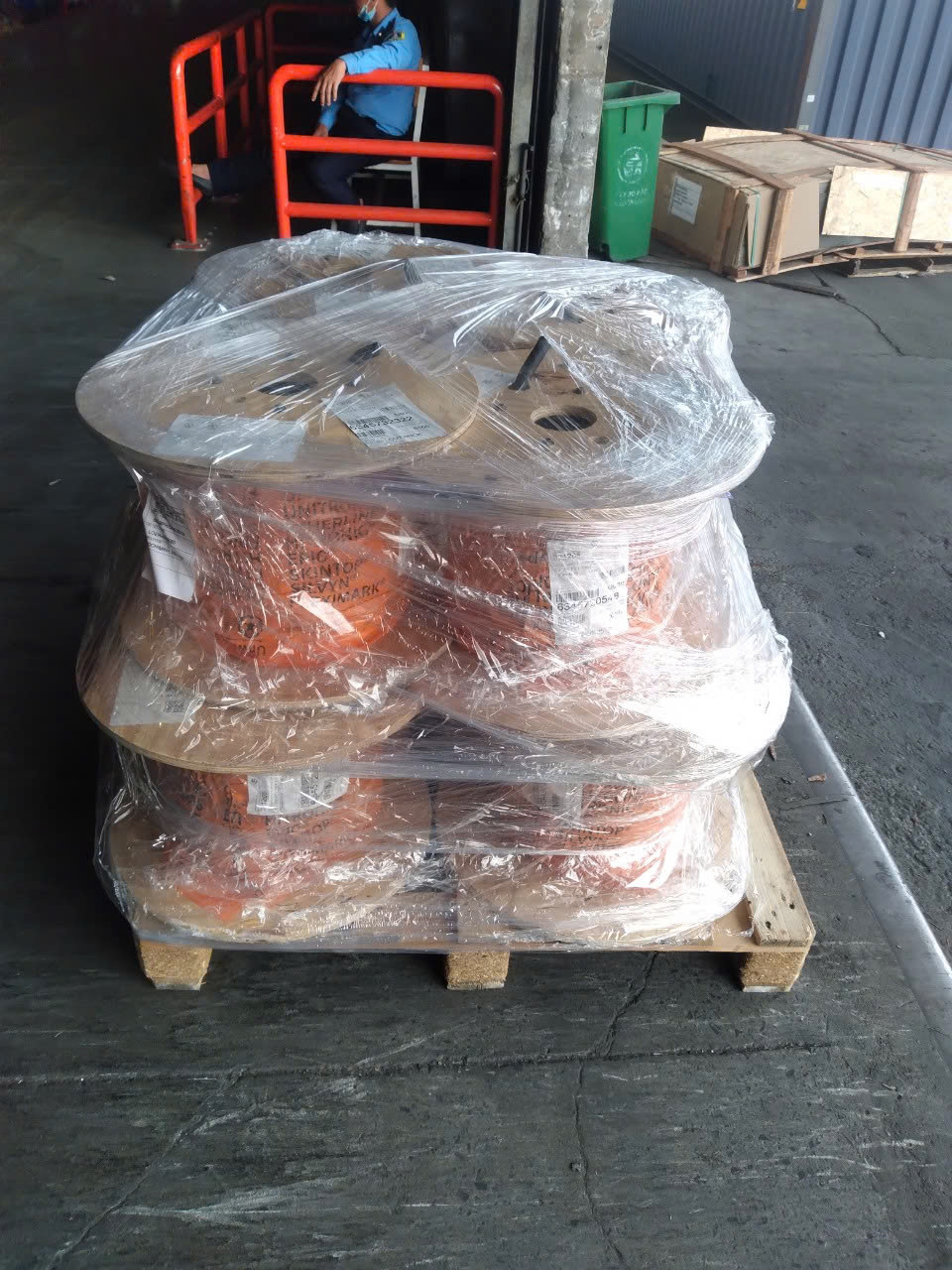
ZH In export-import operations, customs clearance of export and import goods is a mandatory step to be allowed to legitimate traffic across the border. Understanding processes, records, and regulations related not only to help businesses through fast but also avoid the legal risks, costs incurred should not be. The article below will help you to understand the entire process of customs clearance in a complete, easy to understand and update.
1. Customs clearance of goods for import and export is what?

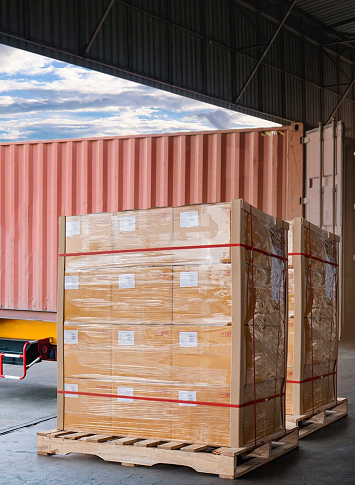
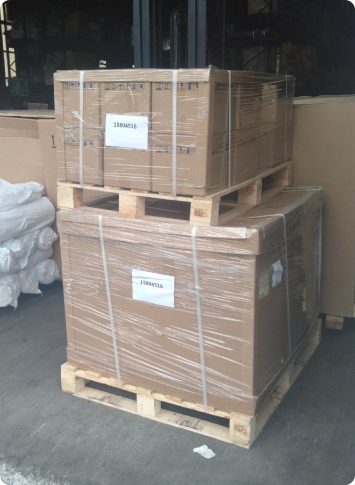
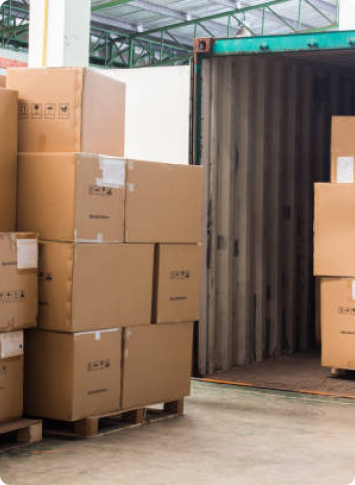
Customs clearance of export and import goods is the profession that the customs declaration must be made with the customs when taking goods out of or into the territory of Vietnam. This procedure includes declarative information, filing, inspection of goods, implementation of tax obligations and completing customs under the provisions of the law.
This is a key directly affects the progress of delivery, logistics costs, and reputation of the business with international partners.
2. Why need to properly perform customs clearance?
Job done right and full customs clearance of export and import goods bring many important benefits:
-
Ensure goods are customs law
-
Avoid administrative penalties, tax arrears
-
Reduce risks, storage, demurrage stretched
-
Proactive planning delivery and payment
-
Create credibility with partners and agency management
3. Profile customs clearance import export
Depending on the type of export or import, the basic profile often includes:
-
The customs declaration in electronic
-
Contract of sale (Sales Contract)
-
Commercial invoice (Invoice)
-
Packing (Packing List)
-
Bill of lading (Bill of Lading/Airway Bill)
-
Certificate of origin (C/O) if there
-
Evidence from specialized examination (if belonging to the management interface)
The preparation of accurate records from the beginning to help minimize the threading gold or threaded red.
4. Process customs clearance of export and import goods
Step 1: Declare the customs electronic
Business or unit is authorized to make declarations on the system VNACCS/VCIS, provide full information on the cargo value and HS code and tax rate.
Step 2: threading declaration
-
Flow blue: More soon
-
Stream gold: Check out paper records
-
Stream redCheck the records and the actual merchandise
Step 3: Check your profile and goods
Customs will collate evidence from the actual inspection, if necessary, to confirm the validity of the shipment.
Step 4: perform obligations tax
Businesses pay import tax, VAT, excise tax (if any) as prescribed.
Step 5: customs and receive the goods
After completing the steps above, goods are allowed through and put on the warehouse or delivered to the requested address.
5. The most common mistakes when customs clearance
-
Wrong HS code led to increased taxes or penalties
-
Wrong customs value
-
Lack of specialized examination
-
Information on the invoice and packing list don't match
-
Not updated with new rules about import export
These errors not only make slow progress, but also cause incurred significant costs for businesses.
6. Customs procedures for a number of popular goods
– Export
More simply, primarily focused on the declaration, contract, invoice and packing list.
– Imports
Stricter requirements on HS code and tax and specialized examination.
– Goods temporarily imported for re – export
Need to track time and manage tight profile.
– The non-tradable goods
Apply for gifts, personal banking.
7. Should use the services of customs clearance?
For new business or complex goods, the use of service customs clearance of export and import goods is the optimal solution. Unit professional will:
-
Advice, HS code and policy items
-
Preparation and control of records accurate
-
Representatives work with customs authorities
-
Help customs quickly and reduce the risks
8. Trends in the number of goods in the customs today
Currently, the customs procedure is increasingly being digitized through:
-
System of electronic declaration
-
Tax payments online
-
Research and track the declaration online
-
Connecting a country store
This helps businesses save time and increase transparency in import and export activities.
9. Contact consulting the customs procedure of export and import goods
If you are having difficulty in the declaration process, classification code HS or need customs fold, getting advice from a professional will help you handled quickly and efficiently.
Public joint Stock company commercial service G-Logistics (G-LOGS JSC)
Address: Floor 4, Building Coalimex Building, 29 – 31 Dinh bo Linh Street, Binh Thanh district, Ho Chi Minh City.
Phone: (84) 28 3511 5354/5455
E-mail: info@g-logs.com