 EN
 VI
 ZH
Shipping goods from Vietnam to the US and Australia by air is a suitable solution for businesses that need to shorten delivery times, send samples, components, documents, or high-value commercial shipments. However, to control budgets and minimize risks, shippers need to understand how air freight rates are calculated, cargo acceptance conditions, export and import procedures, and delivery responsibilities in both countries.
G-LOGS JSC analyzes key factors, from selecting flight routes and calculating chargeable weight to import customs clearance, helping businesses develop shipping solutions suited to the characteristics of each shipment.
1. Characteristics of Air Freight Routes Between Vietnam and the US and Vietnam and Australia
1.1. Comparison of Air Freight Options for the Two Routes
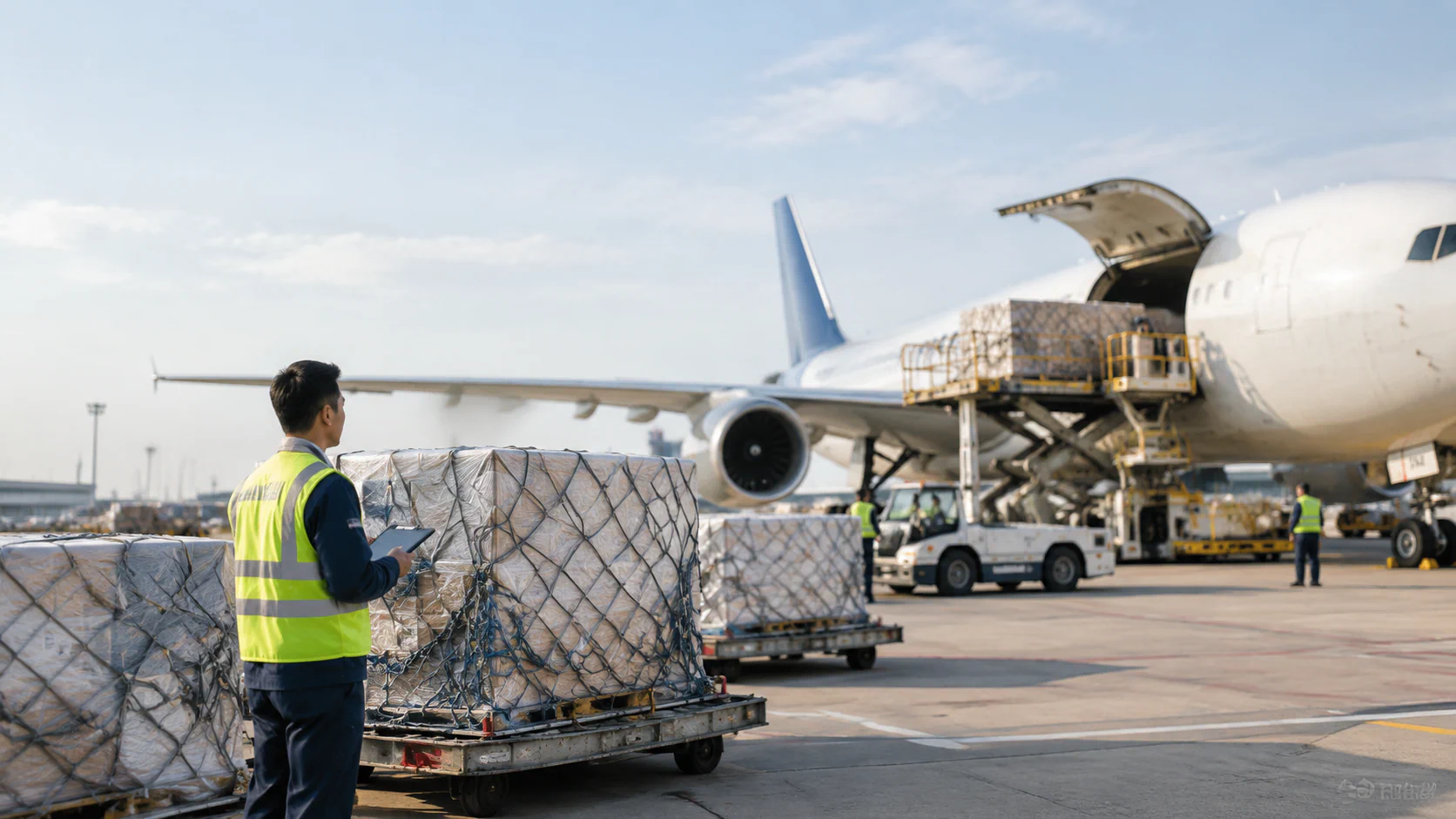
The Vietnam–US and Vietnam–Australia routes have different operational characteristics in terms of distance, airline networks, transit capabilities, and cargo capacity. Common departure points in Vietnam include Tan Son Nhat International Airport (SGN) and Noi Bai International Airport (HAN), depending on the cargo consolidation location and the airline's operating schedule.
For the US market, popular international cargo destinations include Los Angeles (LAX), New York (JFK), Chicago (ORD), and Dallas (DFW). These are important gateways for distributing goods to major economic regions. However, direct flight or transit schedules depend on the airline, shipping season, and available cargo capacity at the time of booking.
For routes to Australia, Sydney (SYD), Melbourne (MEL), Brisbane (BNE), and Perth (PER) are commonly selected destinations. The correct arrival airport should be determined based on the recipient's address, domestic transportation connections, and final delivery time.
| Criteria | US Route | Australia Route |
|---|---|---|
| Popular Destinations | LAX, JFK, ORD, DFW | SYD, MEL, BNE, PER |
| Flight Method | Direct or Connecting Flights | Direct or Connecting Flights |
| Suitable Cargo | Commercial Goods, Components, Samples | Commercial Goods, Consumer Products, Samples |
| Transit Time | Depends on Flight Schedules and Transit Connections | Depends on Flight Schedules and Transit Connections |
Standard air cargo is suitable for shipments with substantial weight, commercial goods, or cargo requiring transportation under an air waybill. Meanwhile, international express services are generally more suitable for documents, mail, and small parcels requiring door-to-door delivery networks. Businesses should compare total costs and service coverage rather than looking only at the transportation rate per kilogram.
It is important to distinguish flight time from actual transportation time. Door-to-door transit time also includes pickup, export warehouse processing, security screening, customs clearance, transit connections, arrival airport handling, and domestic delivery. Therefore, the flight ETA does not necessarily indicate when the recipient will receive the goods.
1.2. Cargo Acceptance Conditions and Cargo Policy Checks
Before confirming a booking, the carrier needs information about the product name, composition, intended use, origin, quantity, value, dimensions, and packaging specifications. The expected HS code should also be identified to check export and import policies and related tax obligations.
Certain cargo categories require careful inspection, including food, agricultural products, cosmetics, pharmaceuticals, liquids, lithium batteries, and products of animal or plant origin. An airline's acceptance of cargo for transportation does not mean that the goods will automatically be approved for import by the competent authorities in the US or Australia.
In the US, depending on the goods, businesses may need to comply with requirements from US Customs and Border Protection (CBP), the Food and Drug Administration (FDA), or the US Department of Agriculture (USDA). In Australia, regulations from ABF and DAFF must be checked, particularly for food, timber, goods of animal origin, and plant products.
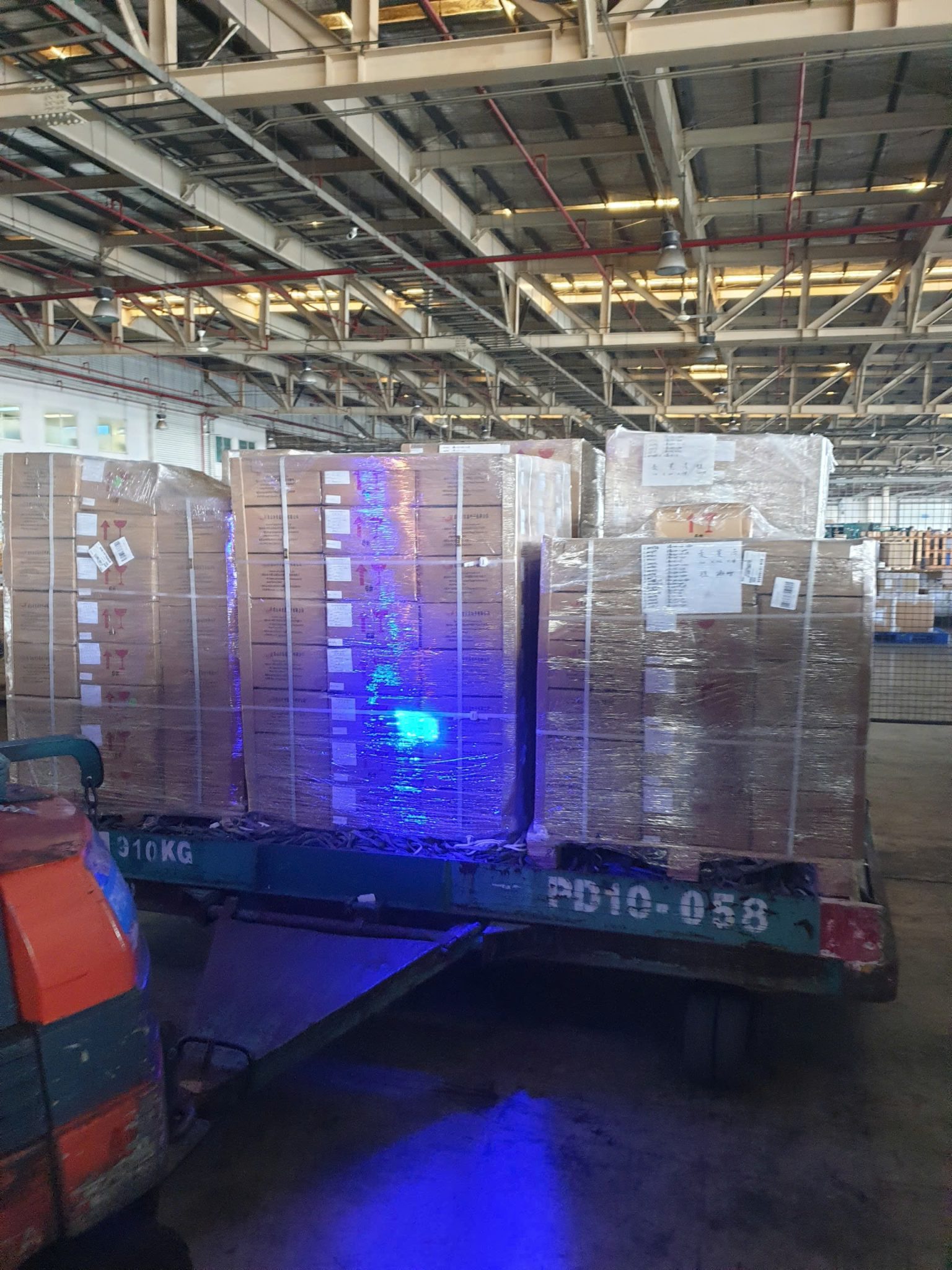
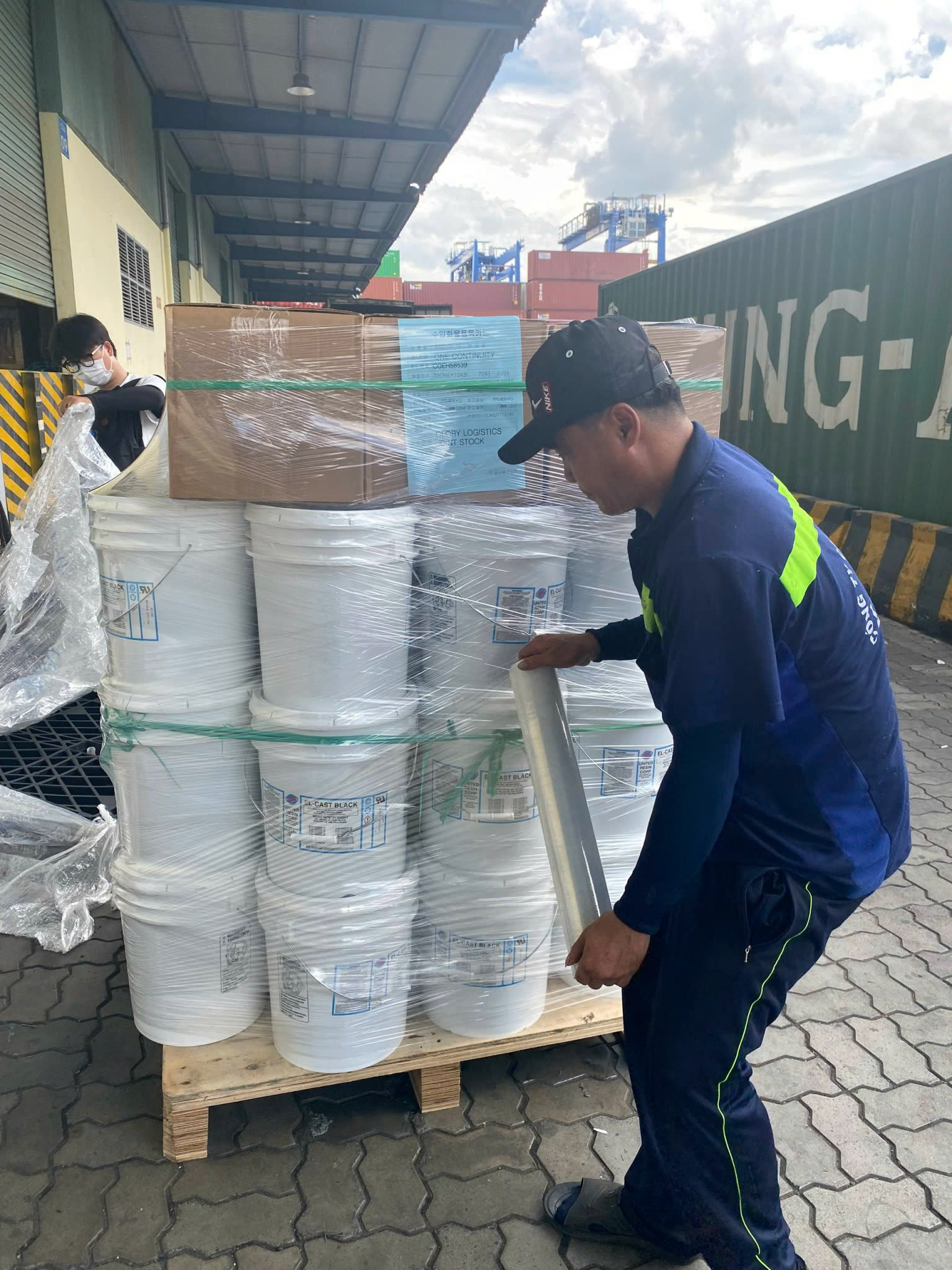
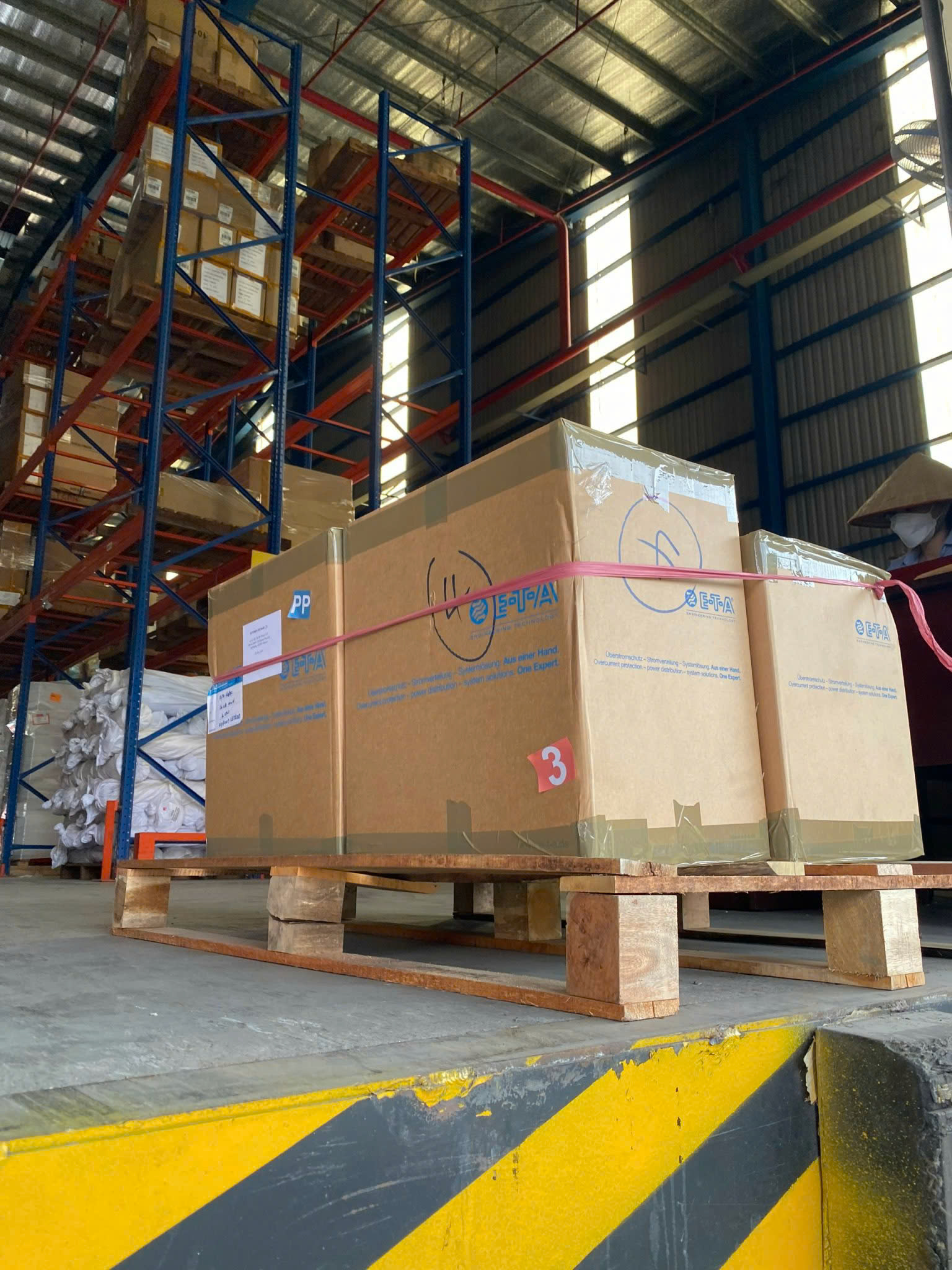
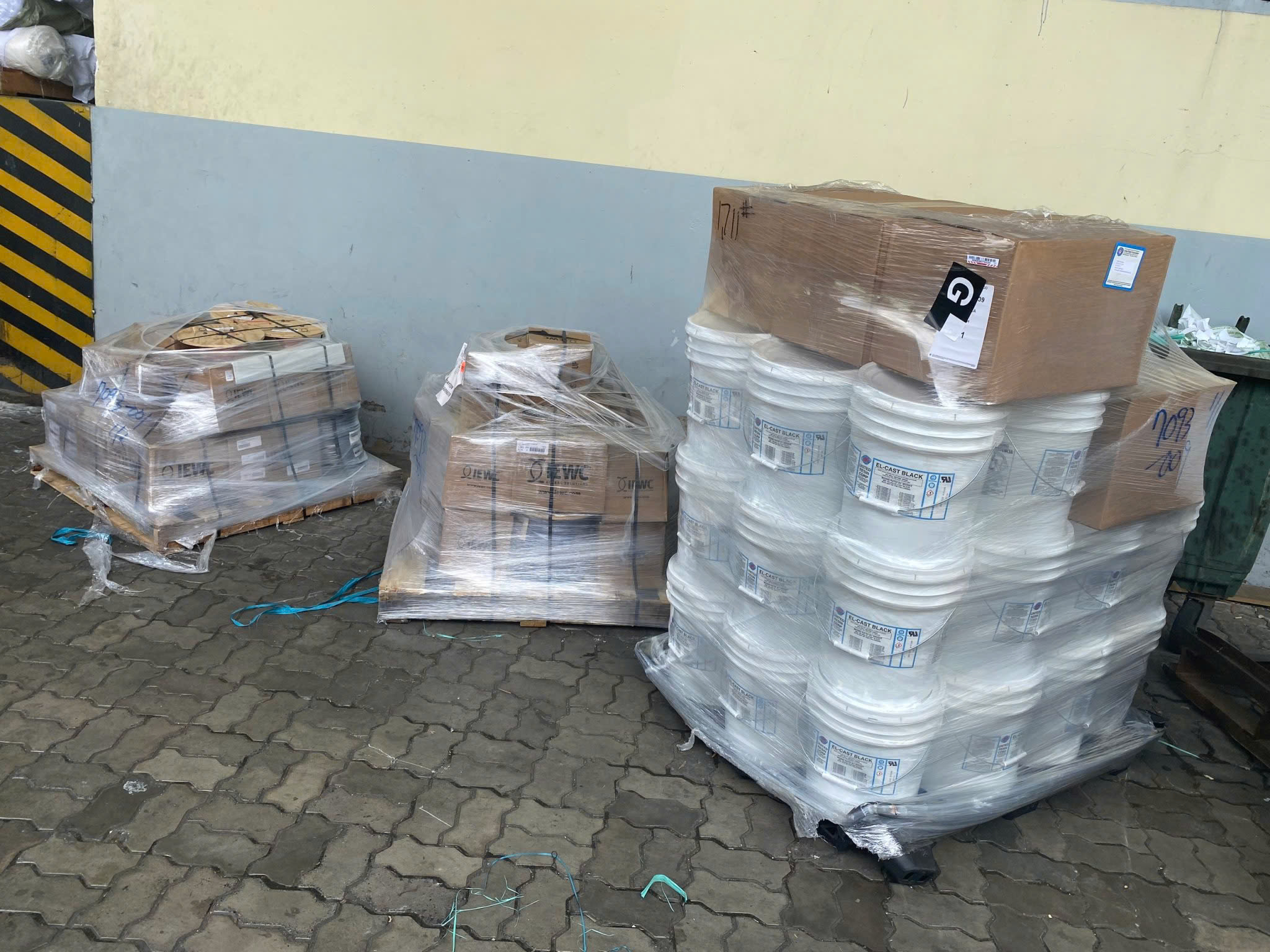
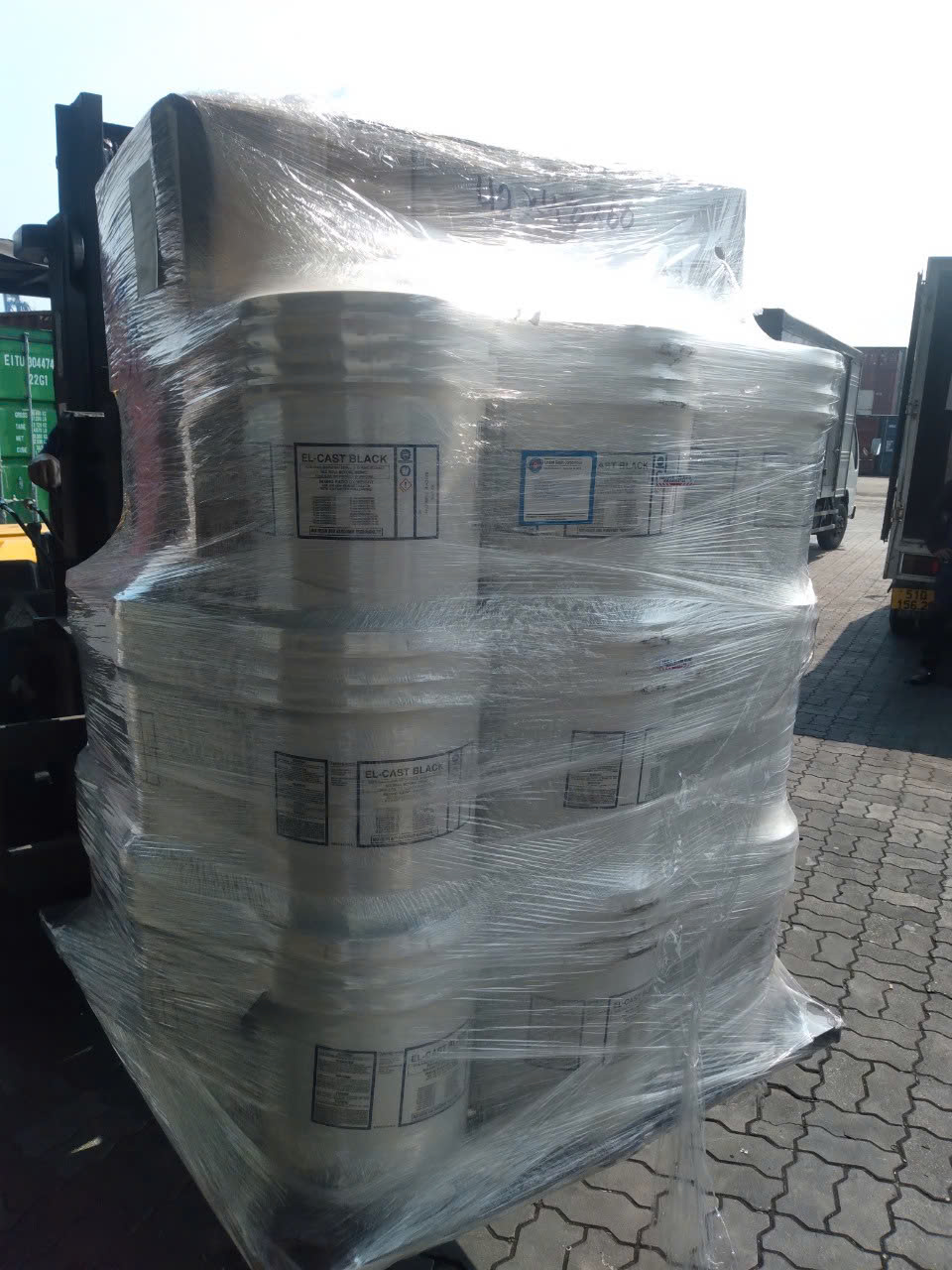
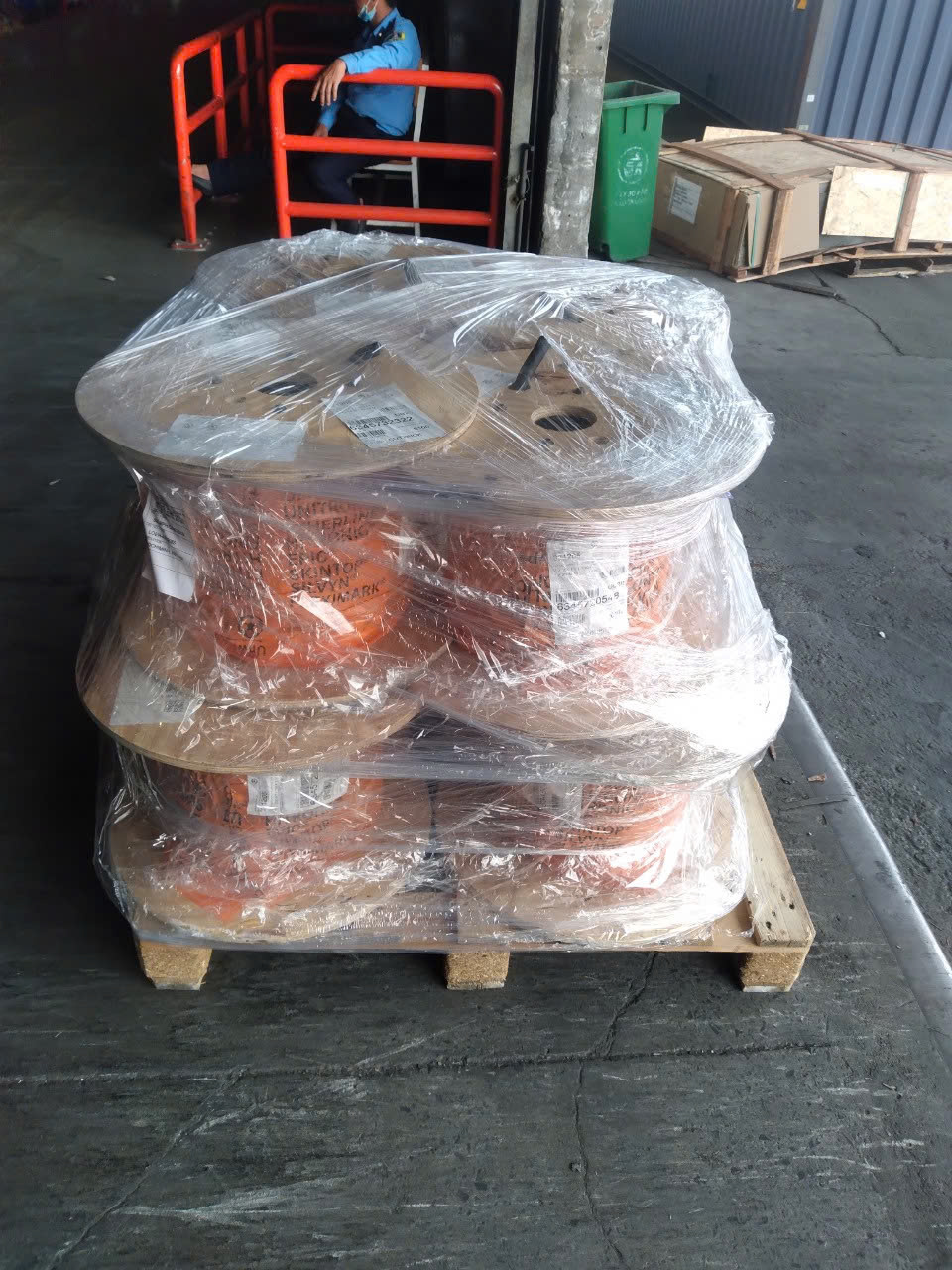
Packaging must adequately protect goods during loading, unloading, storage, and transit. For fragile packages, impact-resistant materials should be used, and the contents must be secured internally. For wooden pallets, applicable treatment and certification requirements must be checked. Dangerous goods, batteries, and liquids must be accurately declared according to their actual nature and comply with airline packaging instructions.
2. Shipping Rates to the US and Australia and Air Freight Calculation Methods
2.1. Rate Structure by Route and Chargeable Weight
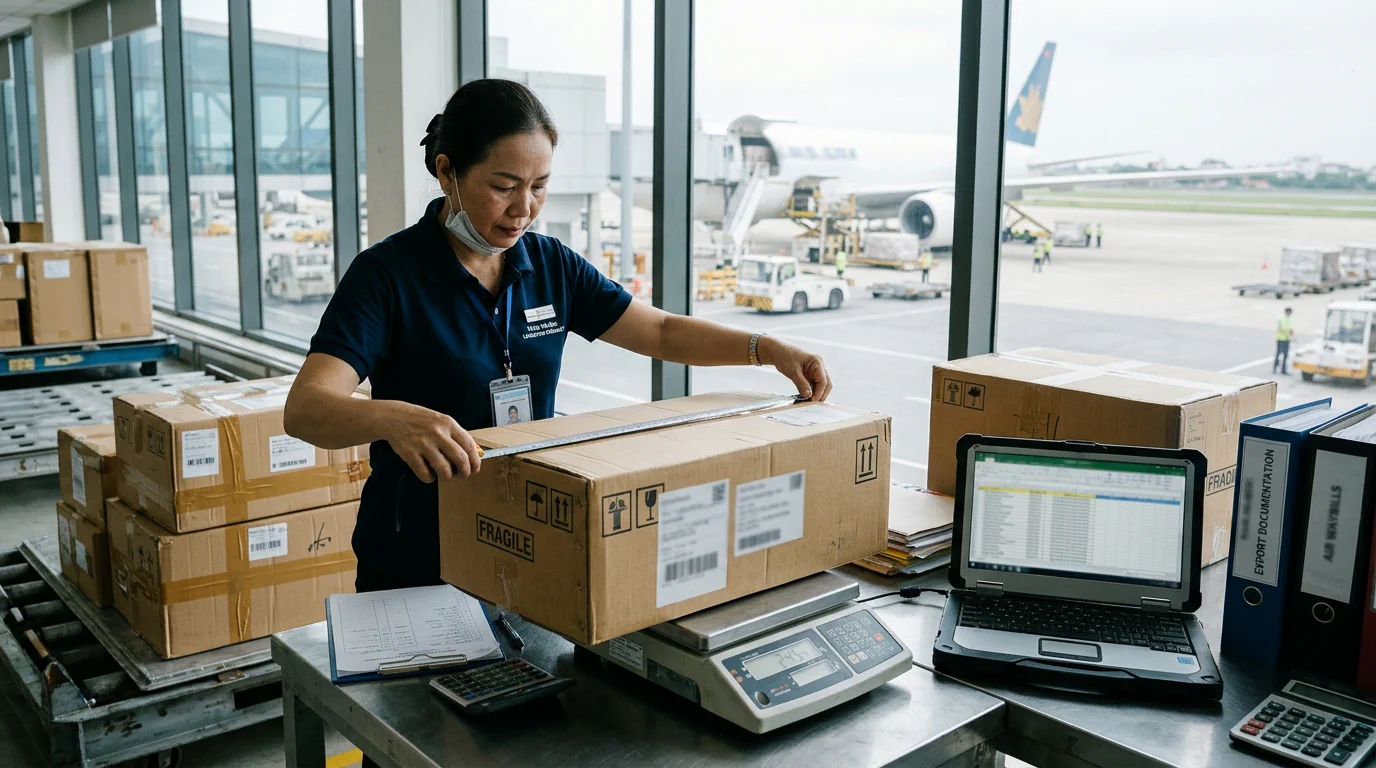
Air freight is generally quoted per kilogram of chargeable weight. For reference and quotation comparisons, businesses can categorize shipments according to the weight brackets below. These are classification ranges for requesting quotations, not fixed rate schedules or confirmed airline prices.
| Weight Bracket | Vietnam–US Route | Vietnam–Australia Route |
|---|---|---|
| Under 45 kg | Request a Shipment-Specific Quotation | Request a Shipment-Specific Quotation |
| 45–100 kg | Subject to Airline Confirmation | Subject to Airline Confirmation |
| 100–300 kg | Subject to Cargo Capacity and Flight Schedule Confirmation | Subject to Cargo Capacity and Flight Schedule Confirmation |
| Over 300 kg | Request a Shipment-Specific Quotation | Request a Shipment-Specific Quotation |
An important principle in freight calculation is that Chargeable Weight equals the greater value between Gross Weight (actual weight) and Volumetric Weight (dimensional weight), based on the conversion factor applied by the carrier. The reference formula for calculating volumetric weight is: Length × Width × Height (cm) / the conversion factor applicable to the route and service.
For example, a package measures 100 × 80 × 70 cm and has an actual weight of 60 kg. If the carrier applies a conversion factor of 6,000 cm³/kg, its volumetric weight is approximately 93.33 kg. Therefore, the chargeable weight may be 93.33 kg instead of 60 kg. The final result must follow the airline's rounding rules and actual measurement procedures.
Freight rates are affected by the destination airport, operating airline, direct or connecting flights, peak seasons, cargo capacity, cargo characteristics, and required delivery time. Shipments requiring urgent delivery or special handling may incur different costs from standard cargo.
In particular, Air Freight refers only to the basic air transportation charge and does not automatically include all freight forwarding costs. Quotations should separately specify pickup fees, airport warehouse handling, security screening, fuel surcharges, documentation fees, customs declaration fees, and destination delivery charges, if applicable.
2.2. Preparing a Cost Estimate and Selecting a Shipping Solution
To obtain an accurate shipping rate quotation to Australia or the US, businesses should request quotations specifying the payment currency, weight bracket, rate per kilogram, total freight charge, surcharges, service scope, and validity period. Excluded charges, such as import duties, specialized inspection fees, storage fees, and domestic delivery charges, must be clearly stated.
For shipments containing multiple packages with relatively low actual weight but large dimensions, shippers should check whether components can be disassembled, packages rearranged, and appropriately sized packaging used. Reducing packaging volume should only be done when it does not affect product protection, airline regulations, or recipient requirements.
Three common delivery methods have different scopes of responsibility. Airport-to-airport focuses solely on transportation between two airports; airport-to-door adds delivery to the recipient's address; door-to-door covers multiple stages from the sender's address to the recipient's address according to the agreed service scope.
| Format | Main Scope | Items to Confirm |
|---|---|---|
| Airport-to-airport | Between Two Airports | Customs Clearance and Destination Delivery |
| Airport-to-door | From the Departure Airport to the Recipient's Address | Export and Import Responsibilities |
| Door-to-door | From the Sender's Address to the Recipient's Address | Taxes, Fees, and Delivery Scope |
In international transactions, Incoterms 2026 conditions should be compared with the actual responsibilities of the seller and buyer. FCA specifies delivery to the carrier at the agreed location; CPT and CIP allocate freight transportation responsibilities, with CIP including insurance obligations under the applicable rules; DAP and DDP specify delivery responsibilities at the destination, with differences regarding import customs clearance and taxes.
DDP should not be assumed to be applicable to every shipment. Before committing to tax-inclusive delivery, businesses must verify the ability to register the importer, the status of the Importer of Record, declaration obligations, and legal requirements in the US or Australia.
3. Procedures for Shipping Goods to the US and Australia by Air
3.1. Six Steps from Booking to Delivery
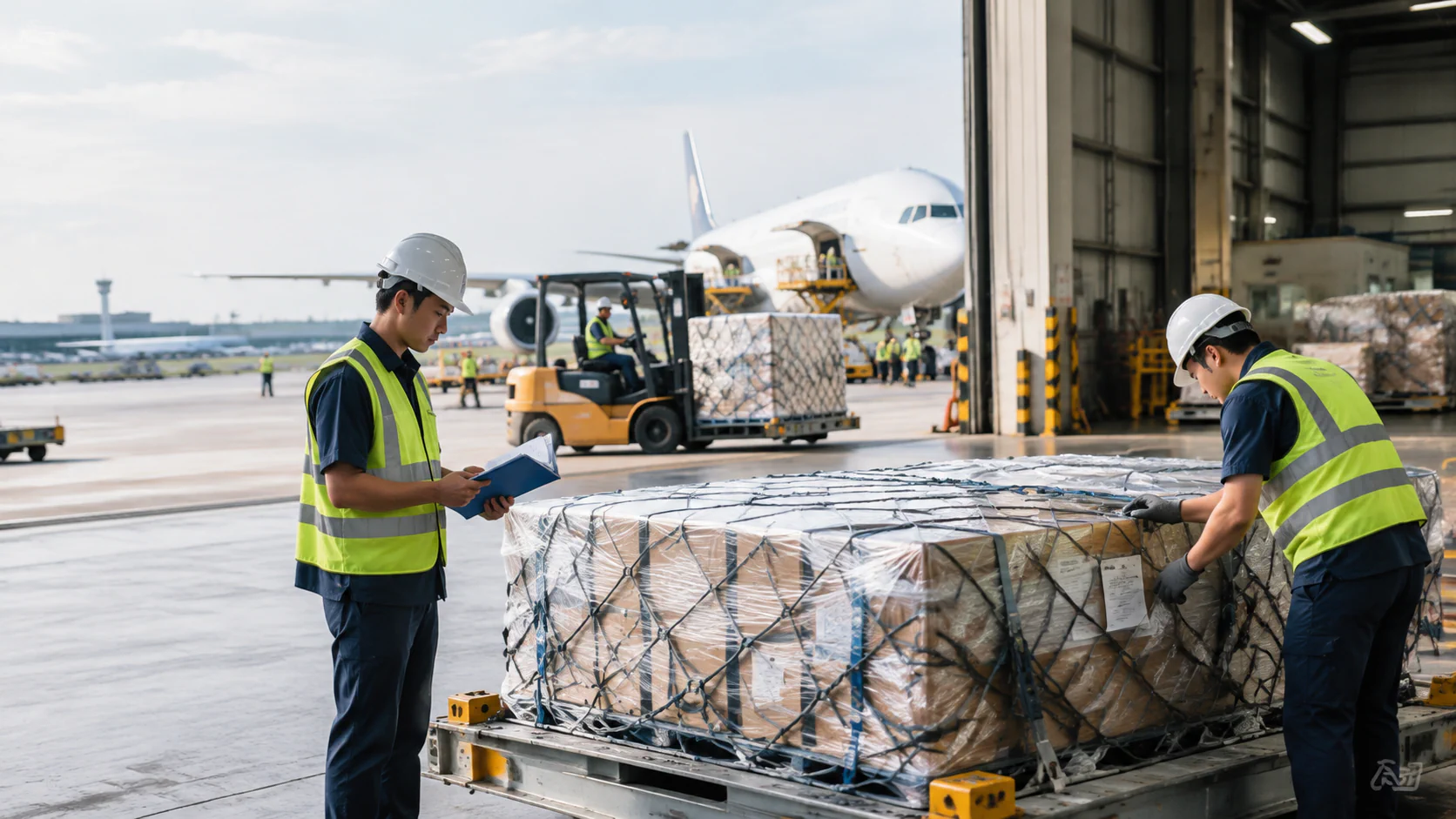
The shipping process must be controlled at every stage to prevent discrepancies between commercial documents, air waybills, and customs declarations. G-LOGS recommends that businesses standardize cargo information from the quotation request stage.
- Step 1 – Information Collection: Collect the sender's and recipient's names, addresses, postal codes, destination airport, product descriptions, number of packages, dimensions of each package, Gross Weight, declared value, and required delivery deadline.
- Step 2 – Check Transportation Requirements: Review cargo policies, airline acceptance capabilities, packaging specifications, operating schedules, transit options, and warehouse cut-off times at the air cargo terminal.
- Step 3 – Prepare Documentation: Complete the Commercial Invoice, Packing List, shipper and consignee information, export permits, C/O, quarantine certificates, or specialized documents if required.
- Step 4 – Customs Declaration: Check the expected HS code, customs value, export policies, and tax obligations in Vietnam; complete customs declarations, process the documentation, and hand over the cargo to the air cargo terminal.
- Step 5 – Confirm the Air Waybill and Track the Flight: Perform actual weighing and measurement, confirm the Chargeable Weight, verify the MAWB/HAWB, complete security screening, and update departure, transit, and ETA information.
- Step 6 – Handle Import Procedures and Delivery: Coordinate with the destination agent or recipient to complete import procedures, handle specialized inspections, pay applicable taxes, and arrange delivery according to the agreement.
Throughout the process, businesses should maintain consistent records of shipping documents and air waybill data. Cross-checking declaration information against the regulations of Vietnamese customs authorities and the specialized guidelines of the Ministry of Industry and Trade helps minimize errors related to export policies, permits, and cargo documentation.
3.2. Managing Import Duties and Potential Risks
Import duties in the US and Australia do not have a single rate applicable to all goods. Tax obligations depend on the HS code, country of origin, customs value, import purpose, transaction type, and policies in effect at the time of customs declaration.
In the US, businesses need to determine CBP declaration requirements, documentation supporting the declared value, and relevant tax obligations. Certain goods may be subject to additional duties based on origin or product classification. Therefore, import policies should be checked at the time of importation rather than relying on duty rates from previous shipments.
In Australia, in addition to customs duties, businesses need to consider GST and biosecurity inspection requirements. The importer or authorized representative must have clearly defined responsibilities for declarations, document submission, tax payments, and coordination when goods are inspected.
Common risks include inaccurate cargo descriptions, insufficient evidence supporting declared values, incorrect HS classification, missing permits, incorrect recipient addresses, or failure to meet quarantine requirements. Cargo held at the airport may incur storage fees, additional inspection charges, document processing fees, and unplanned transportation costs.
Risk control measures include cross-checking the Commercial Invoice, Packing List, AWB, and customs documentation before the cargo departs. In addition, the service contract should clearly specify which party pays import duties, inspection fees, and storage charges, as well as the responsibilities for handling goods that do not meet import requirements.
4. Air Freight Solutions with G-LOGS JSC

Each shipment requires an individual transportation plan based on the destination city, postal code, cargo type, Chargeable Weight, delivery deadline, and budget. G-LOGS JSC coordinates transportation solutions from Vietnam to the US and Australia based on operating schedules, cargo capacity, and the service scope selected by customers.
With experience in international freight forwarding, G-LOGS aims to combine its services services, air freight with comprehensive customs declaration services and domestic transportation in Vietnam within the confirmed scope. Businesses can also coordinate with destination agents for assistance with documentation, customs clearance, and international delivery arrangements.
To receive a quotation that closely reflects actual costs, shippers should prepare the following information:
- Destination country, city, airport, and the recipient's postal code.
- Product name, composition, intended use, origin, and expected HS code.
- Number of packages, length × width × height of each package, and actual weight.
- Cargo value, date when the goods will be ready for handover, and available documentation.
- Delivery method: airport-to-airport, airport-to-door, or door-to-door.
- Requirements for transit time, insurance, and responsibility for import duty payments.
The quotation should separately itemize Air Freight, air freight surcharges, export handling fees, customs declaration fees, import-side costs, estimated import duties, and domestic delivery charges. In addition to the unit rate, it should clearly state the validity period, expected flight schedule, processing time, and excluded charges so that businesses can prepare accurate budgets.
Choosing the right transportation method not only helps control freight costs but also minimizes the risk of delivery delays caused by missing documents or failure to meet import policies. When shipping goods to the US or Australia, businesses should check cargo requirements and total costs before booking rather than comparing only the freight rate per kilogram.
Contact G-LOGS JSC for consultation on shipping goods to the US, shipping goods to Australia, air freight transportation, FCL/LCL shipping, and suitable customs declaration services. The G-LOGS team provides support with document reviews, delivery solution assessments, and transparent cost estimates for each shipment.
G-LOGISTICS TRADING AND SERVICES JOINT STOCK COMPANY (G-LOGS JSC)
Address: 4th Floor, Coalimex Building, 29–31 Dinh Bo Linh Street, Binh Thanh Ward, Ho Chi Minh City, Vietnam.
Phone: (84) 28 3511 5354/5455
Email: info@g-logs.com
Website: www.g-logs.com