 EN
 VI
 ZH
Cai Mep – Thi Vai Port and Cat Lai Port are two major hubs in the southern container transportation network. For import-export businesses in Binh Duong and Dong Nai, choosing the right terminal, arranging tractor units, and managing delivery and receipt deadlines directly affect logistics costs. Understanding the characteristics of each port helps businesses proactively plan transportation and minimize unexpected expenses.
1. Cai Mep – Thi Vai and Cat Lai Ports: Location and Operational Capacity
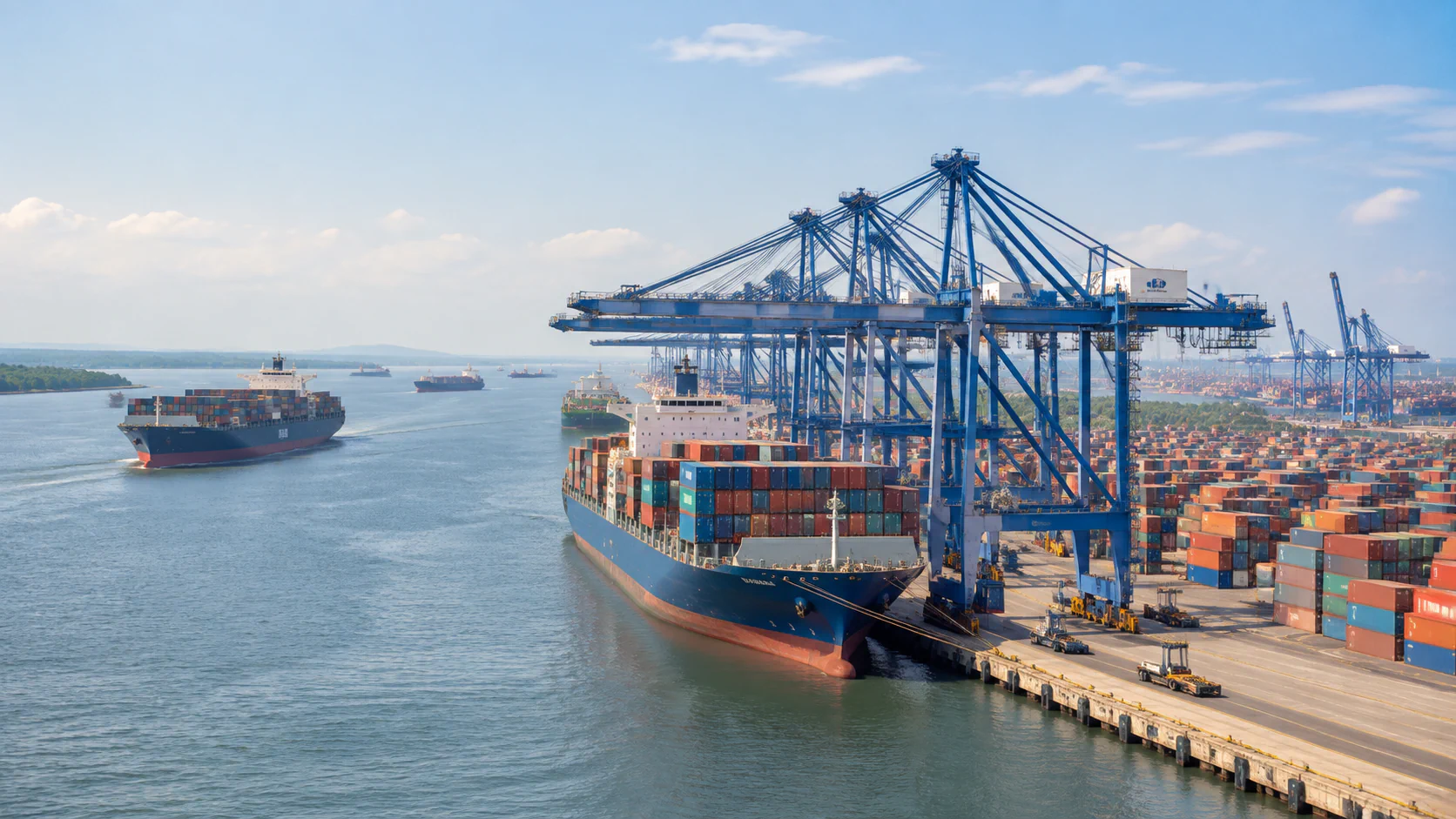
1.1. Location and Role in the Southern Logistics Network
The Cai Mep – Thi Vai port complex is located in the Phu My area, now part of Ho Chi Minh City following the 2026 administrative reorganization, and formerly part of Ba Ria – Vung Tau Province. This deep-water port area can accommodate large container vessels and serves international shipping routes, particularly those connecting to the Americas and Europe.
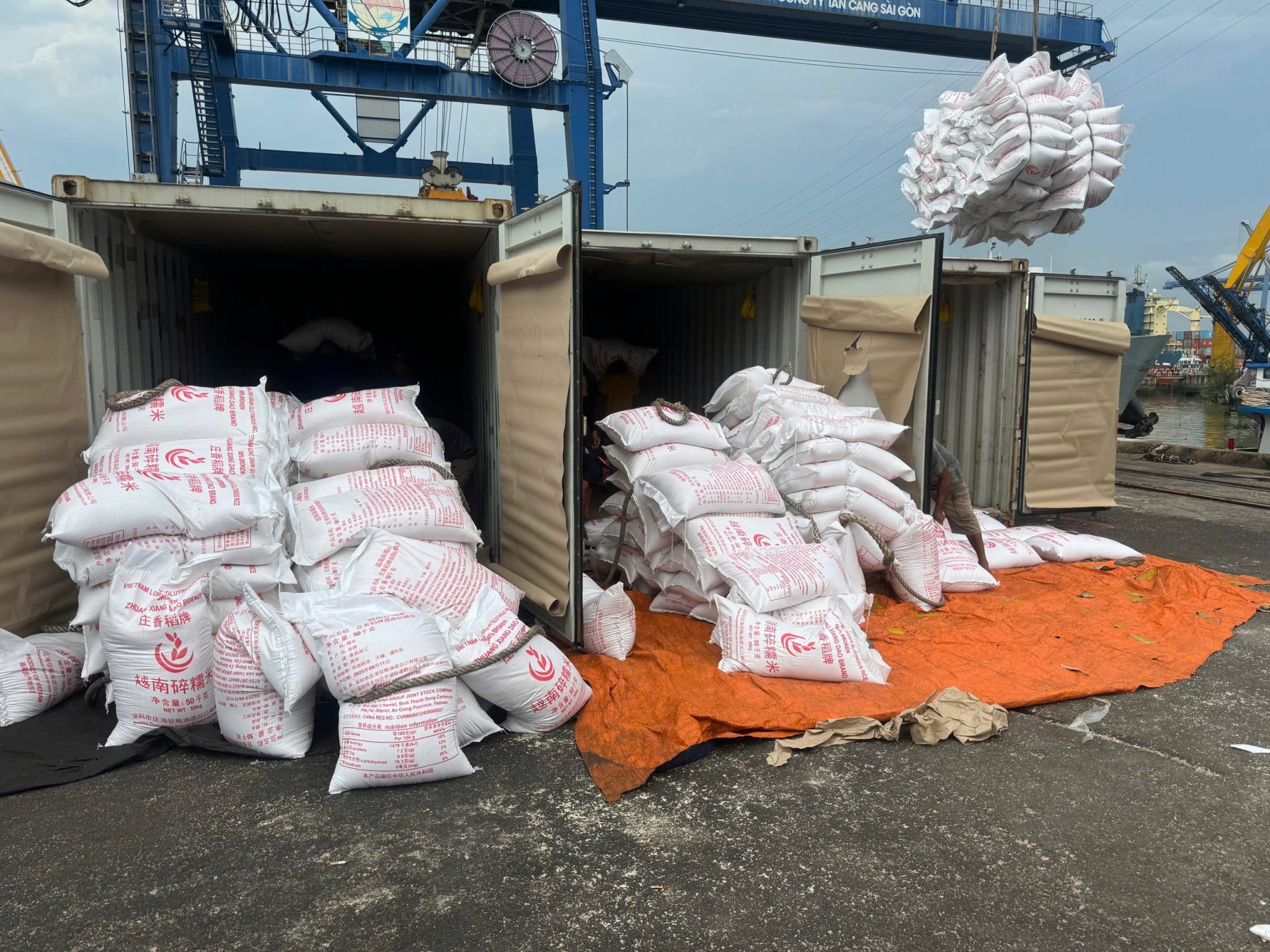
Cat Lai Port is located in the former Thu Duc City area, now part of Ho Chi Minh City. Businesses looking for the location of Cat Lai Port should note that it is a major import-export container handling hub, connecting industrial parks in Ho Chi Minh City, former Binh Duong Province, and Dong Nai.
In transportation operations, a seaport refers to a maritime infrastructure area; a port terminal is a specific cargo handling location, while an ICD is an inland container depot serving cargo consolidation, storage, and container handling. When arranging transportation, the exact terminal must be identified from the Booking Confirmation, Bill of Lading, or Delivery Order rather than simply stating the name of the port complex.
1.2. Container Transportation Routes to Binh Duong and Dong Nai
From Cat Lai, container trucks commonly travel through the Dong Van Cong, Vo Chi Cong, Hanoi Highway, and National Highway 1 corridors to reach Di An, Thuan An, Ben Cat, VSIP, or industrial parks in Dong Nai. The specific route depends on the factory address and vehicle traffic regulations.
From the Cai Mep area, transportation plans commonly use inter-port roads, National Highway 51, and suitable connecting routes to reach Phu My, Nhon Trach, Long Thanh, or Bien Hoa. Actual transit times are affected by traffic density, weight restrictions, waiting times at the terminal, and the warehouse's receiving capacity.
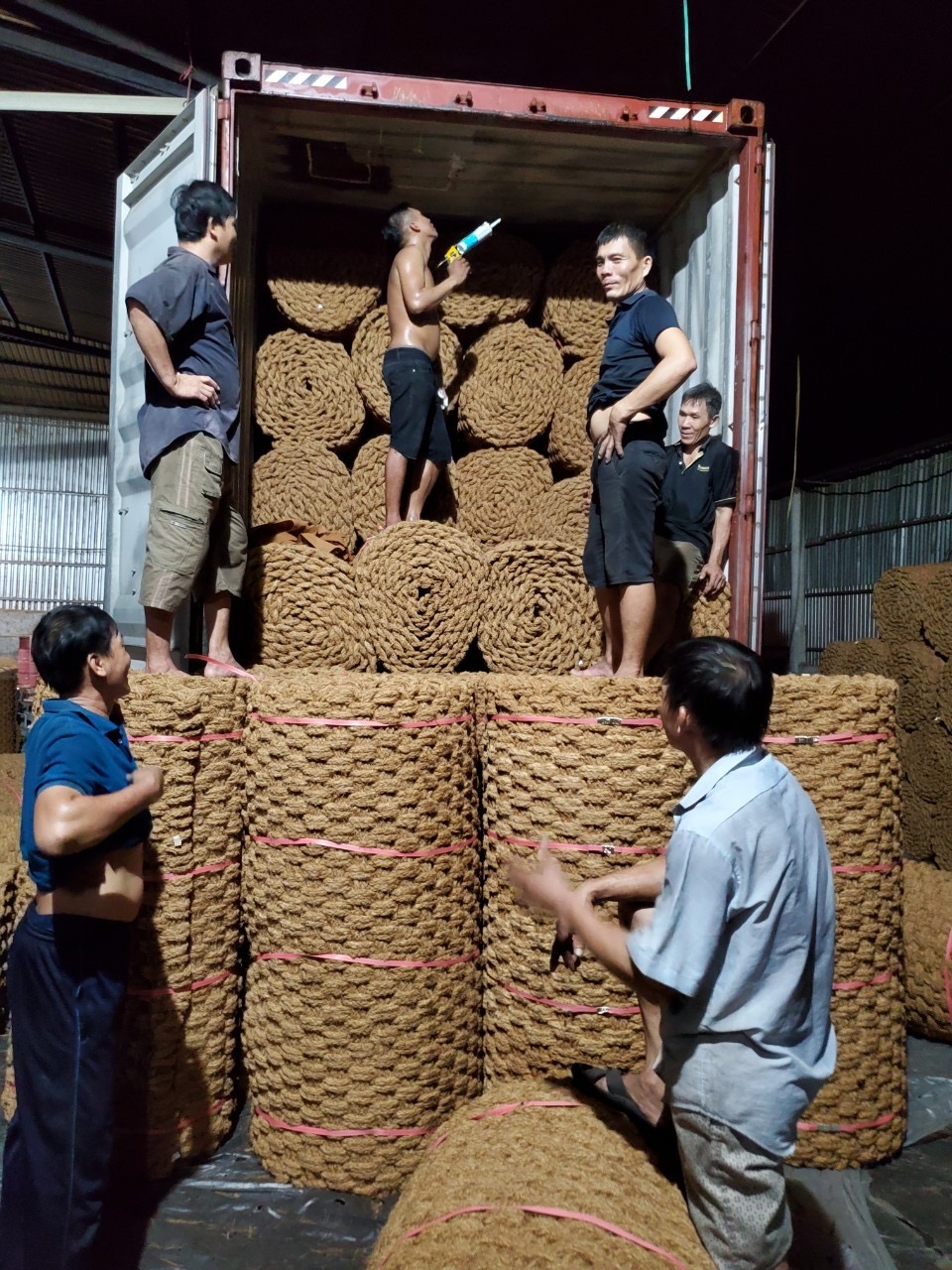
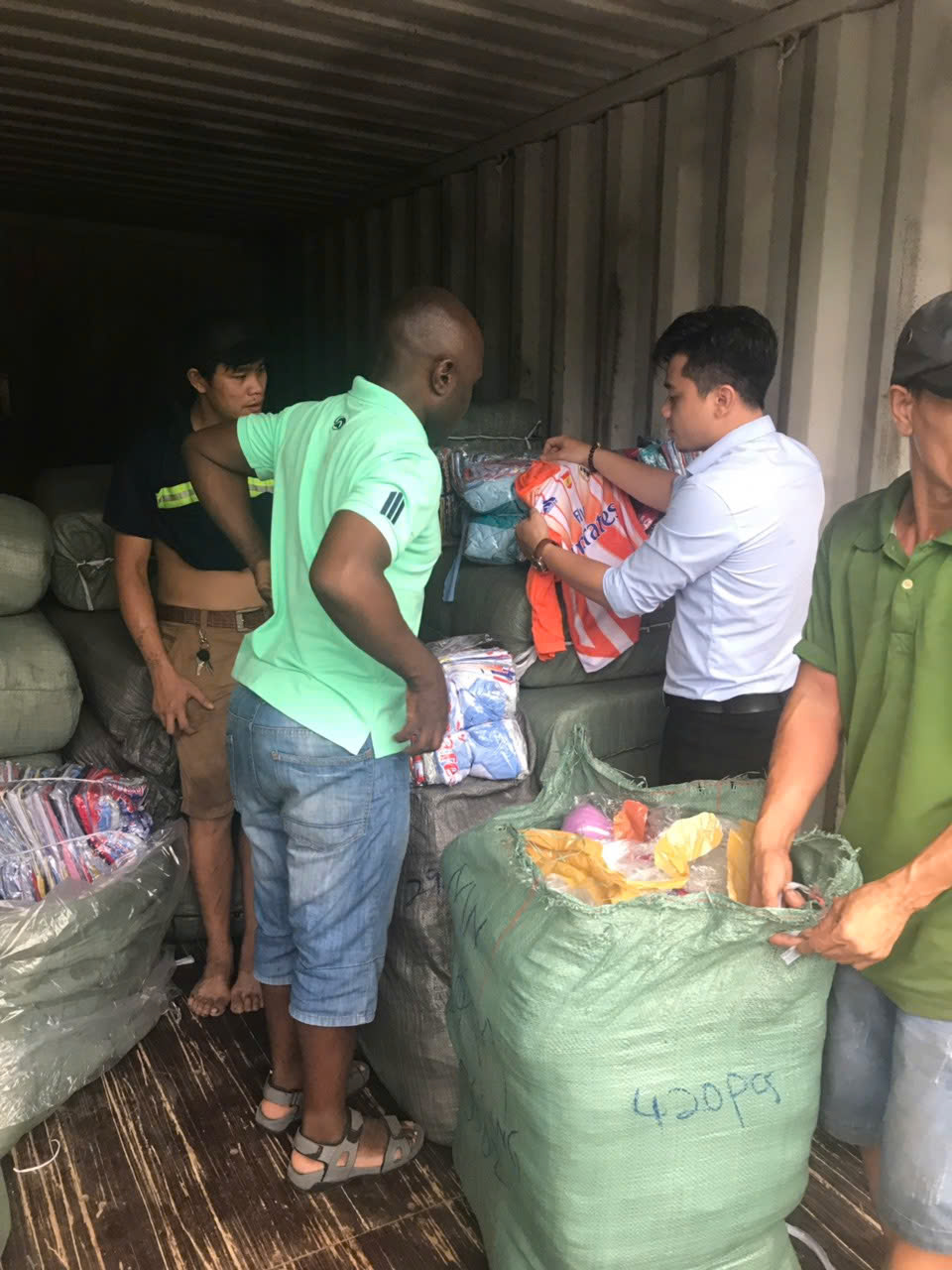
For FCL shipments, the full container is transported directly to the loading or unloading location. For LCL shipments, cargo is usually separated at a CFS warehouse before being transported using suitable vehicles. Empty containers must be picked up or returned to the correct depot as designated by the shipping line.
2. Cat Lai – Cai Mep Container Haulage Services: Vehicles and Procedures
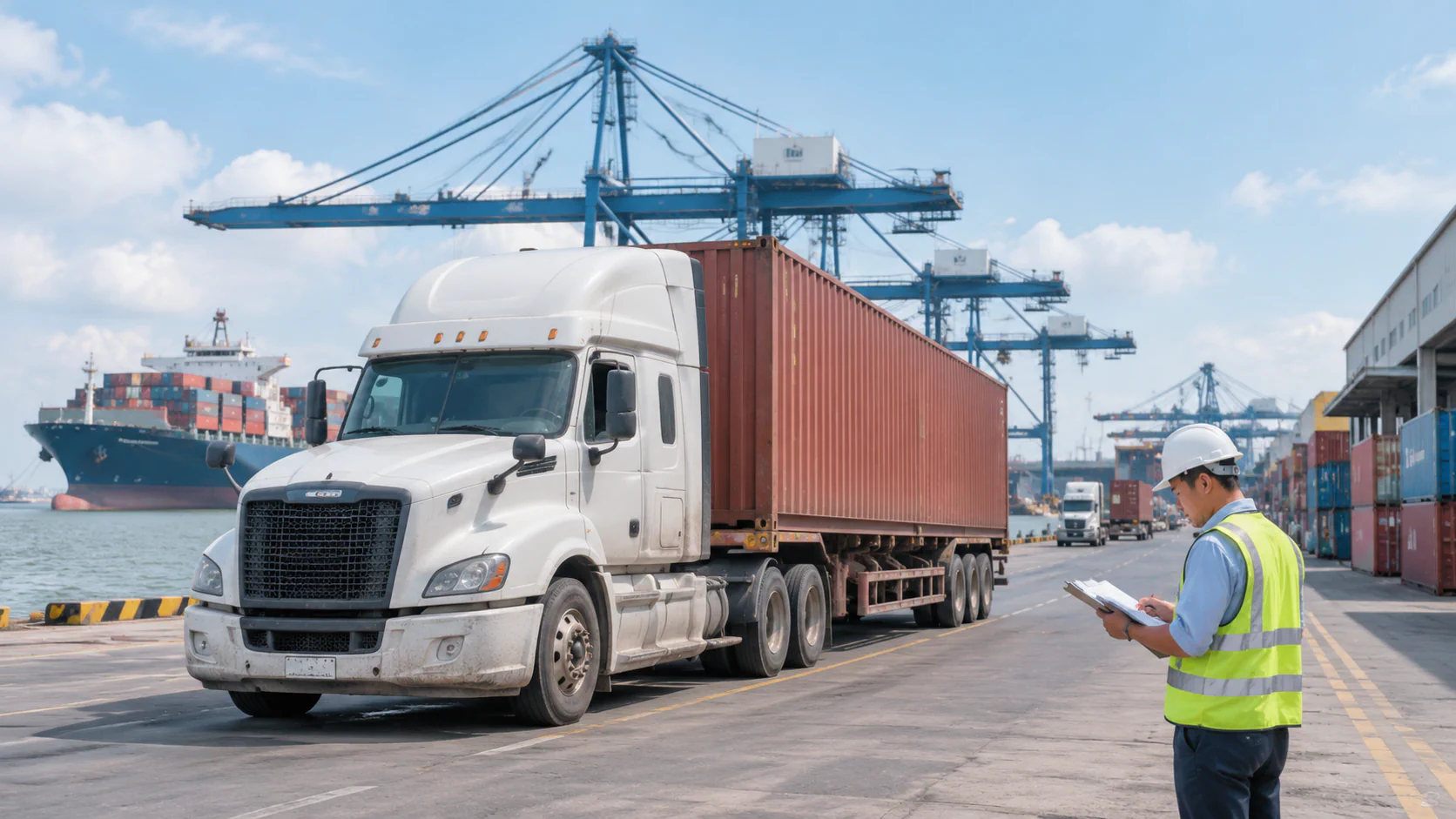
2.1. Selecting Suitable Containers and Tractor Units
20-foot containers are suitable for many shipments with relatively high weight but moderate volume. 40-foot and 40-foot High Cube containers accommodate bulky cargo or shipments requiring additional capacity. Loading capacity must comply with the permitted weight specified on the CSC Plate, the container's tare weight, and road transportation limits.
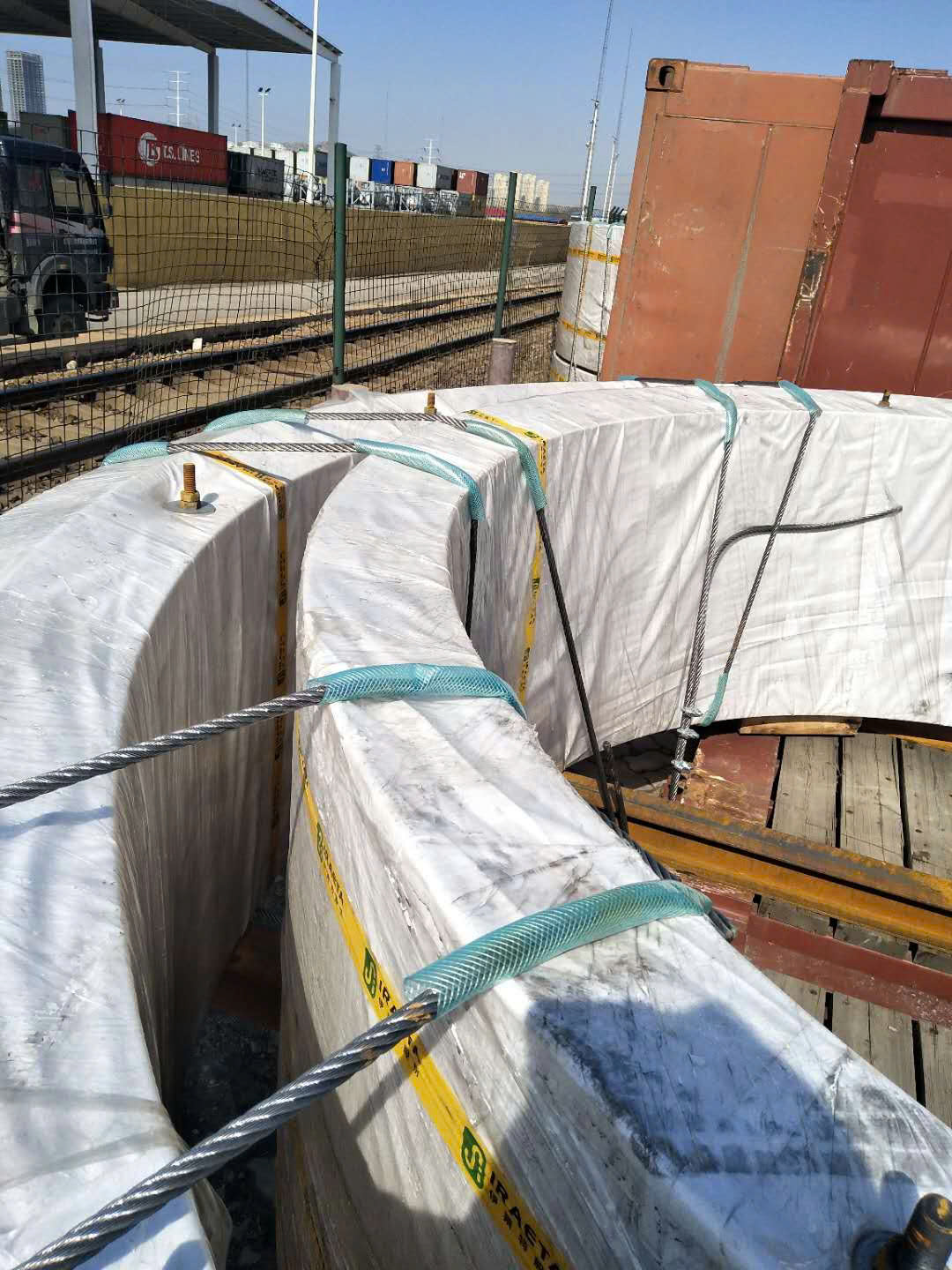
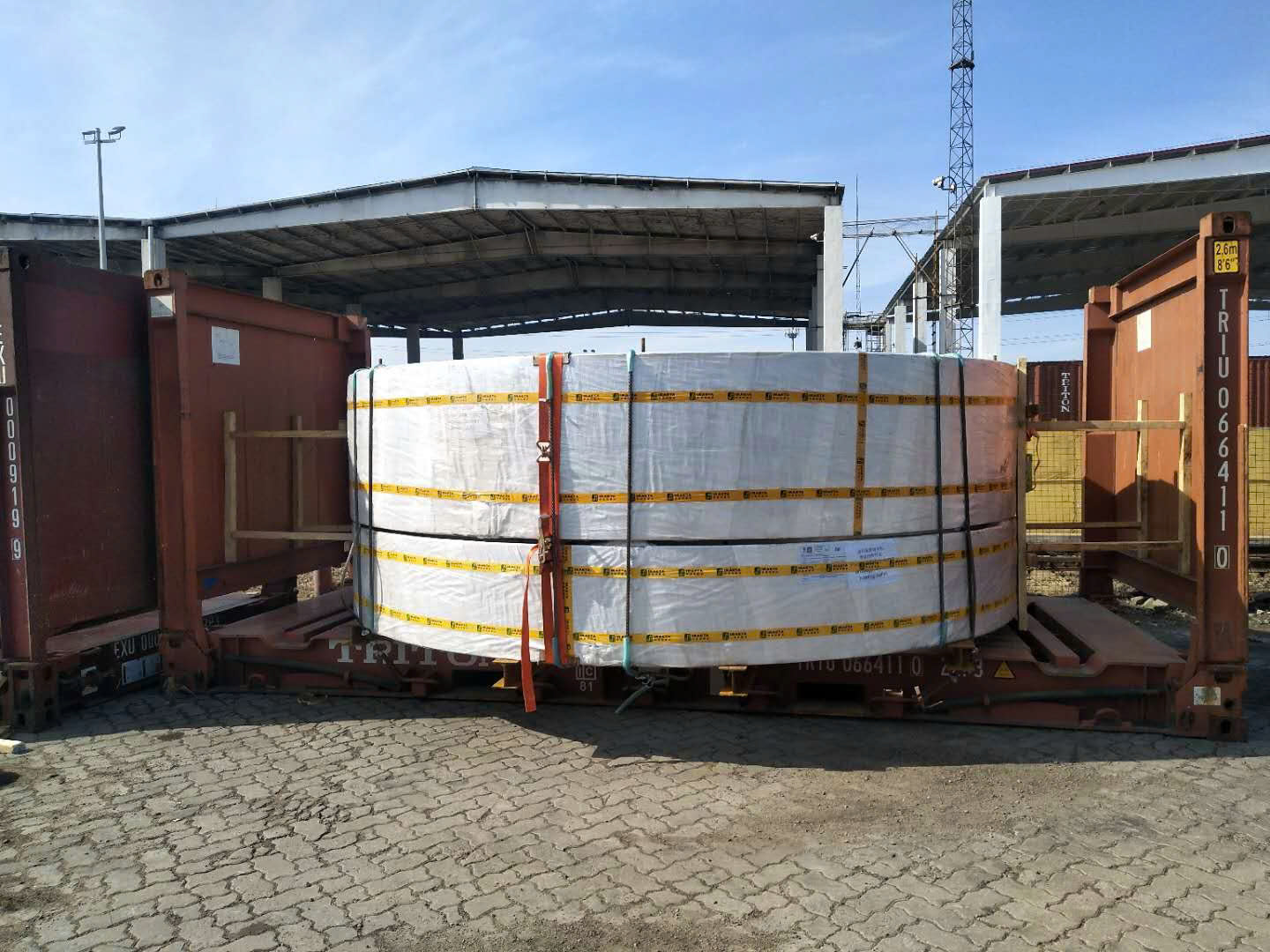
Dry containers are used for general cargo, Reefer containers require temperature control, Open Top containers are suitable for cargo loaded from above, and Flat Rack containers are used for oversized cargo compatible with the equipment's specifications. Each option has specific requirements for chassis, tractor trucks, securing equipment, and refrigerated power supply when necessary.
Before dispatching vehicles, the transport provider must check the gross combination weight, axle loads, vehicle height, and road and bridge conditions. This is particularly important for 40-foot containers carrying heavy or oversized cargo, or for delivery routes where internal roads restrict vehicle access.
2.2. Dispatch Process: From Receiving the Order to Returning the Container
The container trucking service is organized into five steps to control documentation, delivery schedules, and responsibilities among the parties involved.
- Step 1 – Information Collection: Check the Booking Confirmation or D/O, bill of lading, vessel name, voyage number, container type, seal number, terminal, and delivery and pickup locations.
- Step 2 – Check Cargo Pickup Requirements: Confirm customs clearance, electronic delivery orders, local charges, order validity, and free time in accordance with the shipping line's regulations.
- Step 3 – Dispatch the Truck to the Port: Arrange the tractor truck, chassis, and driver; check the EIR, container number, seal, container condition, and record any irregularities before leaving the yard.
- Step 4 – Cargo Handover at the Factory: Coordinate arrival times, loading and unloading personnel, and cargo stuffing or unloading schedules; prepare handover records and document the seal condition.
- Step 5 – Complete the Transportation: For import shipments, return empty containers to the designated depot. For export shipments, deliver containers to the terminal before the CY Cut-off and confirm their acceptance status.
The completed trip records should include the EIR, delivery and receipt documents, seal information, weighing slips if available, and confirmation of empty container returns. These documents serve as supporting evidence when disputes arise regarding time, equipment, or container conditions.
3. Container Haulage Rates, Vessel Schedules, and Additional Cost Control

3.1. Freight Rate Structure and Cost Estimation Methods
There is no single fixed rate for transporting containers from Cat Lai or Cai Mep to factories. Quotations must specify the route, 20-foot or 40-foot container type, transportation direction, cargo weight, and empty container return location. One-way, round-trip, and port-to-port transfer options are priced separately.
The cost estimate should separate the following items to make it easier for businesses to review:
- Tractor Trucking Charges: Vehicle, driver, and route-based transportation costs.
- Port Charges: Lifting and handling, entry and exit fees, and applicable terminal services.
- Additional Charges: Truck waiting time, road and bridge tolls, overtime work, or changes to delivery and pickup locations.
- Special Surcharges: Reefer containers, oversized cargo, specialized equipment, or specific operational requirements.
Domestic transportation charges must be distinguished from THC, documentation fees, container cleaning fees, and storage charges. DEM refers to charges for using a container beyond the free time allowed inside the terminal; DET relates to retaining a container outside the terminal beyond the permitted period. Port storage charges may be calculated separately according to the applicable tariff.
Payment responsibilities must be checked against the service contract, shipping line tariffs, and delivery terms. When preparing a cost estimate, businesses should include transportation expenses, anticipated port charges, and a contingency for waiting time, while clearly identifying which items are included or excluded from the quotation.
3.2. Coordinating Vessel Schedules, Cut-off Times, and International Trade Contracts
Checking Cat Lai or Cai Mep shipping schedules should be based on official information from shipping lines and terminals. Important details include vessel name, voyage number, port of departure, port of arrival, ETD, and ETA. Estimated schedules may change, so they must be reconfirmed before dispatching vehicles.
For export shipments, businesses must monitor SI Cut-off, VGM Cut-off, and CY Cut-off. The schedule for picking up empty containers, stuffing cargo at the factory, and transporting containers to the port must include an appropriate buffer. Even arriving at the port on time may not prevent a container from missing its planned vessel if the yard delivery deadline has passed.
Understanding what an international trade contract is also directly relates to delivery and transportation planning. A Sales Contract establishes an international sales agreement, in which Incoterms 2026 conditions help determine delivery obligations and allocate costs and risks between the seller and buyer according to the selected terms.
Under FOB, CFR, and CIF, sellers are generally responsible for delivering goods to the port of loading according to the obligations of each respective term; the party responsible for arranging ocean freight varies depending on the selected term. FCA specifies the delivery location to the carrier, while EXW places most transportation obligations on the buyer. Container trucking responsibilities must follow the agreed delivery location.
Before implementation, the Sales Contract, Booking, Invoice, Packing List, Shipping Instruction, and bill of lading must be cross-checked. Key information includes quantity, container type, cargo weight, seal number, and delivery and pickup locations. Businesses can refer to the guidelines provided by Ministry of Industry and Trade on international trade and Vietnam Logistics Business Association (VLA) on logistics operations.
4. Container Transportation Solutions with G-LOGS JSC
With more than 10 years of experience, G-LOGS JSC provides integrated logistics solutions combining international ocean freight, air freight, customs procedures, and domestic transportation. Businesses can establish a unified delivery and transportation plan, covering everything from booking and document processing to transporting goods to their warehouses.
For Cat Lai and Cai Mep routes to Binh Duong and Dong Nai, G-LOGS coordinates document checks, customs clearance requirements, and delivery schedules to develop suitable truck dispatch plans. Operational milestones are monitored from the time cargo becomes eligible for port pickup until delivery is completed and empty containers are returned.
To receive an accurate quotation, customers need to provide the terminal, warehouse address, container type, quantity, cargo weight, expected schedule, and empty container return location. For refrigerated or special cargo, additional equipment requirements must be provided. Quotations should clearly specify the main transportation rate, surcharges, validity period, and additional charge conditions.
Choosing the right transportation solution at Cai Mep Thi Vai or Cat Lai Port helps businesses maintain control over schedules and manage total delivery and transportation costs. Contact G-LOGS JSC for consultation on FCL/LCL transportation, air freight, comprehensive customs declaration services, and container trucking solutions tailored to each shipment.
G-LOGISTICS TRADING AND SERVICES JOINT STOCK COMPANY (G-LOGS JSC)
Address: 4th Floor, Coalimex Building, 29–31 Dinh Bo Linh Street, Binh Thanh Ward, Ho Chi Minh City, Vietnam.
Phone: (84) 28 3511 5354/5455
Email: info@g-logs.com
Website: www.g-logs.com