 EN
EN  VI
VI  ZH
ZH In carriage of goods by seagoods must often undergo long journey from 15 to 45 days on the ocean. Harsh conditions such as high humidity, temperature changes suddenly and shake strong is the “enemy” silent. If there is no technical standard package, your goods are very easy to be damaged prior to delivery to the customer.
1. Moisture resistant and the phenomenon of “rain in the container”
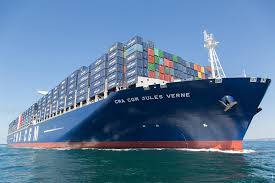
Condensation water vapor (container rain) is most at risk when transportation of goods by. When the train travels through the different climates, the moisture in the air will condense on the ceiling of the container and down goods.
-
Solution: Use desiccant bags dedicated (Silica gel or powder, hygroscopic), lined paper, cement or insulating panels around the container to limit the maximum moisture.
2. Technical dunnage (Dunnage) impact-resistant
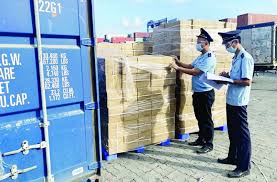
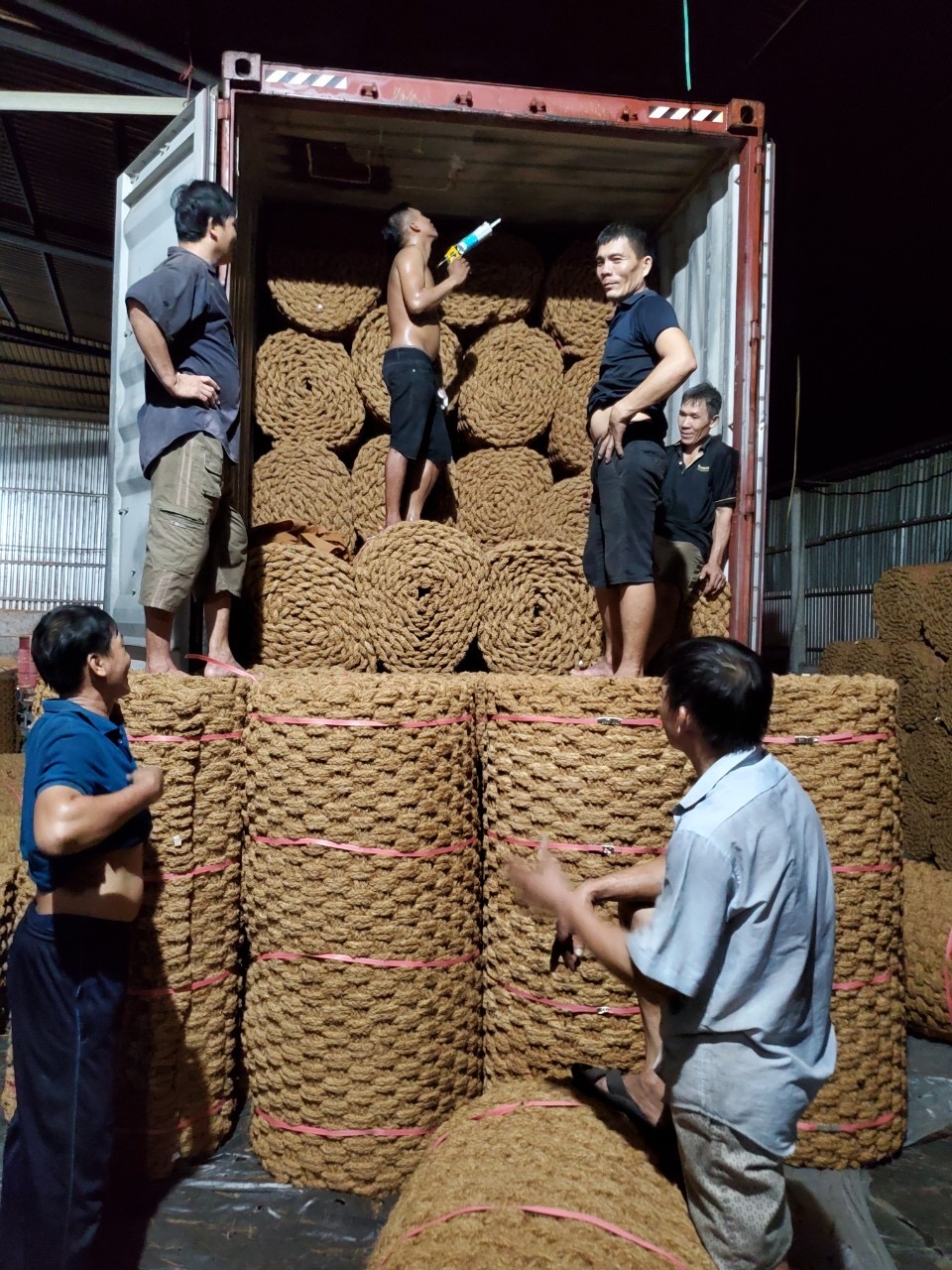
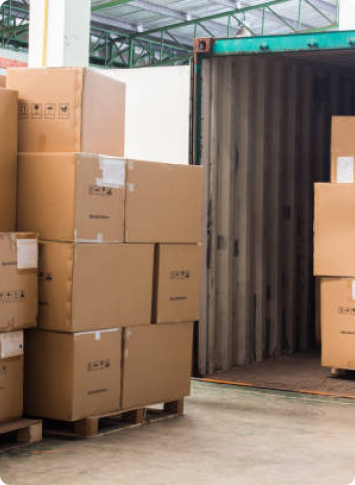
When the ship encountered big waves, the container will shake violently. If the goods is not fixed for sure, they will move and bump into each other.
-
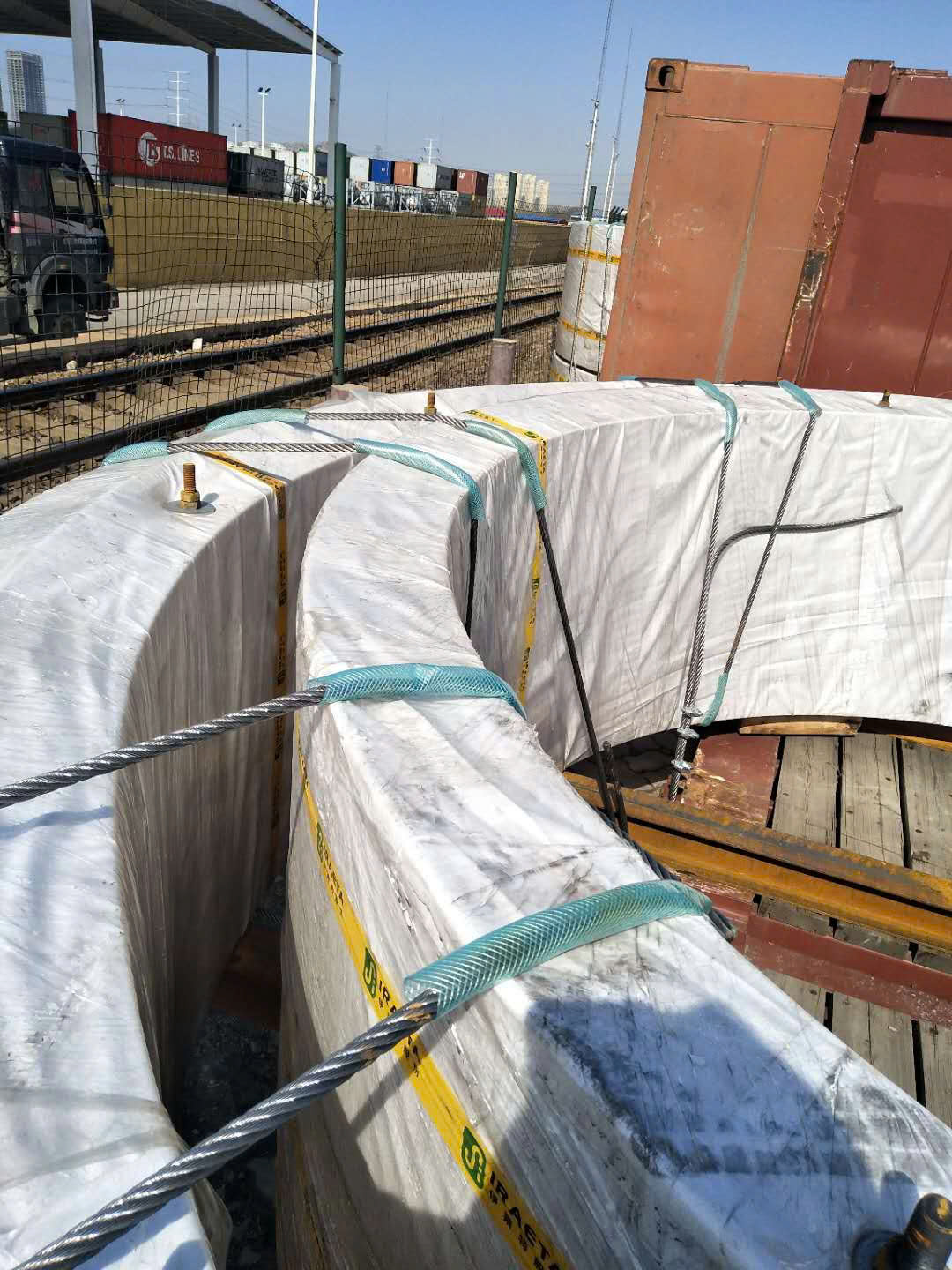
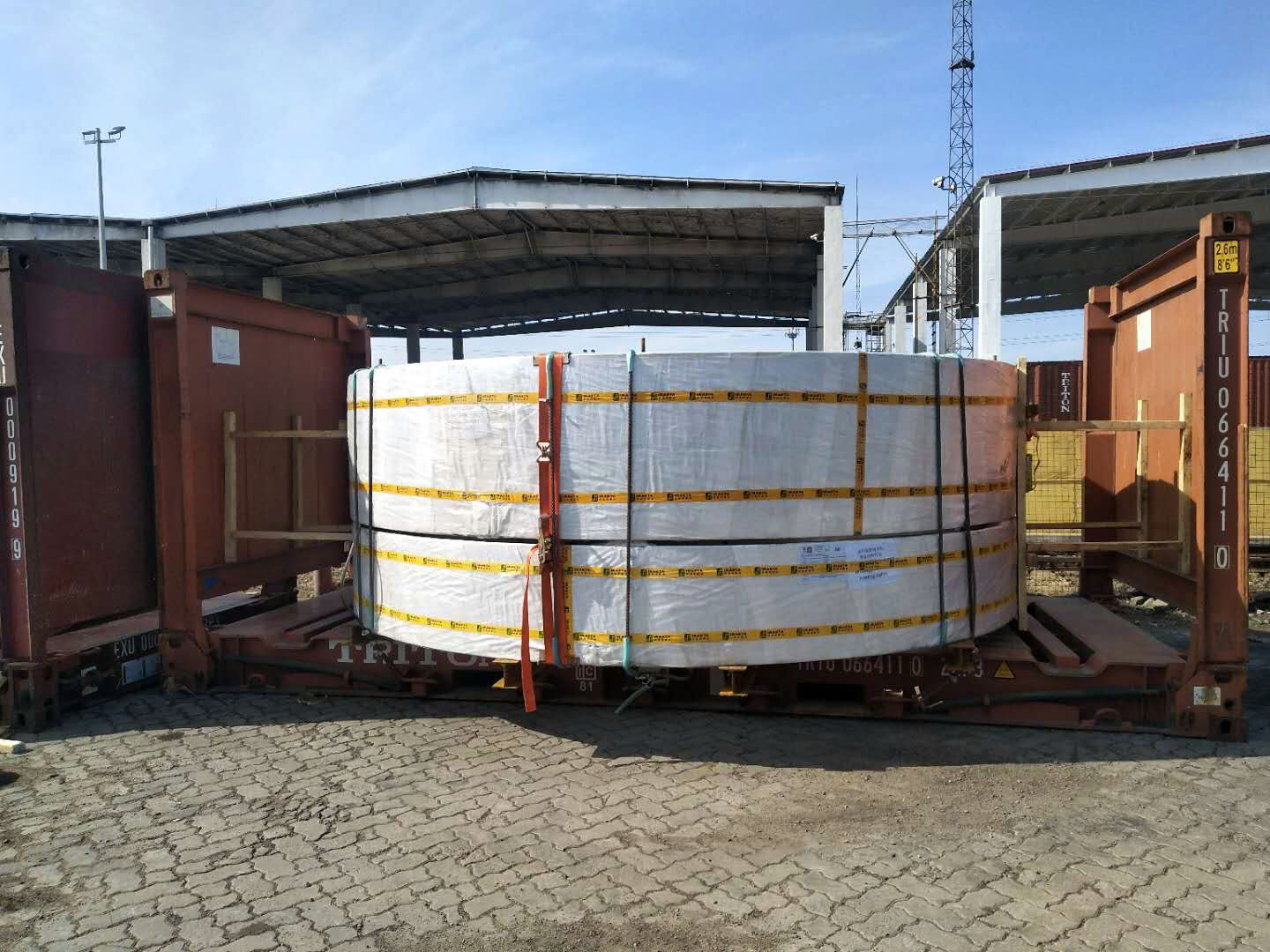
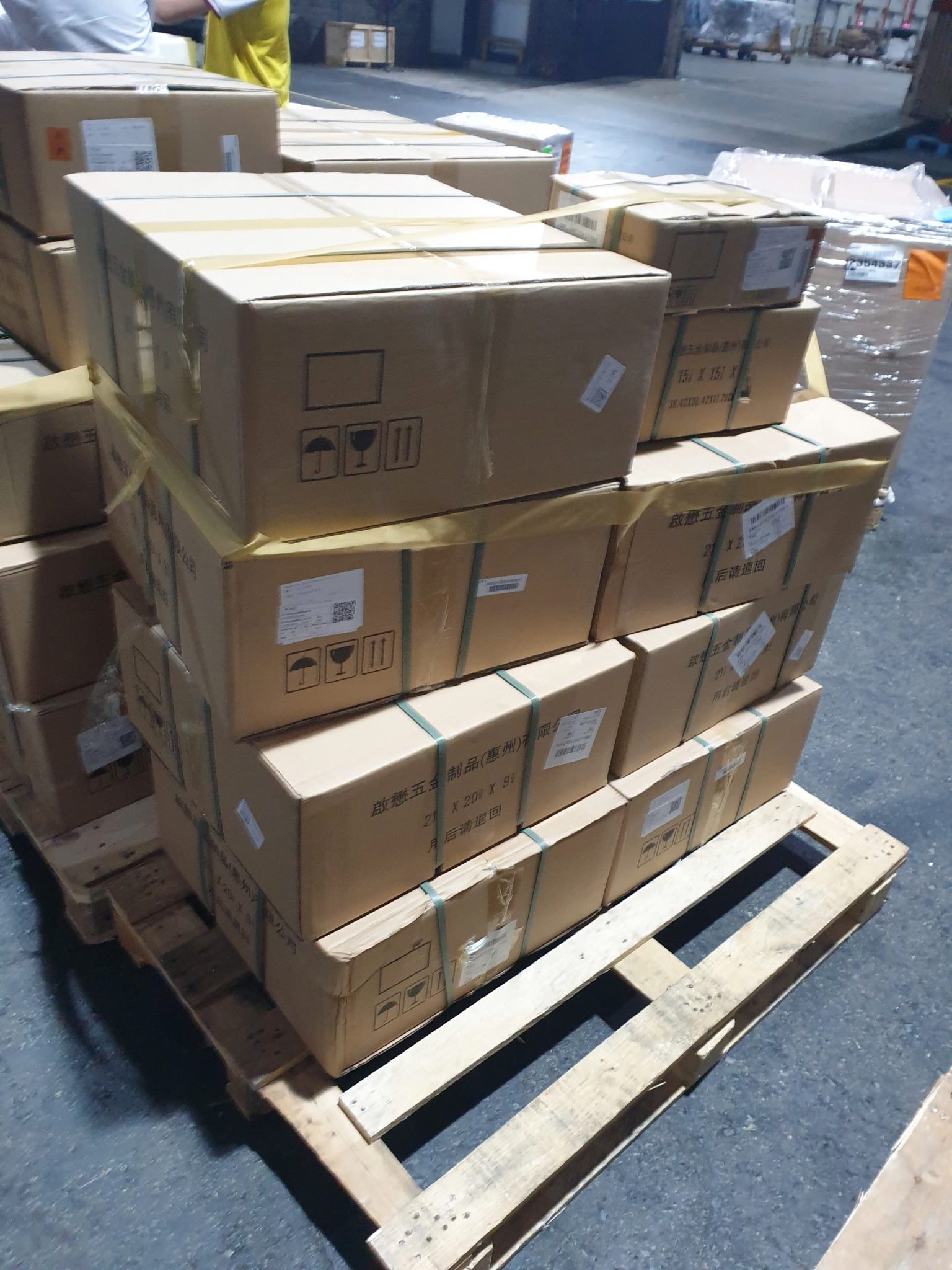
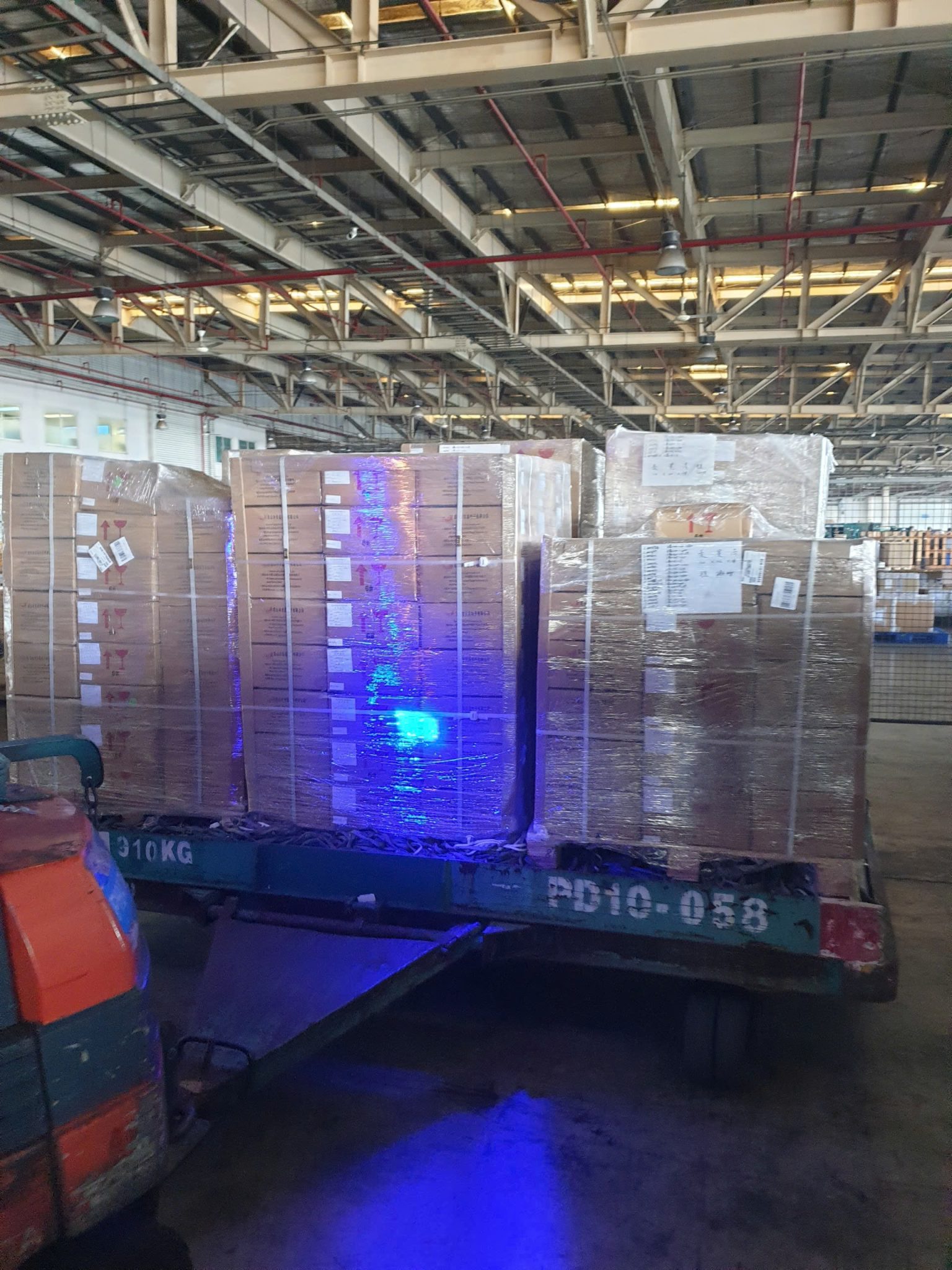
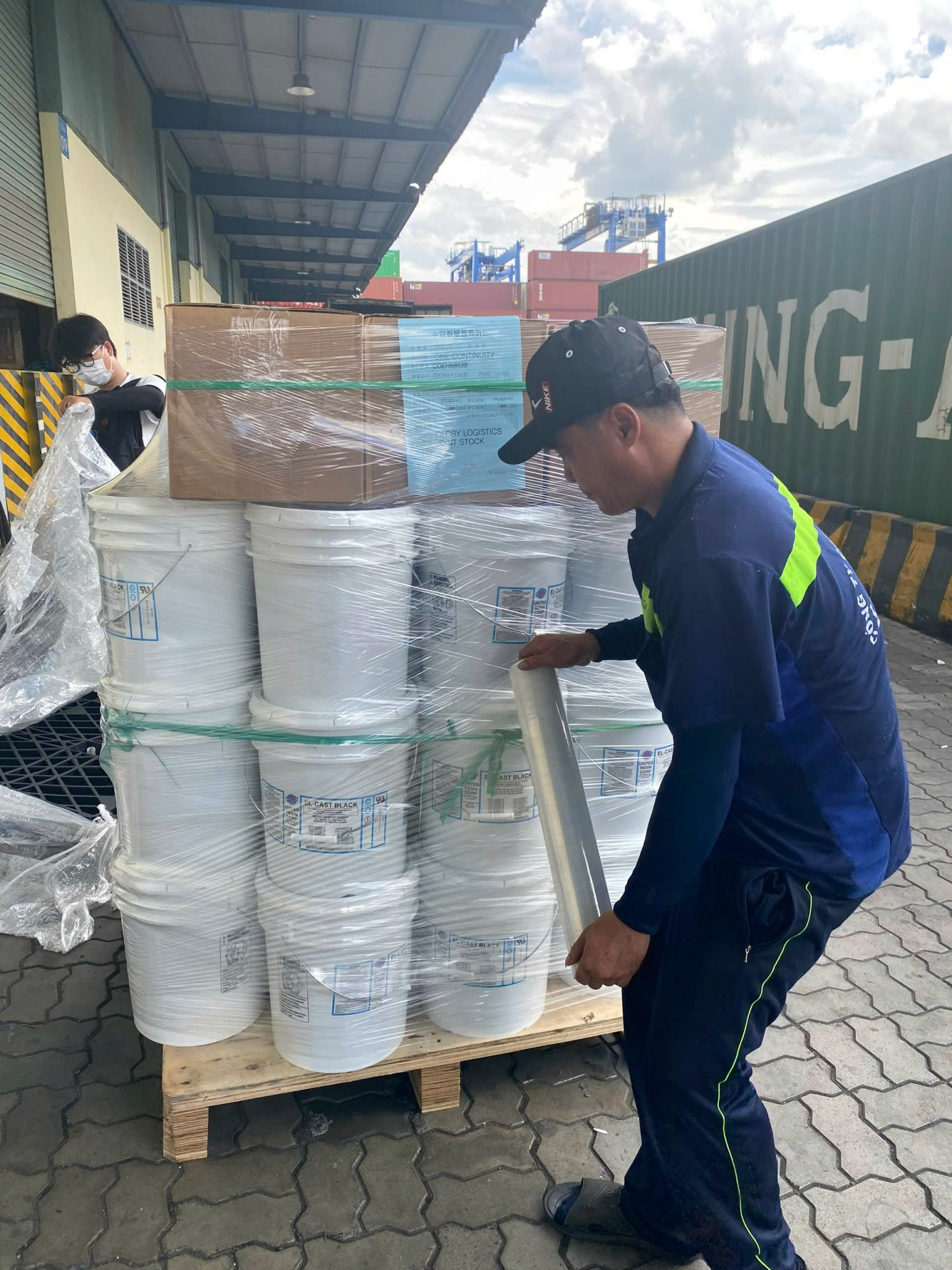
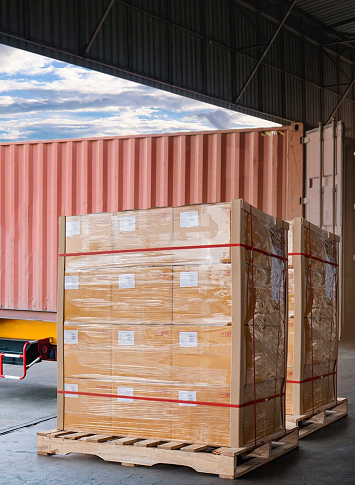
Solution: Use air bags (Air bags) inserted into the gaps between the parcels. With heavy goods have to use straps (Lashing) and the wood pallets are fumigated to fixed on the mold iron inside the container.
3. Note on labeling and pallet
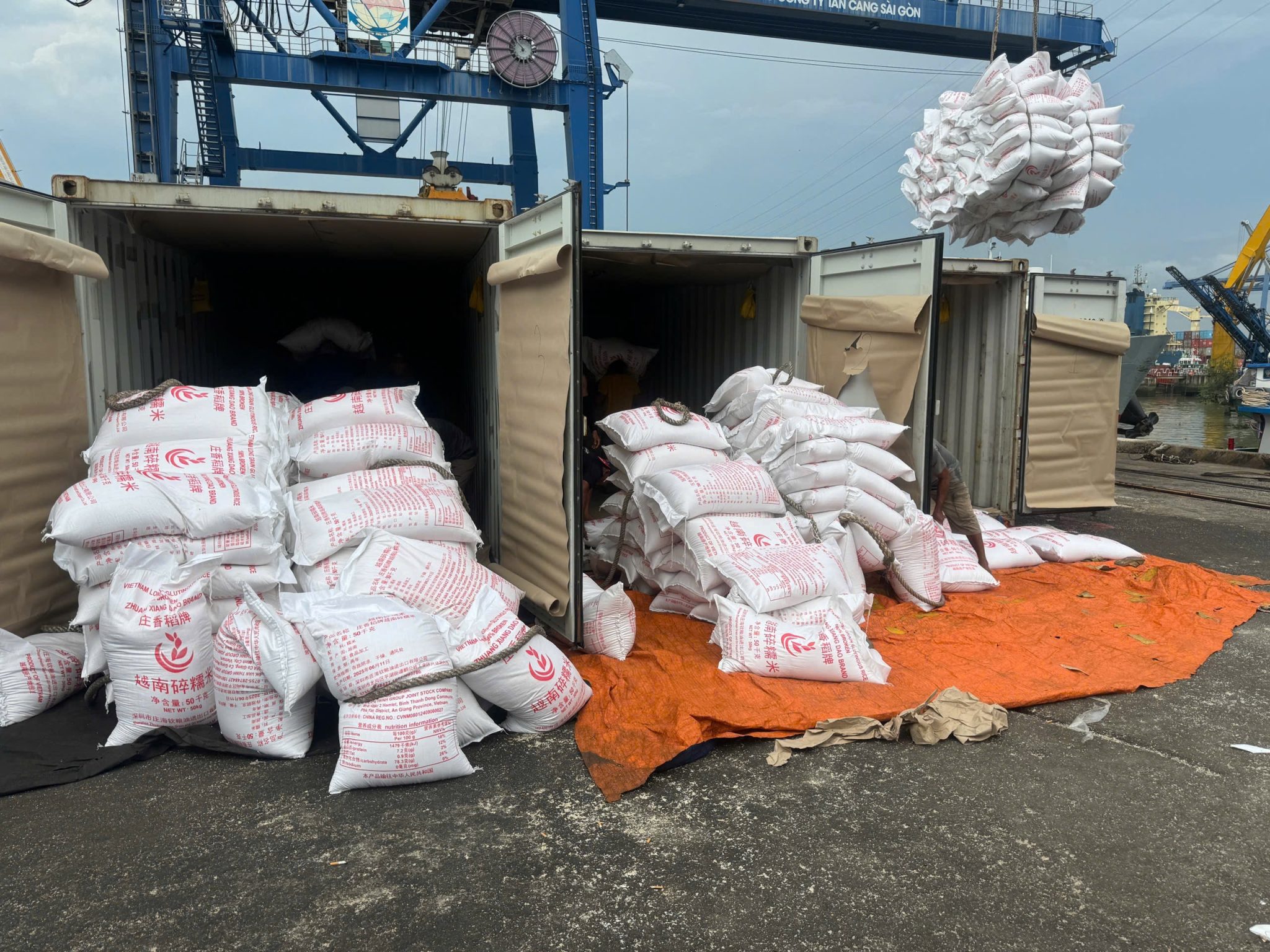
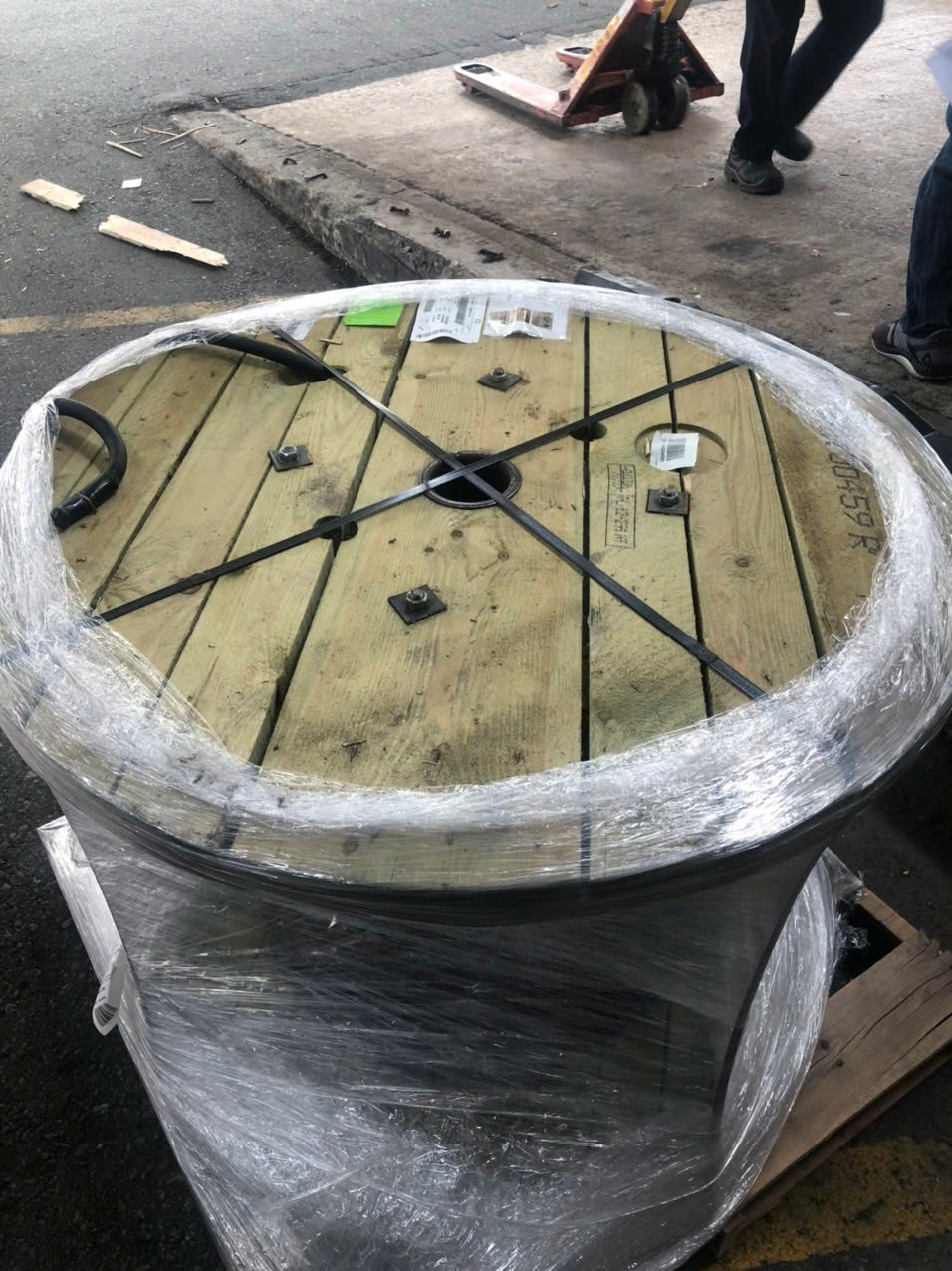
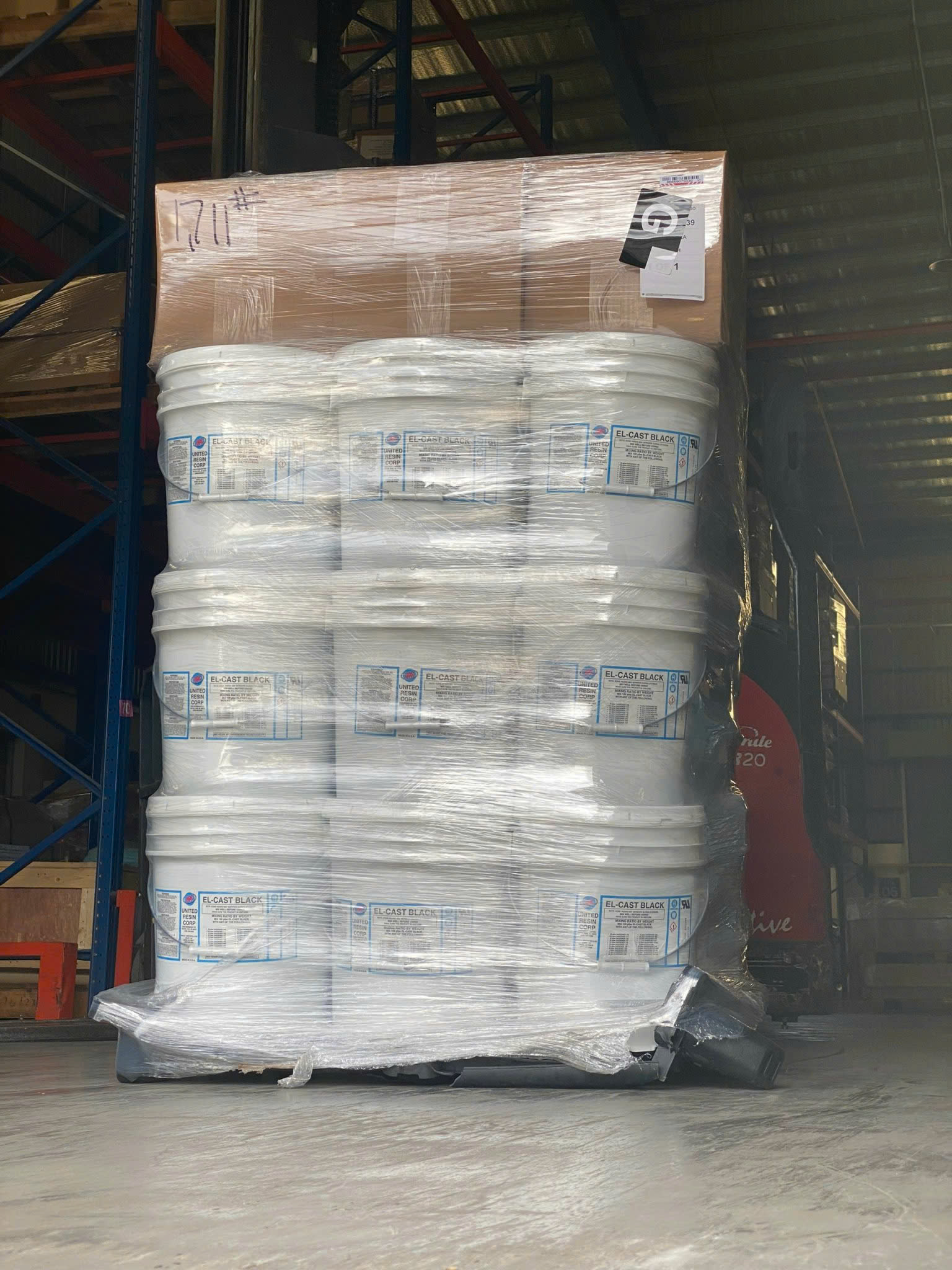
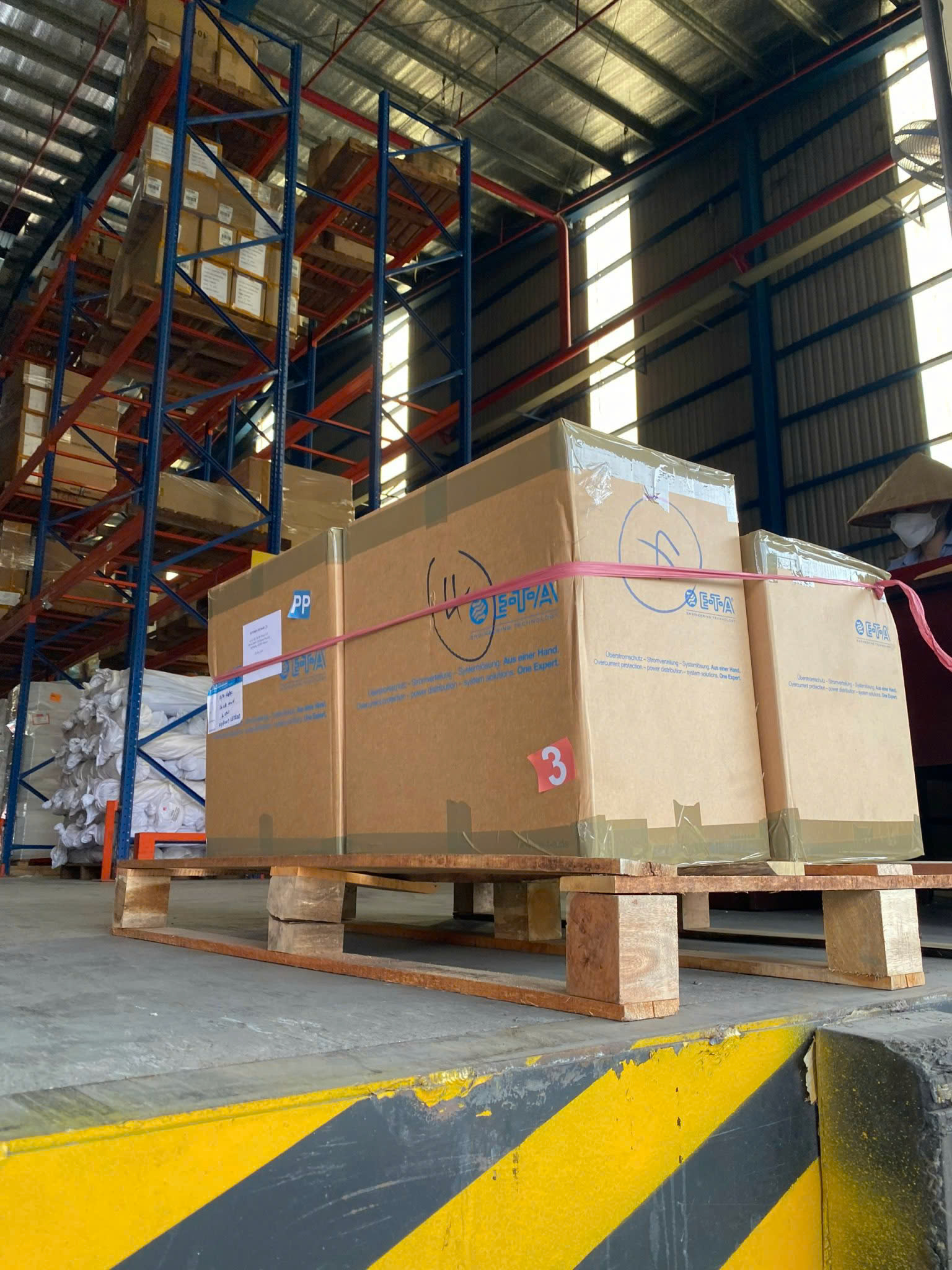
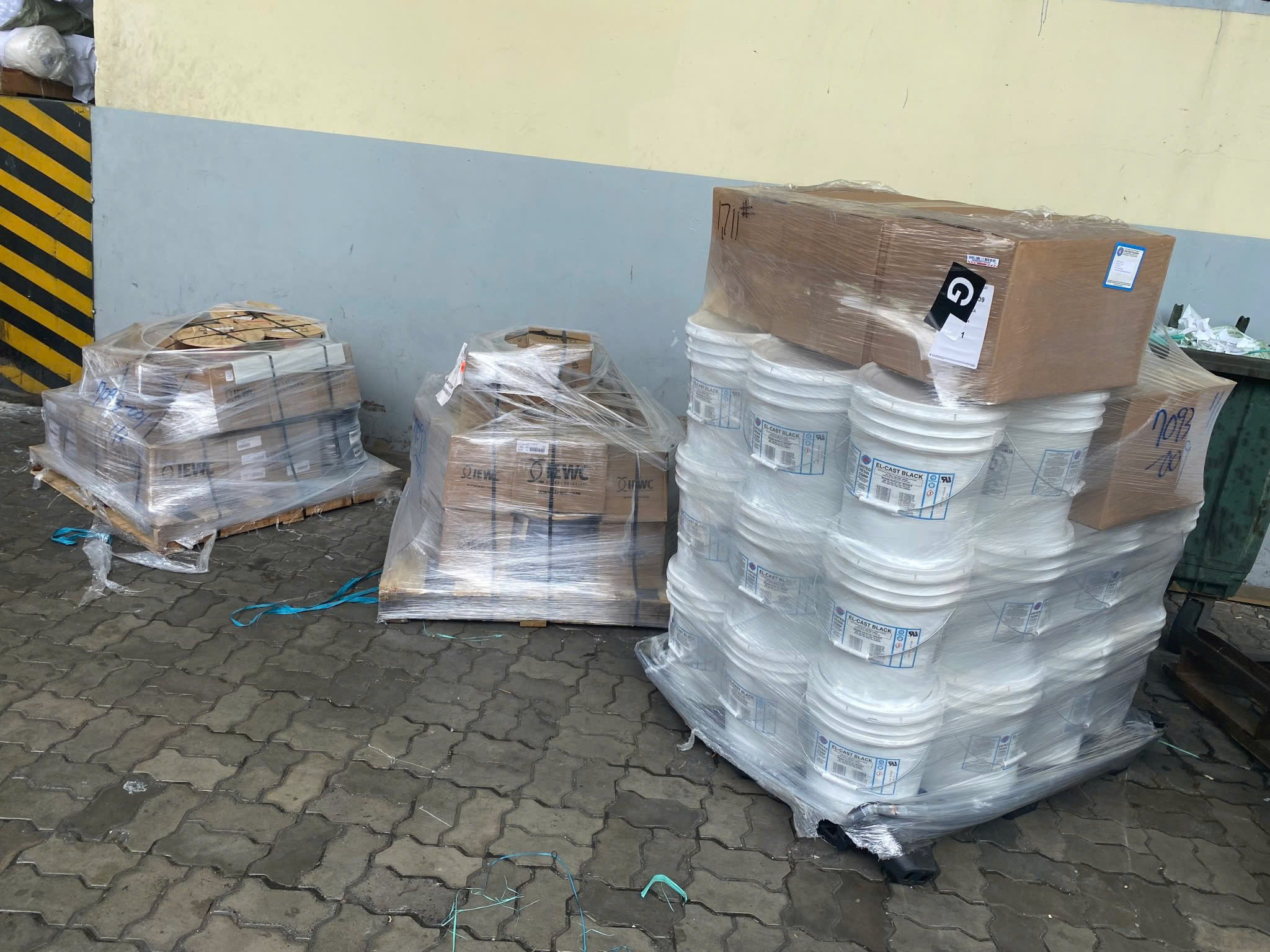
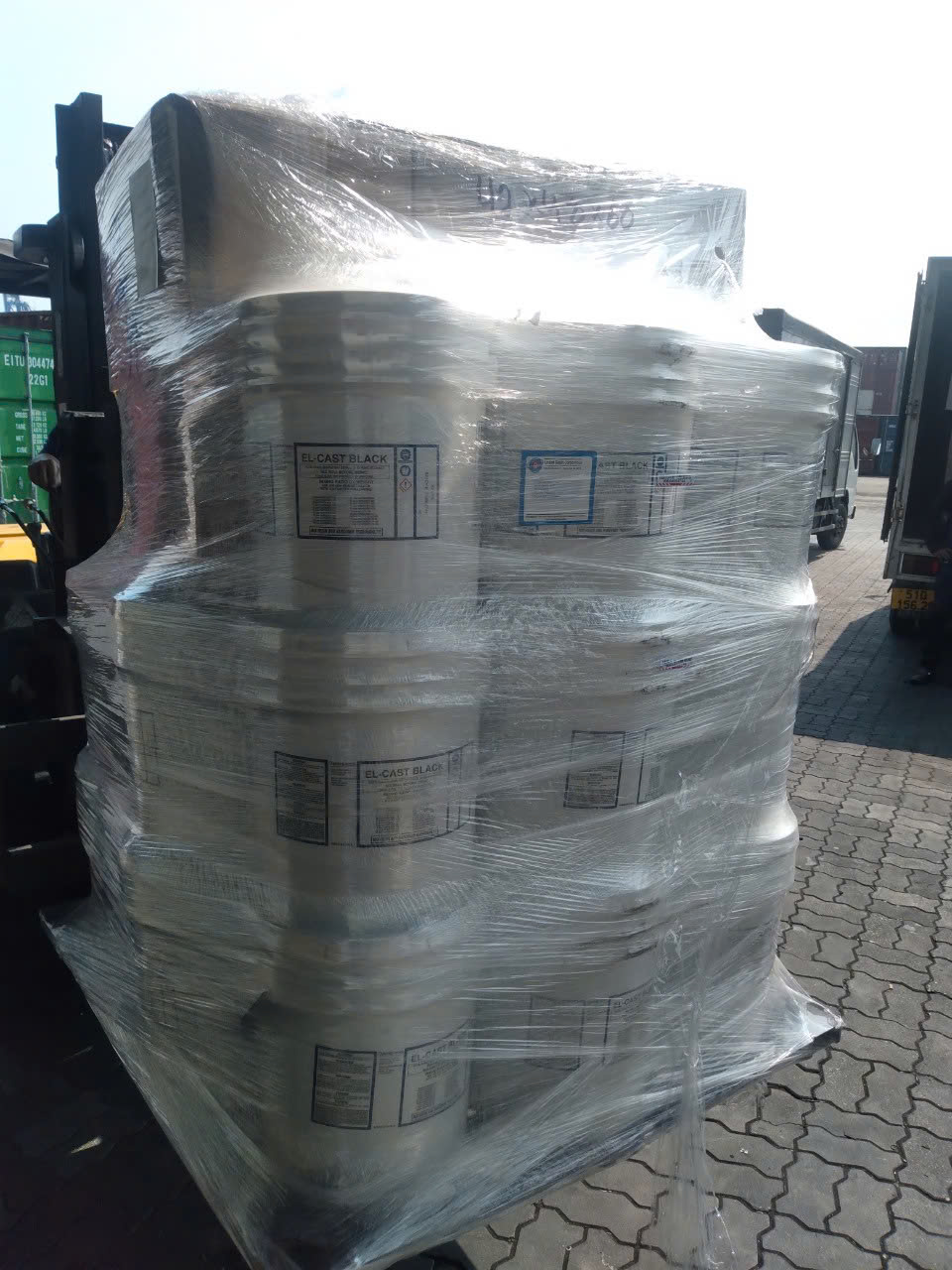
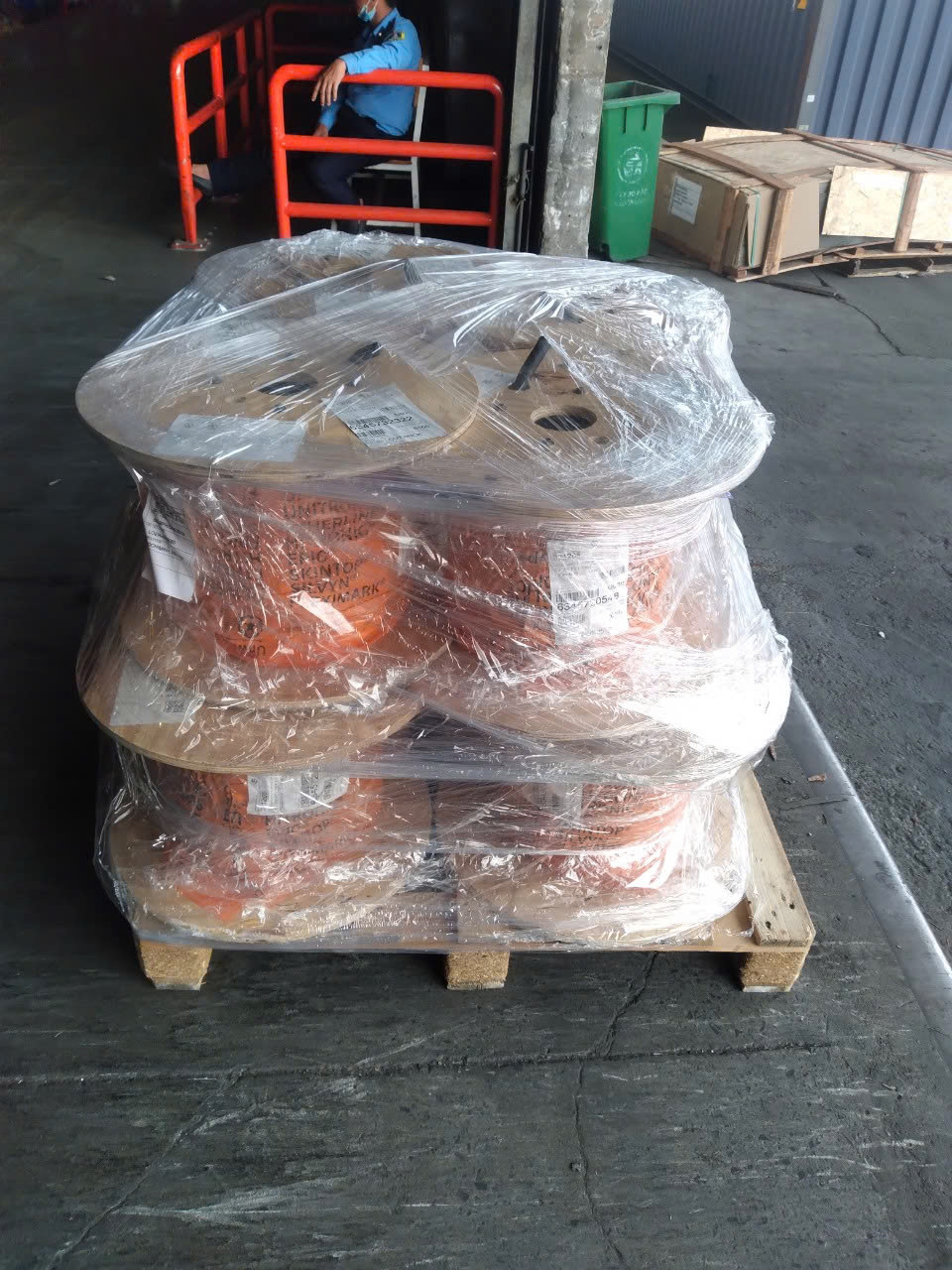
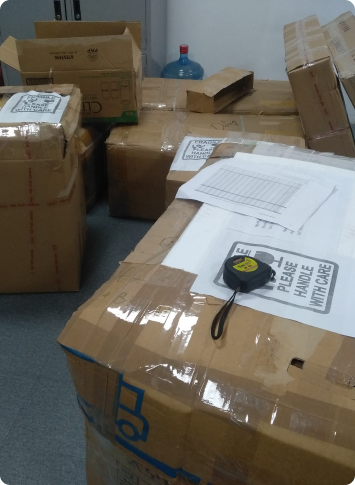
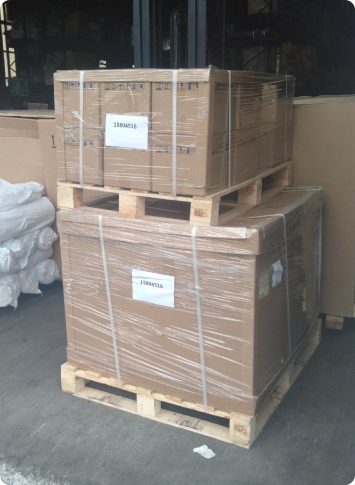
To carriage of goods by sea advantageously, the parcels need to be put on a pallet for easy loading and unloading by forklift. Don't forget to label (Shipping mark) clear on at least two sides of the parcel, stating: Name, number facts, place of origin, and the symbols warning (fragile goods, directions put the parcel).
Epilogue:
Don't save the packing cost to incur greater losses due to the goods being returned or the compensation contract. A process carriage of goods by sea perfect start from the carefully wrapped each item facts right at your plant.