 EN
 VI
 ZH
In wood exports, pallets and packaging are related to phytosanitary requirements, transportation safety, and traceability. Businesses need to distinguish between ISPM 15, timber product documentation, and what FSC certification is to prepare the correct documents.
1. Export Wooden Pallet Packaging According to ISPM 15 Standards

1.1. Pallet Classification and Specification Selection
Softwood pallets are generally lightweight and easy to manufacture, while hardwood pallets may offer greater load-bearing capacity depending on their construction. New pallets make quality control easier, while reused pallets must be inspected for cracks, rot, joints, and treatment marks. Plywood, particleboard, and fiberboard must be distinguished from natural wood when assessing ISPM 15 requirements.
ISPM 15 applies to pallets, crates, dunnage, and other packaging materials made from raw wood. Plywood, particleboard, and fiberboard manufactured using adhesives, heat, or pressure, as well as wood no more than 6 mm thick, are exempt. Not all wood-based materials require fumigation.
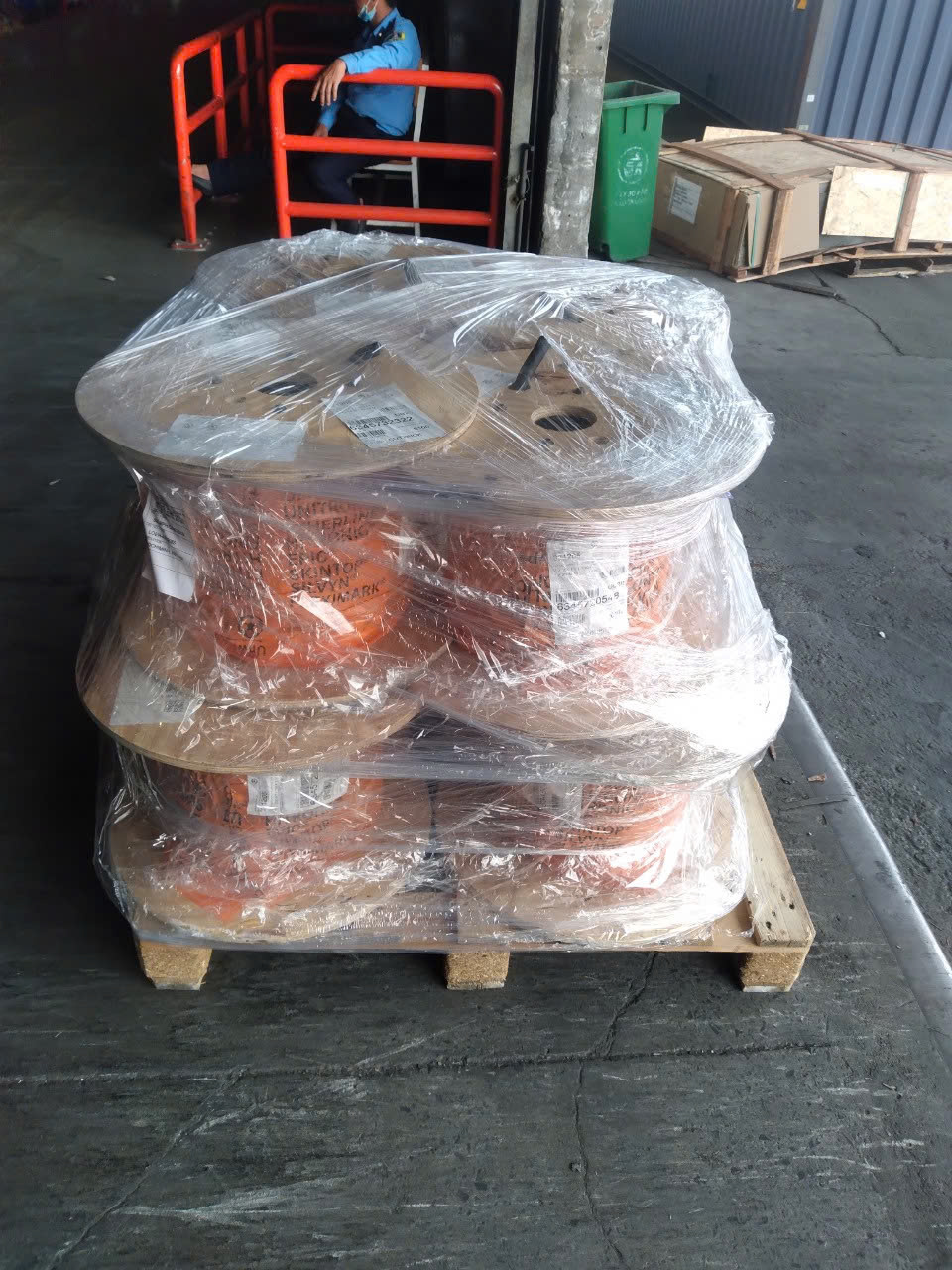
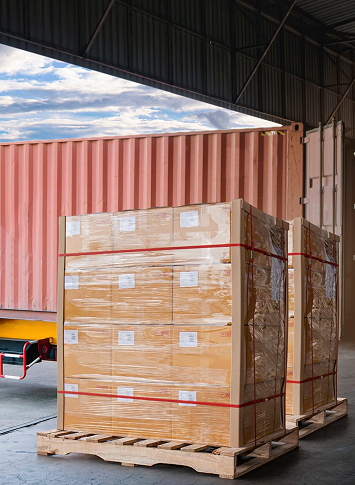
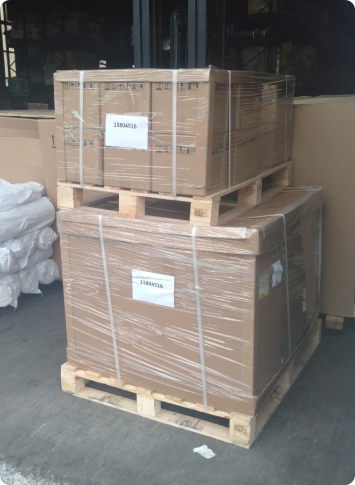
In export cargo packaging, pallets distribute loads, provide forklift access, and reduce impacts. FCL shipments optimize floor space; LCL shipments require consideration of stackability and chargeable volume; air freight is subject to size and weight restrictions. Select pallets based on container door dimensions, completed package dimensions, stacking height, and lifting equipment.
1.2. Heat Treatment, Fumigation, and IPPC Marking
ISPM 15 specifies two common treatment methods: heat treatment (HT) and methyl bromide fumigation (MB). For HT, the wood must reach a minimum temperature of 56°C for at least 30 continuous minutes throughout the entire cross-section, including the wood core. Treatment facilities must be officially approved and maintain records to ensure material batch traceability.
The IPPC mark includes the IPPC symbol, country code, authorized facility code, and HT or MB treatment code. The mark must be clear, durable, and easy to identify. The mark confirms that the pallet complies with ISPM 15, while a fumigation certificate is a separate document. Neither replaces the other when the destination market requires both.
2. What Is FSC Certification and Its Role in the Wood Supply Chain

2.1. Certification Scope and Commercial Value
FSC stands for Forest Stewardship Council, a certification system that promotes responsible forest management and controls the flow of materials through to finished products. Certification helps buyers identify material sources that meet FSC criteria, but it is not a logging permit, phytosanitary certificate, or document proving the legality of timber in Vietnam.
FSC-FM (Forest Management) applies to forest management organizations; FSC-COC (Chain of Custody) controls materials throughout processing and trading. Businesses wishing to make FSC claims on sales documents must hold a CoC certificate covering their actual scope of operations.
Common claims include FSC 100%, FSC Mix, and FSC Recycled. FSC Controlled Wood is not an FSC-certified product. FSC certification provides an advantage when customers require responsible sourcing. Before using the label, businesses should check FSC Search and verify the legal entity, products, scope, and validity.
2.2. Distinguishing FSC, ISPM 15, and Timber Product Documentation
These three documentation categories serve different purposes: FSC controls the product chain of custody under a certification system; ISPM 15 controls pests in raw wood packaging materials; and timber product documentation demonstrates legal origin under Vietnam's forestry management regulations. None automatically replaces the other two.
- FSC: (Forest Stewardship Council) Controls material sourcing and the chain of custody within the scope of certification.
- ISPM 15: Applies to packaging materials made from raw wood; check the IPPC mark and additional documents if required by the destination market.
- Timber product documentation: Includes origin documents, purchase and sale records, timber product lists, and specialized permits depending on the wood species, product code, and export circumstances.
For raw timber and wood products, refer to Circular 26/2026/TT-BNNMT and its amendments. The documentation includes a copy or electronic version of the customs declaration; timber from endangered, precious, or rare species listed in the CITES Appendices requires an appropriate permit; other cases require the original Timber Product List.
Goods subject to EUDR requirements need production-area data, proof of legality, and evidence that they are deforestation-free; FSC does not replace due diligence. Implementation timeline: December 30, 2026, for medium and large enterprises, and June 30, 2027, for micro and small enterprises.
3. Wooden Pallet Packaging Procedures and Preparation of Wood Export Documentation

3.1. Pre-Container Loading Inspection
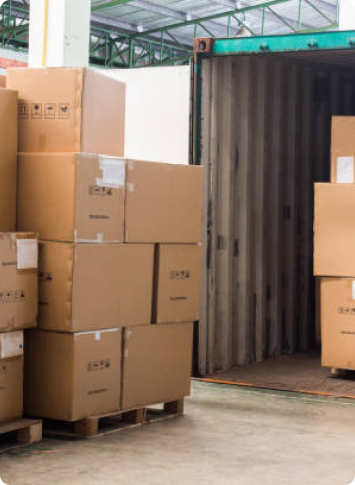
- Survey: Determine the number of packages, dimensions, Gross Weight, center of gravity, fragility, and shipping method (FCL, LCL, or air freight).
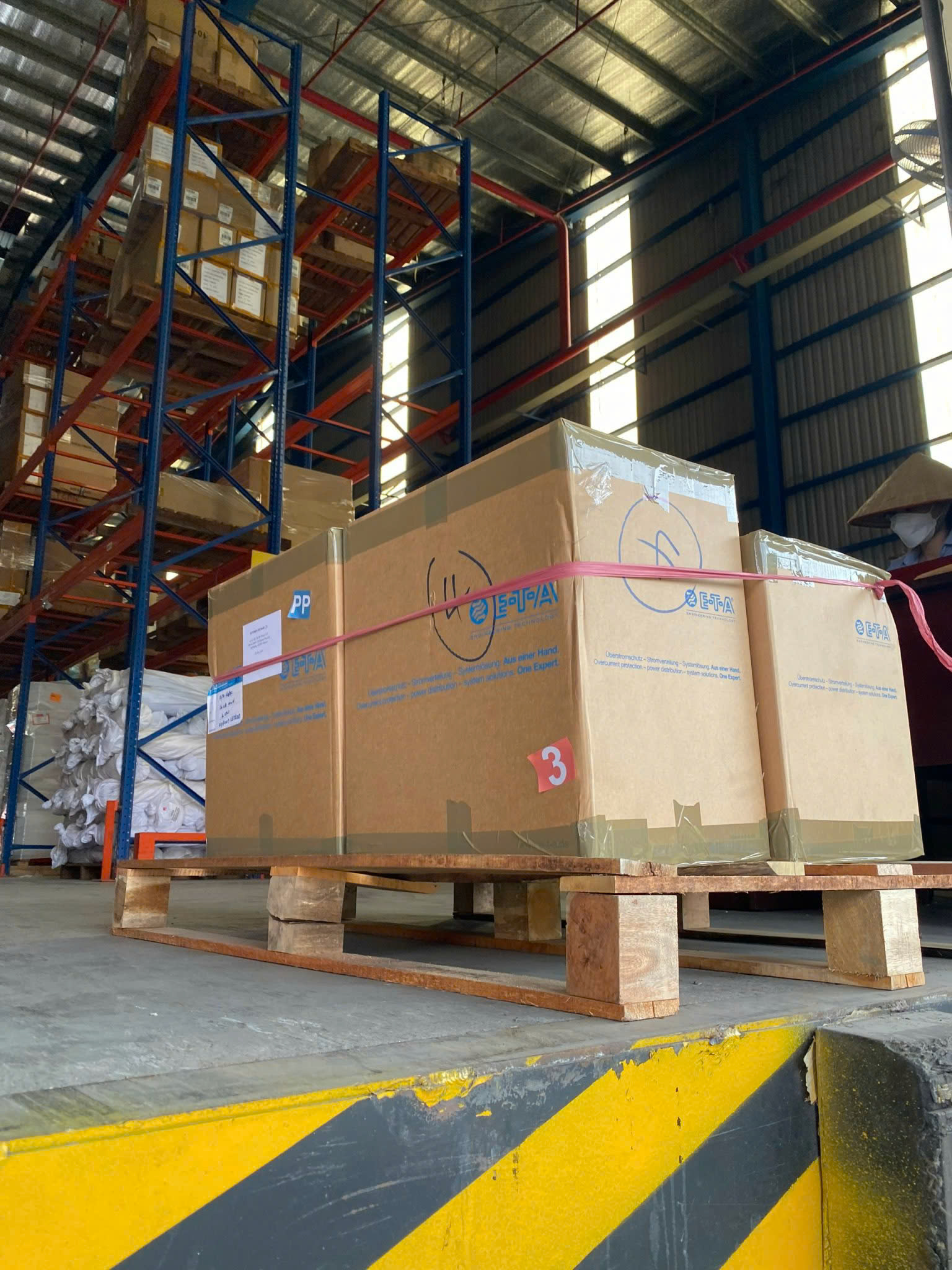
- Select pallets: Check dynamic load capacity, static load capacity, moisture content, wood quality, support structure, and forklift accessibility.
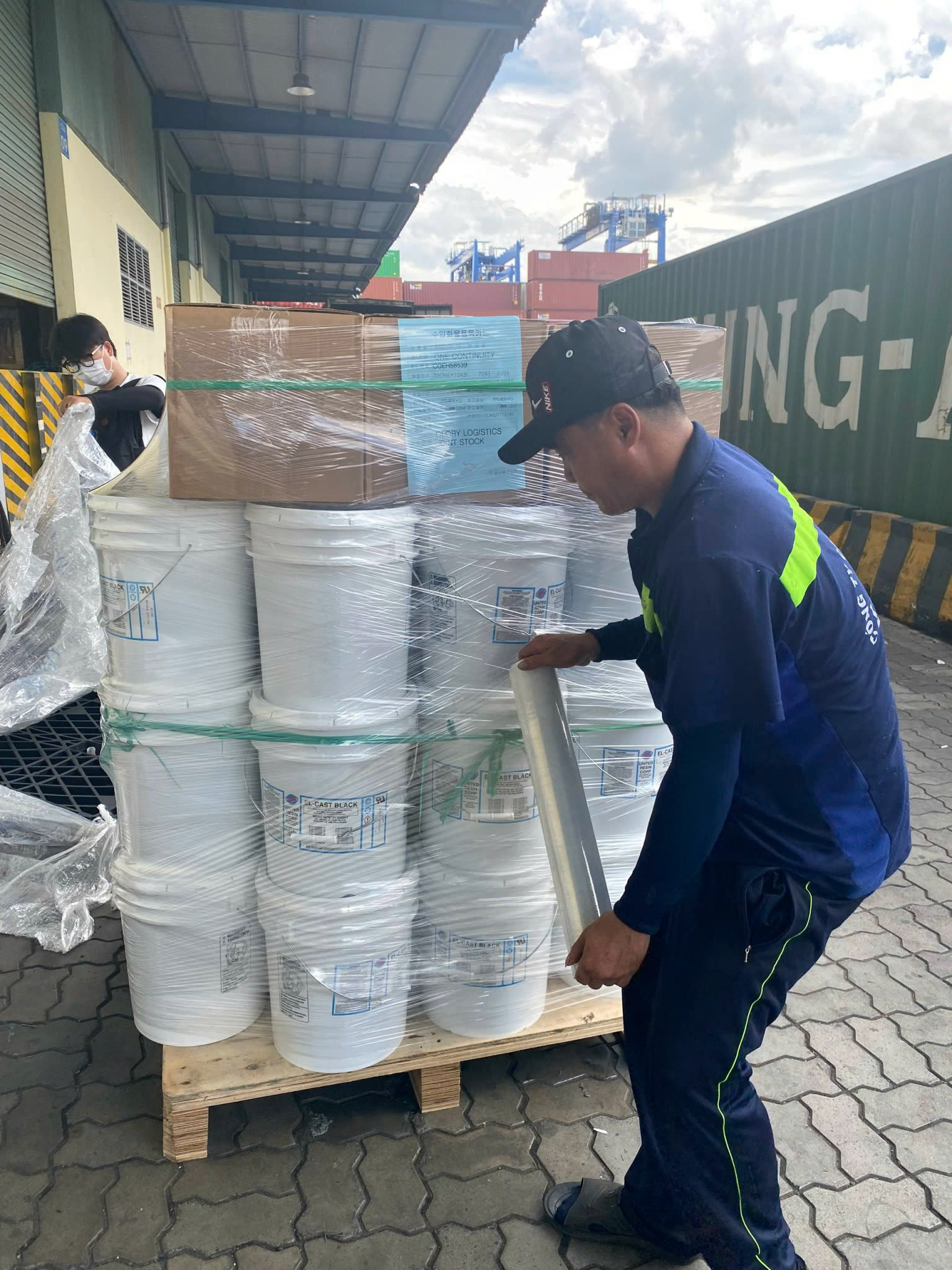
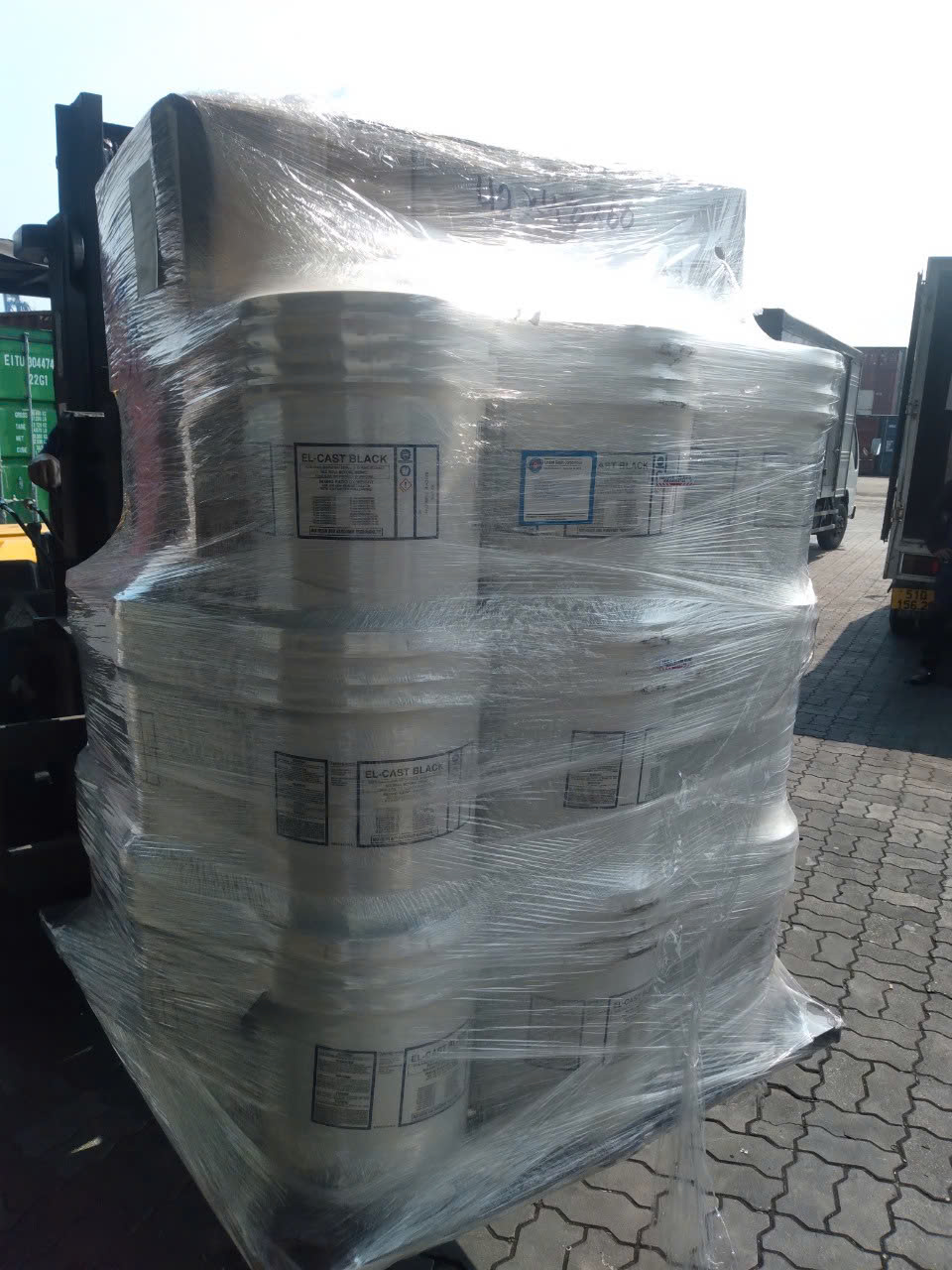
- Secure the cargo: Distribute the load evenly and ensure packages do not exceed permitted dimensions; use PE film, straps, corner protectors, and suitable cushioning materials.
- Check ISPM 15 compliance: Confirm that the IPPC mark is clear and displays the correct treatment code; separate non-compliant pallets for treatment or replacement.
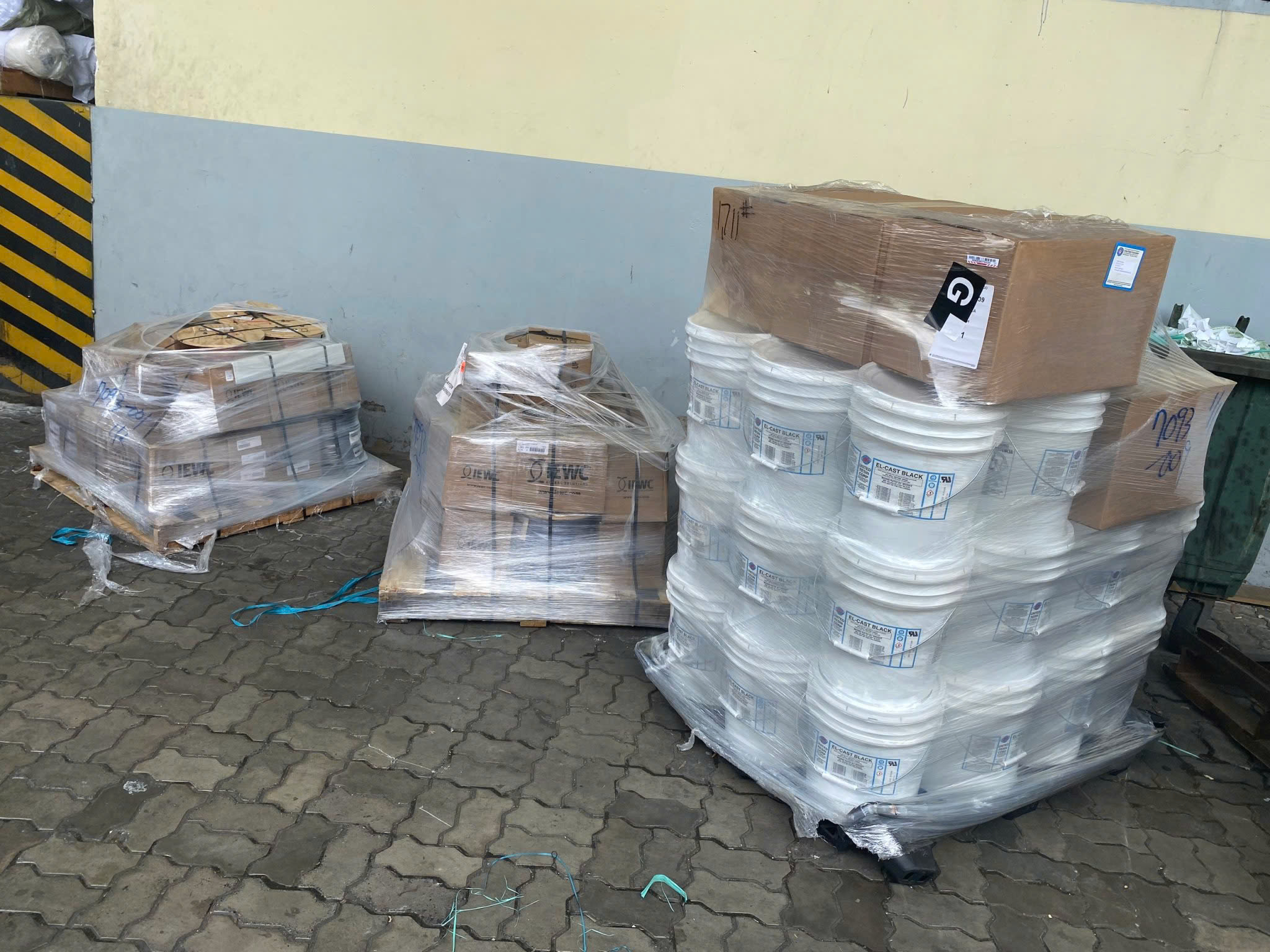
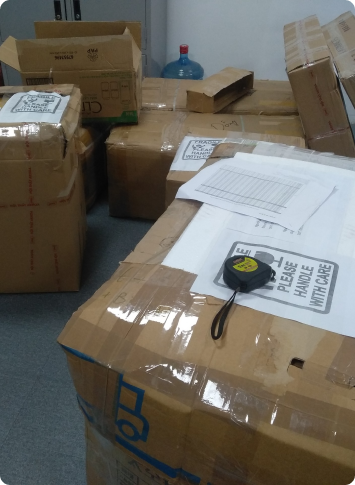
- Measure and hand over: Record dimensions, height, pallet count, and total CBM; take photographs, prepare the Packing List, and verify actual weights.
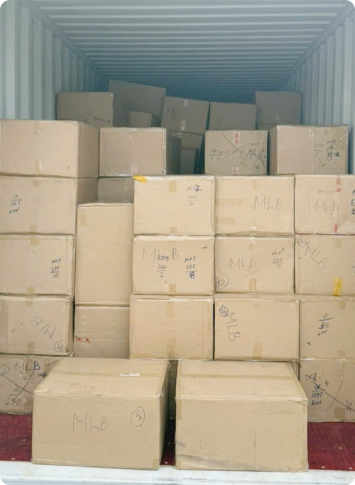
Common mistakes include missing pallet marks, cargo exceeding declared dimensions, uneven load distribution, pallets incompatible with forklifts, and discrepancies between the Packing List and actual cargo. For LCL shipments, non-stackable packages also increase chargeable volume and the risk of damage during cargo consolidation.
3.2. Documentation by Product Category: Timber, Wood Pellets, and Sawdust
Wood export procedures depend on the cargo description, species, origin, processing level, and HS code. Logs, sawn timber, wooden furniture, wood panels, and packaging may be subject to different policies. Businesses must check export prohibition lists, timber product documentation requirements, and CITES requirements where applicable.
Wood pellet export procedures require documentation on raw materials, production processes, pellet dimensions, moisture content, and ash content. Sawdust export procedures require clarification of the source, wood species, moisture content, impurities, and intended use. Both products must be classified according to their nature and intended use under the HS code system, with phytosanitary requirements reviewed for the destination market.
The standard document set generally includes the contract, Commercial Invoice, Packing List, customs declaration, bill of lading, and origin documentation or permits where required. Verify the product description, HS code, quantity, weight, and consignee. Refer to the guidance of the Customs Department, Ministry of Agriculture and Environment, and confirm import requirements to minimize document amendments.
4. Integrated Logistics Solutions with G-LOGS JSC

G-LOGS JSC has more than 10 years of experience international ocean freight in FCL/LCL shipping, air freight, comprehensive customs clearance, and domestic container transportation. For wood cargo, the shipping solution must coordinate packaging specifications, origin documentation, and transportation schedules.
G-LOGS supports information reviews, pallet specification consulting, coordination with ISPM 15 treatment providers, and verification of IPPC marks and fumigation certificates where applicable. Businesses also receive assistance in checking FSC certification scope, timber product documentation, HS codes, and export policies for each product category.
Transportation solutions are based on CBM, Gross Weight, 20-foot or 40-foot containers, FCL/LCL or air freight, port of loading, port of destination, and delivery schedules. To obtain a quotation, shippers should provide the product name, photographs, raw material composition, number of packages, dimensions, weight, pallet count, pickup address, and FSC or ISPM 15 requirements.
Understanding what FSC certification is and distinguishing origin certification from pallet treatment standards and timber product documentation are fundamental to managing export risks. Contact G-LOGS JSC for advice on suitable FCL/LCL shipping, air freight, and customs clearance solutions designed to optimize costs and delivery schedules.
G-LOGISTICS TRADING AND SERVICES JOINT STOCK COMPANY (G-LOGS JSC)
Address: 4th Floor, Coalimex Building, 29–31 Dinh Bo Linh Street, Binh Thanh Ward, Ho Chi Minh City, Vietnam.
Phone: (84) 28 3511 5354/5455
Email: info@g-logs.com
Website: www.g-logs.com