 EN
 VI
 ZH
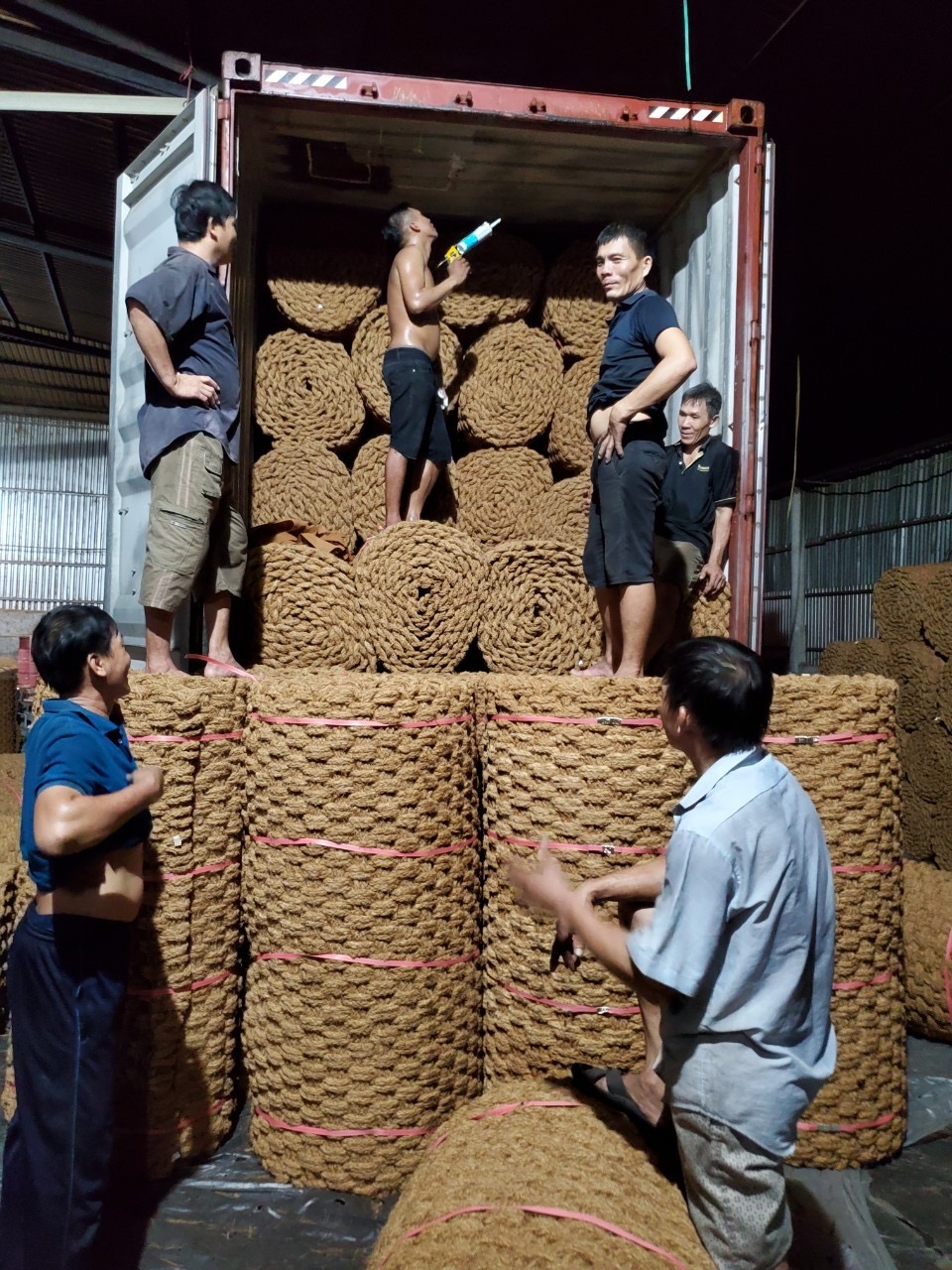
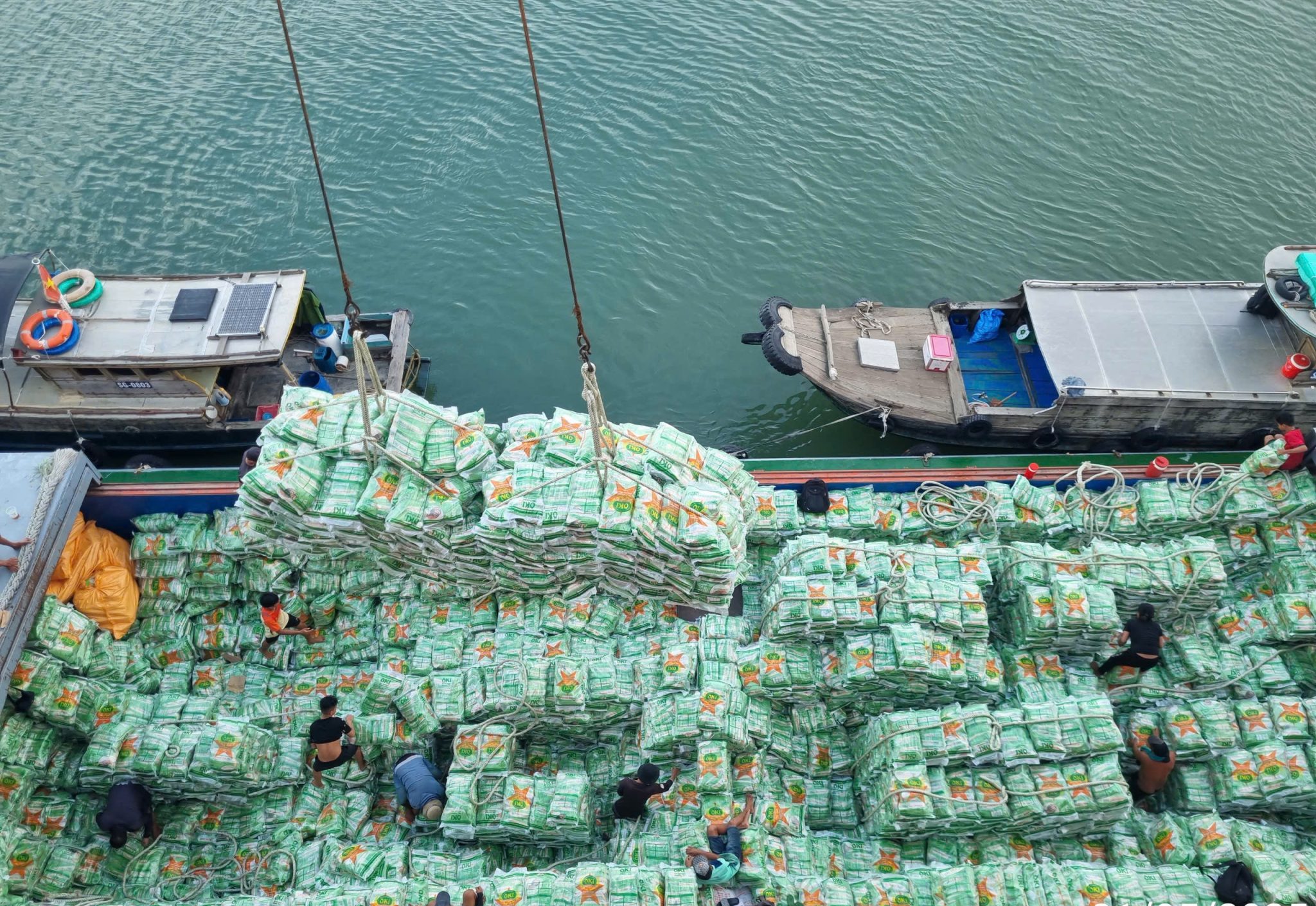
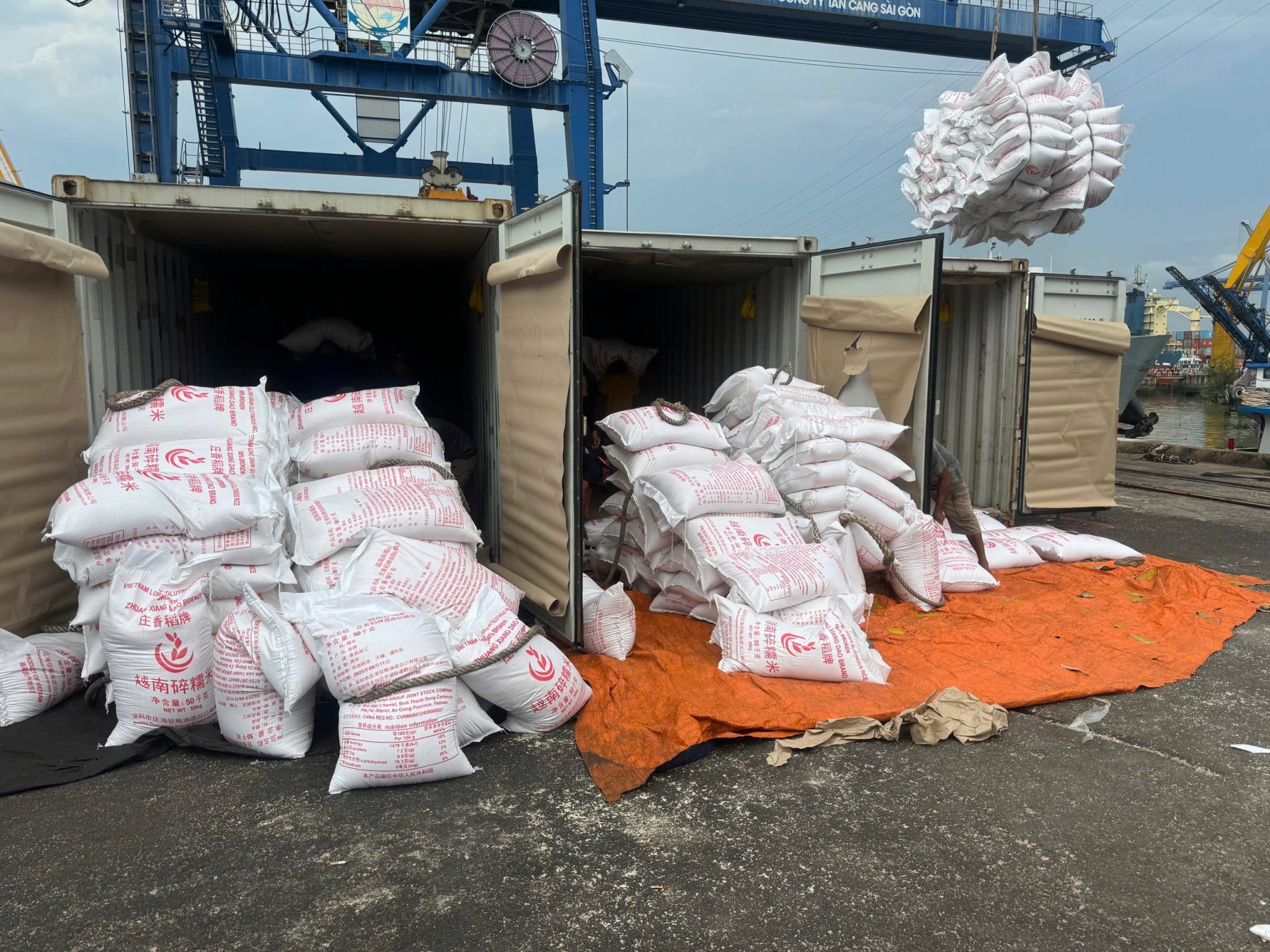
For agricultural products, timber, and materials of plant origin, phytosanitary inspection affects logistics schedules and costs. A phytosanitary certificate confirms that a shipment has been inspected in accordance with applicable requirements. Businesses need to identify the correct regulated goods and destination market before transportation.
1. What Is a Phytosanitary Certificate and Which Goods Does It Apply To?
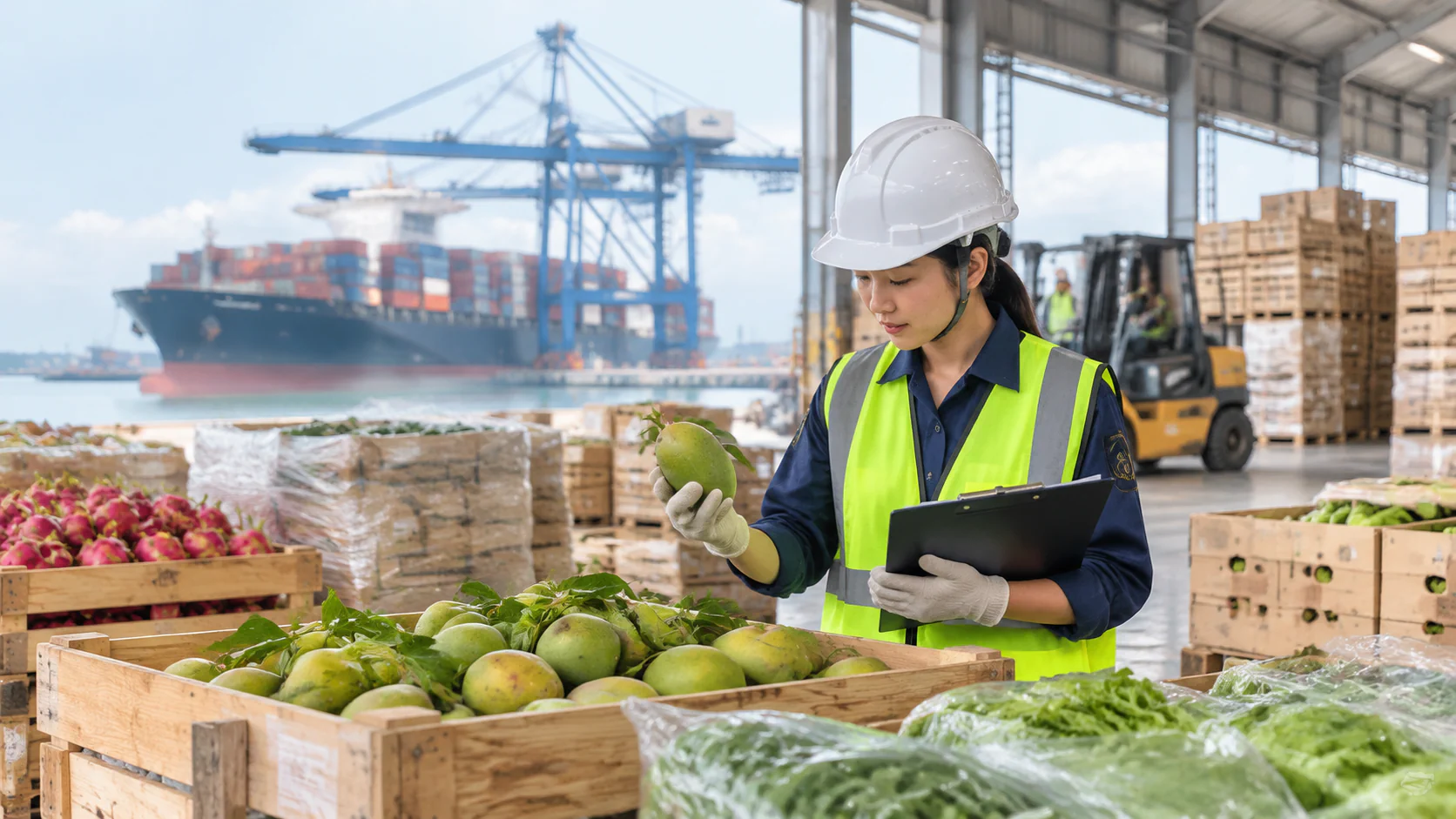
1.1. Distinguishing Phytosanitary and Animal Quarantine Certificates
A Phytosanitary Certificate is a document issued by a competent plant protection and quarantine authority, confirming that a shipment of plants or plant products has been inspected in accordance with relevant requirements. This document is used for export, import, or re-export in accordance with applicable regulations.
Exported goods are certified by the exporting country's authority according to the requirements of the destination country. For goods entering Vietnam, the certificate is generally issued by the exporting country, while Vietnamese authorities conduct inspections and process the results. Re-exported goods may require a separate certificate.
Phytosanitary inspection applies to plants, plant parts, and articles that may carry harmful organisms. Animals and animal products are subject to veterinary quarantine. This certificate does not replace the Invoice, Packing List, bill of lading, C/O, import permit, or food safety documents.
1.2. List of Goods Commonly Subject to Phytosanitary Inspection
Goods requiring review include plants, seeds, seedlings, vegetables and fruits, grain-based agricultural products, timber, and wooden packaging. Classification cannot be determined solely by commercial product names; processing status and intended use also affect the applicable requirements.
Check the product name, scientific name, plant part, degree of processing, intended use, and import market. Circular No. 14/2026/TT-BNNPTNT stipulates the list of regulated articles subject to phytosanitary inspection and groups requiring pest risk analysis. HS codes and guidance from the Department of Crop Production and Plant Protection.
Some goods must also undergo food safety inspections, fumigation, or heat treatment. Wooden packaging must meet applicable treatment requirements and bear the ISPM 15 mark where required. The relevant legal framework includes the Law on Plant Protection and Quarantine, Consolidated Document No. 69/VBHN-VPQH of 2026, Decree No. 116/2014/ND-CP, Circular No. 07/2026/TT-BNNMT, and regulations issued by the Ministry of Agriculture and Environment.
2. Online Phytosanitary Registration: Required Documents and Procedures

2.1. Documents to Prepare Before Registration
Required documents depend on whether the shipment involves export, import, or re-export, as well as the type of goods and the receiving authority's requirements. Information includes the application form, cargo owner details, product name, scientific name if applicable, quantity, weight, origin, exporting/importing country, and inspection location.
Prepare the contract, Invoice, Packing List, bill of lading, and import phytosanitary permit if one is required. Imported goods must have a certificate issued by the exporting country's authority and previous treatment records if requested.
For exported goods, verify requirements concerning scientific names, growing areas, packing facilities, and treatment measures. Some markets only accept goods from registered facilities. Before submission, cross-check product names, package counts, weight, and origin across the application, Invoice, Packing List, bill of lading, and customs declaration data.
2.2. Steps for Online Registration and Receiving Results
- Step 1 – Identify the Receiving Authority: Select the competent authority based on the type of goods, geographical area, border gate, and export or import direction. Check the procedures currently in effect.
- Step 2 – Access the System: Log in to the National Public Service Portal or the designated electronic system, select the correct administrative procedure, and enter the shipment information.
- Step 3 – Dossier Submission: Upload the required documents and review the information concerning the goods, origin, weight, means of transport, and inspection location. Submit the application and save the receipt code.
- Step 4 – Track Application Processing: Check the application status, receive requests for additional information or corrections, and complete the documents according to the instructions.
- Step 5 – Shipment Inspection: Coordinate physical inspections, sampling, or phytosanitary treatment at an approved location if requested by the relevant authority.
- Step 6 – Receive the Results: Receive the certificate once the shipment meets the requirements. Check the product name, scientific name, weight, package count, country of origin, and information about the parties involved.
Online registration facilitates document submission and progress tracking, but it does not mean that the entire procedure is conducted online. Physical inspections, sampling, laboratory testing, cargo treatment, or collection of the original certificate may still require direct coordination according to the receiving authority's requirements.
3. Coordinating Phytosanitary Inspection with Customs Clearance, Transportation, and Risk Management

3.1. Processing Sequence and Costs to Budget For
For imported goods, check product-specific regulations and permit requirements before the shipment leaves the port of origin. At the same time, obtain the certificate from the supplier for review. Upon arrival, register for phytosanitary inspection, coordinate inspections at the border gate or an approved location, and complete the applicable specialized regulatory requirements in the prescribed order before customs clearance or cargo release.
For exported goods, verify the destination country's standards and requirements for growing areas or packing facilities, then register and arrange the inspection. Once the shipment meets the requirements, the issued certificate is included in the export documentation and sent to the business partner as agreed.
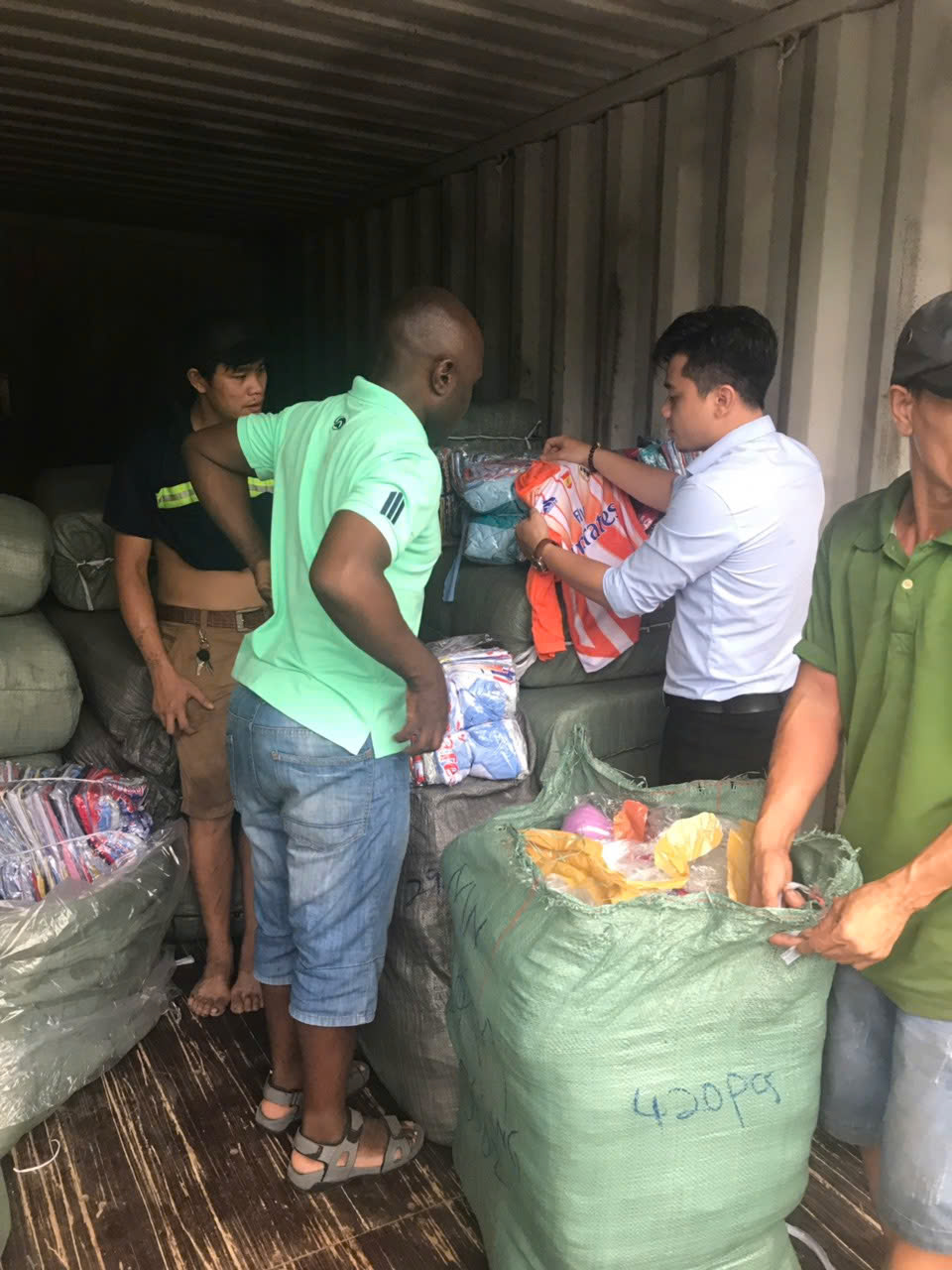
Inspection schedules must align with the booking, port cut-off, flight schedules, and container storage deadlines. Separate phytosanitary inspection, sampling, laboratory testing, and specialized treatment fees from FCL/LCL freight, air freight, documentation fees, customs declarations, and delivery charges. Container shipments should also budget for storage fees and DEM/DET charges if inspections take longer than expected.
3.2. Common Mistakes and Risks to Shipments
Common mistakes include incorrectly identifying goods subject to phytosanitary inspection, missing import permits, certificates from the exporting country that do not meet requirements, incorrect scientific names, or discrepancies in quantities across documents. Businesses may also overlook specific requirements of the importing market, particularly conditions concerning growing areas and packing facilities.
If harmful organisms are detected or the goods fail to meet import requirements, the shipment may be subject to treatment, re-inspection, re-export, or destruction. Businesses should verify requirements in both directions, standardize scientific names, review permits, check wooden packaging for ISPM 15 compliance, and clearly allocate responsibilities and costs in contracts and under Incoterms.
4. Phytosanitary Inspection and Customs Clearance Services with G-LOGS JSC

G-LOGS JSC supports businesses in reviewing product-specific regulations, phytosanitary requirements, and consistency between specialized regulatory documents, commercial documents, and customs declaration data. Identifying missing information or discrepancies early helps businesses make adjustments before the shipment departs.
Depending on cargo characteristics, weight, CBM volume, storage requirements, and delivery schedules, G-LOGS provides consulting on FCL/LCL sea freight or air freight, combined with comprehensive customs clearance procedures and domestic container transportation where appropriate. Shipment schedules are coordinated according to key milestones, including registration, inspection, sampling, treatment, certificate issuance, customs clearance, and delivery.
When requesting a consultation, businesses should provide the product name, scientific name, origin, importing country, quantity, weight, packaging type, port of departure and destination, and expected schedule. Contact G-LOGS JSC for consultation on phytosanitary certificates, FCL/LCL transportation, air freight, and customs declarations.
G-LOGISTICS TRADING AND SERVICES JOINT STOCK COMPANY (G-LOGS JSC)
Address: 4th Floor, Coalimex Building, 29–31 Dinh Bo Linh Street, Binh Thanh Ward, Ho Chi Minh City, Vietnam.
Phone: (84) 28 3511 5354/5455
Email: info@g-logs.com
Website: www.g-logs.com