 EN
 VI
 ZH
To gain a clear understanding of customs import and export goods, businesses need to master the process, from preparing documentation to the actual customs clearance of goods. This process is now primarily carried out through the electronic customs clearance system VNACCS/VCIS.
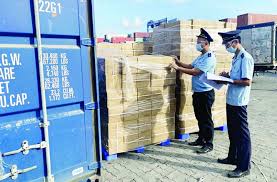
Below are the most detailed and comprehensive steps:
1. Steps for Completing Customs Procedures (Standard Process)
Step 1: Prepare the Goods Documentation
This is the most important step. A complete document set typically includes:
-
Foreign Trade Contract (Sales Contract)
-
Commercial invoice (Commercial Invoice)
-
Votes packaged goods (Packing List)
-
Bill of lading (Bill of Lading): For imported goods.
-
Certificate of origin (C/O): If available, to qualify for tax incentives.
-
Specialized Permits: (If the goods are subject to quality inspections, quarantine, chemical declarations, etc.).
Step 2: Submit the customs declaration (Transmit the declaration)
Businesses use software (such as ECUS/VNACCS) to enter goods information. After submission, the system automatically issues a declaration number and assigns a clearance channel.
Step 3: Check the channel assignment results
The system will return one of the following three channels:
-
Green Channel (1): Exempt from detailed document inspection and physical goods inspection. Businesses only need to pay taxes and collect their goods.
-
Yellow Channel (2): Customs authorities conduct a detailed examination of the documents (paper documents). If the documents are in order, the declaration will be cleared.
-
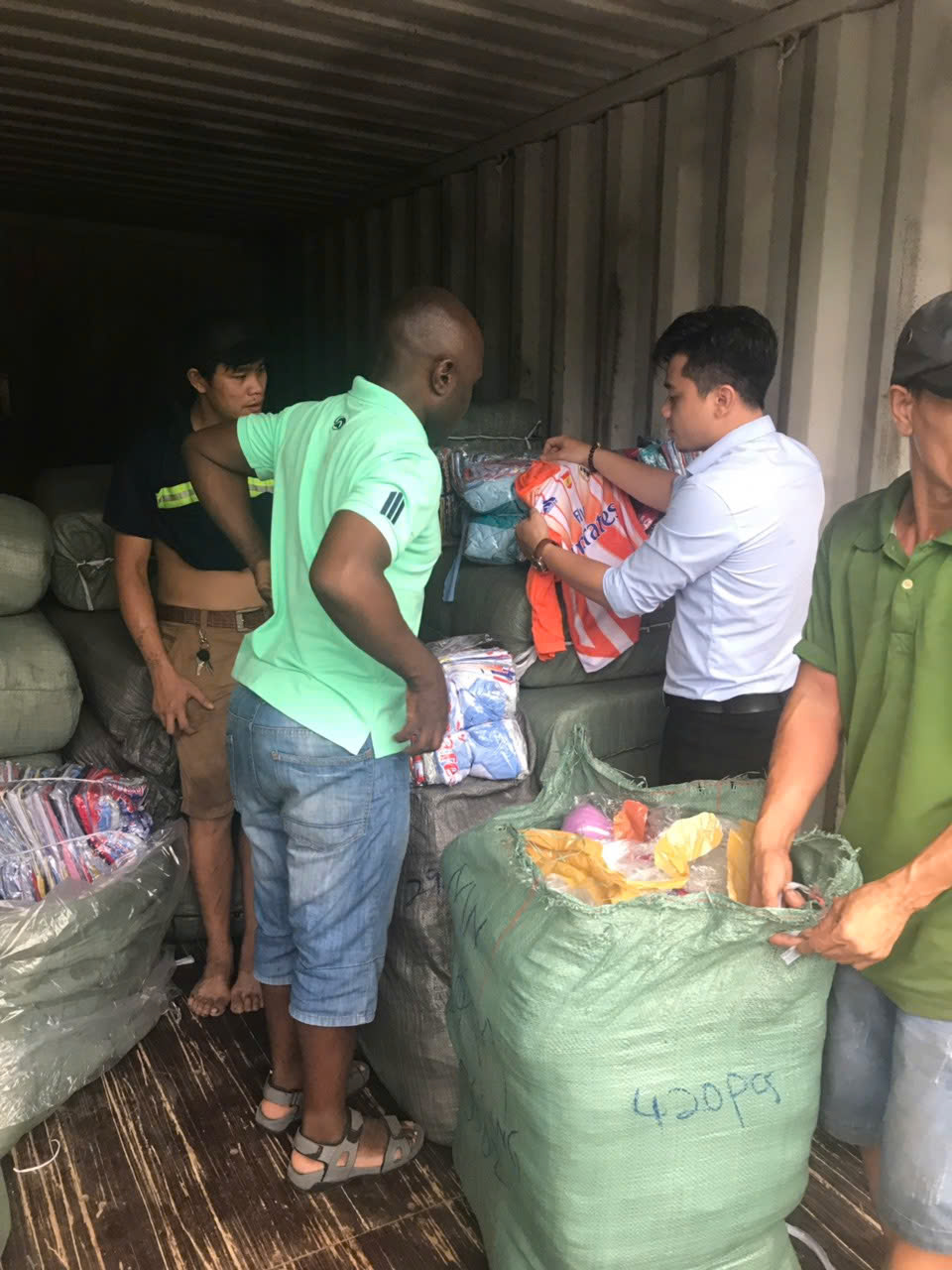
Red Channel (3): Customs authorities conduct a detailed examination of the documents and a physical inspection of the goods (opening packages). This is the highest level of inspection.
Step 4: Pay taxes and complete customs clearance
Businesses pay applicable taxes (Import Tax, VAT, Special Consumption Tax, etc.) through banks connected to the Customs system. Once the tax payment is received by the system, the declaration will officially be Cleared.
2. Common types of taxes in import and export
| Tax Type | Applicable Goods | Purpose |
| Import tax | Goods imported from abroad | Protect domestic production |
| Value Added Tax (VAT) | Goods consumed in Vietnam | Indirect tax as prescribed by regulations |
| Export tax | Applicable only to certain goods (minerals, timber, etc.) | Restrict the export of raw natural resources |
| Environmental Protection Tax | Petroleum, coal, plastic bags, etc. | Protect the environment |
3. Some critical considerations when handling customs procedures
-
HS Code: This is the “common language” of global customs authorities. Incorrect HS code classification may result in fines ranging from 10-20% of the underpaid tax amount or lead to the business being classified as high-risk.
-
Declaration deadline: Businesses must submit their customs declarations within 30 days from the date the goods arrive at the border gate. Exceeding this deadline will result in administrative penalties.
-
Specialized test: Many goods, such as used machinery, food products, and medical equipment, require permits from government ministries (Ministry of Industry and Trade, Ministry of Health, etc.). These permits should be prepared before the goods arrive at the port to avoid storage and warehousing fees.
4. Solutions for new businesses
If your business does not yet have a dedicated import-export department, hiring a Customs Broker is the safest option because:
-
They have their own digital signatures as authorized customs agents and assume legal responsibility on behalf of the business for customs declarations.
-
They have experience handling difficult shipments and Red Channel shipments quickly.
-
They receive updates on the latest circulars and decrees issued by the General Department of Customs.
Which part of the process are you having difficulties with (HS code lookup, obtaining permits, or electronic tax payments)? Let me know so I can provide more specific assistance.
 Contact information G-LOGS:
 Website: https://g-logs.com
 E-mail: info@g-logs.com
 Phone: (84) 28 3511 5354/5455
 Address: Floor 4, Building Coalimex Building, 29 – 31 Dinh bo Linh Street, Binh Thanh district, ho chi minh CITY. Ho Chi Minh