 EN
EN  VI
VI  ZH
ZH In the context of international trade flourished, sea transport accounted for more than 80% of the flow of global goods. With large volume, reasonable cost, many businesses choose sea shipping to import and export. However, shipping rates sea volatility often and directly affect profits.
1. The factors that affect shipping rates sea
-
Fuel price (FOB/Bunker): When oil prices rise, freight rates will also increase accordingly.
-
Market situation: In high season (before the new year, the holiday shopping season), transportation demand rising, causing rates to team up.
-
Size and weight: Heavy or bulky occupy much the container will have a higher cost.
-
Routes and distances: The online far less mining ship will cost more than online downloads.
-
Expenses incurred at the port: Includes free loading and unloading charges, storage container, free vouchers.
2. How businesses optimize the shipping cost

-
Plan long-term transportation: Early bookings with carriers to have price stability.
-
Select transport routes match: Not online, and the shortest was the cheapest, sometimes the shipping cost lower.
-
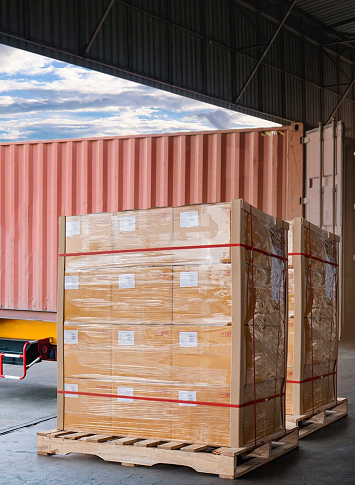
Optimal packing: Sort goods in reasonable help to reduce occupies in the container.
-
Cooperation with forwarder company credits: These units often have long-term contracts with carriers, to negotiate a good price.
3. Conclusion
Understanding the impact factor and the appropriate strategy to help businesses manage good shipping rates sea. This is the key to optimal costs, ensure the competitive in the global market.