 EN
 VI
 ZH
In logistics, no mode of transportation is the “best” choice for every situation. Each option serves different objectives. So, when should you choose sea freight carriage of goods by sea instead of road or air transport? The answer lies in cost, time, and the characteristics of the goods.
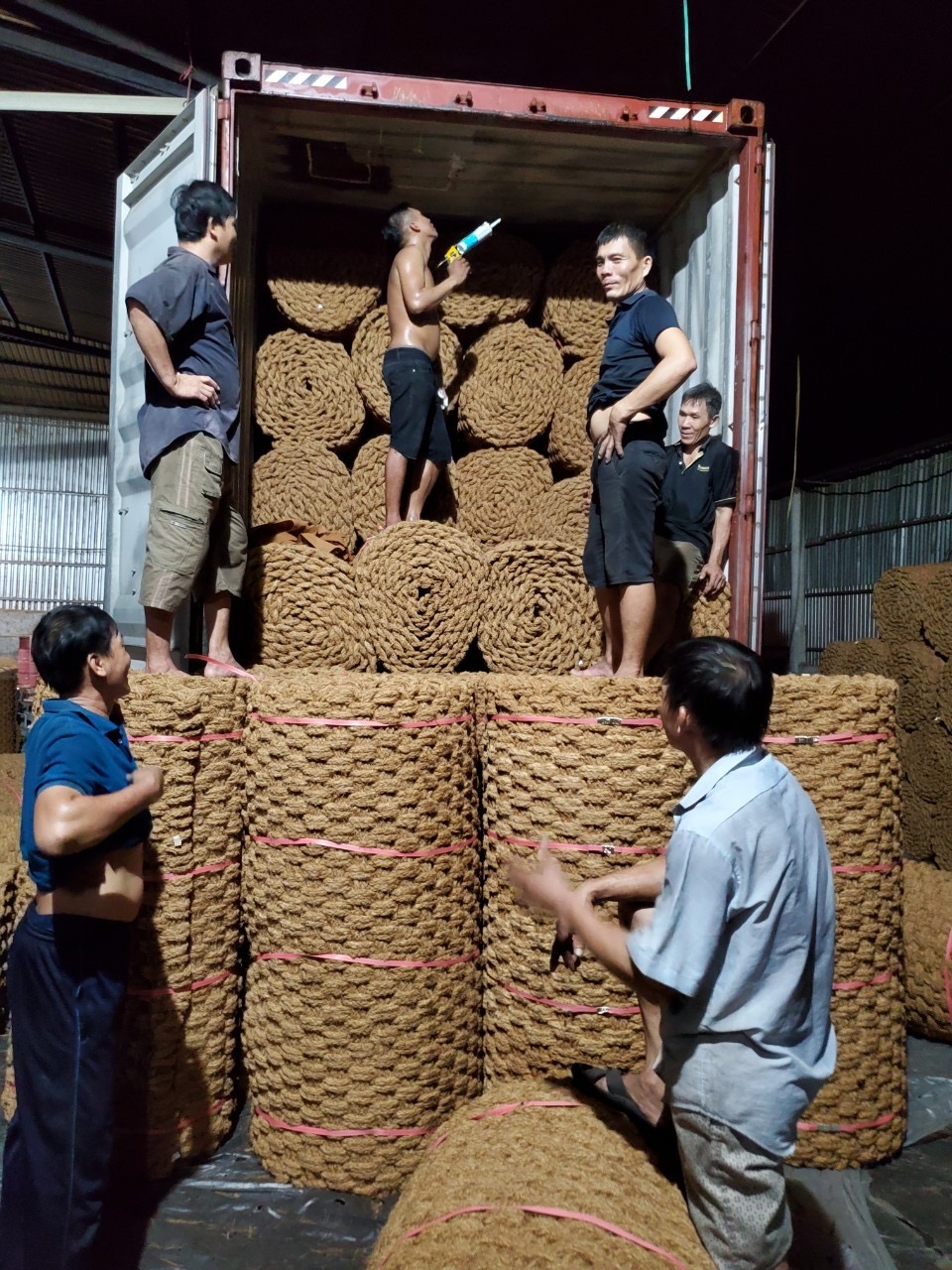
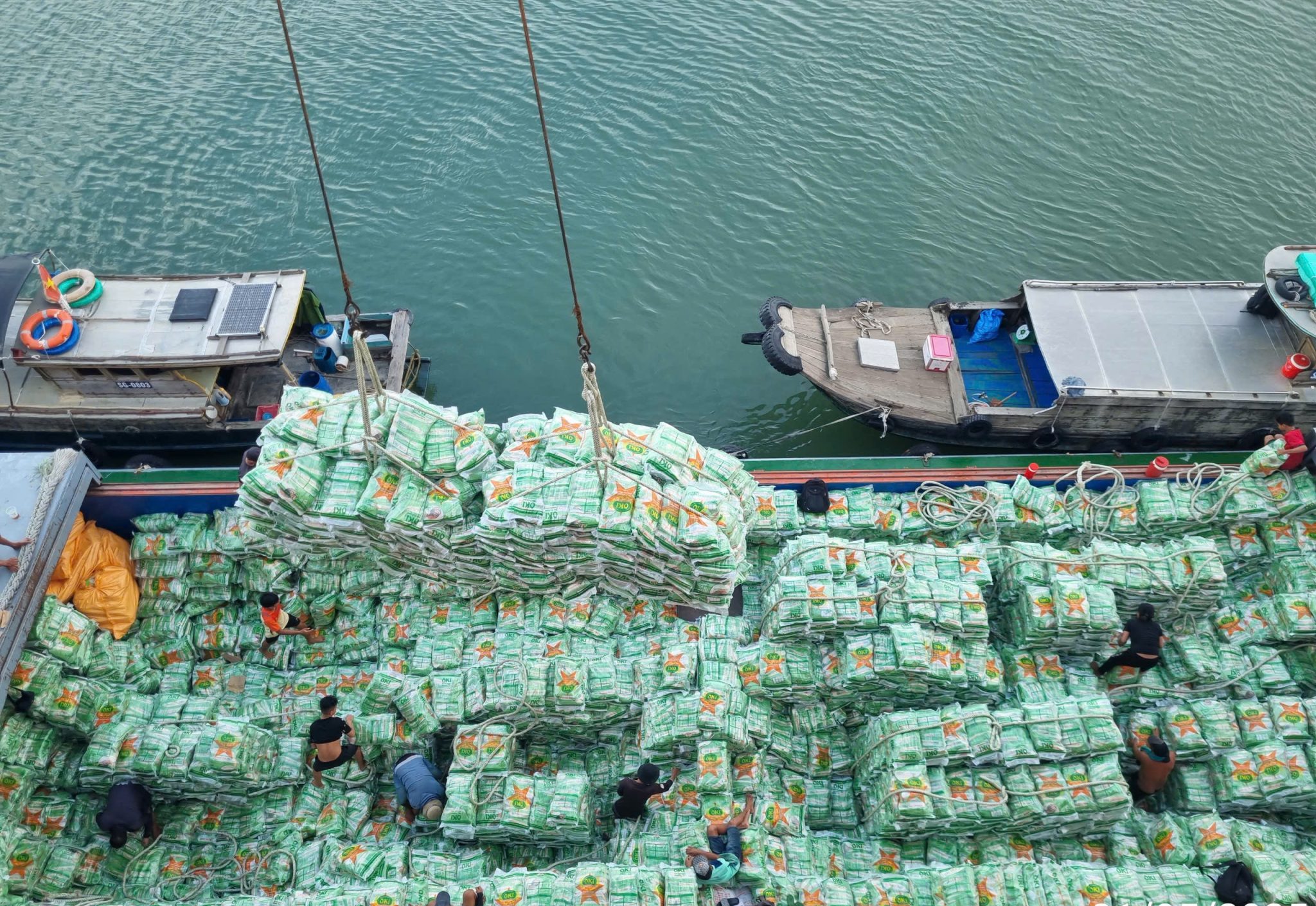
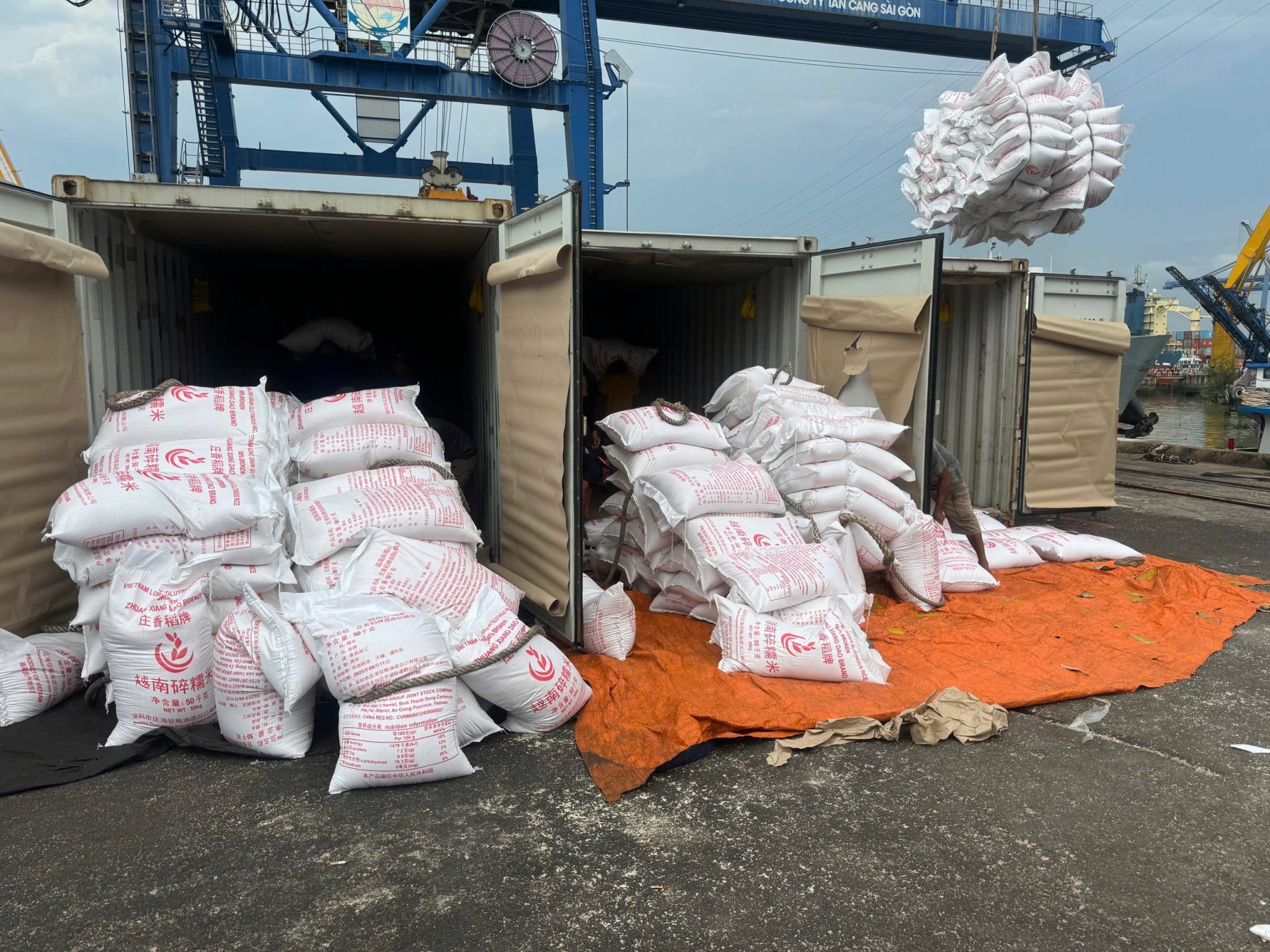
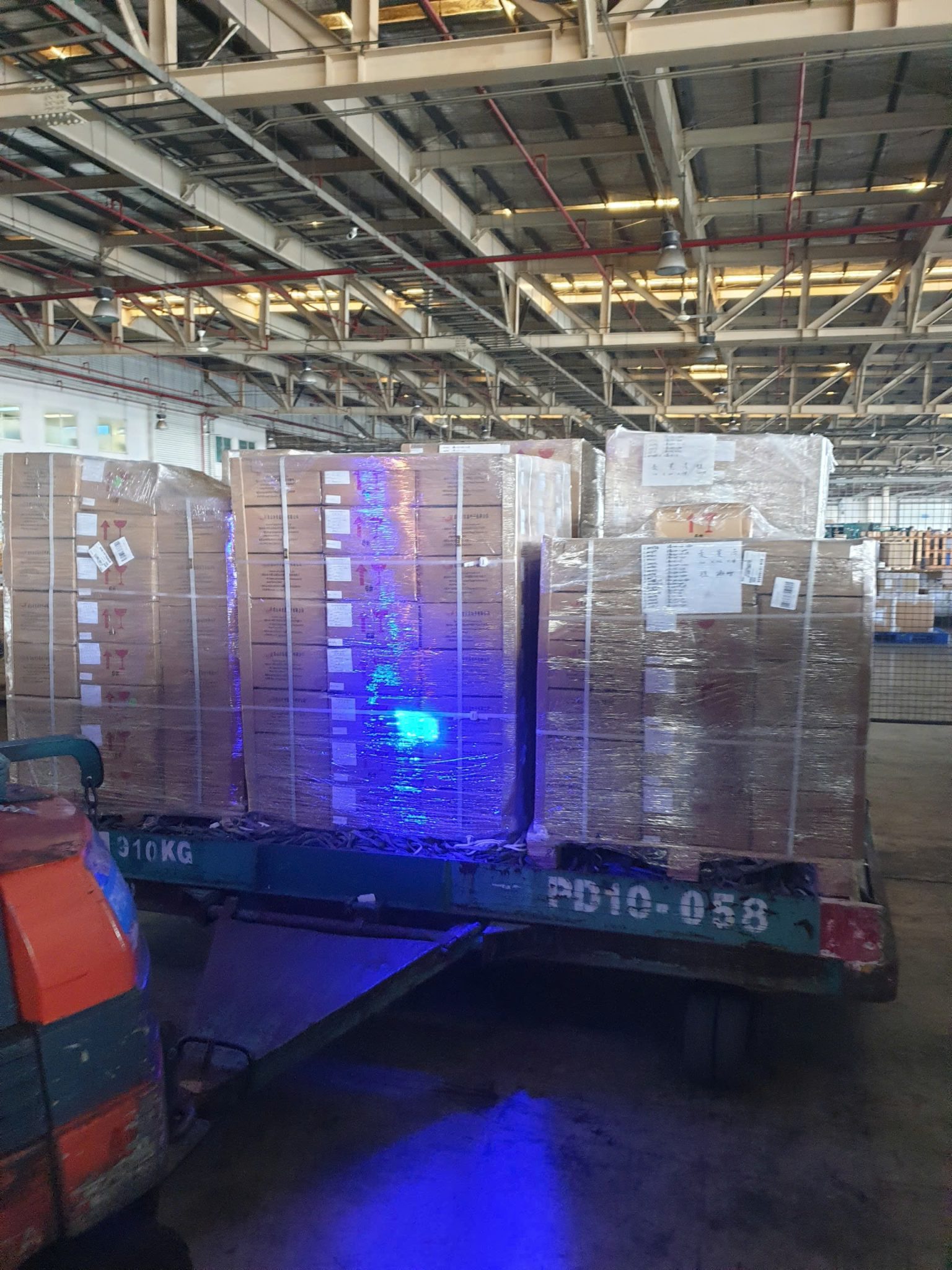
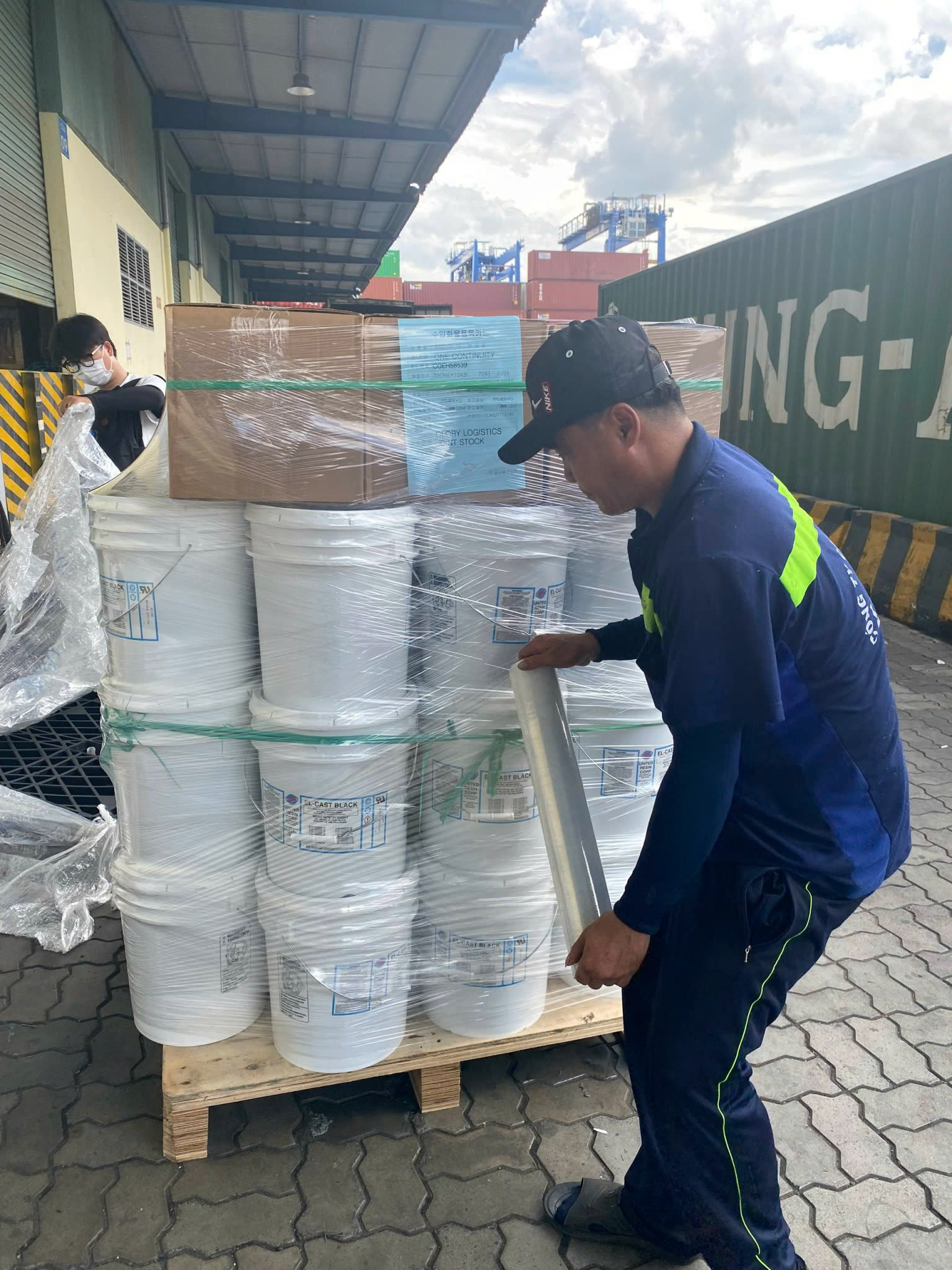
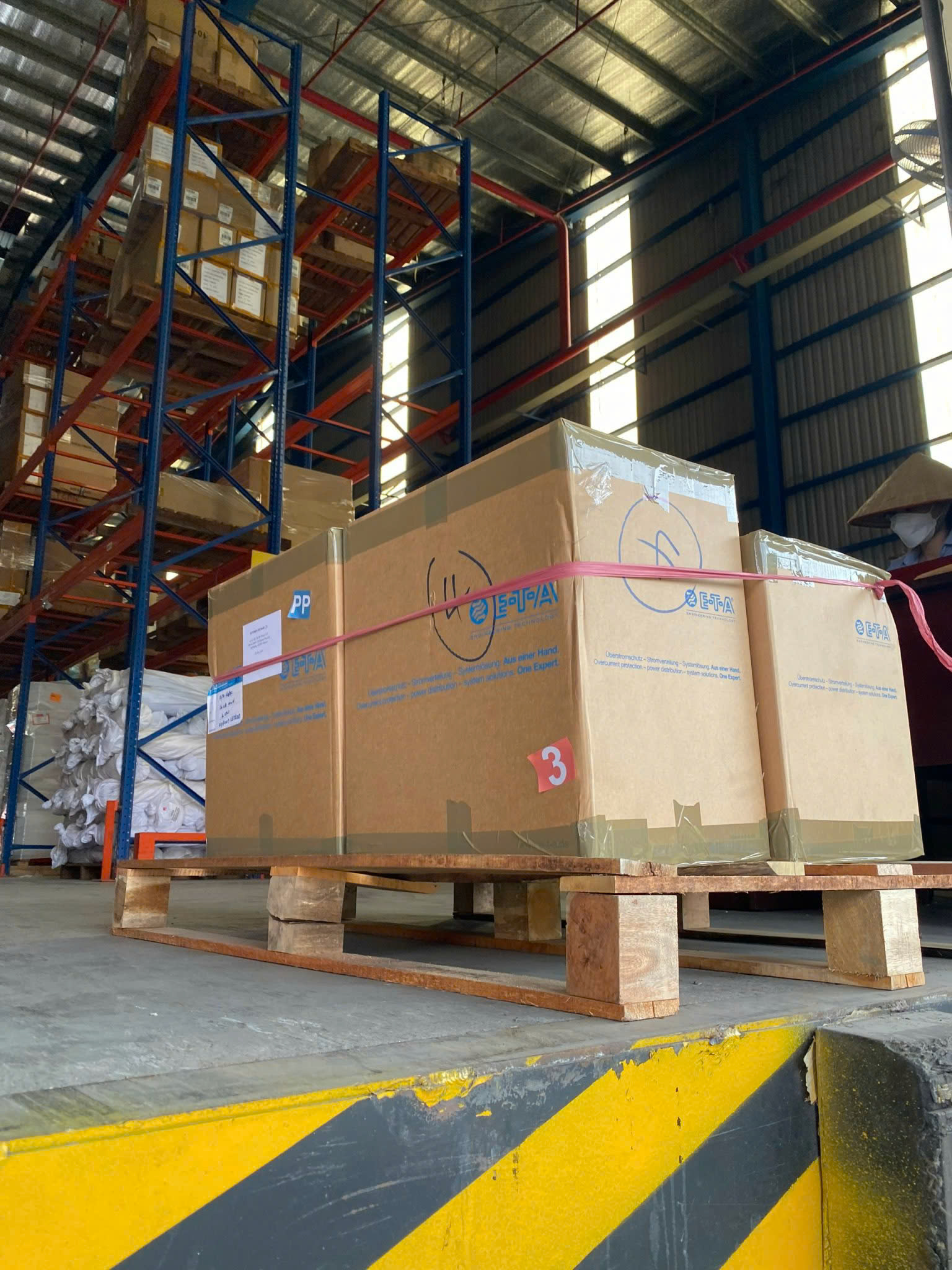
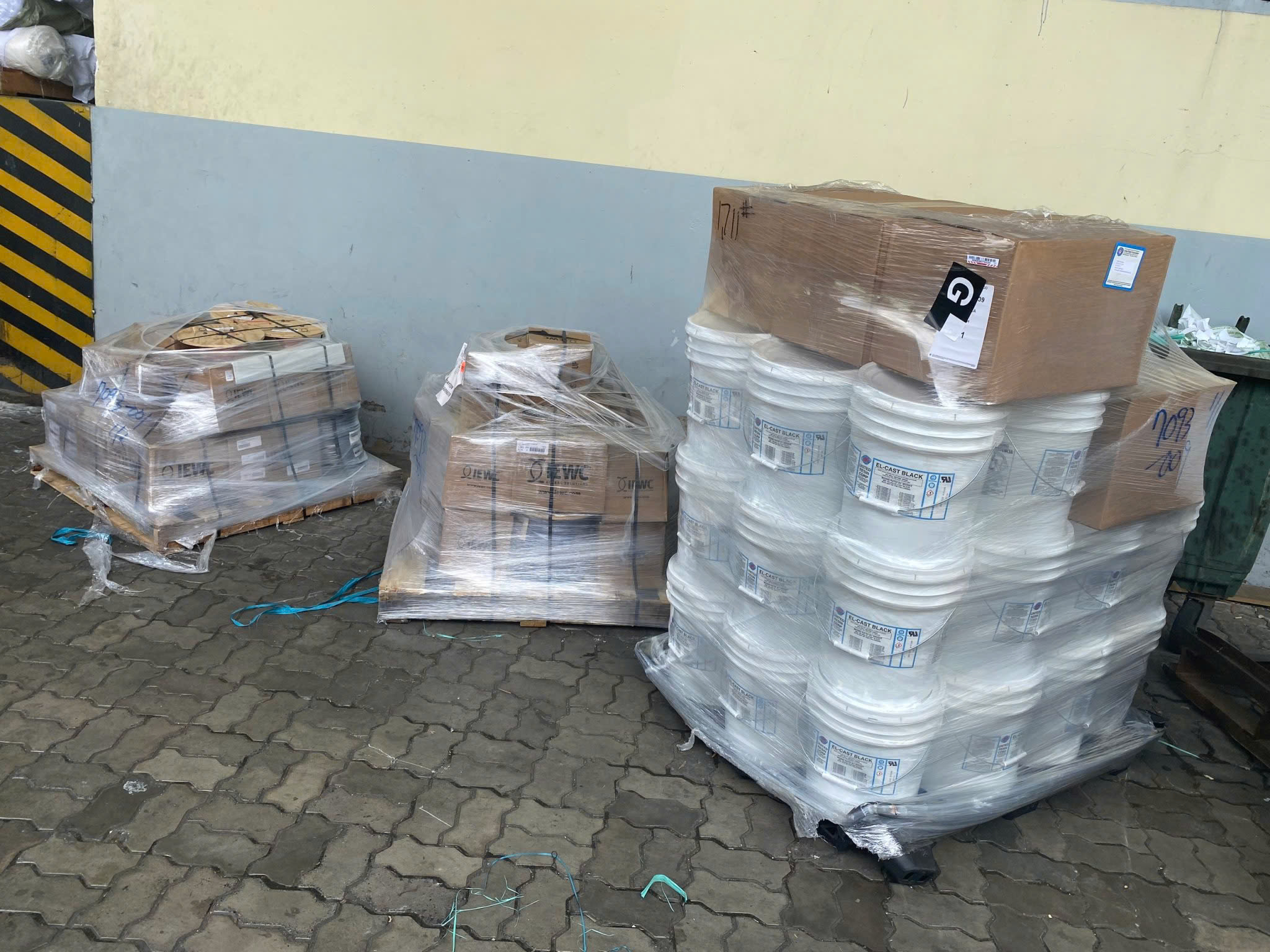
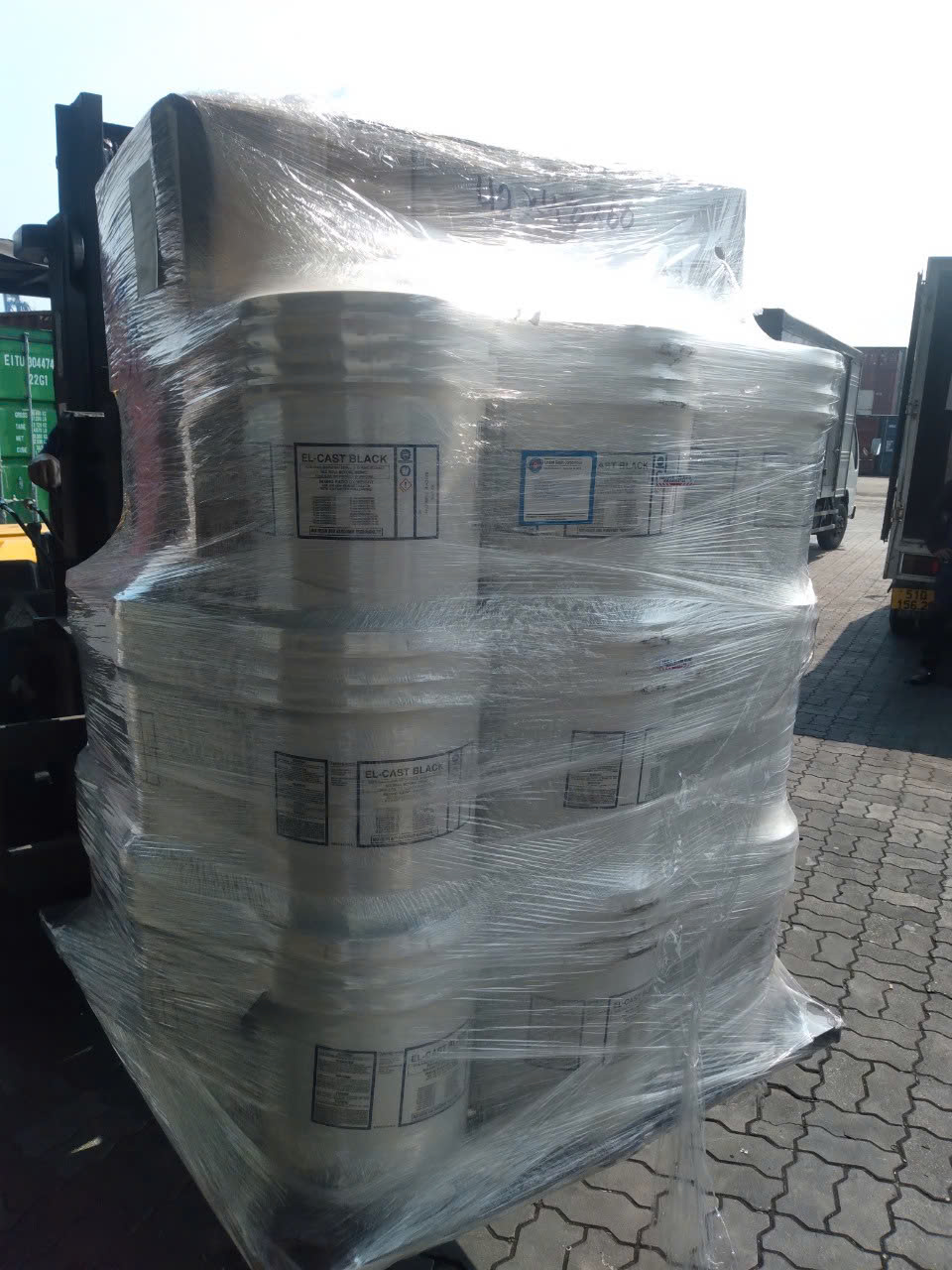
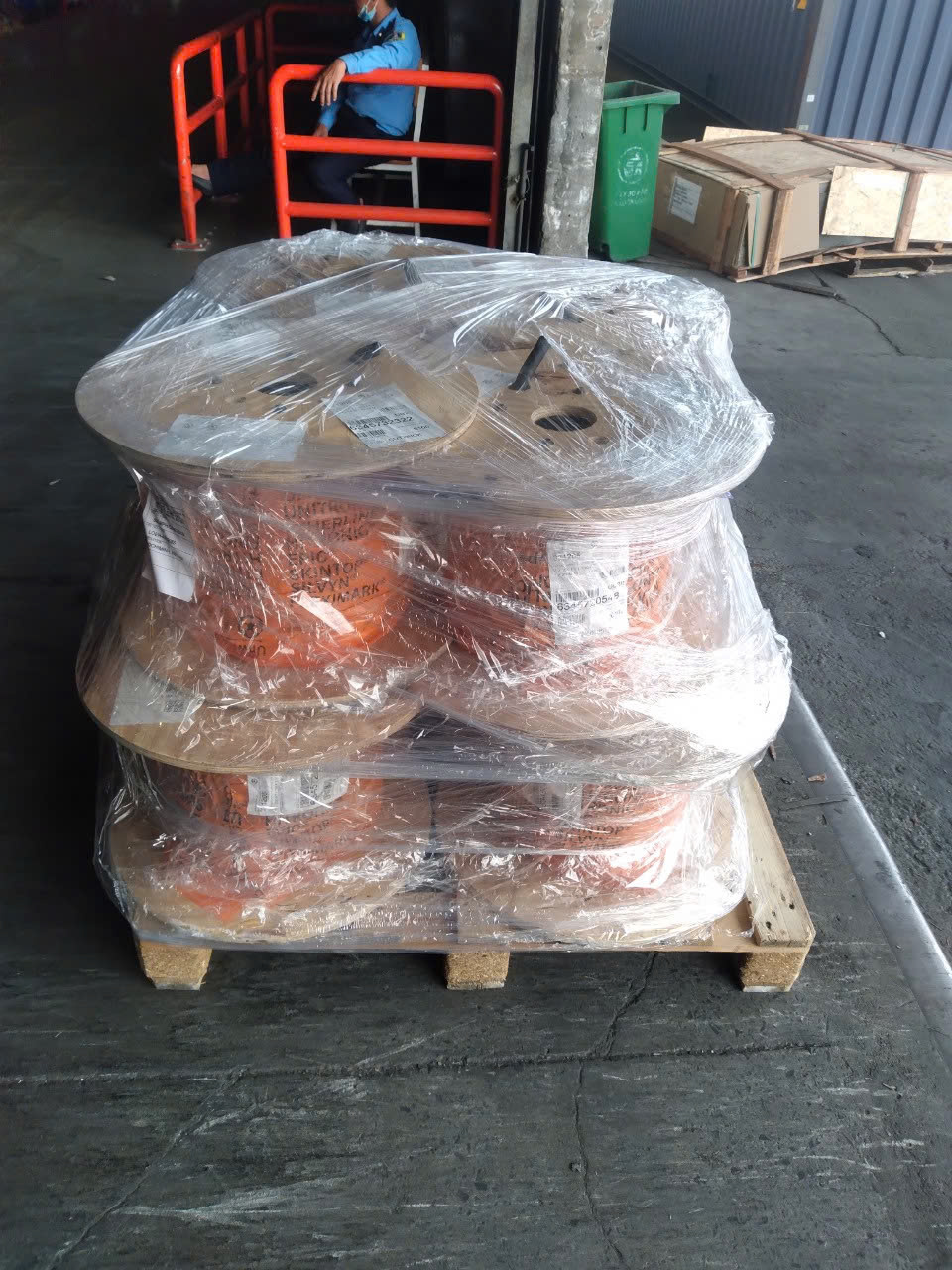
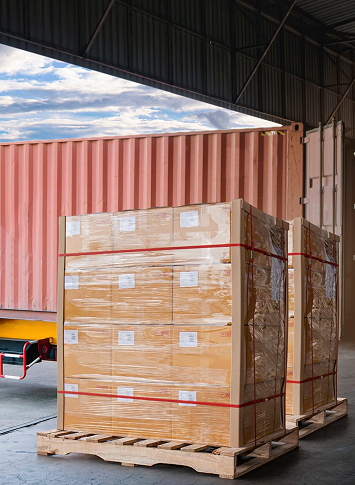
When transporting large volumes of goods
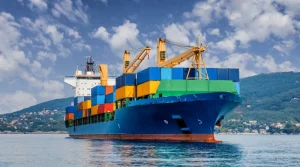
This is the most common situation in which to choose carriage of goods by sea:
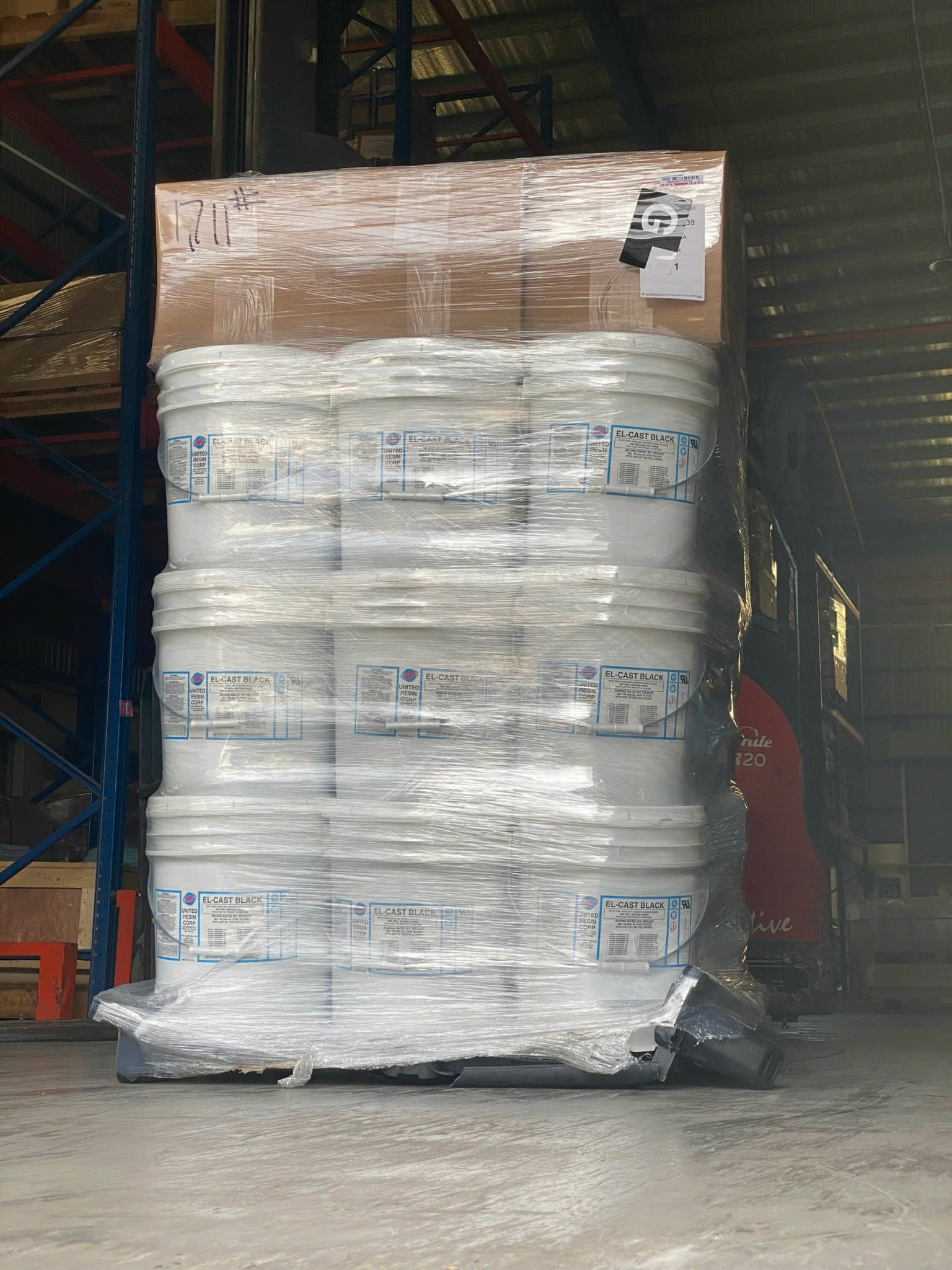
- Large-volume shipments packed in containers
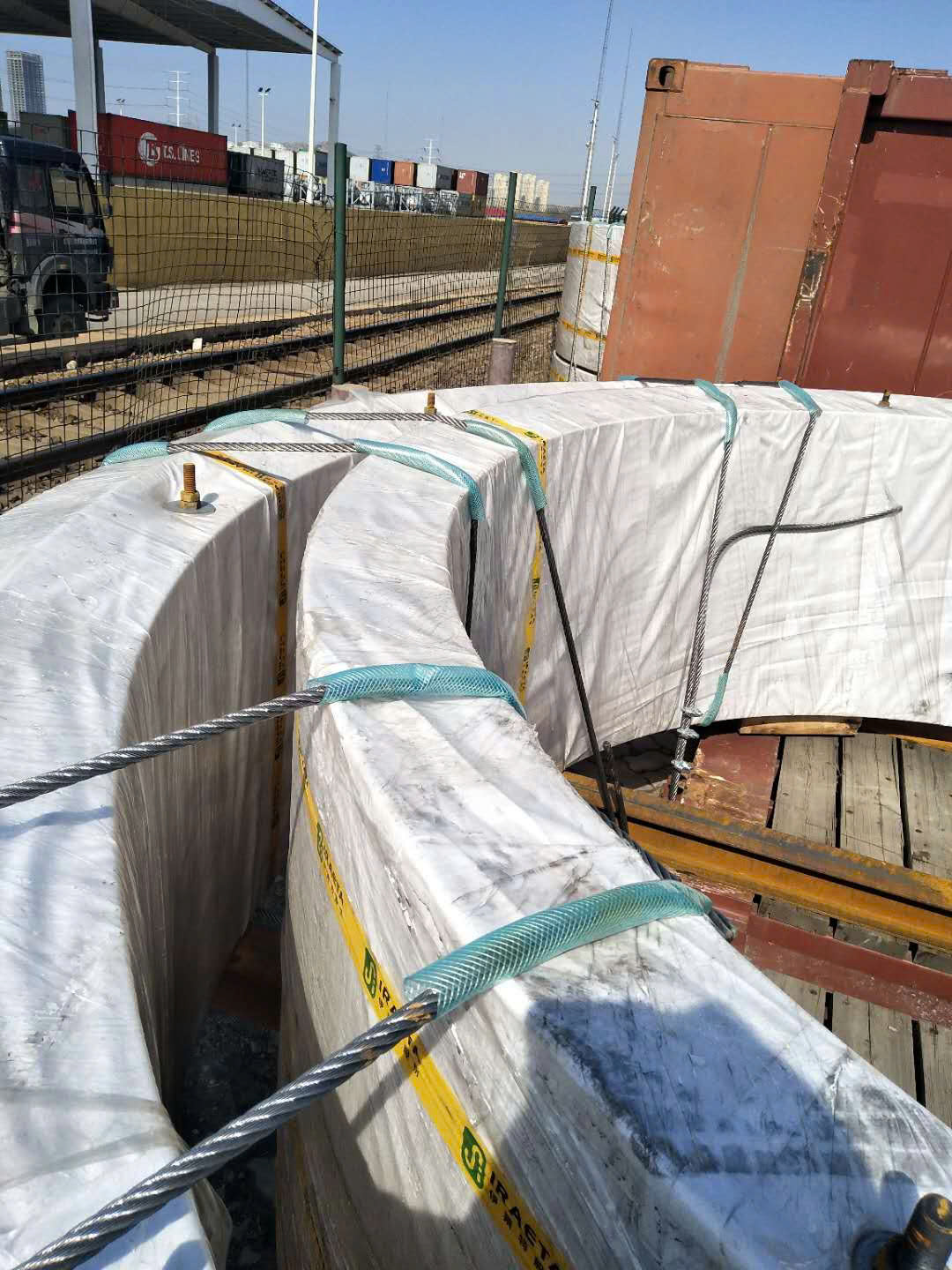
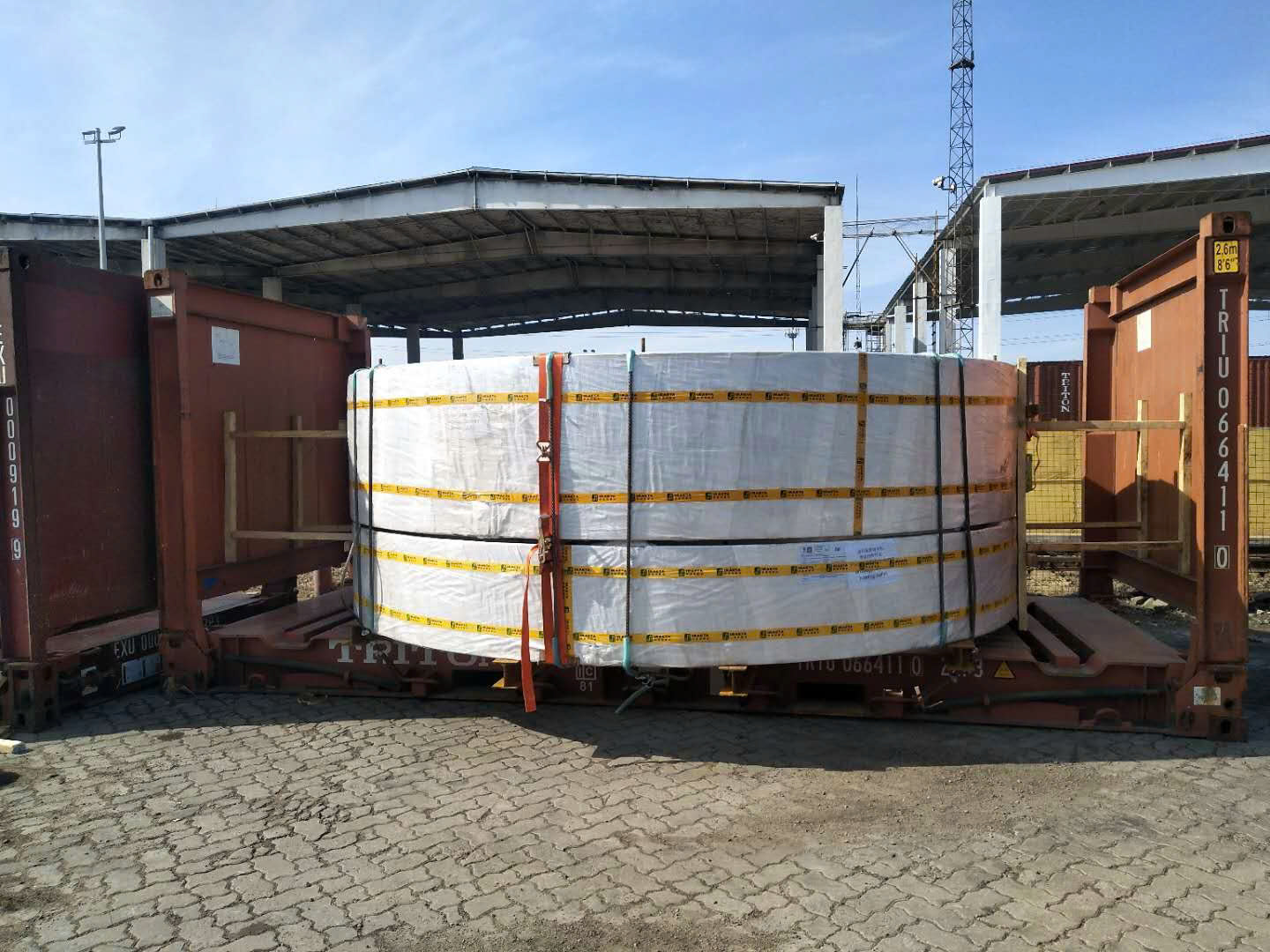
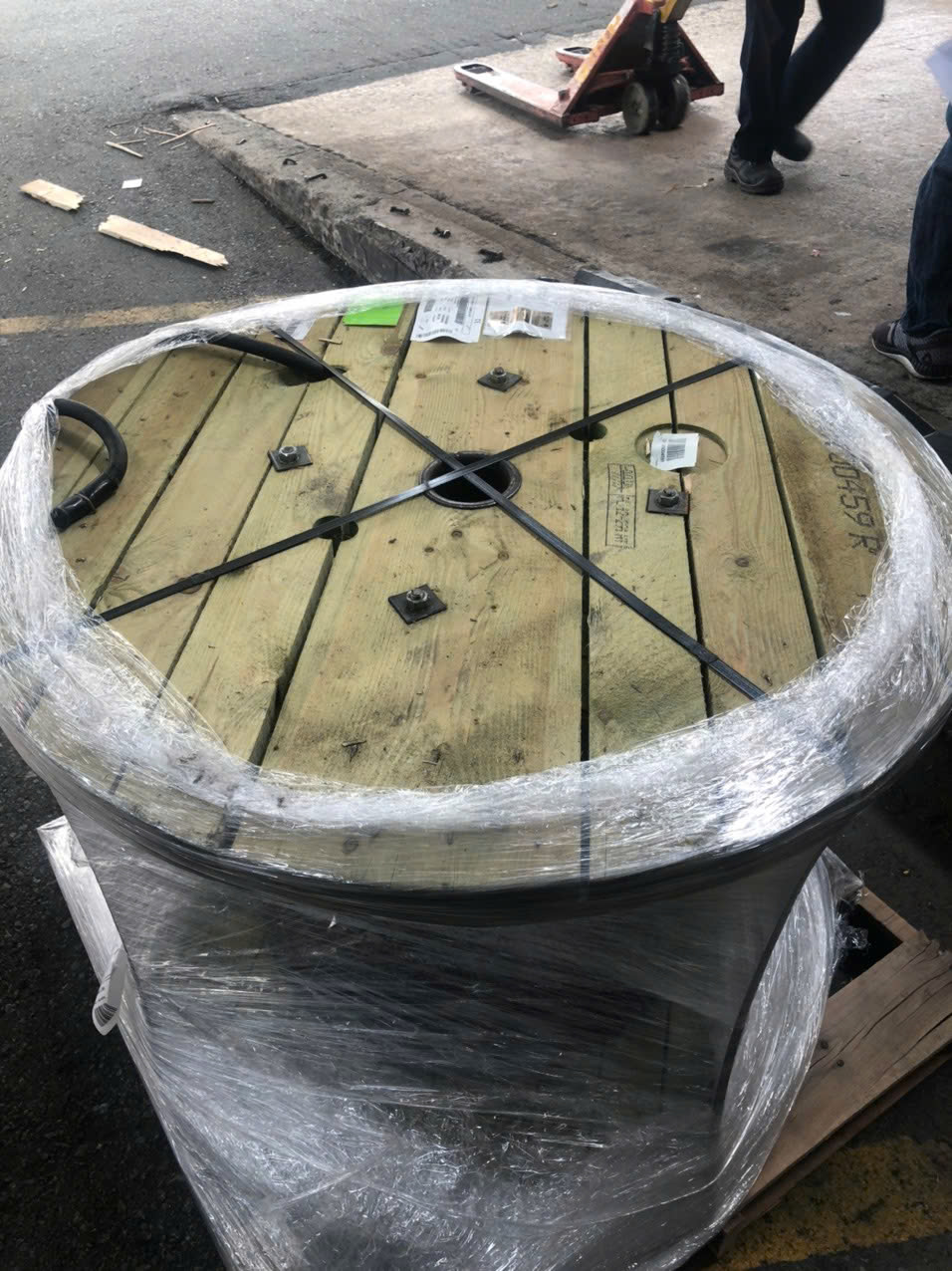
- Heavy, bulky
- Full Container Load (FCL) shipments
👉 Sea freight significantly reduces the cost per unit of cargo.
When urgent delivery is not required
If the business is not under time pressure:
- A transit time of 2–6 weeks is acceptable
- Import and export schedules can be planned in advance
👉 This is when sea freight offers its greatest cost advantage.
When optimizing logistics costs

Compared with air freight:
- Sea freight costs are significantly lower
- Suitable for long-term cost-saving strategies
👉 Carriage of goods by sea is the optimal choice when businesses prioritize cost.
When goods are not particularly sensitive
Some types of goods are suitable for sea freight:
- Raw materials and machinery
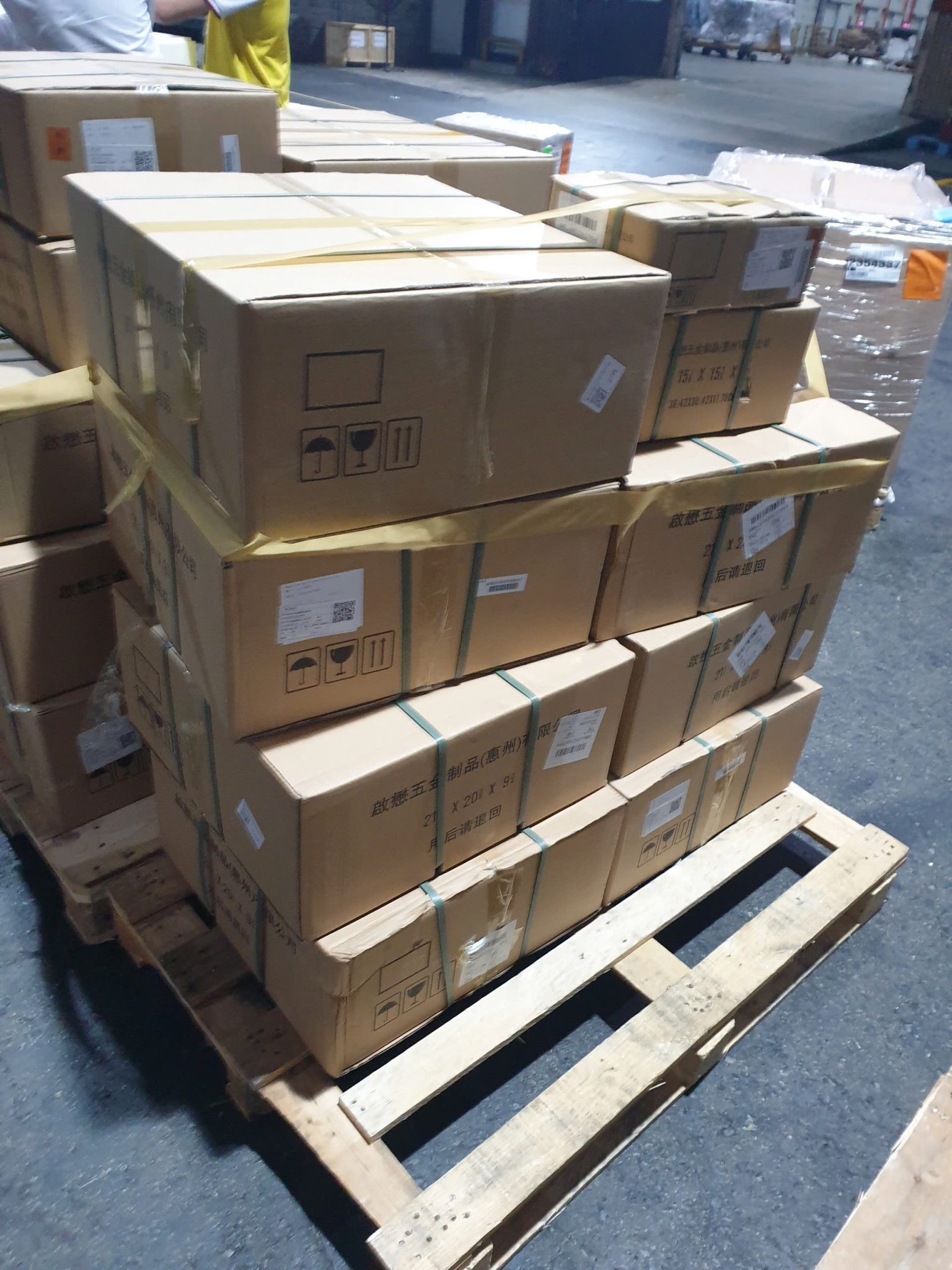
- Large quantities of consumer goods
- Non-perishable goods
👉 Not suitable for goods requiring special storage conditions or urgent delivery.
For long-distance international transportation
For routes such as:
- Vietnam – United States
- Vietnam – Europe
- Vietnam – Middle East
👉 Carriage of goods by sea is the most common and cost-effective option.
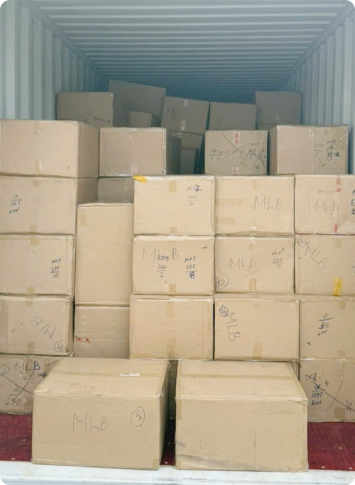
When cargo can be consolidated (LCL)
If there is not enough cargo to book a full container:
- Cargo can be consolidated (LCL)
- Still more cost-effective than air freight
When businesses have long-term plans
Sea freight is suitable for:
- Businesses with stable import and export schedules
- The ability to forecast cargo demand
- Proactive inventory management
👉 Helps optimize costs and ensure sustainable operations.
When should you NOT choose sea freight?
To avoid mistakes, you should not choose carriage of goods by sea when:
- Goods need to fold
- High-value goods requiring maximum security
- Perishable goods (fresh food, pharmaceuticals)
- Small shipments that require fast delivery
👉 In these cases, air freight is more suitable.
Quick comparison of 3 shipping methods
| Criteria | Sea | Road | Air |
|---|---|---|---|
| Cost | Low | Average | High |
| Duration | Slow | Average | Fast |
| Volume | Very big | Medium | Restrictions |
| Fit | Large shipments, not urgent | Domestic/regional | Urgent, high-value goods |
The role of unit logistics
A professional provider like G-LOGS will help you:
- Analyze shipping needs
- Recommend the appropriate shipping method
- Optimum cost and time
- Flexible combination of multiple transportation methods
Conclusion
Carriage of goods by sea is the optimal choice when businesses need to save costs, transport large volumes of goods, and are not under time pressure.
👉 Understanding the right time to choose will help you optimize logistics efficiency and enhance your competitive advantage.
 Contact information G-LOGS
 Website: https://g-logs.com
 E-mail: info@g-logs.com
 Phone: (84) 28 3511 5354 / 5455
 Address: Floor 4, Building Coalimex Building, 29 – 31 Dinh bo Linh Street, Binh Thanh district, ho chi minh CITY. Ho Chi Minh