 EN
 VI
 ZH
What legal requirements and documents must businesses prepare to export rice to Africa? In addition to the commonly known rice export license, exporters must also check commodity policies, import standards, and sea freight arrangements. Identifying the correct requirements from the outset helps minimize customs clearance delays, additional costs, and trade disputes.
1. Rice Export License: Legal Requirements and Commodity Management

1.1. Business Requirements and Certificate Application Documents
From a legal perspective, the document to be identified is the Certificate of Eligibility for Rice Export Business issued by the Ministry of Industry and Trade , rather than a separate license for each shipment. Effective October 1, 2026, Decree 365/2026/ND-CP replaces Decree 107/2018/ND-CP and Decree 01/2026/ND-CP, regulating business conditions and certificate issuance procedures.
Under current regulations, ordinary rice export traders must have at least one specialized warehouse for storing paddy and rice, and one milling facility that meets food safety regulations, standards, and technical requirements. Storage capacity of 5,000 tons of paddy and processing capacity of 10 tons per hour are not general mandatory thresholds under Decree 365/2026/ND-CP.
Businesses may own or lease facilities under legally valid contracts with terms appropriate to the validity period of the certificate. The application includes an application form using the prescribed template and documents proving ownership, usage rights, or lease arrangements for the facilities. Business registration information is retrieved by the regulatory authority and does not need to be submitted as a copy in a new certificate application.
Ministry of Industry and Trade The application is received and reviewed for certificate issuance within 10 working days from the date all valid documents are received. The certificate is valid for 5 years, and the facilities may be subject to post-issuance inspections. Traders exclusively exporting organic rice, parboiled rice, or micronutrient-fortified rice are exempt from the certificate within the scope stipulated in Decree 365/2026/ND-CP.
1.2. HS Codes and Requirements for Exporting Rice to Africa
Rice falls under HS heading 1006, but the specific subheading depends on the variety and degree of processing. Brown rice, white rice, fragrant rice, glutinous rice, and broken rice do not automatically use the same code. Parboiled rice must also be classified according to its actual characteristics. Businesses must determine the applicable code based on the current tariff schedule and check export policies before making customs declarations.
Import requirements in Nigeria, Ghana, Senegal, Côte d'Ivoire, Egypt, and South Africa may differ regarding import permits, quarantine, quality standards, and labeling. Sellers should request confirmation from their partners regarding the requirements of the importing authorities, especially for food products and pre-shipment inspection programs.
It is important to distinguish between the Certificate of Eligibility for Rice Export Business, phytosanitary certificates, quality certificates, Certificate of Analysis (COA), and Certificate of Origin (C/O). Each document serves a specific purpose; the obligation to provide them depends on Vietnamese regulations, the importing market, or the contract. Businesses should not assume that every shipment requires all these documents.
2. Rice Export Procedures to Africa and Customs Documentation

2.1. Shipping Documents and Shipment Quality Control
A typical set of commercial documents includes the Sales Contract, Commercial Invoice, Packing List, Shipping Instruction, and Bill of Lading. Insurance documents are prepared according to the delivery terms or agreement. Origin, quarantine, and quality inspection documents must be reviewed based on the requirements applicable to each shipment.
The contract should clearly specify the percentage of broken grains, moisture content, foreign matter, yellow grains, chalky grains, damaged grains, crop season, and rice variety. Both parties should agree on sampling methods, inspection agencies, and quality tolerances. These are important grounds for handling buyer claims regarding non-conforming goods.
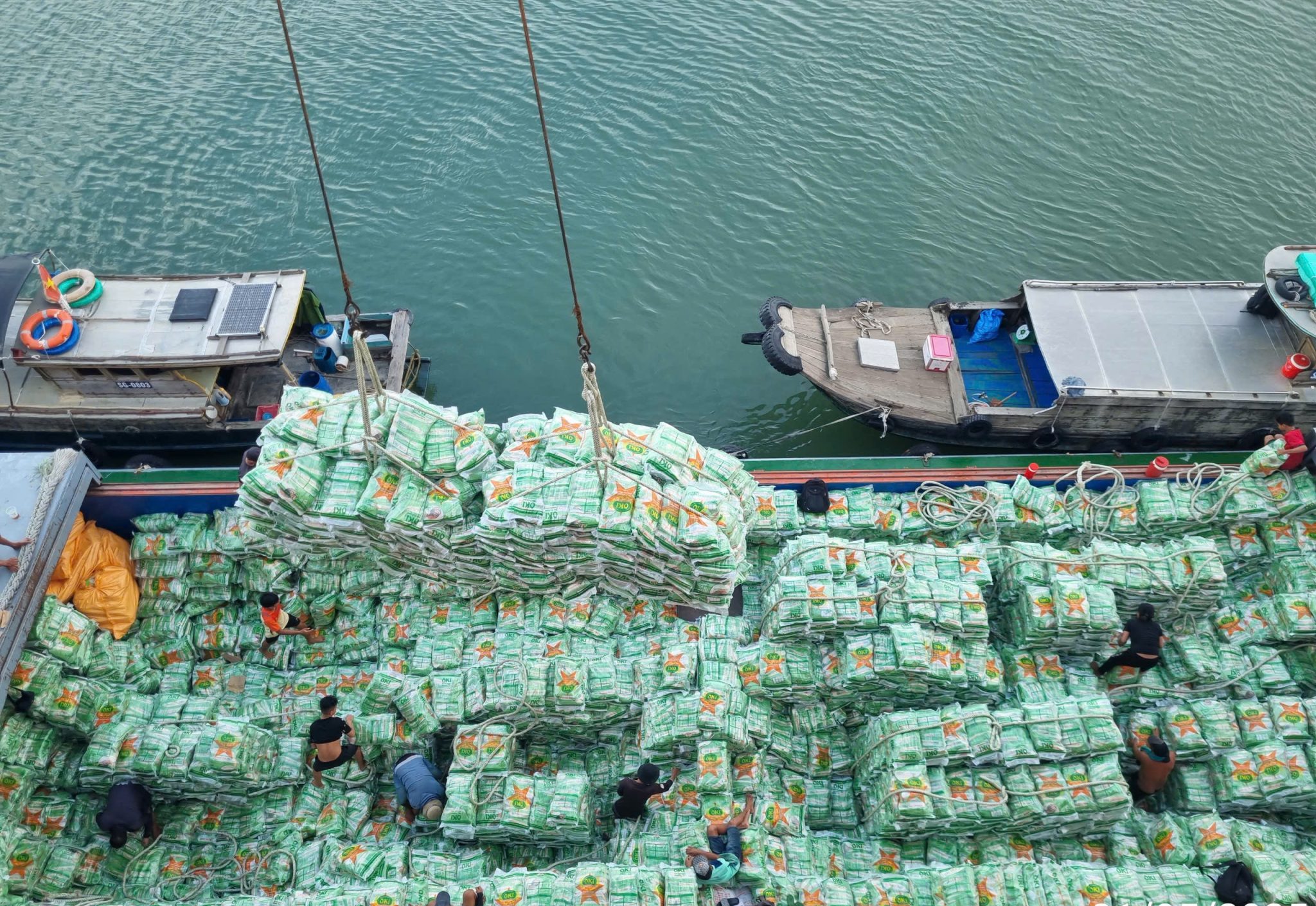
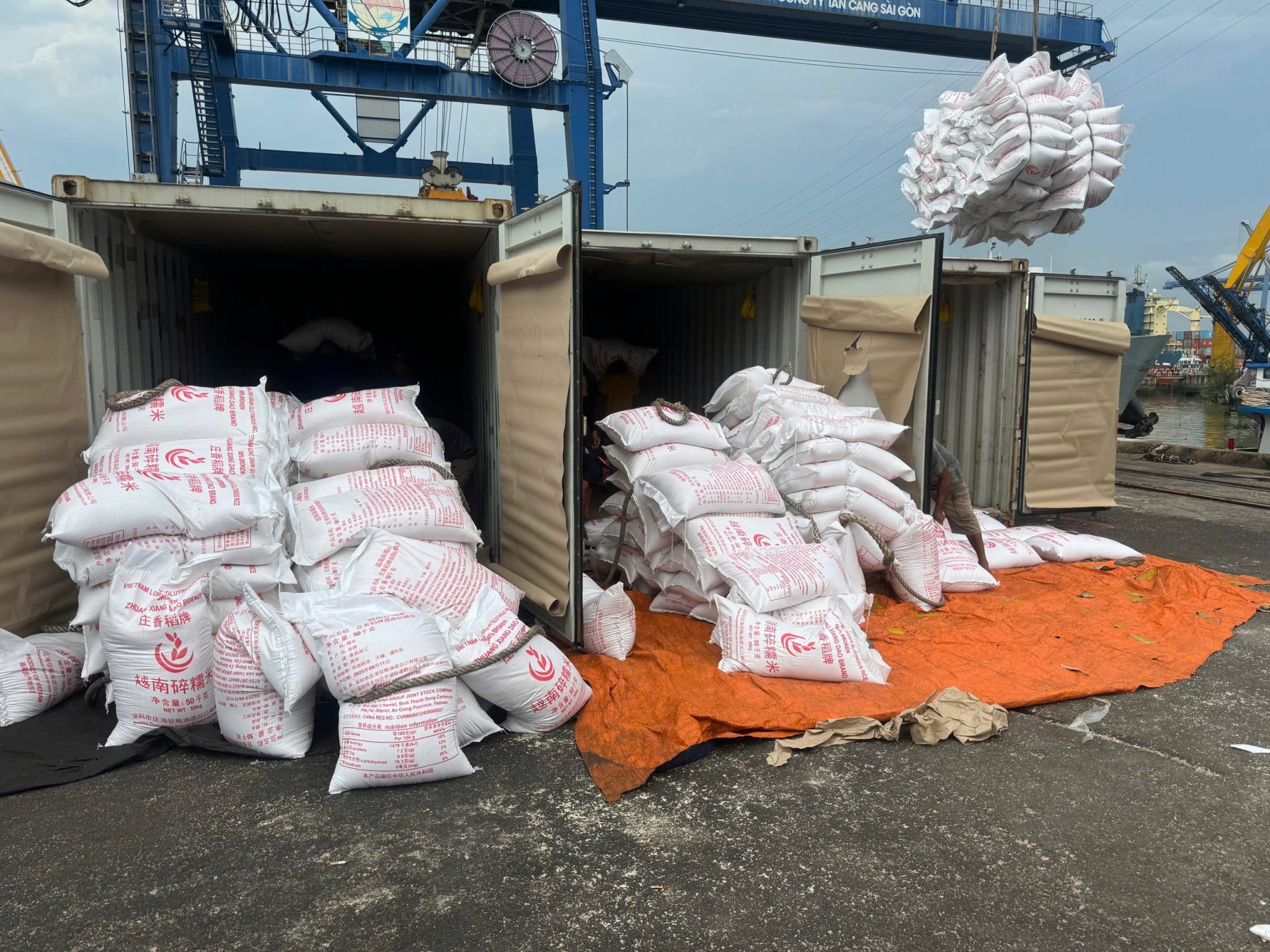
Rice is commonly packed in 25kg or 50kg bags, or according to the customer's specifications. PP or PE-laminated bags must ensure durability and protection against moisture. Before customs declaration, businesses should cross-check the commodity description, HS code, Net Weight, Gross Weight, origin, container number, and seal number across all relevant documents.
2.2. Customs Declaration Procedures and Export Completion
The export process is organized into six operational steps, from contract verification to the issuance of transport documents. Exporters should coordinate with freight forwarders to align schedules, especially when goods require quarantine or inspection before container loading.
- Step 1: Confirm the contract, payment method (L/C or T/T), Incoterms 2026, destination port, and the buyer's import responsibilities.
- Step 2: Check the HS code, tax policies, business conditions, and specialized regulatory requirements.
- Step 3: Complete the Invoice, Packing List, contract, specialized regulatory documents, and transport data.
- Step 4: Register the customs declaration, process the channeling results, conduct cargo inspections if required, and fulfill any applicable tax obligations.
- Step 5: Load the cargo, weigh it, seal the container, submit VGM, and deliver it to the port before the SI, VGM, and CY Cut-off deadlines.
- Step 6: Monitor vessel loading, verify the Shipper, Consignee, and Notify Party details on the draft B/L, and finalize the documents for the buyer.
The timing of customs declarations, quarantine inspections, and cargo loading must be arranged in accordance with actual port procedures. Completing customs clearance does not replace the responsibility to meet import requirements in the destination country. Businesses should also retain records for post-clearance audits when necessary.
3. Logistics for Rice Exports to Africa: Containers, Freight Rates, and Risks
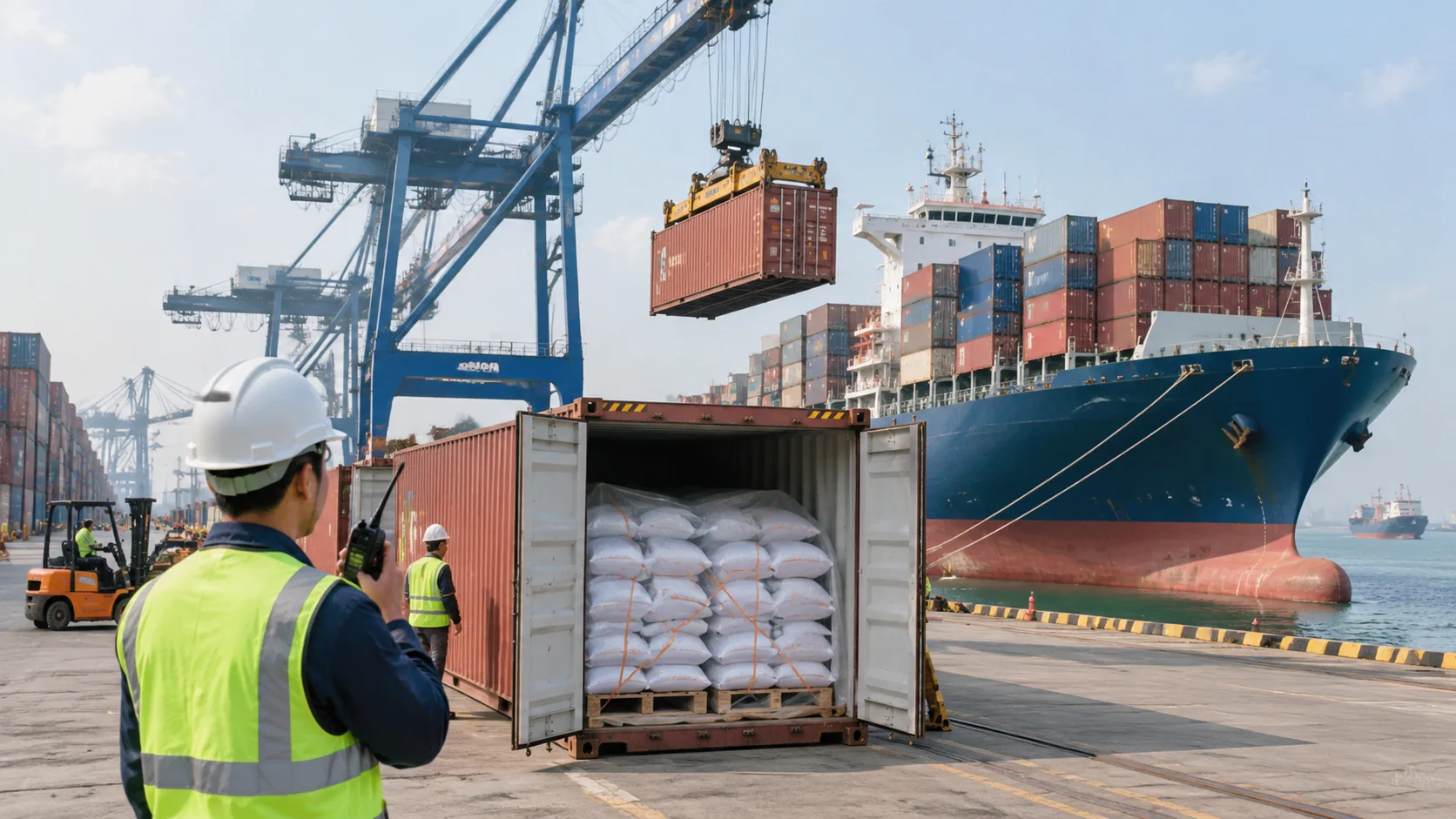
3.1. Choosing FCL, LCL, and Cargo Loading Arrangements
For large volumes of bagged rice, FCL is generally more suitable than LCL because exporters can better control container conditions. 20DC containers are commonly preferred for heavy cargo; 40DC and 40HC containers require further assessment of weight limits, volume, and road transportation conditions. Containers should not be selected solely based on nominal capacity.
CBM is calculated by multiplying the package length by width and height, converted into meters. The number of bags, pallets, and actual Gross Weight must also be determined. LCL may be suitable for small sample shipments, but businesses should consider CFS charges, moisture, odor contamination, and the risks associated with consolidated cargo.
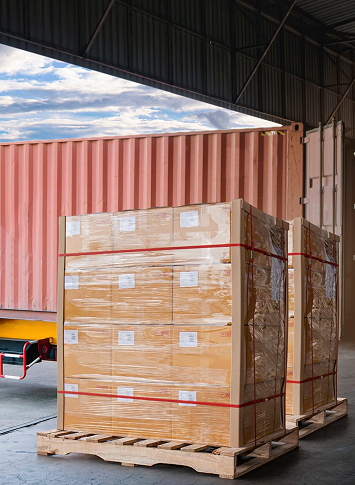
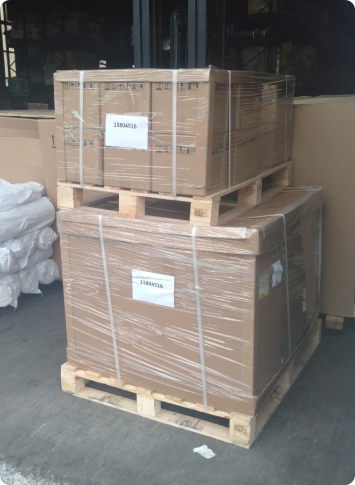
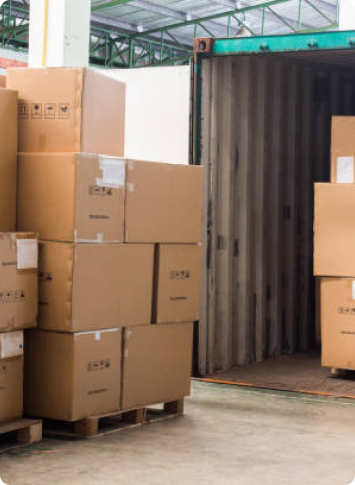
Before loading, containers must be inspected for floor and wall conditions, dryness, unusual odors, and signs of water leakage. Rice bags must be stacked securely, minimizing direct contact with surfaces that may cause moisture condensation. Desiccants, liner bags, or pallets suitable for the transportation period may be used.
Common destination ports include Apapa/Lagos in Nigeria, Tema in Ghana, Abidjan in Côte d'Ivoire, Dakar in Senegal, Alexandria in Egypt, and Durban in South Africa. Exporters should confirm the actual delivery port, vessel schedule, transshipment points, and container acceptance capacity with the carrier before making a booking.
3.2. Ocean Freight Structure, Incoterms, and Additional Costs
Shipping quotations typically include Ocean Freight, THC, Documentation Fee, Seal Fee, bill of lading fees, customs declaration fees, and inland transportation. Some routes have additional surcharges imposed by specific shipping lines or ports. Businesses should request quotations that clearly indicate included charges, excluded charges, and validity periods.
Under Incoterms 2026, FOB assigns responsibility for arranging the main sea carriage to the buyer; under CFR and CIF, the seller pays freight to the destination port, with CIF additionally requiring insurance. Under all three terms, risk transfers when the goods have been loaded on board the vessel at the port of shipment. DAP requires the seller to bear the risk until the agreed delivery location, without the default obligation to clear the goods for import.
Cost estimates should distinguish between port-to-port pricing and door-to-door services. In addition to the main freight charges, businesses must account for DEM, DET, Storage, container free time, destination-side surcharges, and potential vessel schedule changes. L/C or T/T terms should be checked to avoid discrepancies in delivery deadlines, bills of lading, and inspection certificates.
4. Rice Export Services to Africa with G-LOGS JSC

With over 10 years of experience, G-LOGS JSC provides integrated logistics solutions, including international ocean freight FCL/LCL, air freight, customs declarations, and domestic container transportation. Businesses can use these services from document verification and vessel booking to coordinating cargo delivery at the port of export.
G-LOGS supports businesses in reviewing legal requirements, proposed HS codes, commercial documents, and quarantine requirements for each market. The operations team coordinates customs declaration tracking, container data control, weight verification, seal number checks, and delivery schedules. The scope of services is agreed upon according to the actual needs of each shipment.
To receive a transportation proposal, customers should provide the rice variety, percentage of broken grains, moisture content, packaging specifications, shipment volume, Gross Weight, CBM, port of loading, port of discharge, Incoterms, and expected shipping date. Based on this information, G-LOGS will recommend suitable container types, vessel schedules, and cost structures.
Proper preparation of the rice export license and coordinated control of documentation, quality, and transportation are essential foundations for stable export transactions. Contact G-LOGS JSC for consultation on FCL/LCL, air freight where appropriate, customs declarations, and solutions to optimize total logistics costs for your shipment.
G-LOGISTICS TRADING AND SERVICES JOINT STOCK COMPANY (G-LOGS JSC)
Address: 4th Floor, Coalimex Building, 29–31 Dinh Bo Linh Street, Binh Thanh Ward, Ho Chi Minh City, Vietnam.
Phone: (84) 28 3511 5354/5455
Email: info@g-logs.com
Website: www.g-logs.com