 EN
 VI
 ZH
Transporting industrial machinery, project equipment, and large structural components requires a logistics approach that differs from conventional cargo transportation. Selecting suitable oversized and heavy haul vehicles, surveying routes, and obtaining the necessary operating permits help businesses maintain control over safety, delivery schedules, and overall transportation costs.
1. Oversized and Heavy Haul Transport Vehicles: Cargo Classification Standards and Transportation Requirements
1.1. Distinguishing Between Oversized Cargo, Overweight Cargo, and Over-Dimensioned and Overweight Loads
Under Circular 12/2026/TT-BXD, as amended and supplemented by Circular 19/2026/TT-BXD and consolidated in Consolidated Document 26/VBHN-BXD, oversized and overweight cargo is classified based on its non-detachable characteristics and the actual specifications of the vehicle combination after loading.
- Oversized cargo: Causes the vehicle to exceed 20 m in length, 2.5 m in width, or 4.2 m in height; for container-carrying vehicles, the height limit is 4.35 m.
- Heavy cargo: Causes the combined weight of the vehicle and cargo to exceed 48 tons.
- Overdimensioned and overweight vehicles: Vehicles that exceed the permitted dimensional or weight limits under applicable regulations and road operating conditions.
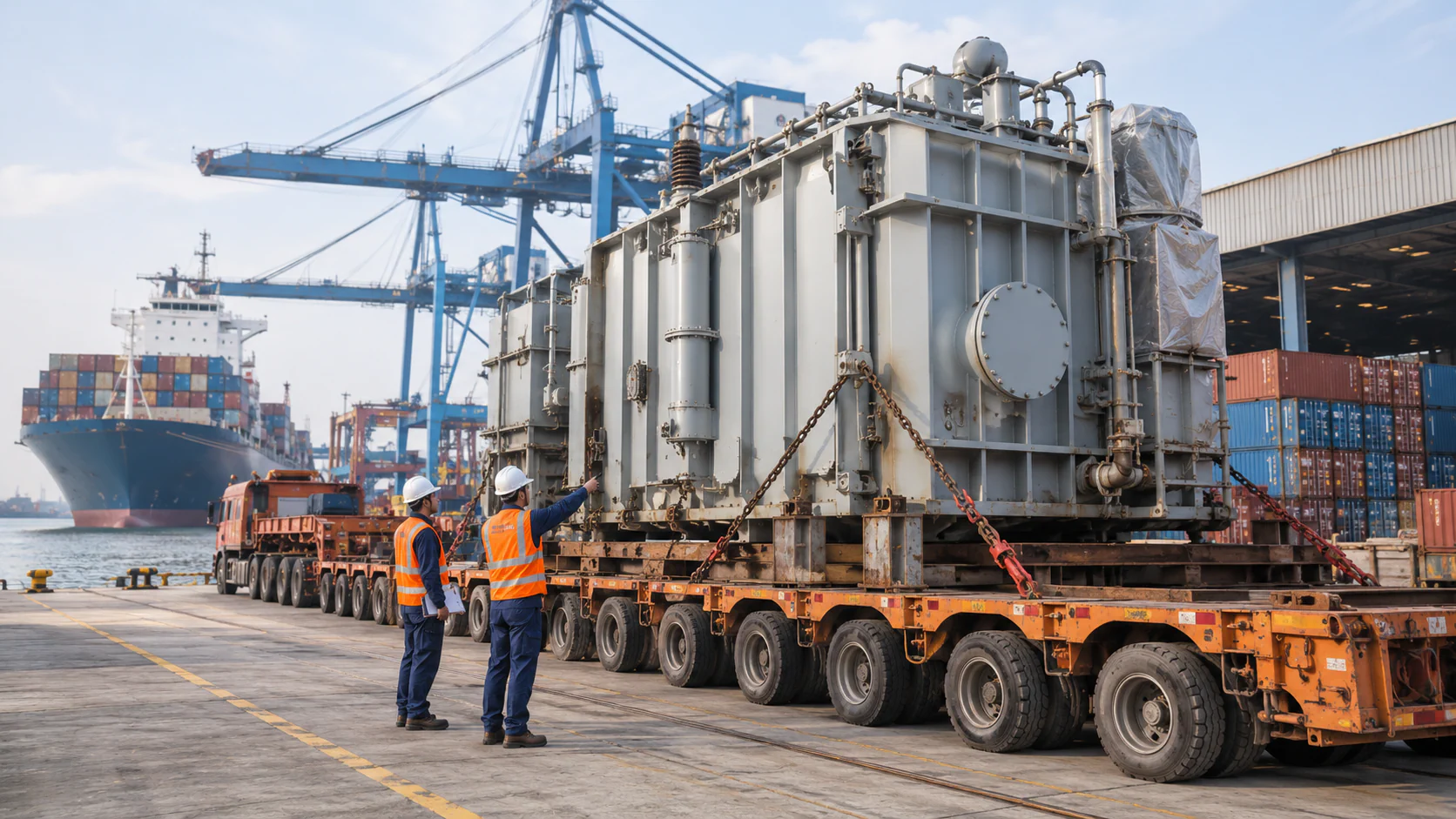
Specialized cargo includes transformers, wind turbines, bridge girders, steel structures, industrial tanks, and production lines. Equipment may exceed dimensional limits without being excessively heavy, or vice versa. Unlike standard containers, each case requires a separate assessment of the vehicle and operating conditions.
1.2. Selecting Specialized Vehicles Based on Cargo Dimensions and Weight
Vehicles are selected based on the shape, dimensions, weight, and technical characteristics of the equipment. Common specialized semi-trailers include:
- Flatbed Trailer: Suitable for steel structures and equipment of moderate height.
- Lowbed Trailer: Reduces the overall height when transporting construction machinery or tall equipment.
- Extendable Trailer: Features an extendable deck for transporting bridge girders, long structural components, and turbine blades.
- Hydraulic Modular Trailer: Helps distribute loads when transporting exceptionally heavy equipment.
A trailer's rated capacity does not necessarily represent its permitted operating load. Transport companies must consider the tractor unit's capacity, number of axles, axle spacing, suspension system, deck height, and turning radius of the entire vehicle combination.
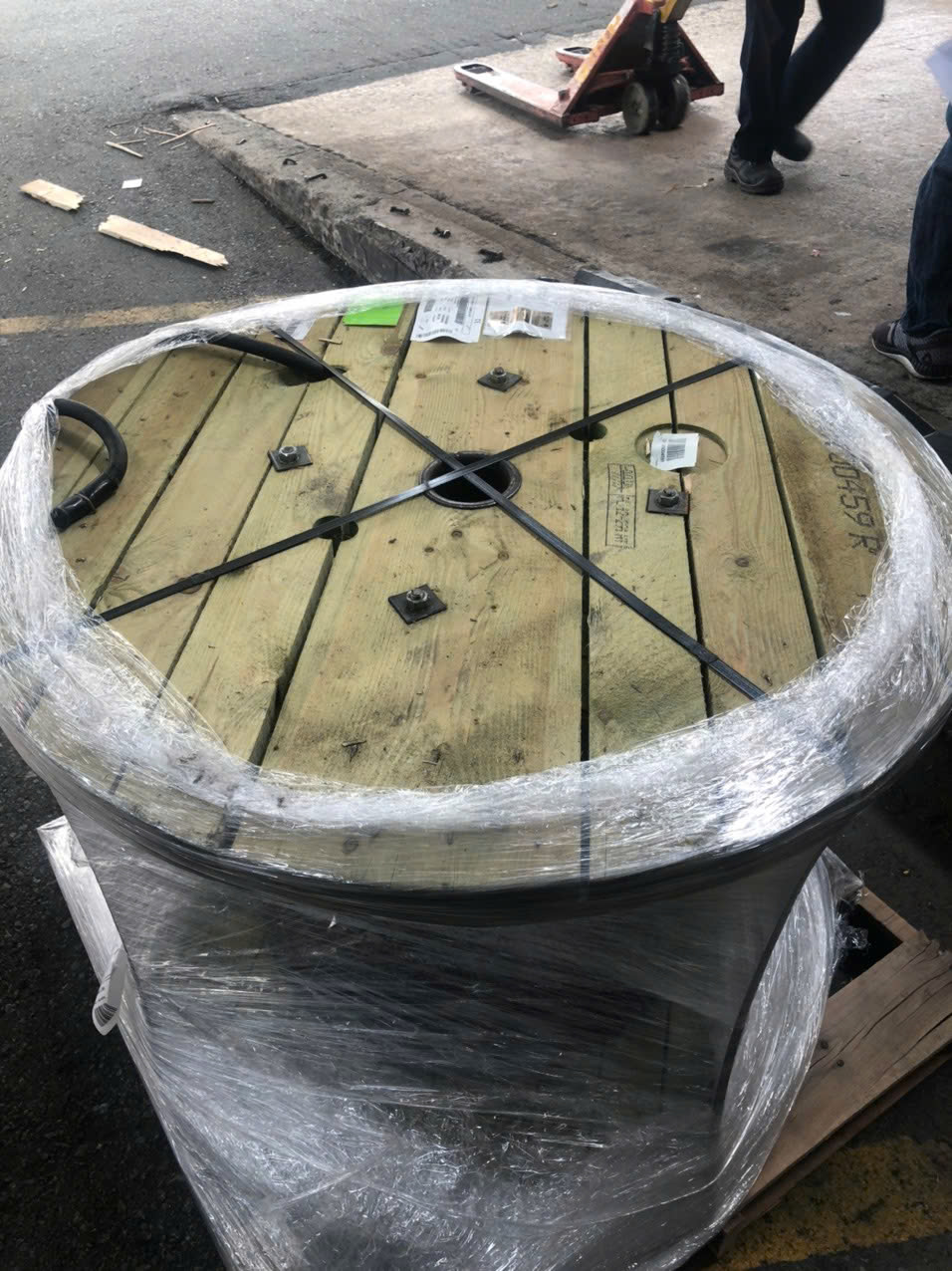
Cargo owners should provide a specification sheet containing overall dimensions, net weight, gross packaged weight, center of gravity, lifting points, support positions, and technical drawings. This information serves as the basis for designing a transportation plan suited to the equipment's characteristics.
2. Oversized and Heavy Haul Transportation Process: Route Surveys, Permits, and Delivery Organization
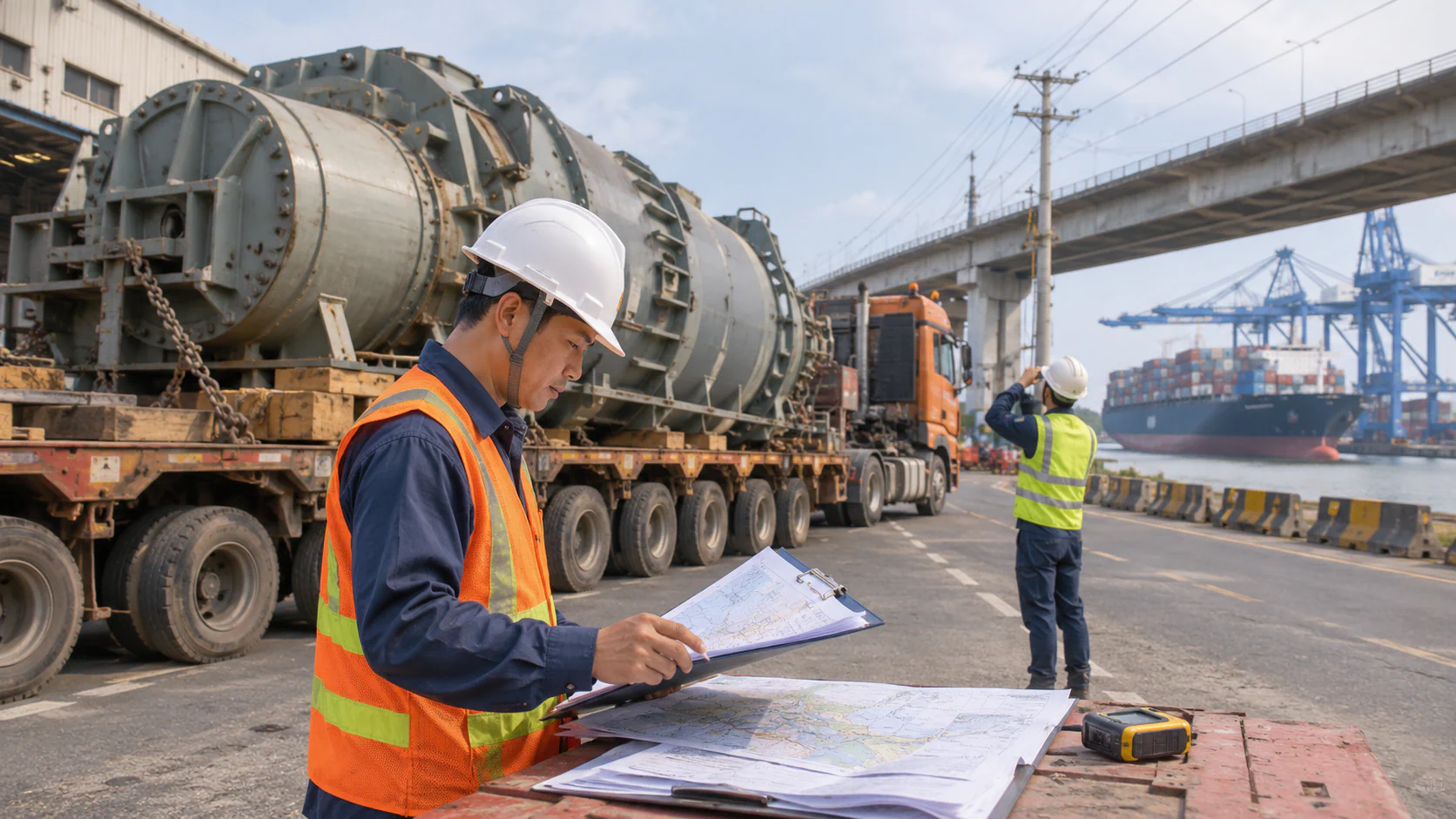
2.1. Route Surveys and Technical Transportation Planning
An on-site survey must cover the entire route from the cargo pickup point to the delivery destination. Parameters to assess include road width, bridge load capacity, overhead clearance, turning radius, gradients, and available space for vehicle maneuvering.
Obstacles such as power lines, overpasses, factory gates, and toll stations must be identified in advance. If infrastructure modifications or adjustments are required, the transport company must coordinate with the competent authorities and obtain confirmation of the implementation conditions.
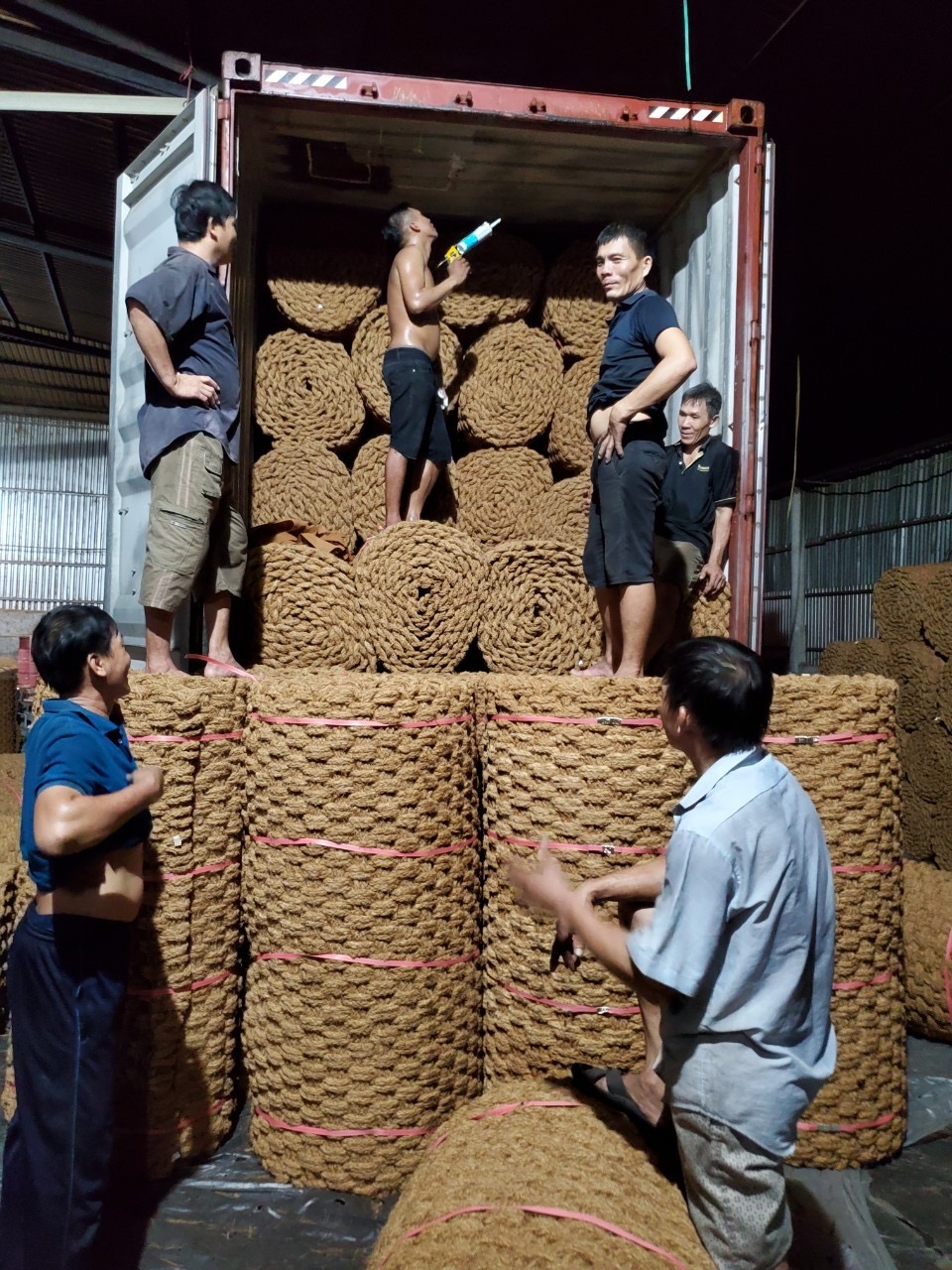
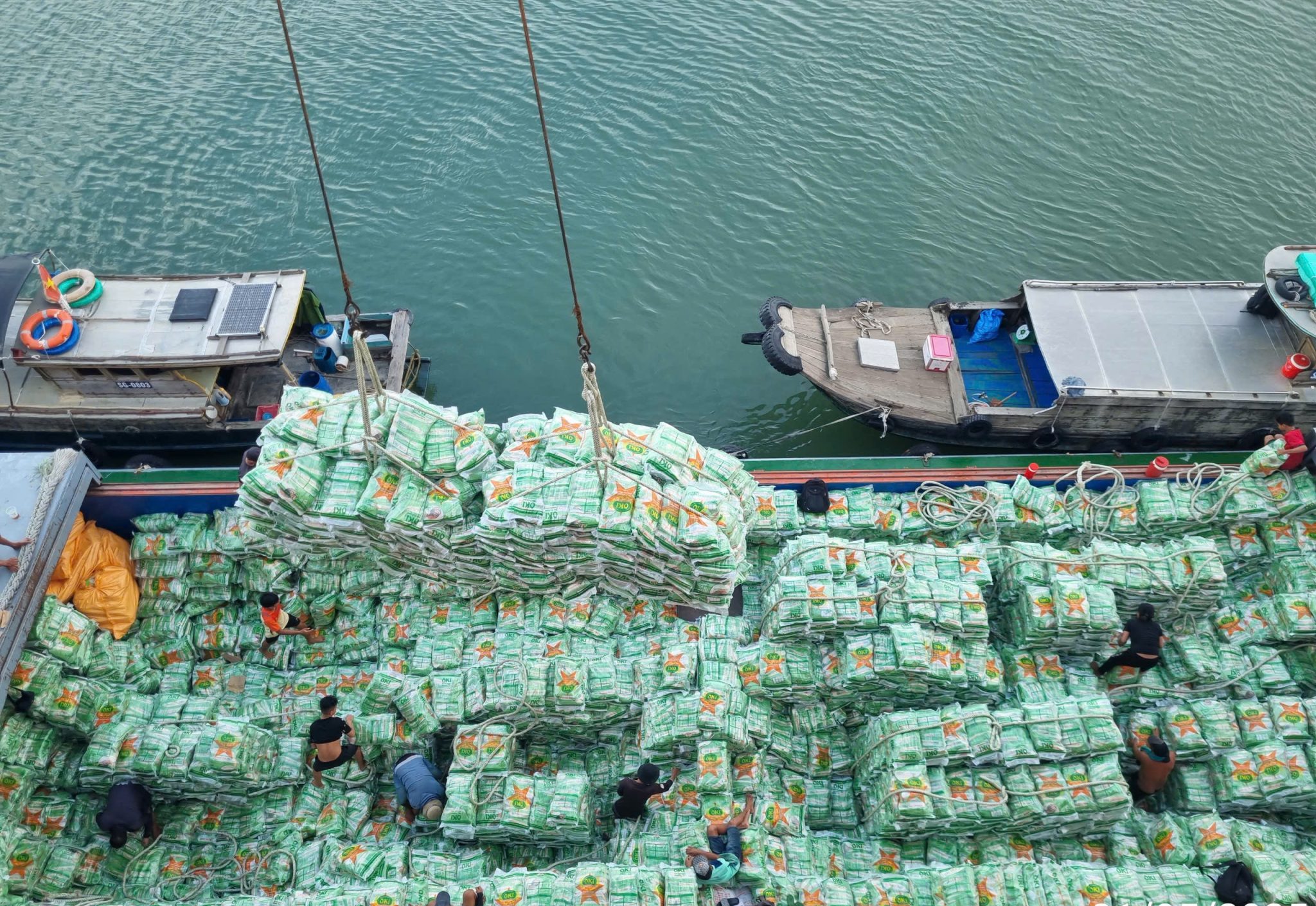
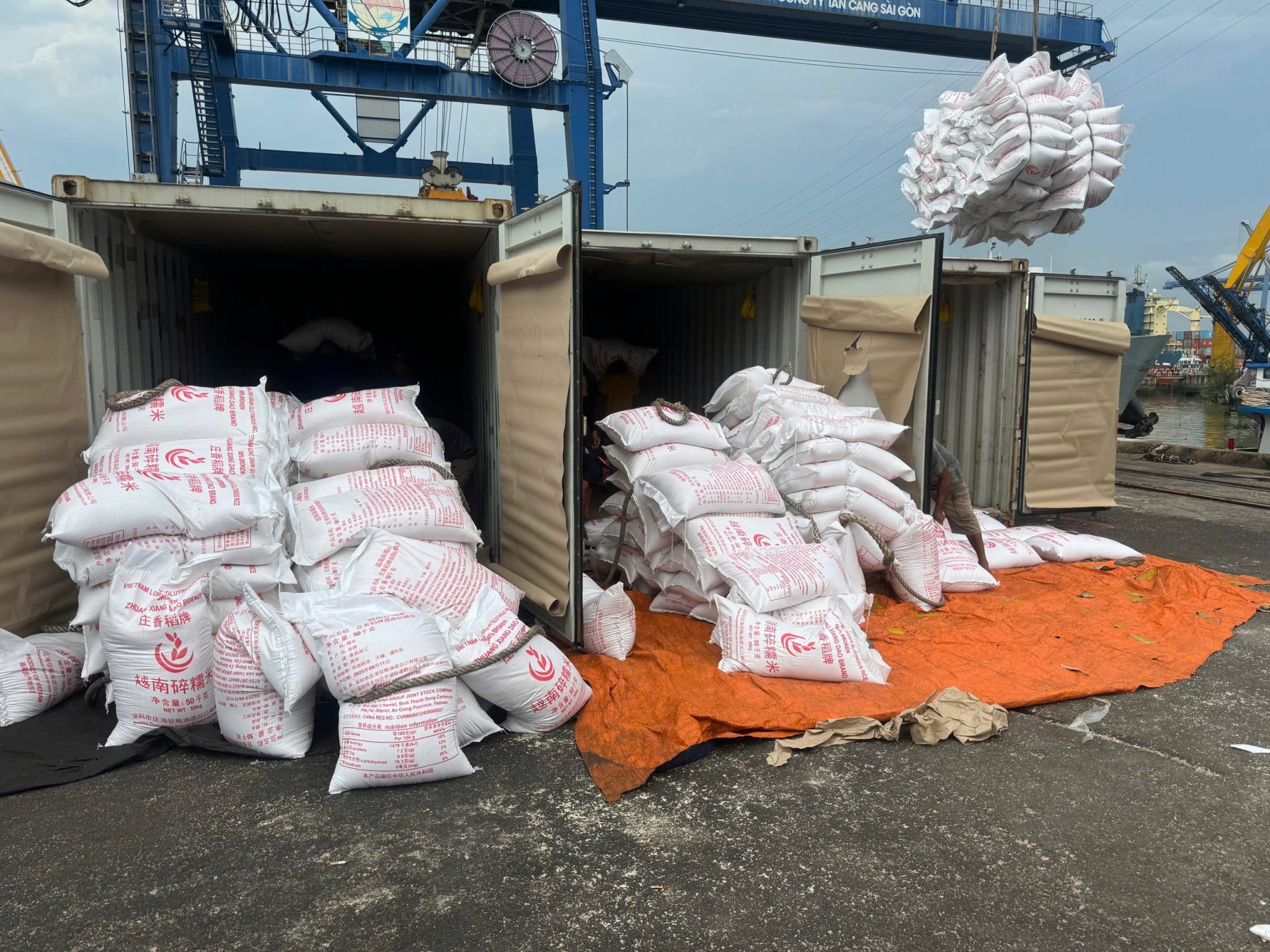
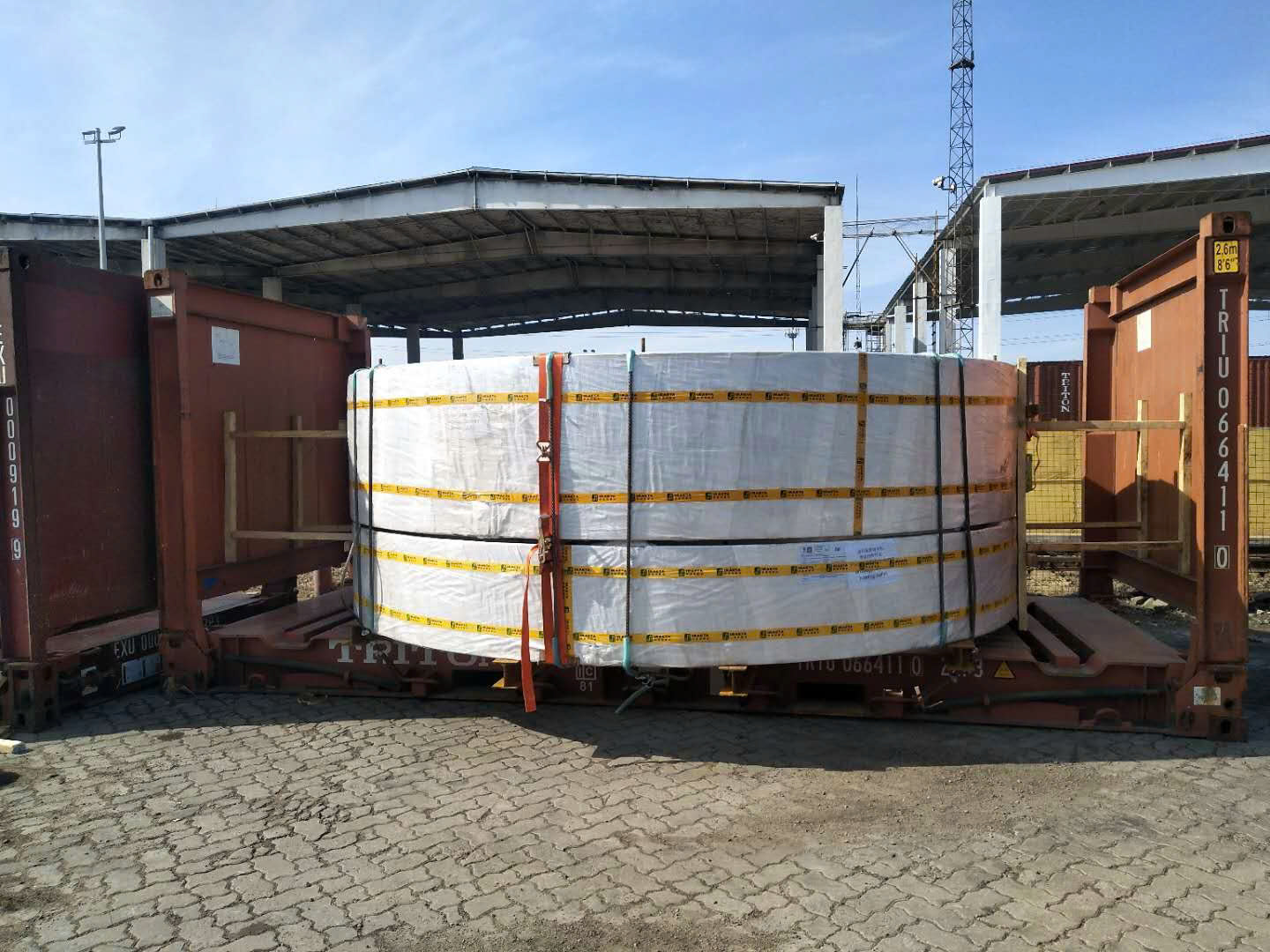
For imported and exported equipment, the delivery plan may combine international ocean freight, road transportation, and specialized transshipment. The selection of ports, staging areas, and lifting equipment must suit the receiving conditions at each stage.
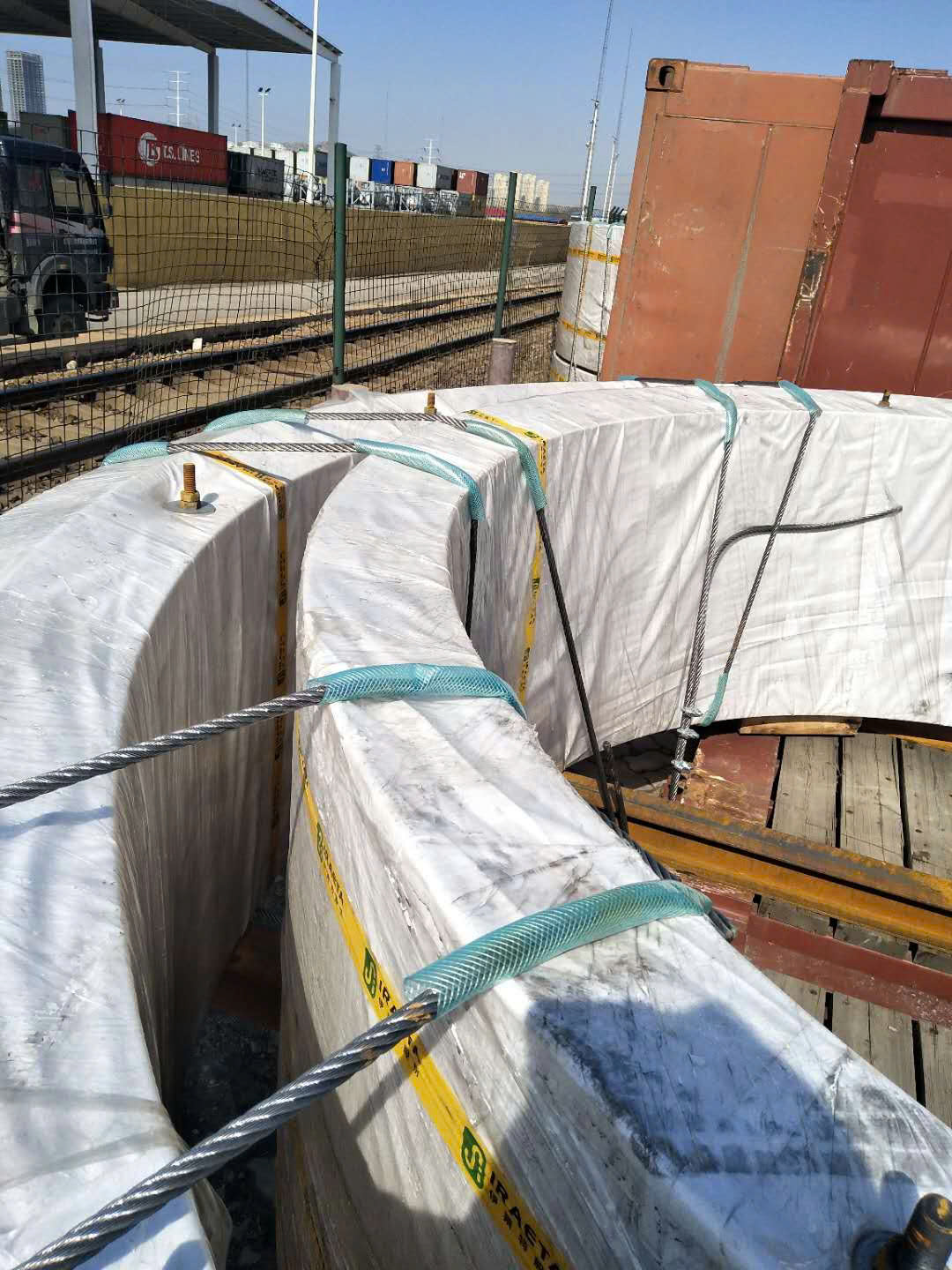
The technical plan must specify loading, supporting, cushioning, reinforcement, and lashing methods based on the equipment's characteristics. The parties must also agree on the transportation schedule, permitted travel time windows, support vehicles, traffic coordination responsibilities, and delivery conditions.
2.2. Operating Permits, Transport Documents, and Practical Implementation Procedures
Vehicles subject to licensing requirements may only operate when they satisfy the prescribed conditions. Businesses should refer to the guidance issued by the Ministry of Construction regarding licensing authority, permitted routes, validity periods, and accompanying technical requirements.
Permit applications are prepared on a case-by-case basis and include registration information, vehicle inspection documents, vehicle combination specifications, and the required transportation plan. An operating permit does not replace delivery documents, cargo documentation, customs procedures, or specialized permits.
Practical implementation process:
- Receive cargo specifications and survey the transportation route.
- Select the tractor unit and trailer, then develop the technical plan.
- Complete the operating permit application if a permit is required.
- Coordinate vehicles, lifting and loading operations, and inspect the cargo after loading.
- Arrange transportation, conduct acceptance inspections, and hand over the equipment.
Before departure, the transport company must verify the actual dimensions and weight against the approved documentation. Tire conditions, hydraulic systems, warning equipment, and support vehicles must also be inspected to ensure safe operating conditions.
3. Oversized and Overweight Cargo Transportation Costs: Quotation Structure and Logistics Risk Management

3.1. Key Components of Oversized and Heavy Haul Transportation Rates
Specialized cargo transportation rates are calculated for each shipment rather than based on fixed unit prices. Costs depend on weight, dimensions, number of trailer axles, number of trips, transportation distance, terrain, and the complexity of delivery conditions.
Cost categories to identify in a quotation:
- Tractor unit and specialized trailer charges.
- Route survey, transportation planning, and permit application costs.
- Support vehicle costs and infrastructure modification expenses, if required.
- Equipment lifting, loading, unloading, and transshipment costs.
- Vehicle waiting time, warehousing, and storage charges.
For import and export cargo, the total budget also includes FCL ocean freight, OOG (Out of Gauge) handling surcharges, local port charges, customs declarations, and domestic delivery. OOG cargo may use Flat Rack or Open Top containers or a suitable vessel arrangement.
Under Incoterms 2026 issued by the International Chamber of Commerce (ICC), EXW and FCA allocate most of the main transportation leg to the buyer; FOB, CFR, and CIF apply to sea or inland waterway transportation. Under DAP, the seller arranges transportation to the designated delivery location.
Under these terms, CIF requires the seller to purchase cargo insurance at the default minimum coverage level. When requesting a quotation, businesses should clarify the service scope, validity period, included items, exclusions, and cost adjustment mechanisms.
3.2. Transportation Risks and Measures to Ensure Safety and Schedule Compliance
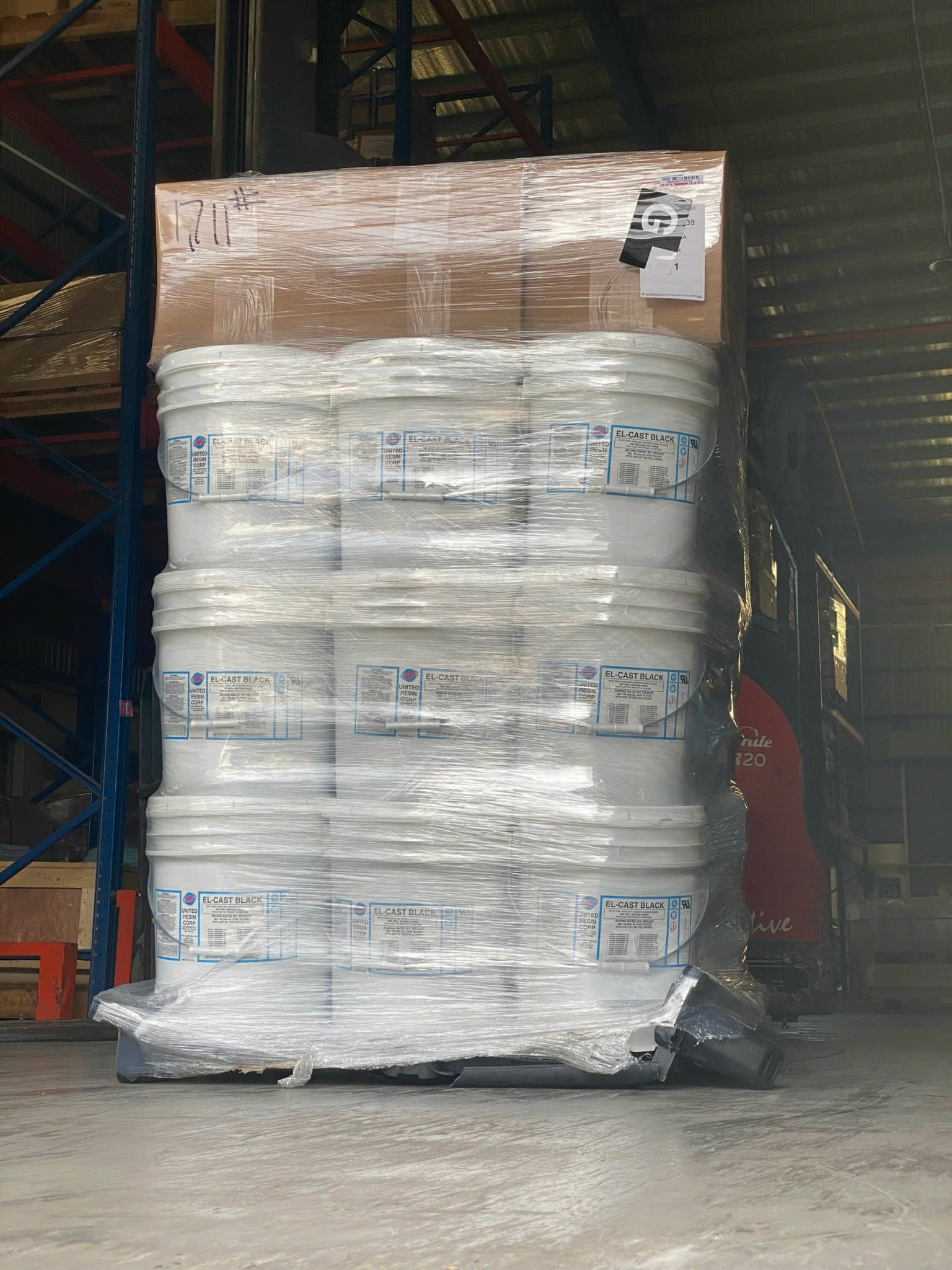
Industrial equipment may be damaged by incorrect support placement, imbalance, vibration, or improper securing. Cargo owners should request an inspection of the equipment protection plan and prepare a condition report before handing the equipment over to the transport company.
Schedule risks often arise from weather conditions, traffic congestion, bridge and road operating restrictions, or changes to receiving schedules at construction sites. Waiting time, trailer replacement, additional lifting operations, and route adjustments may increase the budget if contractual responsibilities are not clearly defined.
For high-value equipment, businesses should consider appropriate cargo insurance. Cargo insurance must be distinguished from the carrier's liability. Businesses should also check coverage scope, exclusions, loading and unloading activities, and loss notification procedures.
- Before transportation: Check documentation, vehicles, and safety conditions.
- During transportation: Monitor progress, cargo condition, and transportation logs.
- After transportation: Inspect the cargo condition, conduct acceptance checks, and prepare a handover report.
4. Comprehensive Oversized and Heavy Haul Transportation Solutions with G-LOGS JSC
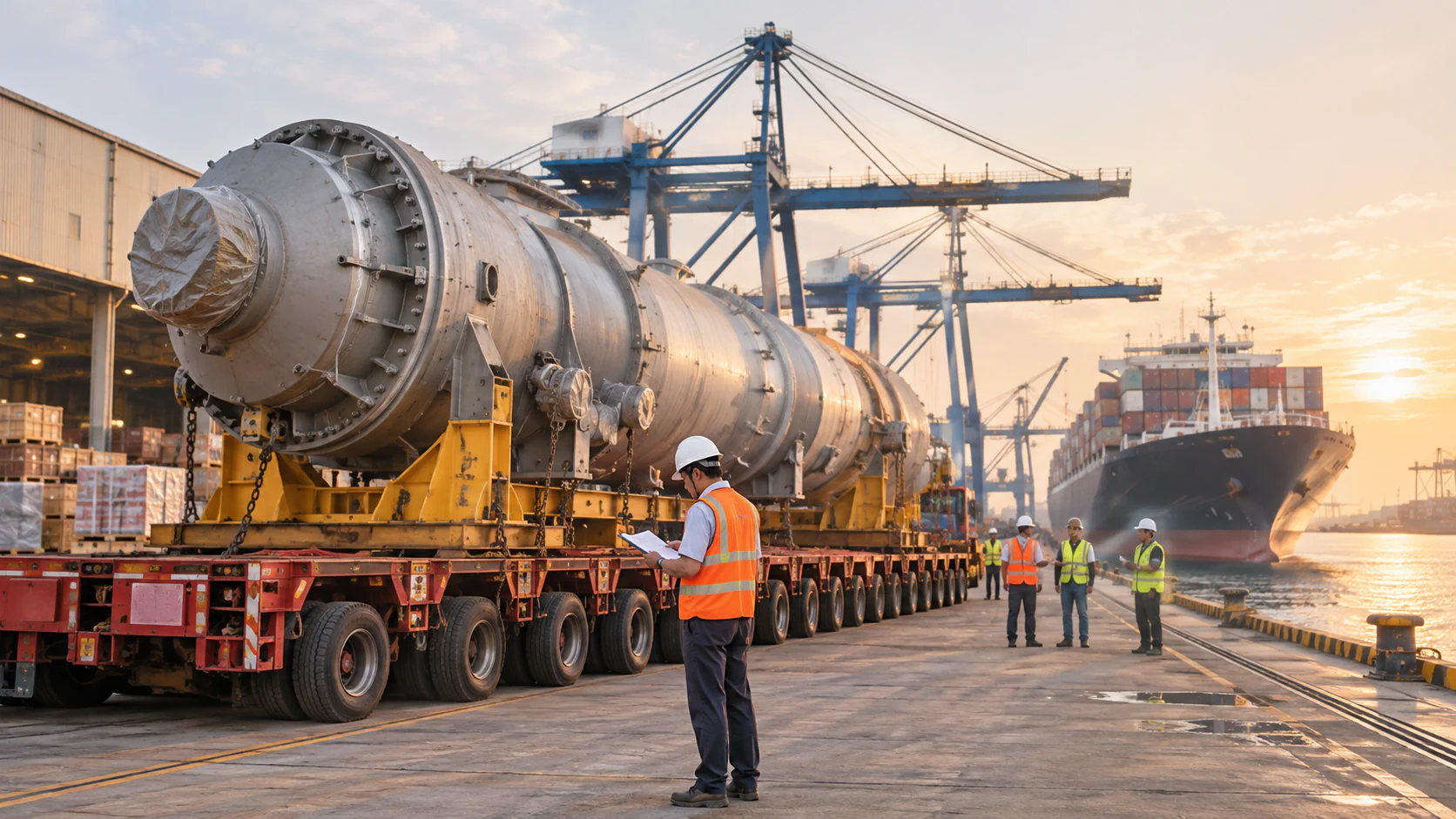
With over 10 years of experience in international logistics, G-LOGS JSC provides FCL/LCL ocean freight, air freight, customs declaration, and domestic container transportation services. Businesses receive consultation on equipment delivery solutions tailored to individual project requirements.
G-LOGS supports the review of commercial documents, preliminary HS codes, import and export policies, and specialized regulatory requirements. For OOG cargo, the team coordinates booking arrangements, transportation equipment allocation, port lifting and handling conditions, and connections with domestic transport vehicles.
The service scope is agreed upon under each contract and includes delivery coordination, progress tracking, customs clearance support, and estimates of total logistics costs. Responsibilities for obtaining operating permits and specialized licenses are allocated in accordance with applicable laws.
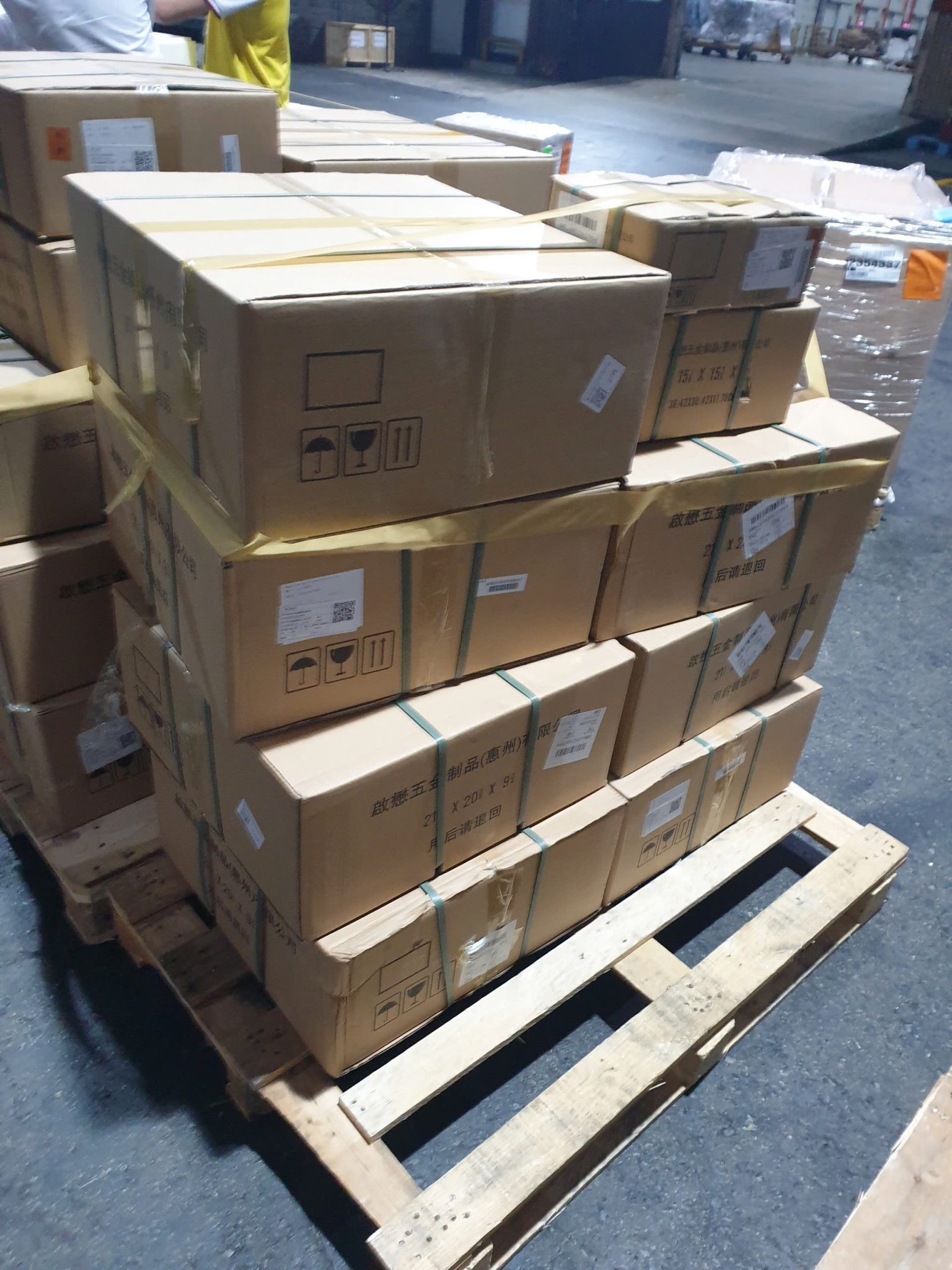
To receive a suitable quotation, customers should provide the equipment name, number of packages, technical specifications, pickup location, delivery destination, port of loading or discharge, applicable Incoterms, and expected transportation schedule.
Selecting suitable oversized and heavy haul trucks should be part of an overall logistics plan rather than based solely on domestic transportation rates. Contact G-LOGS JSC for consultation on OOG ocean freight, FCL/LCL, air freight, and customs declarations, helping businesses manage safety, schedules, and costs.
G-LOGISTICS TRADING AND SERVICES JOINT STOCK COMPANY (G-LOGS JSC)
Address: 4th Floor, Coalimex Building, 29–31 Dinh Bo Linh Street, Binh Thanh Ward, Ho Chi Minh City, Vietnam.
Phone: (84) 28 3511 5354/5455
Email: info@g-logs.com
Website: www.g-logs.com