 EN
 VI
 ZH
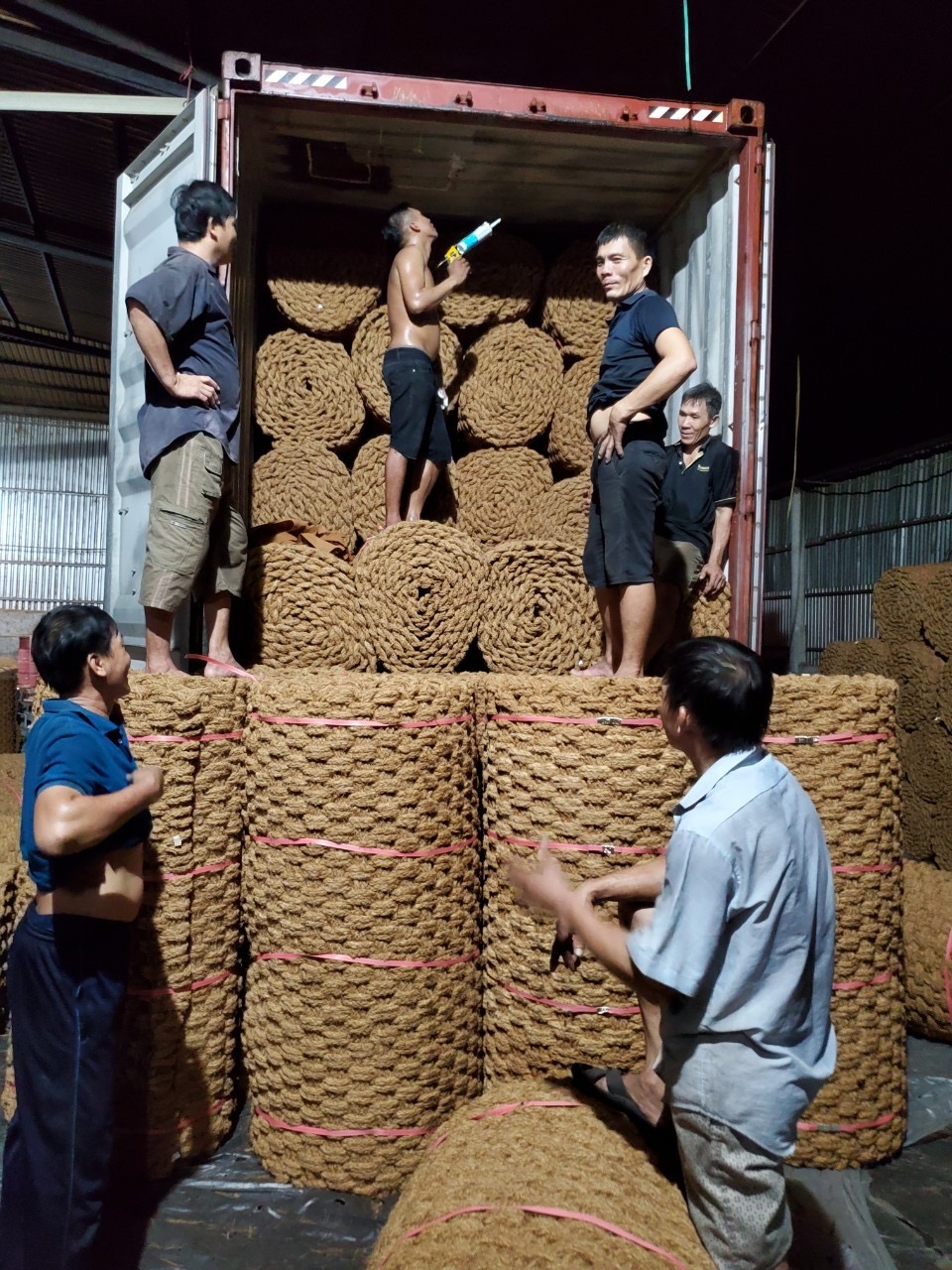
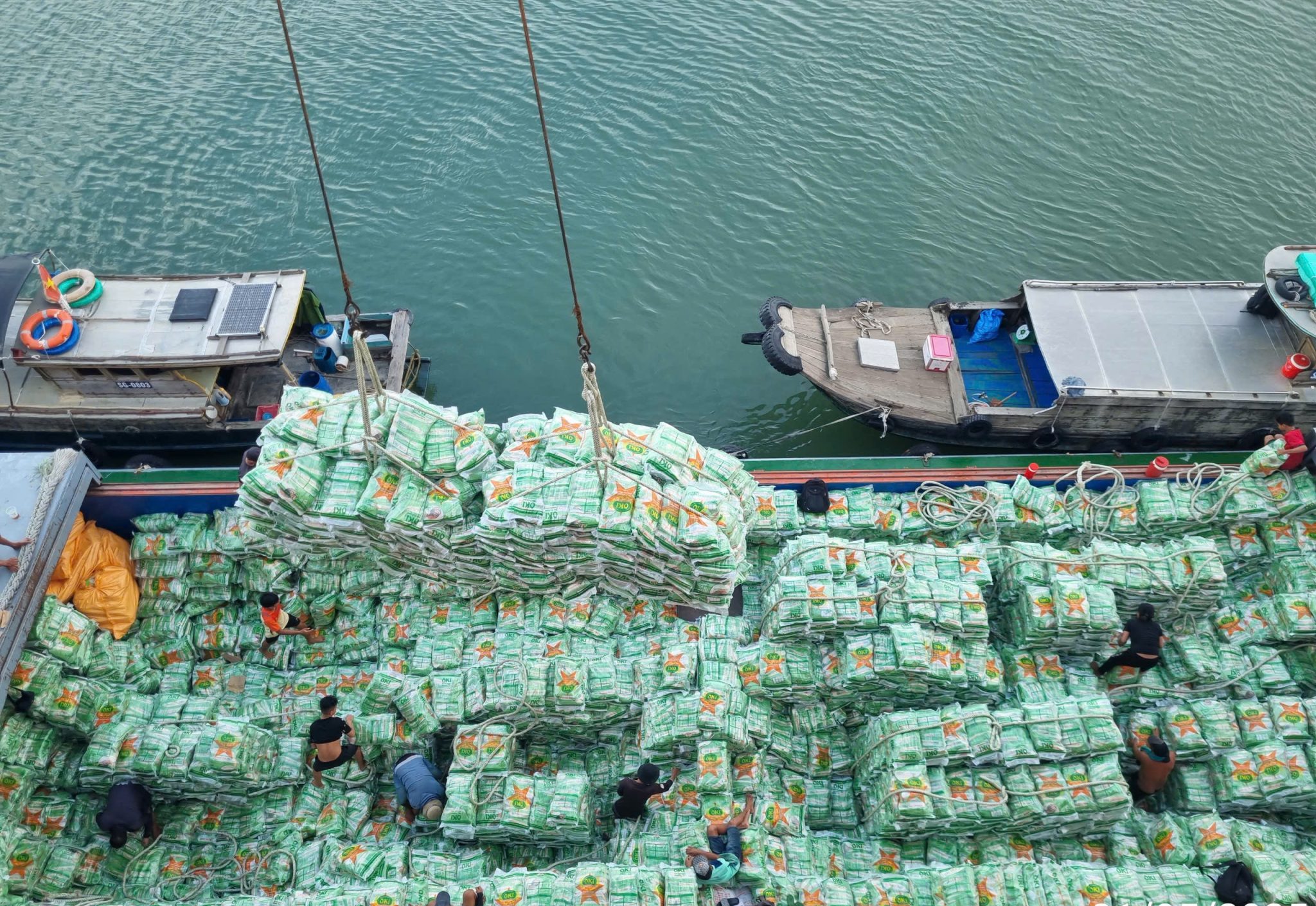
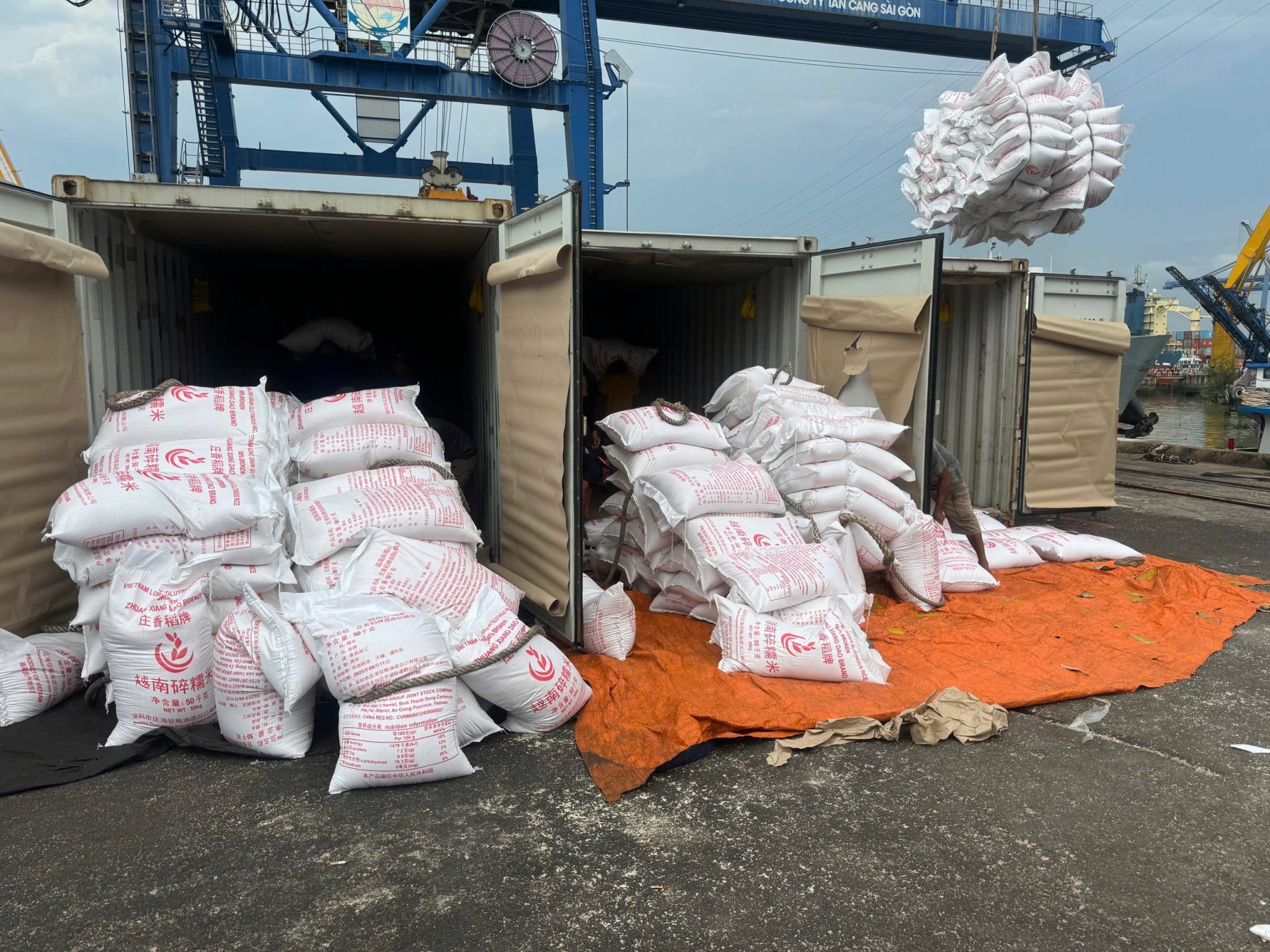
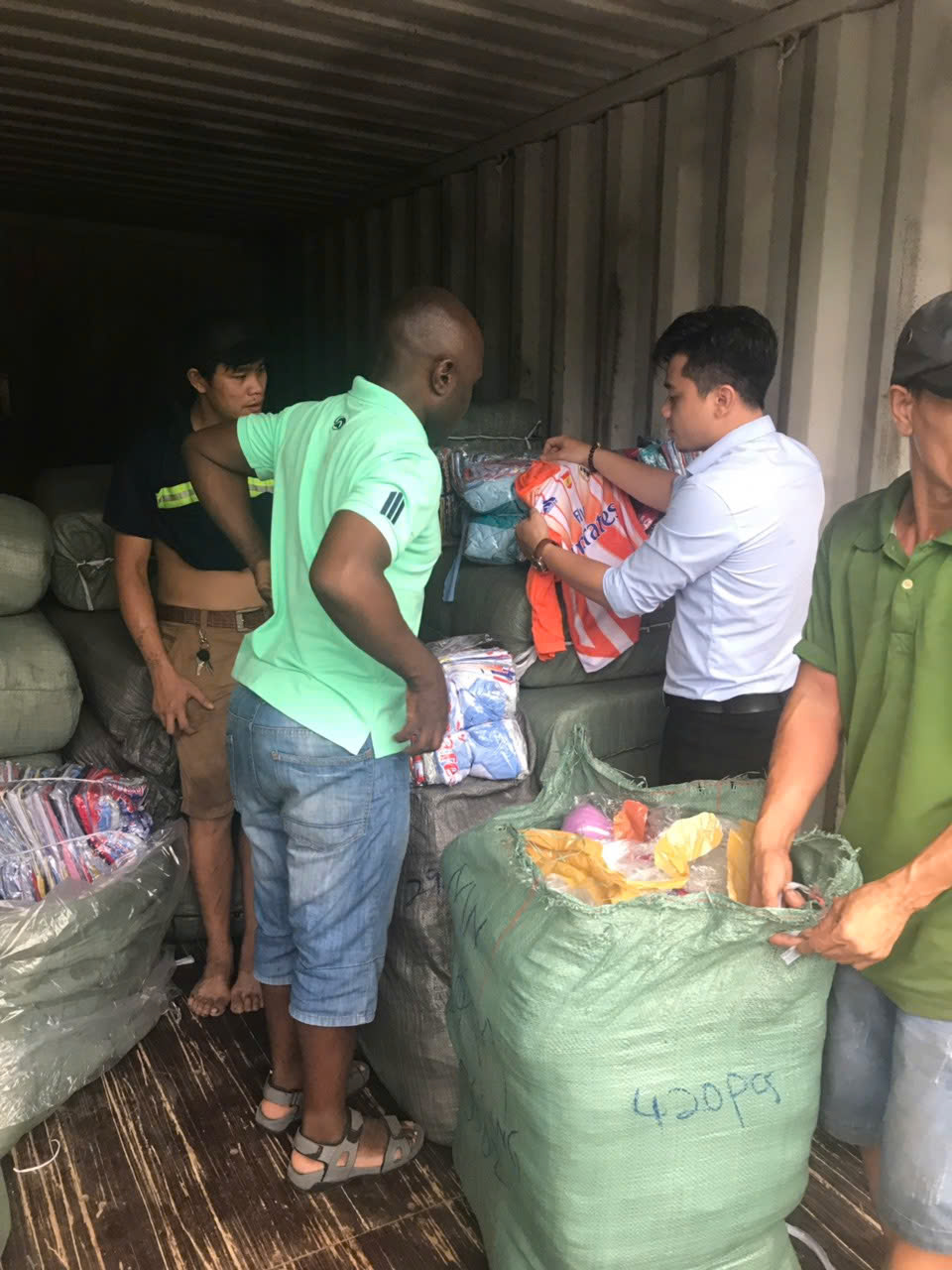
Shipping goods to China requires businesses to select the appropriate transportation method and delivery route, as well as prepare complete import and export documentation. Depending on shipment volume, cargo characteristics, and delivery location, businesses can choose sea, road, or rail freight to optimize costs and delivery schedules. This article analyzes transportation routes, formal export procedures, and freight cost structures to help cargo owners proactively plan their logistics operations.
1. Transportation Routes and Shipping Methods to China
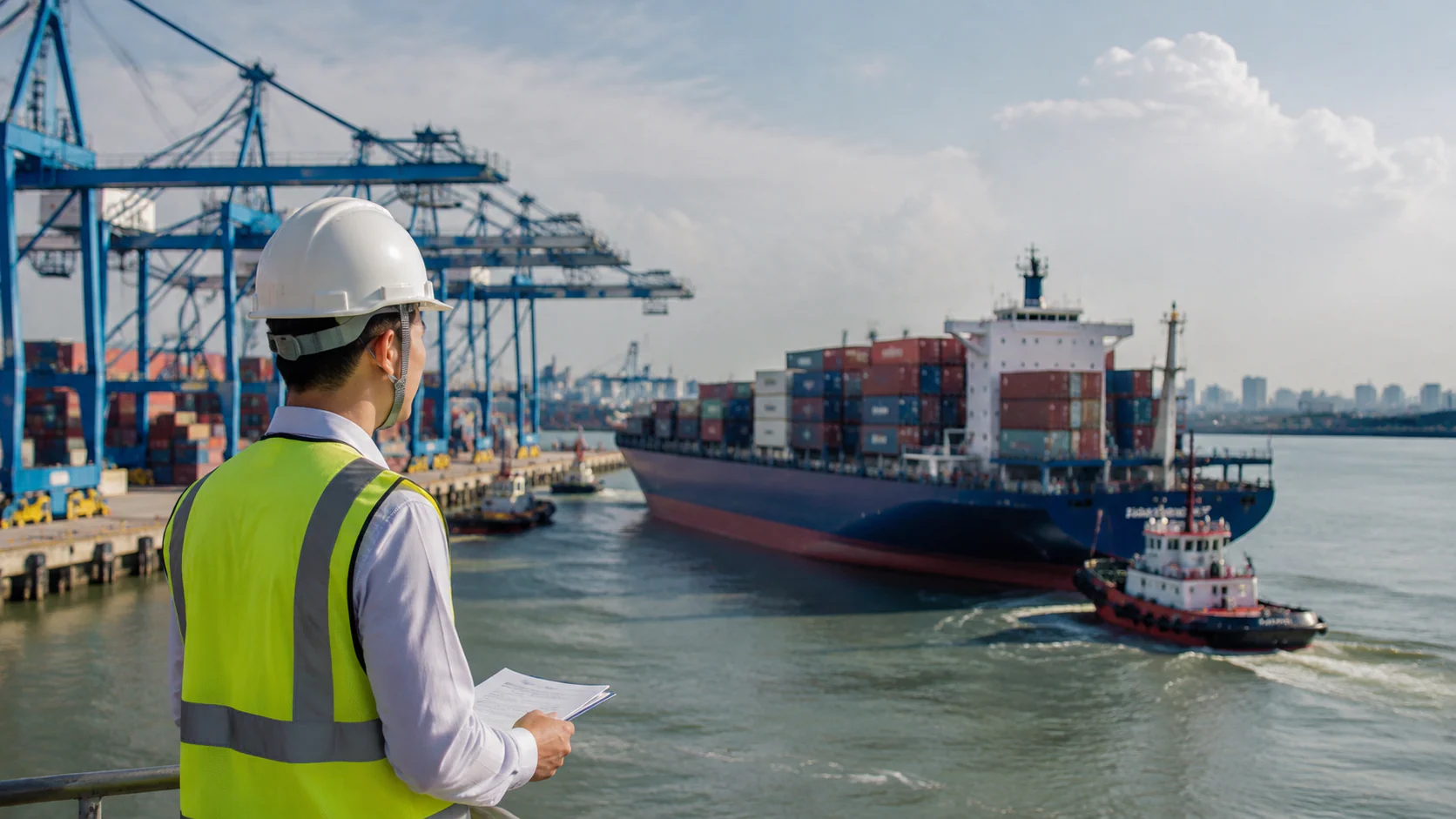
1.1. Classification of Sea, Road, and Rail Routes
The three main transportation methods from Vietnam to China have different operational characteristics. The choice should be based on shipment volume, delivery time, receiving warehouse location, and the customs clearance eligibility of each type of cargo.
| Method | Typical Shipping Routes | Operational Characteristics |
|---|---|---|
| Sea | Hai Phong, Cat Lai to Shanghai, Ningbo, Shenzhen, Guangzhou | Suitable for FCL/LCL shipments, raw materials, and large-volume cargo. |
| Road | Huu Nghi, Tan Thanh, Chi Ma, Mong Cai | Flexible pickup and delivery options, suitable for commercial goods and cross-border transportation. |
| Rail | Connecting Vietnamese logistics hubs with China's railway network | An intermediate option in terms of transit time and cost on routes with suitable connections. |
For sea freight, goods are transported in full container loads (FCL) or less-than-container loads (LCL). Road freight can use dedicated trucks or consolidated shipments, while rail freight is suitable for certain shipments with convenient schedules and railway station connections.
Regarding customs clearance arrangements, seaports serve as cargo handling points associated with maritime transportation activities, while international border gates and bilateral border gates have different scopes and customs clearance conditions. Huu Nghi, Mong Cai, Chi Ma, and Tan Thanh should be considered based on the shipping route and applicable cargo policies. It should not be assumed that all types of goods are permitted to clear customs at every border gate.
Formal exports must be supported by commercial transactions, appropriate documentary records, and customs declarations. Border residents' trading activities are subject to separate management mechanisms and cannot replace the documentation required for ordinary commercial exports.
1.2. Selecting Transportation Methods Based on Cargo Types and Incoterms
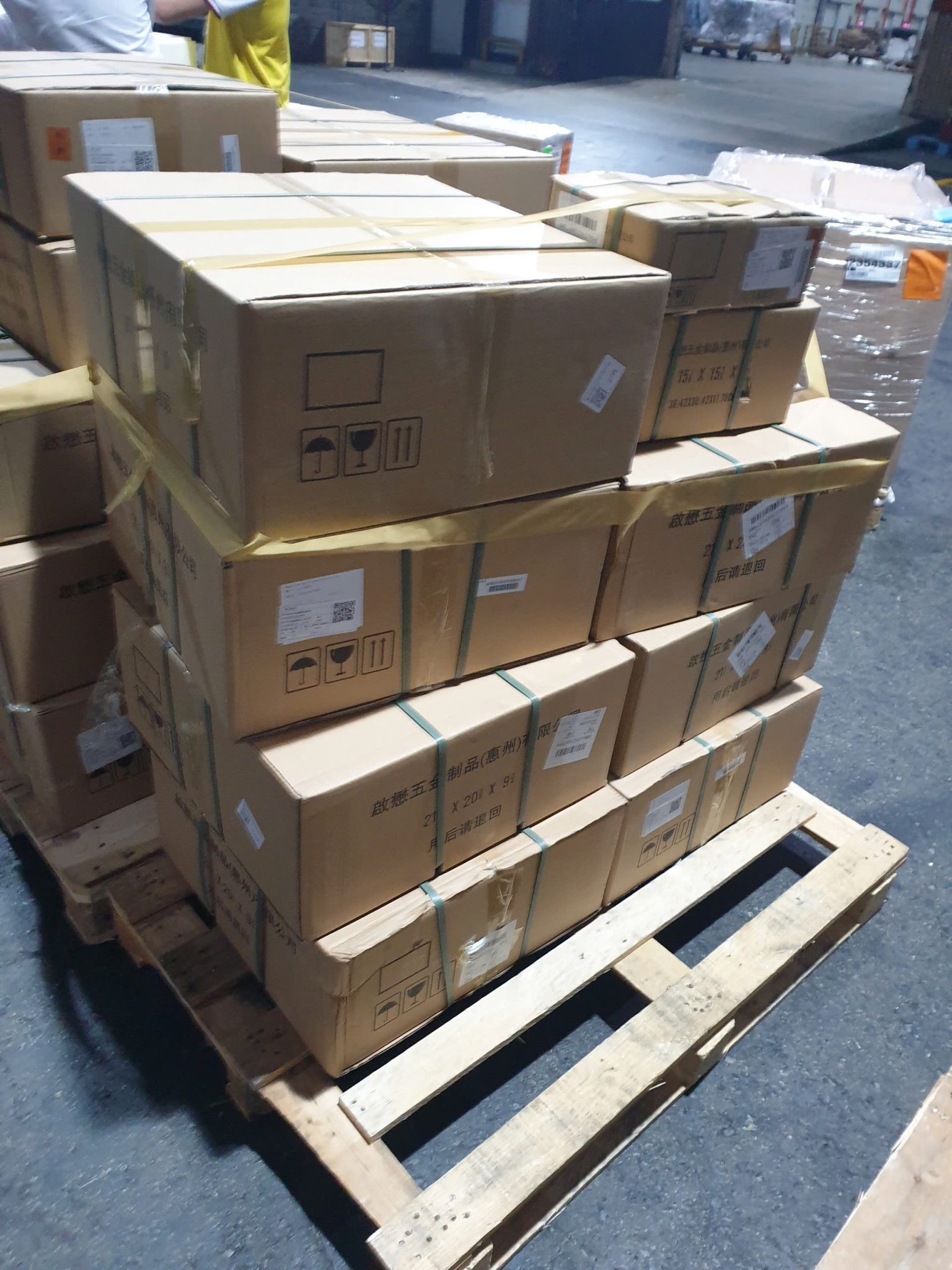
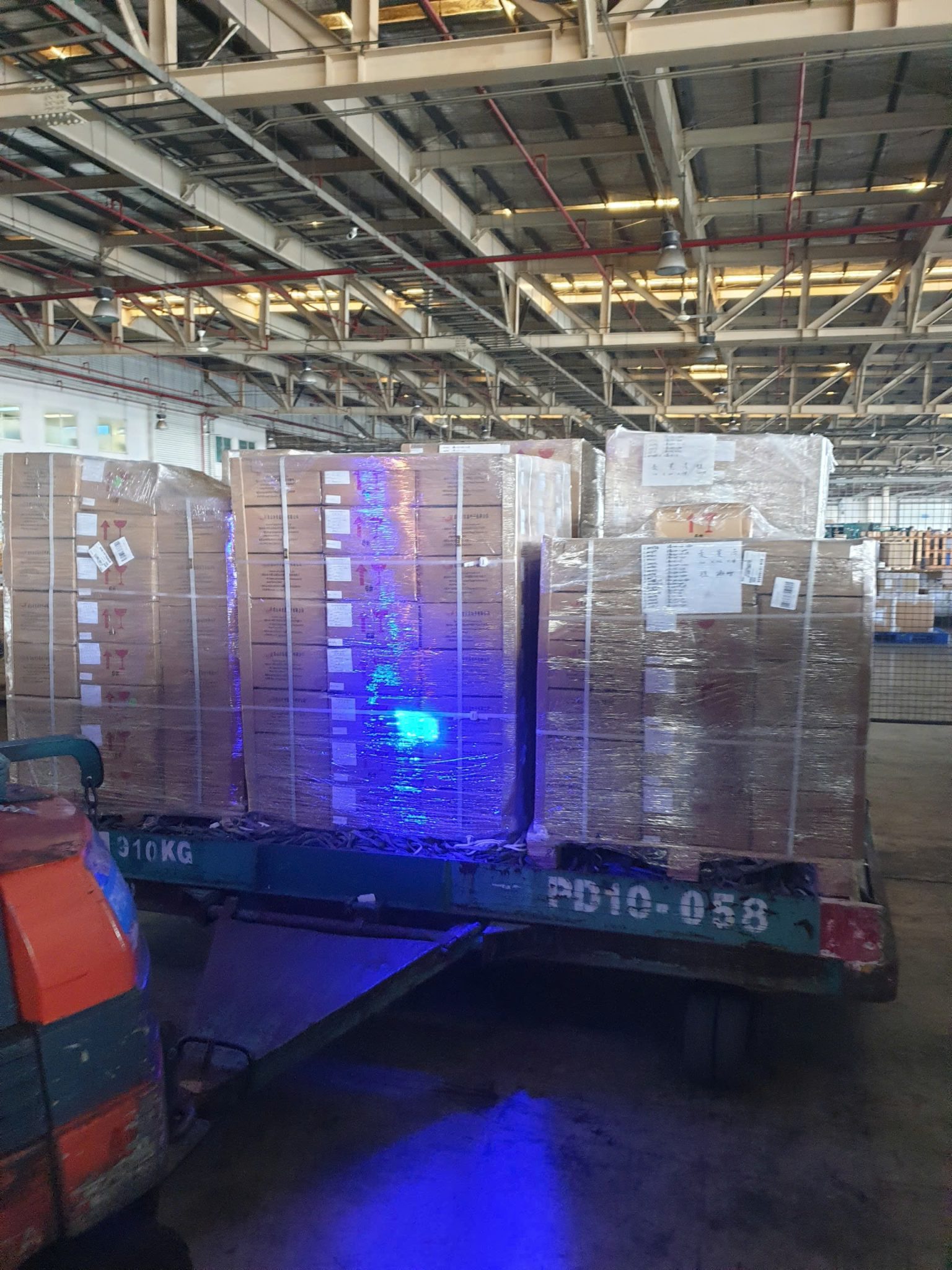
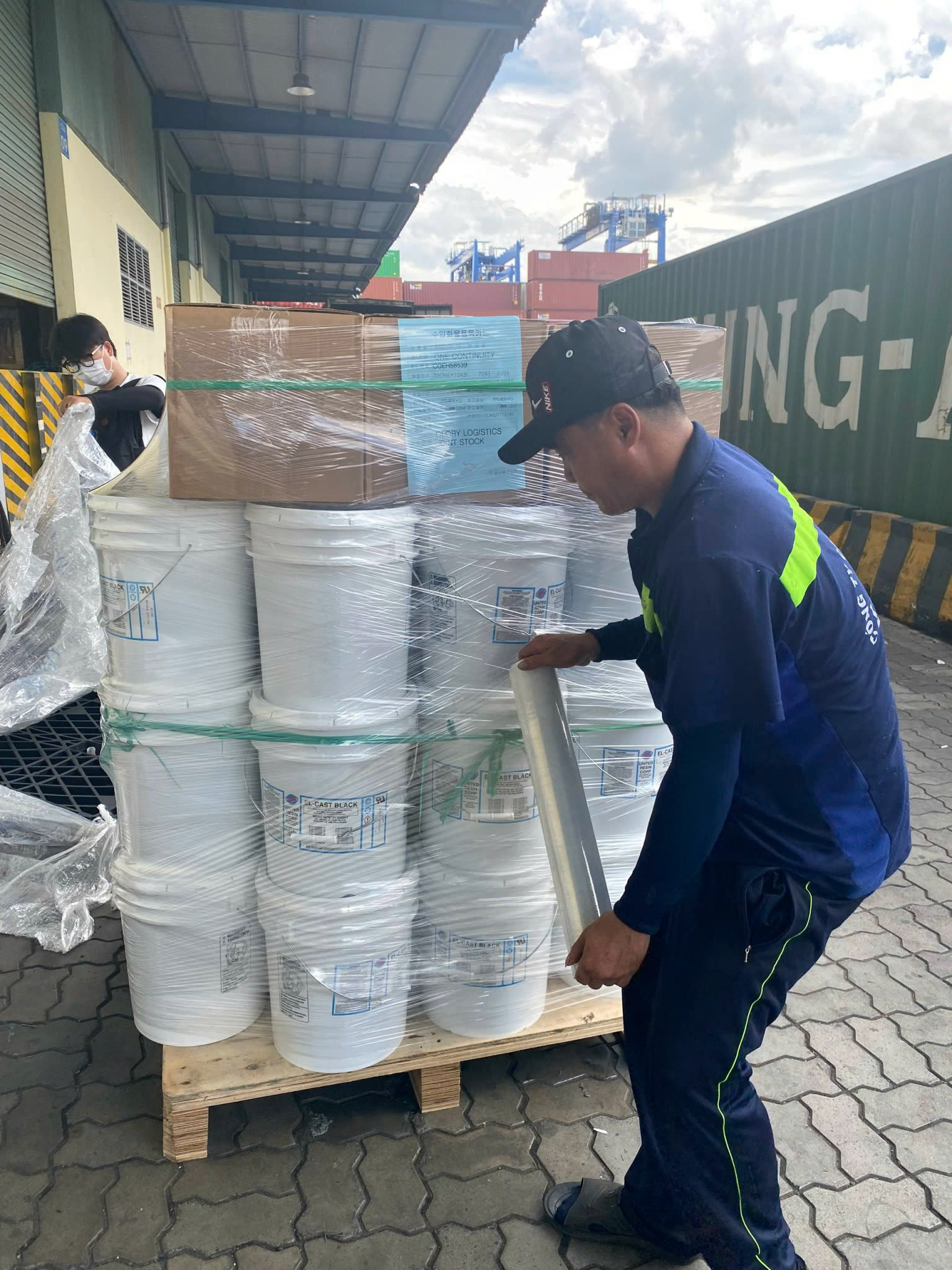
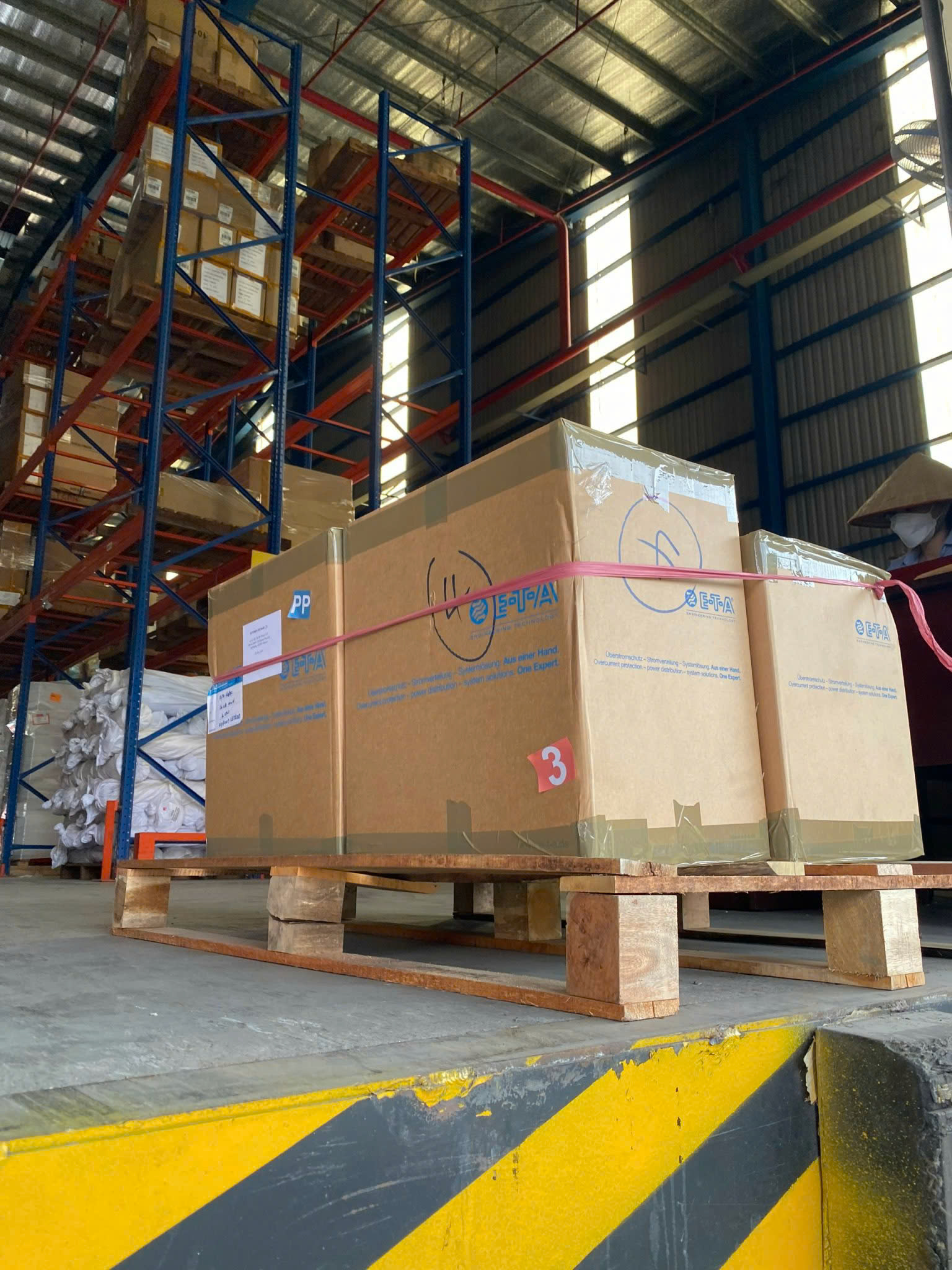
Machinery, components, and production materials are generally suitable for FCL when shipment volumes are sufficiently large or dedicated container control is required. Consumer goods and palletized cargo can use LCL or consolidated road freight. Agricultural products and foodstuffs require checks on quarantine conditions, temperature requirements, and market access eligibility before transportation is booked.
| Container type | Usage Characteristics | Note |
|---|---|---|
| 20DC | Heavy cargo, medium shipment volumes | Check the weight limit. |
| 40DC | High-volume cargo | Suitable for packaged goods and palletized cargo. |
| 40HC | Bulky cargo requiring greater height clearance | Check the internal clearance height and operational limitations. |
Businesses need to calculate volume using the formula CBM = Length × Width × Height × Number of Packages, using meters as the unit of measurement. They should also determine Gross Weight (including packaging), Net Weight (actual cargo weight), and the number of pallets so that the carrier can select an appropriate loading arrangement.
For LCL and consolidated shipments, freight is generally calculated based on W/M (Weight/Measurement), meaning either weight or volume is used according to the carrier's conversion rules. For FCL, rates are usually calculated per container and equipment type. Therefore, businesses should not provide only the total weight while overlooking the dimensions of individual packages.
Incoterms 2026 also directly affect logistics responsibilities. EXW and FCA define the initial delivery scope; FOB, CFR, and CIF apply to sea transportation; while CPT and DAP allocate transportation responsibilities according to different delivery points. Buyers and sellers should clearly agree on which party arranges transportation, handles export and import customs procedures, purchases insurance, and pays the charges at each stage.
2. Formal Export Procedures and Customs Clearance in China

2.1. Export Documentation and Import Requirements
A basic set of commercial documents generally includes:
- Sales Contract: International sales contract.
- Commercial Invoice: Commercial invoice.
- Packing List: Packing list showing the number of packages, weight, and cargo specifications.
- Export customs declaration and Shipping Instruction.
- Bill of Lading (B/L) for sea freight or the corresponding transportation document for other methods.
- C/O and quarantine or specialized inspection certificates if required for the relevant goods.
The HS code must be determined based on the composition, structure, function, and processing level of the goods. Before submitting a customs declaration, businesses must check Vietnam's export policies, export duties, licensing requirements, and specialized inspection conditions.
On the Chinese side, importers need to determine the corresponding HS code, import duties, import VAT, business registration requirements for import activities, and relevant permits. Certain goods must also meet technical standards, product labeling regulations, or specialized inspection requirements imposed by competent authorities.
In particular, agricultural products, foodstuffs, and products of plant origin must be reviewed for market access conditions, quarantine requirements, food safety standards, and production facility registration requirements under current GACC regulations. Not all goods automatically qualify for import merely because a contract and transportation arrangements are in place.
Regarding the origin of goods, C/O Form E under the ASEAN-China Free Trade Agreement (ACFTA) may help importers benefit from preferential tariffs if the applicable rules of origin and conditions are satisfied. A C/O does not replace quality certificates, quarantine certificates, or import permits. Businesses should cross-check regulations from Ministry of Industry and Trade and the issuing certification authority before completing the documentation.
Contracts, Invoices, Packing Lists, C/Os, and specialized documents must be consistent in terms of product descriptions, quantities, weights, values, origin, and the information of the parties involved. Discrepancies between commercial documents and declaration data may result in amendment requests, inspections, or extended customs clearance times.
2.2. Customs Clearance and Delivery Procedures at Both Ends
The process of handling a formal export shipment generally consists of six steps:
- Step 1 – Information Collection: Identify the product name, expected HS code, origin, number of packages, CBM, Gross Weight, and pickup and delivery addresses.
- Step 2 – Verify Requirements: Review Vietnam's export policies, China's import requirements, and specialized documentation.
- Step 3 – Select a Transportation Plan: Determine the sea, road, or rail route; confirm vessel schedules, truck schedules, bookings, and cargo handover points.
- Step 4 – Arrange Export Operations: Collect the goods, pack and palletize them, transport them to the port or border gate, and complete Vietnamese customs declarations.
- Step 5 – Complete Import Customs Clearance: Coordinate with the Chinese agent to submit declarations, inspect documents, conduct quarantine or specialized inspections, and fulfill tax obligations.
- Step 6 – Handover: After customs clearance, arrange domestic transportation within China, confirm the actual quantity received, and complete delivery documents.
Businesses need to distinguish between delivery services to the border gate and Door-to-Door services. The former ends at the agreed cargo handover point, while Door-to-Door covers transportation to the receiving warehouse address within the scope of the contract. Responsibilities for declarations, tax payments, and cargo handling must be clearly allocated among the cargo owner, importer, customs agent, and logistics provider.
3. Shipping Costs to China and Additional Surcharges
3.1. Freight Cost Structure by Transportation Method
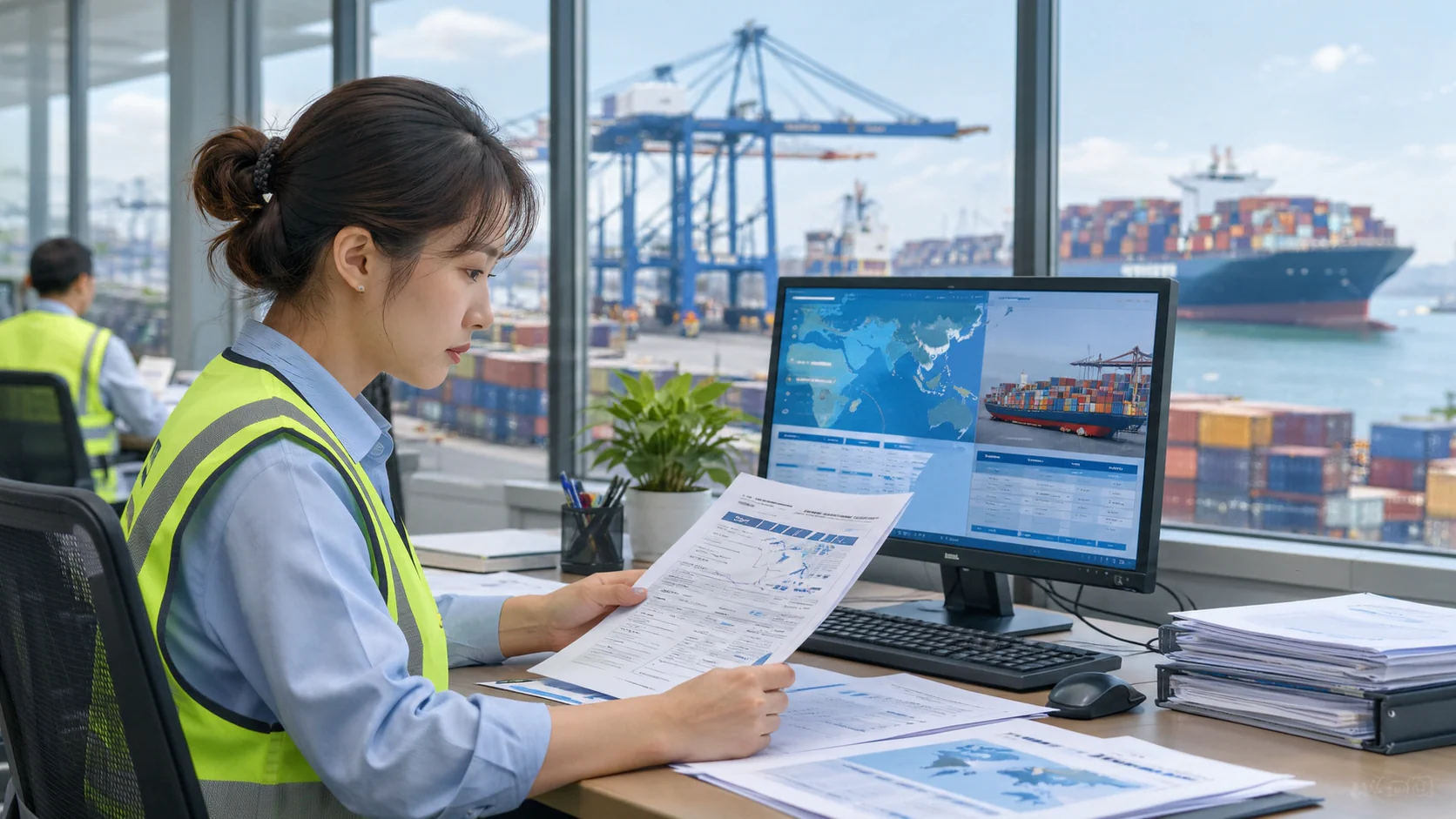
There is no fixed freight rate applicable to every shipment. Actual quotations depend on the route, timing, cargo type, shipment volume, delivery method, and service scope. The table below outlines a cost estimation structure to help businesses identify the charges they should request from their transportation providers.
| Method | Freight Calculation Unit | Estimated Charges |
|---|---|---|
| Sea Freight FCL | 20DC, 40DC, 40HC containers | Ocean Freight, THC, Documentation Fee, Seal Fee, Bill Fee, and shipping line surcharges. |
| Sea Freight LCL | CBM or W/M | International freight, CFS Charge, documentation fees, and related surcharges. |
| Road | Truckload, payload, CBM, pallets, or consolidated cargo | Trucking charges, border gate fees, transshipment, and yard handling. |
| Rail | Weight, volume, or container | Main-leg freight, transportation at both ends, loading and unloading, and transshipment. |
Sea freight is suitable for large-volume cargo with relatively stable delivery plans. Road freight quotations should be based on vehicle type, payload, border gate route, and delivery address. Rail freight requires additional calculations for transporting goods to the departure station, receiving cargo at the destination station, and any transshipment operations.
In particular, businesses must distinguish between international transportation charges and total Door-to-Door costs. The total estimated cost may include domestic transportation in Vietnam, port or yard charges, customs declarations, documentation, specialized inspections, delivery services in China, and import duties payable by the buyer.
3.2. Factors Affecting Freight Rates and Cost Control Measures
Freight rates are affected by peak import and export seasons, fuel prices, transportation capacity, vessel schedules, border gate conditions, and transshipment port congestion. In addition, cargo type, dimensions, weight, CBM, storage requirements, and quotation validity periods also determine the final cost.
The following additional charges should be clarified from the outset:
- DEM/DET: Charges for storing containers at ports and using containers beyond the applicable free time.
- Yard Storage Charges: Charges incurred when cargo or vehicles remain in operational areas beyond the free storage period.
- Lifting and Handling Fees: Charges for handling containers or cargo at ports, yards, and railway stations.
- Customs Inspection Fees: Costs associated with physical cargo inspections when required.
- Truck Waiting, Transshipment, and Schedule Change Fees: May arise when delivery schedules change or vehicles must wait for processing.
To control budgets, businesses should compare quotations based on the same route, transportation method, Incoterms conditions, and delivery scope. They should request that transportation providers clearly separate main freight charges, local charges, included fees, excluded fees, payment responsibilities, and quotation validity periods.
Monitoring information from Vietnam Logistics Business Association (VLA) also helps businesses stay updated on industry developments. More importantly, documentation should be checked before booking or dispatching vehicles to minimize the risks of border congestion, incorrect documents, specialized inspections, warehousing, and returned shipments.
4. Formal Shipping Services to China with G-LOGS JSC

G-LOGS JSC is G-Logistics Trading and Services Joint Stock Company, with more than 10 years of experience in freight forwarding, international FCL/LCL sea freight, air freight, comprehensive customs declaration services, and domestic container transportation. The company provides logistics solutions tailored to transportation requirements and the characteristics of each shipment.
For routes to China, G-LOGS advises on sea, road, or multimodal transportation solutions based on cargo type, quantity, CBM, Gross Weight, destination port, border gate, and receiving warehouse address. The proposed solution may combine international ocean freight, domestic transportation, and delivery services within the confirmed scope.
For documentation, businesses receive support in reviewing expected HS codes, import and export policies, taxes, Commercial Invoices, Packing Lists, C/O Form E, and specialized documentation. Checking Chinese import requirements before implementation helps reduce the risk of cargo arriving at the border without meeting customs clearance conditions.
G-LOGS coordinates FCL/LCL transportation, air freight, domestic container trucking, and connections with delivery partners according to each proposed solution. Businesses can also receive advice on total cost estimates, with separate breakdowns for international freight, local charges, customs fees, domestic transportation, and potential additional charges.
During implementation, monitoring quantities, weights, container numbers, seal numbers, bill of lading details, and delivery schedules helps all parties track progress and coordinate responses to unexpected situations. Each party's scope of responsibility is confirmed according to the commercial terms and service agreement.
To receive an accurate quotation, cargo owners should prepare the following information: product name, expected HS code, origin, number of packages, dimensions of each package, CBM, Gross Weight, packaging type, preferred transportation method, pickup address, departure port or border gate, destination city in China, Incoterms, and delivery schedule.
Choosing the right transportation method and controlling documentation from the outset are essential to optimizing costs, delivery schedules, and the legal compliance of shipments. Contact G-LOGS JSC for consultation on formal shipping solutions to China, FCL/LCL and air freight quotations, and customs declaration services tailored to your business's actual requirements.
G-LOGISTICS TRADING AND SERVICES JOINT STOCK COMPANY (G-LOGS JSC)
Address: 4th Floor, Coalimex Building, 29–31 Dinh Bo Linh Street, Binh Thanh Ward, Ho Chi Minh City, Vietnam.
Phone: (84) 28 3511 5354/5455
Email: info@g-logs.com
Website: www.g-logs.com