 EN
 VI
 ZH
In import-export operations, many businesses focus on optimizing transportation while underestimating the importance of customs clearance. In reality, even a minor declaration error can cause a shipment to be held, resulting in significant additional costs. That is why Service customs declaration import export is not merely a mandatory procedure but also a 'profit protection layer' for businesses.
A New Perspective: Customs Declaration Is Not Just a Procedure – It Is Risk Management

Many people think customs declaration is simply a matter of entering data.
In reality, Service customs declaration import export it is a process of:
- Correctly Identifying the Nature of the Goods
- Applying the Correct Legal and Regulatory Policies
- Managing Tax and Inspection Risks
👉 One incorrect line – and costs can multiply several times over.
The “Price” of Incorrect Customs Declarations
- 🚫 Goods detained at the port
- 💰 Additional warehousing and storage fees
- ⚠ Backdated tax assessments or penalties
- ⏱ Delayed delivery schedules
👉 These are costs that are not included in the original quotation.
What Do Professional Customs Declaration Services Include?
A Service customs declaration import export Effective customs declaration services go beyond simply submitting customs declarations and include:
- Checking Documents Before Customs Declaration
- Accurate HS code classification
- Policy consulting import export
- Customs declaration in electronic
- Handling customs inspection channels (green – yellow – red)
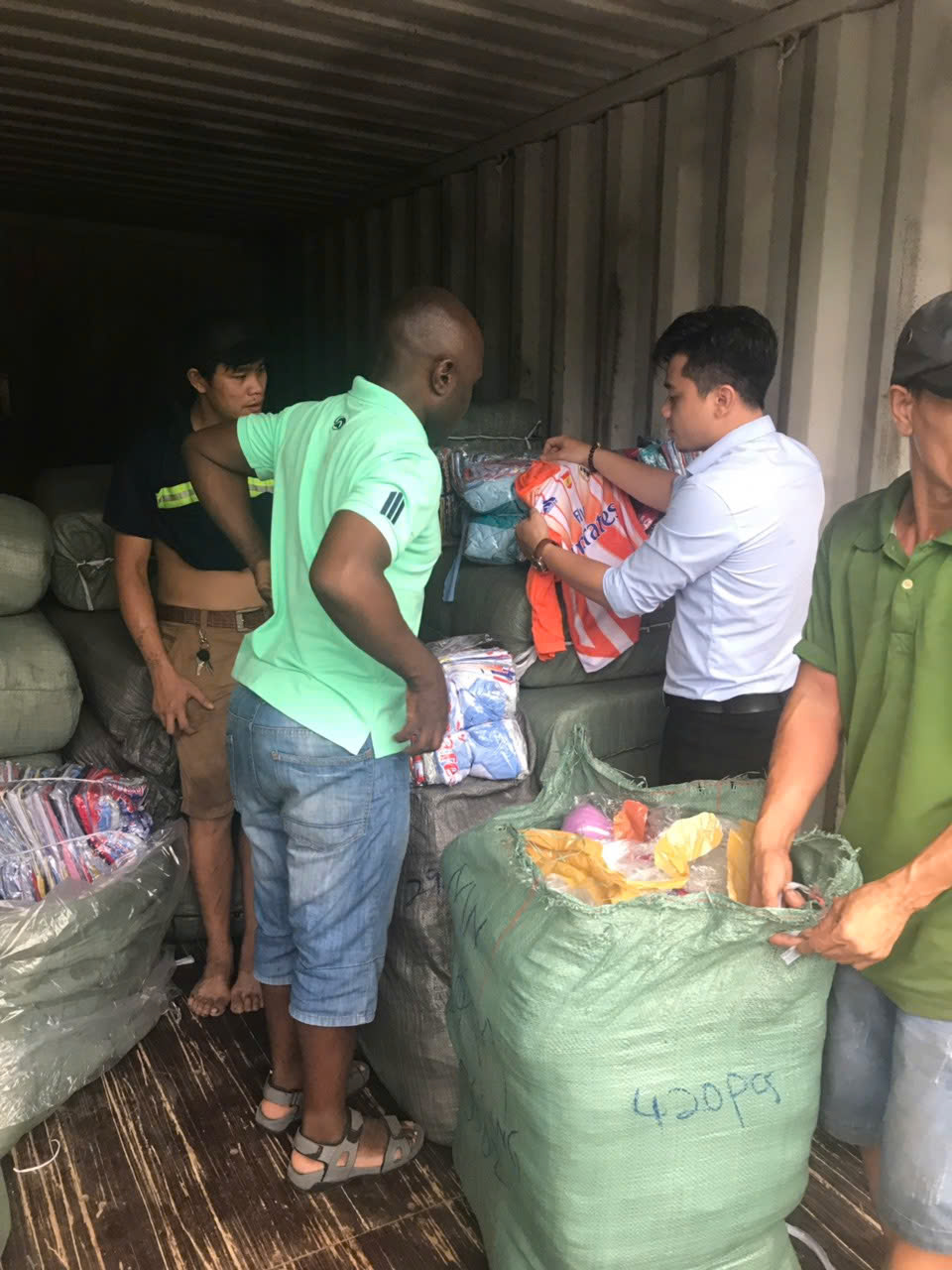
- Assistance with physical inspections and customs clearance
👉 Goal: fast – accurate – no unexpected costs.
“The ”Key Factors' That Determine Customs Clearance Speed
📌 HS Code
- Tariff Rate Determination
- Directly affects customs inspections
👉 Incorrect HS code = the greatest risk.
📌 Documentation
- Invoice, Packing List, B/L
- C/O, permits (if applicable)
👉 Missing or incorrect documents → processing is suspended.
📌 Handling Experience
- Knowing how to work with customs authorities
- Handling Unexpected Situations
👉 This is the differentiating factor between “slow” and “fast”.
An Optimized Customs Declaration Process
- Reviewing and standardizing documentation
- Determining HS codes and applicable policies
- Submitting electronic customs declarations
- Handling customs inspection channels
- Payment of taxes and finished customs
👉 The more standardized the process → the shorter the processing time.
When Should Businesses Outsource Customs Declaration Services?
Service customs declaration import export particularly essential when:
- New business export and import
- Goods are complex and involve multiple HS codes
- Specialized inspections are required
- Fast customs clearance is required
Common Mistakes That Make Businesses “Pay the Price”
- Making declarations independently without understanding the regulations
- Copying HS codes from other shipments
- Failing to keep up with new policies
- Being overconfident when handling familiar goods
👉 Customs regulations change constantly – past experience is not always reliable.
The Role of a Professional Logistics Provider
A partner like G-LOGS can help:
- Accurate policy consultation
- Fast Customs Declarations with Fewer Errors
- Efficient Customs Inspection Handling
- Combining Transportation and Customs Clearance
👉 Reducing pressure and risks for businesses.
Emerging Trends in Customs Declarations
- Digitizing the entire process
- Electronic declaration of 100%
- Data-Driven Risk Management
👉 Businesses need to stay continuously updated to avoid falling behind.
Conclusion
Service customs declaration import export not only helps accelerate customs clearance but also serves as an effective tool for controlling costs and risks.
👉 In logistics, transportation is not necessarily the most important stage – the stage with the fewest errors is.